
What Information Is Needed for a Custom Micro Pump Quote?
What Information Is Needed for a Custom Micro Pump Quote?
When looking for a custom micro pump for OEM equipment, one of the first questions is: what information should you provide to the manufacturer to get an accurate quotation?
A micro pump may look like a relatively small component, but selecting the right model involves more than simply specifying a flow rate or voltage. The pump must match the working medium, operating conditions, installation space, and performance requirements of the equipment.
Providing clear application and technical information helps the manufacturer evaluate your requirements, recommend a suitable pump type, and determine whether customization is necessary.
This guide explains what information is useful when requesting a custom micro pump quote, especially for OEM equipment manufacturers and industrial applications. It also outlines how to prepare for a custom micro pump inquiry, even if your technical specifications are not yet complete.
The information required for a micro pump project depends on the application and the pump type. The following details can help the manufacturer understand your requirements and evaluate a suitable solution.
1. Application and Pump Function
Start by explaining where and how the pump will be used.
For example, is the pump intended for:
Water circulation in household appliances?
Liquid transfer in laboratory or analytical equipment?
Cooling systems in electronic or industrial equipment?
Chemical liquid dosing or transfer?
Air supply or vacuum generation in medical or industrial devices?
The same pump may perform differently in different systems. Understanding the equipment and the pump’s function helps the manufacturer determine which pump structure is most suitable.
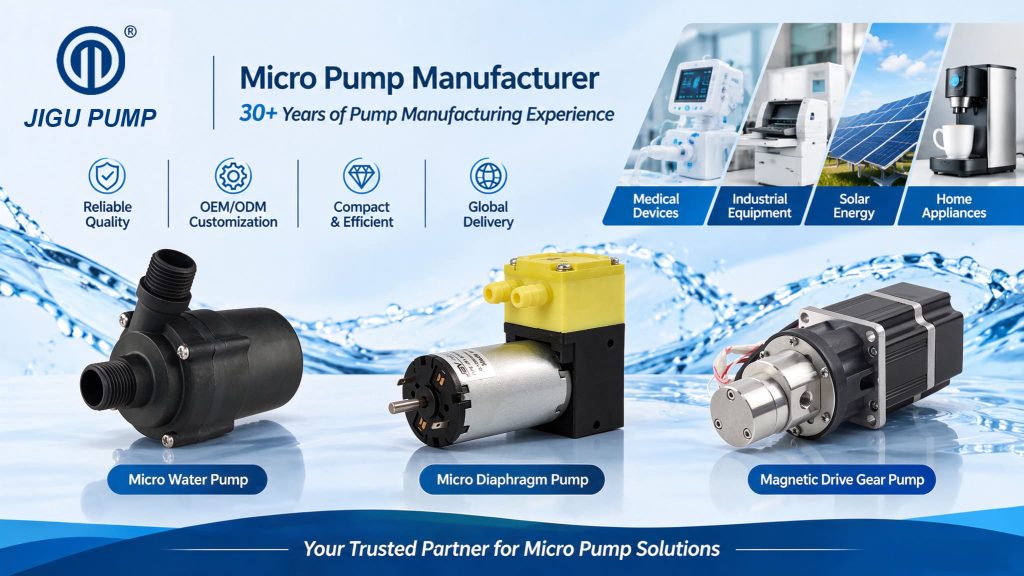
For example, a micro centrifugal water pump may be appropriate for water circulation, while a diaphragm pump may be better suited to air, vacuum, or certain liquid transfer applications. A magnetic drive gear pump may be considered when controlled fluid transfer and a magnetically coupled drive structure are required.
You can also provide a brief description of the equipment, a product photo, or a system diagram. These details can be very helpful during the initial evaluation.
2. Working Medium and Fluid Characteristics
The working medium is another important factor in pump selection.
Please specify whether the pump will handle water, oil, chemicals, air, or another type of fluid. For liquid applications, the following information may also be useful:
Fluid viscosity
Operating temperature
Chemical properties and corrosiveness
Whether the fluid contains particles or impurities
Whether the fluid is clean, contaminated, or mixed with gas
These characteristics influence the selection of pump materials, seals, internal components, and pump structure.
For example, a pump designed for clean water may not be suitable for a corrosive chemical or a high-viscosity liquid. If you are unsure about the exact fluid properties, providing the fluid name and available technical information is a useful starting point.
3. Required Flow Rate and Pressure
Flow rate and pressure are two of the most important performance requirements when selecting a micro pump.
Flow rate describes how much fluid the pump needs to deliver within a specific period, commonly expressed in L/min, mL/min, or L/h.
Pressure describes the pressure the pump needs to generate or work against in the system. Depending on the application, you may need to provide the required outlet pressure, system pressure, or vacuum level.
It is important to distinguish between the pump’s maximum performance and its actual operating point. A pump’s flow rate can change depending on the system resistance and operating pressure. Therefore, providing both the target flow rate and working pressure is much more useful than specifying only one value.
If available, please provide:
Required flow rate
Working pressure or vacuum level
Maximum pressure or vacuum requirement
Whether the flow rate needs to be adjustable
Any specific performance tolerance
If you do not have exact figures, an estimated operating range is still helpful. The manufacturer can then evaluate whether a suitable standard model is available or whether further customization may be required.
For additional guidance on pump selection, the Hydraulic Institute also discusses key factors such as process liquid, materials, flow, pressure, and available space in its guide to improving the pump selection process.
4. Operating Voltage and Motor Requirements
The power supply and motor configuration must be compatible with the equipment.
Please provide the available power supply, such as:
6V DC
12V DC
24V DC
Other DC or AC power requirements
You should also indicate whether the pump needs to operate continuously or intermittently, and whether the equipment requires speed adjustment or other control functions.
For OEM projects, additional electrical requirements may include:
Brushless or brushed DC motor
Speed control
PWM control
External driver or integrated control
Wiring and connector requirements
Brushless DC motors are commonly used in applications where long service life, compact integration, or electronic speed control is important. However, the appropriate motor configuration depends on the pump model and the actual application.
For JIGU’s product range, micro centrifugal water pumps use brushless motors. Micro diaphragm pumps and magnetic drive gear pumps can be supplied with brushless or brushed motor options, depending on the model and project requirements.
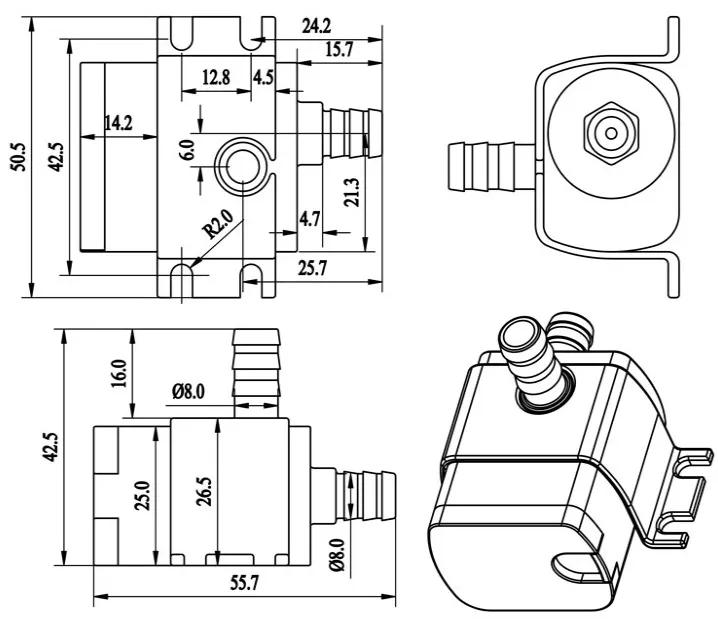
5. Installation Space and Dimensions
A pump must fit into the available space inside the equipment.
For this reason, installation dimensions should be considered early in the selection process, especially for compact OEM products.
Useful information includes:
Maximum available length, width, and height
Mounting position and fixing method
Required inlet and outlet orientation
Available space for wiring and connectors
Any restrictions on pump weight or installation direction
If you already have a reference pump, a drawing or sample can help the manufacturer understand the existing installation requirements.
If the equipment is still in the design stage, you can provide the available installation space or preliminary dimensions. This allows the manufacturer to evaluate possible pump configurations before the equipment design is finalized.
6. Inlet and Outlet Connections
The inlet and outlet connections must match the fluid system.
Depending on the application, you may need to specify:
Tube diameter
Thread type and size
Hose connection or fitting type
Connection direction
Special interface or adapter requirements
If you are replacing an existing pump, photos of the connections or a technical drawing can help avoid misunderstandings.
For custom projects, connection dimensions and structures may be evaluated together with the pump body and installation design.
7. Operating Conditions and Working Cycle
The operating environment can affect pump performance and service life.
Please consider the following conditions:
Ambient temperature
Fluid temperature
Continuous or intermittent operation
Daily operating hours
Expected service life
Indoor or outdoor installation
Exposure to moisture, dust, or vibration
For example, a pump used for continuous circulation may have different requirements from one that operates for only a few seconds during each working cycle.
If the pump will operate under unusual temperatures, frequent start-stop cycles, or other demanding conditions, please mention this during the initial inquiry.
These details help the manufacturer evaluate the pump configuration and determine which performance tests may be needed.
8. Material and Customization Requirements
Material selection is particularly important when the pump handles chemicals, special liquids, or fluids with specific cleanliness requirements.
Depending on the pump model and application, customization may involve:
Pump housing material
Wetted component materials
Sealing materials
Inlet and outlet connections
Motor and electrical configuration
Wiring and connectors
Mounting dimensions
For example, different plastics, metals, and sealing materials may be considered depending on fluid compatibility, temperature, pressure, and operating conditions.
Not every configuration is available for every pump model. The manufacturer needs to evaluate the technical feasibility of the requested materials and modifications.
If your application has specific material requirements, please provide the fluid name and any relevant compatibility standards or material specifications.
9. Estimated Quantity and Project Information
The expected order quantity and project stage are also useful when requesting a quotation.
Please indicate whether you need:
Initial samples for testing
A small quantity for prototype development
Pilot production
Regular mass production
If possible, provide an estimated annual demand or expected order quantity.
This information helps the manufacturer evaluate sample arrangements, production planning, and pricing.
It is also helpful to explain whether the project is still under development, already in production, or intended to replace an existing pump. This gives the manufacturer a better understanding of your timeline and cooperation requirements.
What If You Don’t Have Complete Technical Specifications?
Not every OEM project starts with a complete technical specification.
In many cases, the equipment manufacturer knows what the pump needs to do but has not yet finalized the flow rate, pressure, dimensions, or material requirements.
This is normal, especially during the early stages of product development.
You can start by providing a few basic details:
What type of equipment will use the pump?
What fluid or medium needs to be transferred?
What is the pump expected to do?
What power supply is available?
How much installation space is available?
Do you have a reference pump, photo, drawing, or sample?
Based on this information, the pump manufacturer can help identify a suitable pump type and discuss the technical details that need further evaluation.
For example, if you are developing a compact water circulation system, you may initially only know the required application and available voltage. The manufacturer can help assess whether a micro centrifugal water pump is a suitable starting point and what additional performance information is needed.
The same approach applies to diaphragm pumps and magnetic drive gear pumps.
You do not need to finalize every parameter before contacting a manufacturer. Sharing your application requirements early can help avoid unnecessary design changes later.
How JIGU Supports OEM Micro Pump Projects
JIGU is a China-based micro pump manufacturer with more than 30 years of experience in pump manufacturing.
We provide three main product categories for OEM equipment manufacturers and industrial applications:
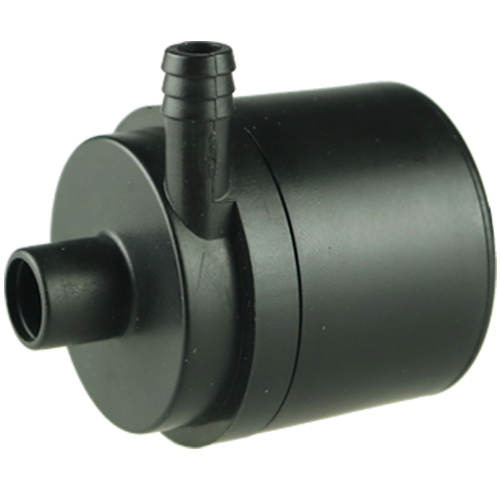
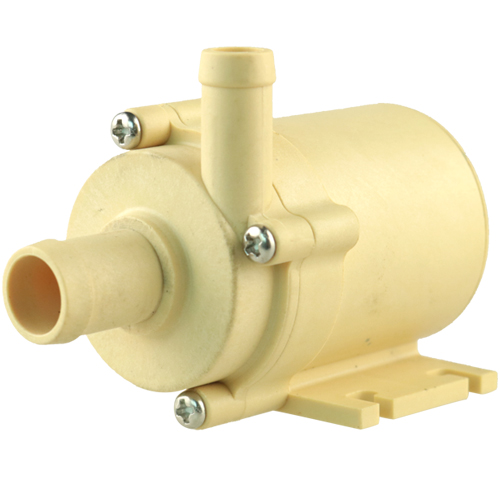
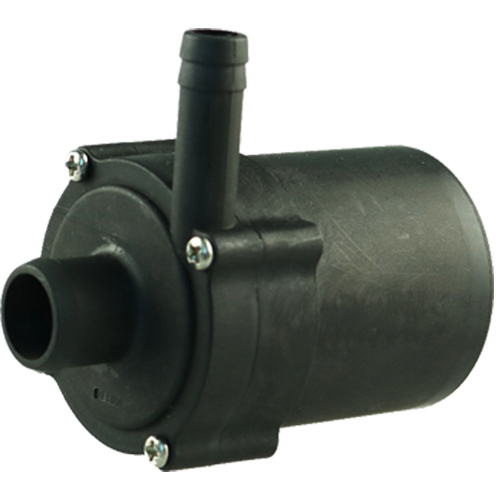
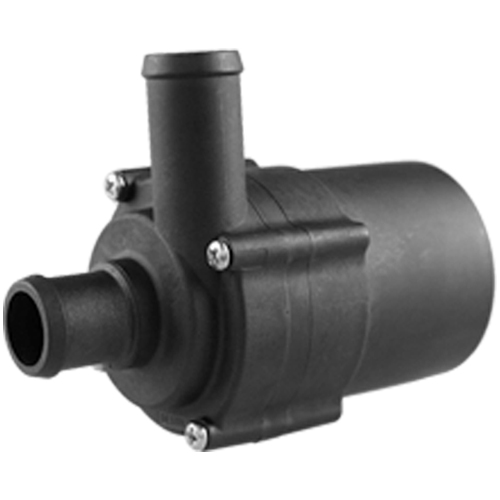
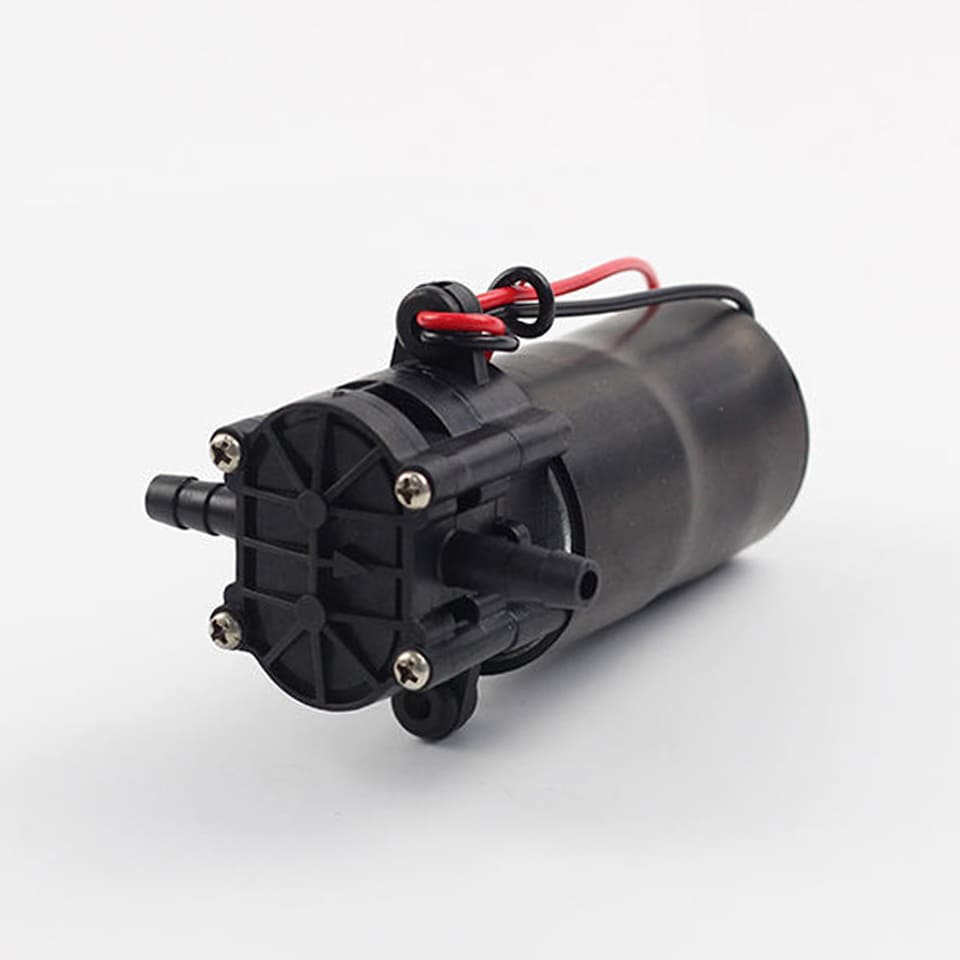
Micro Centrifugal Water Pumps: Designed for compact water circulation, liquid transfer, and cooling applications.
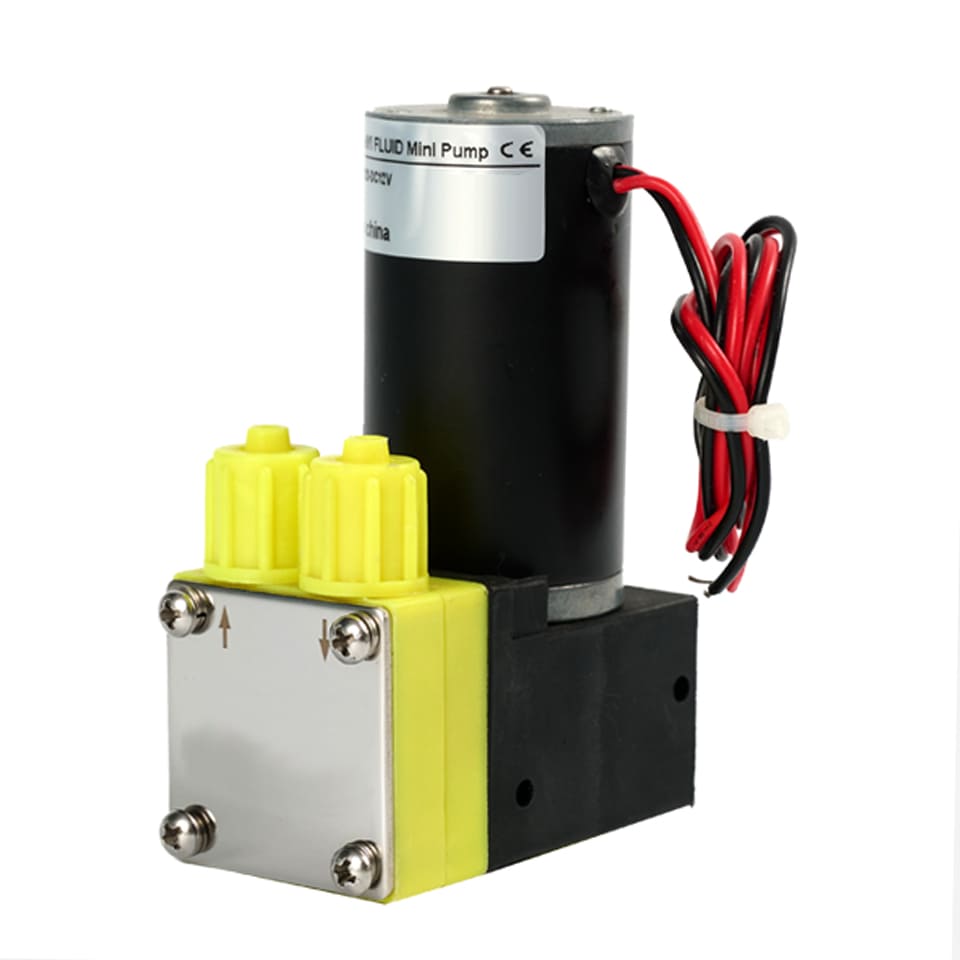
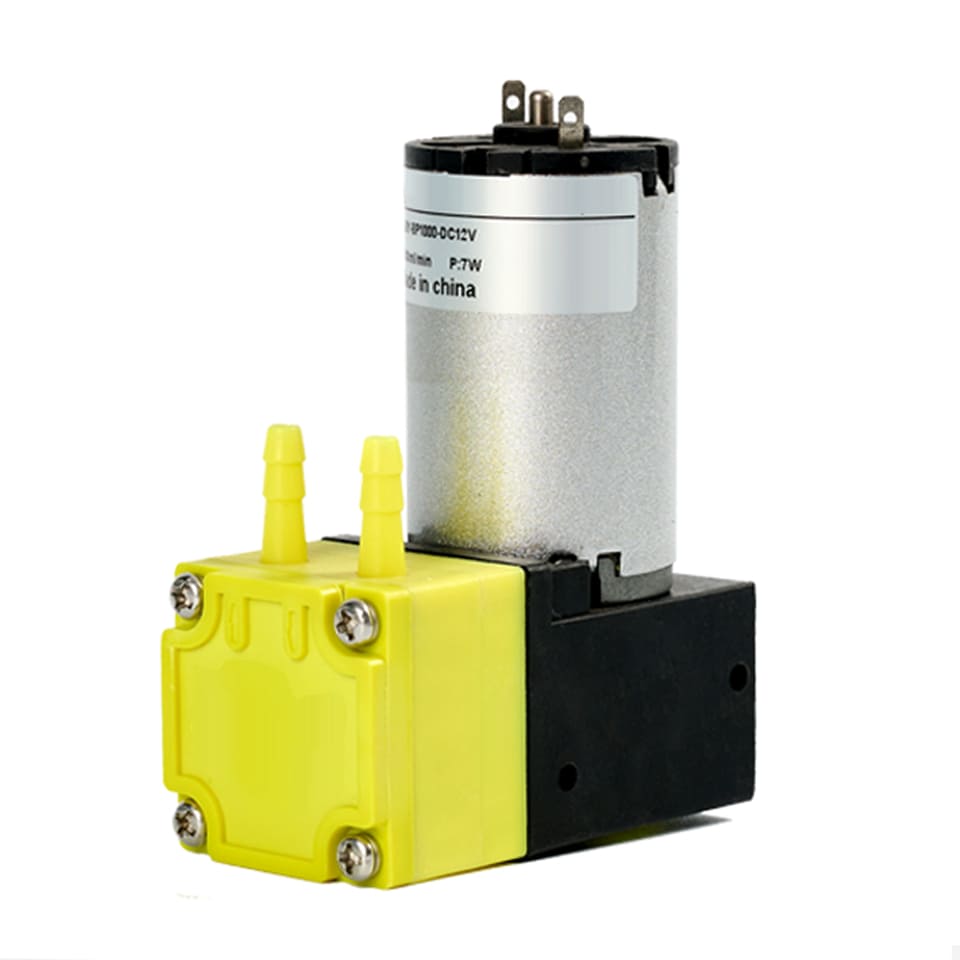
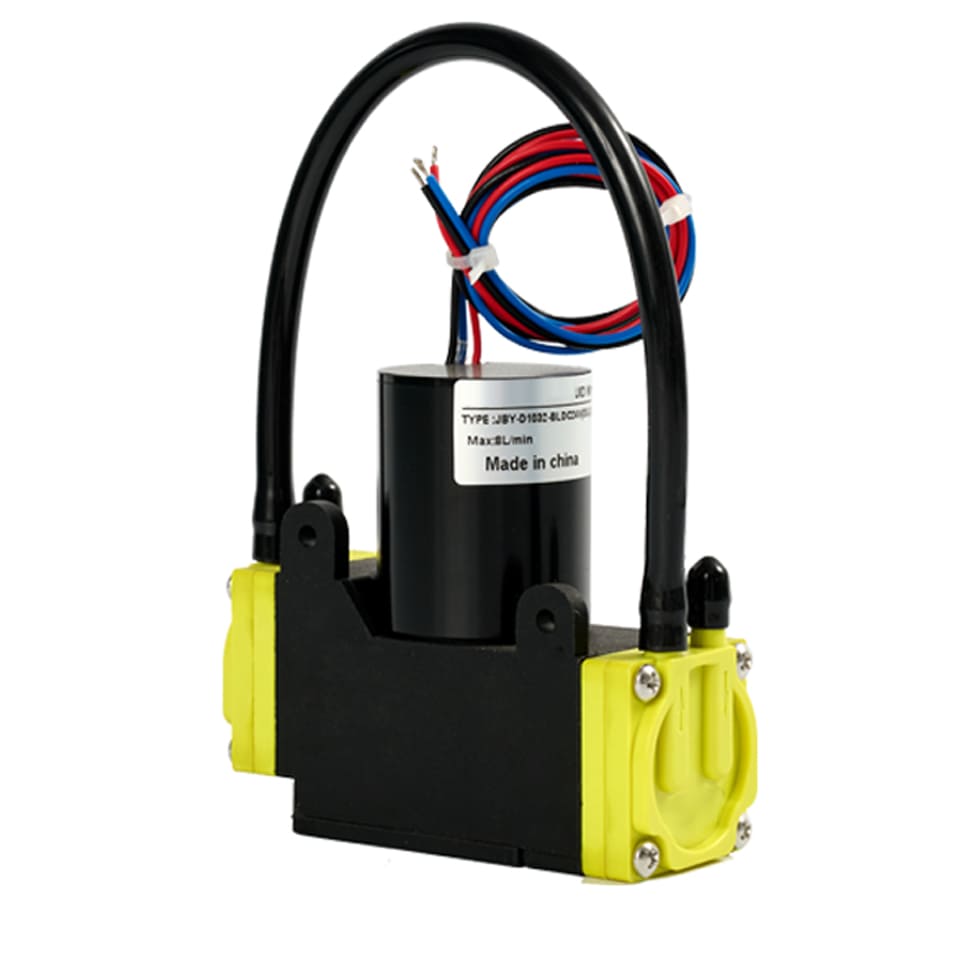
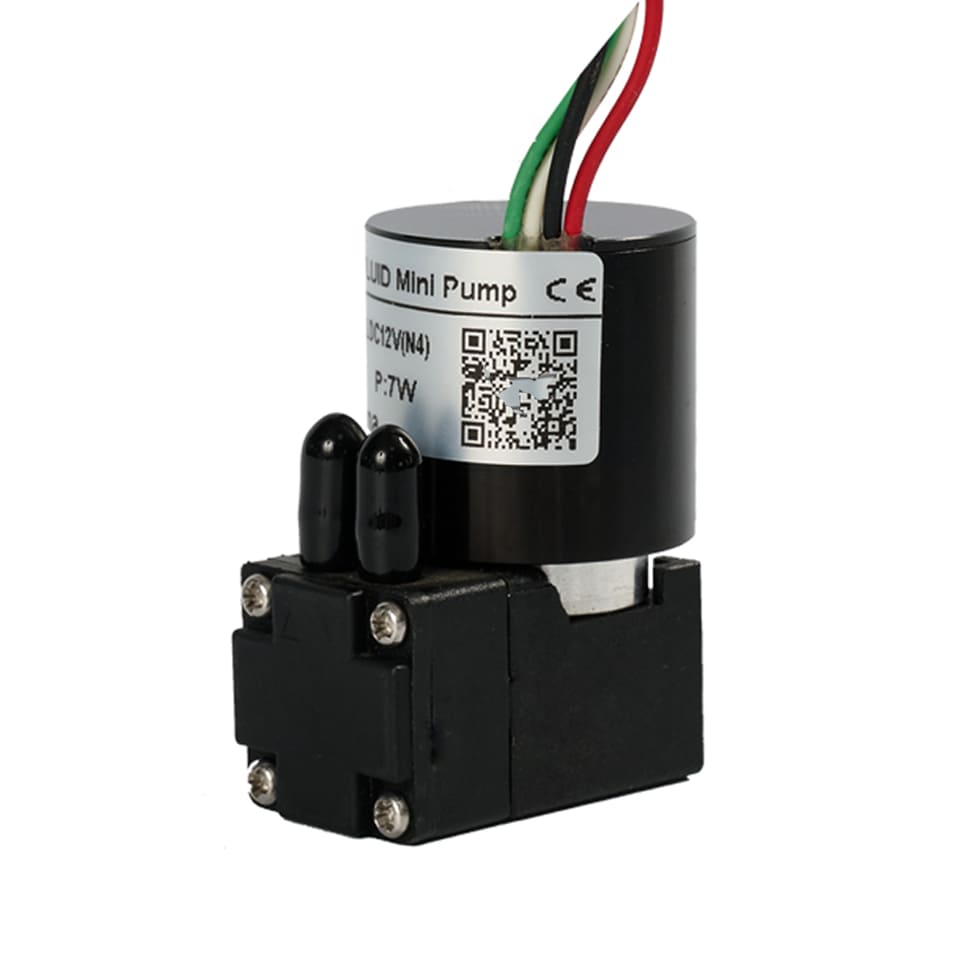
Micro Diaphragm Pumps: Available for liquid transfer, air pumping, and vacuum applications, depending on the model.
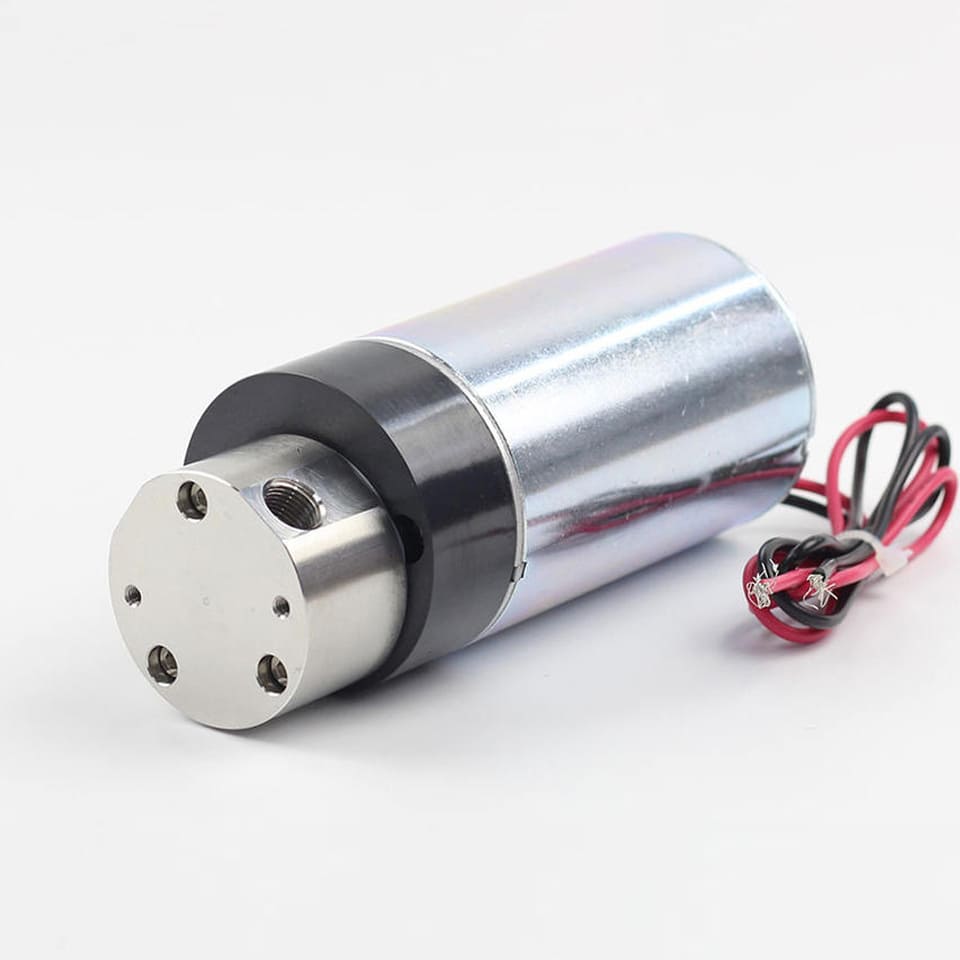
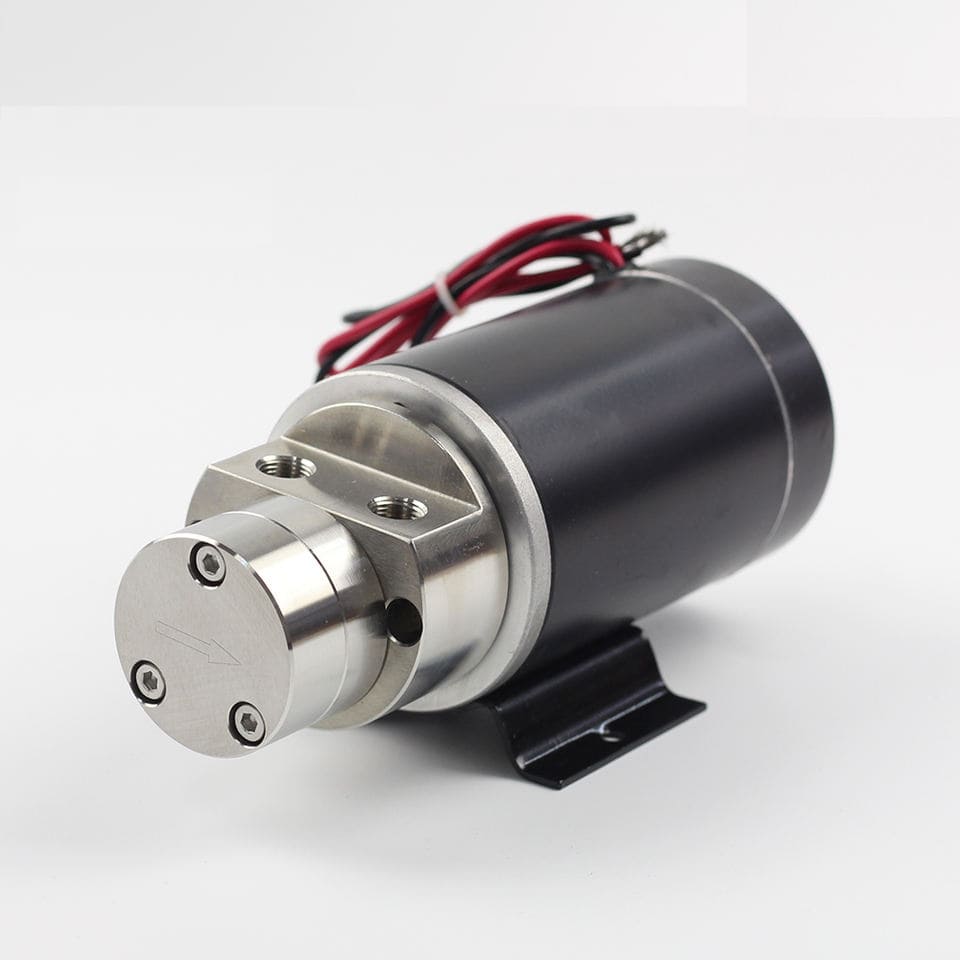
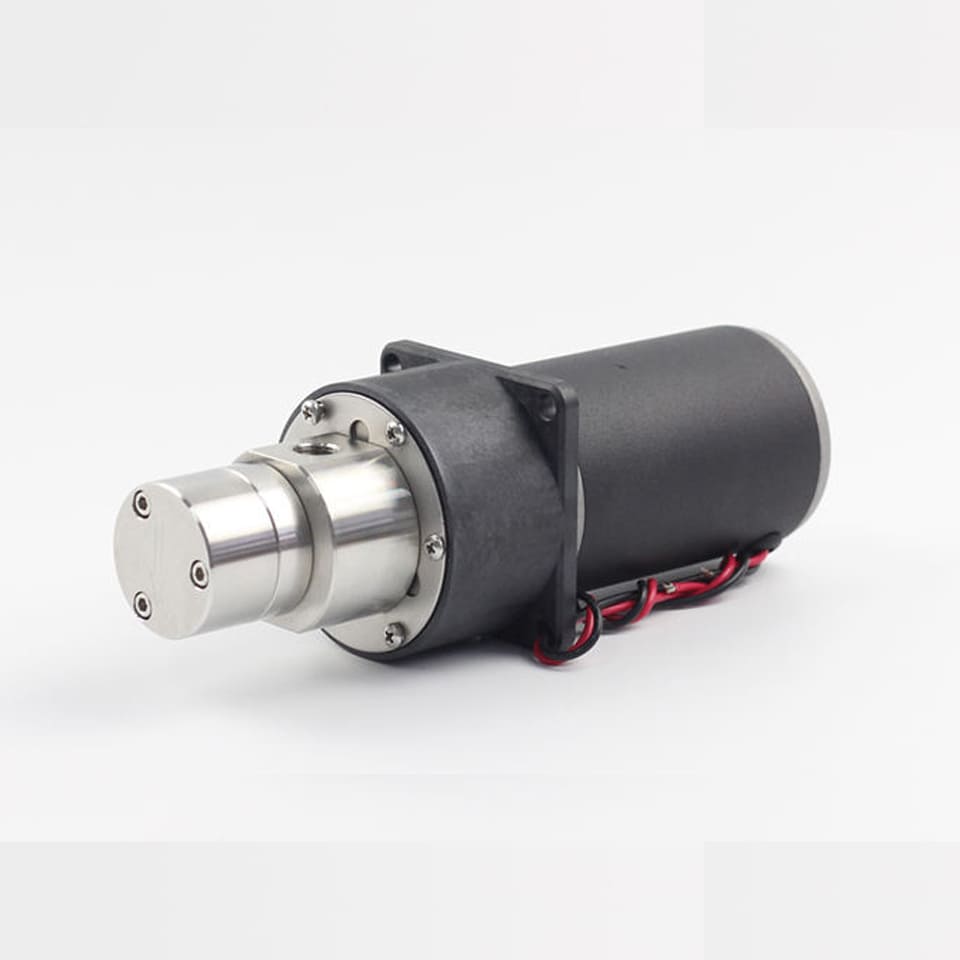
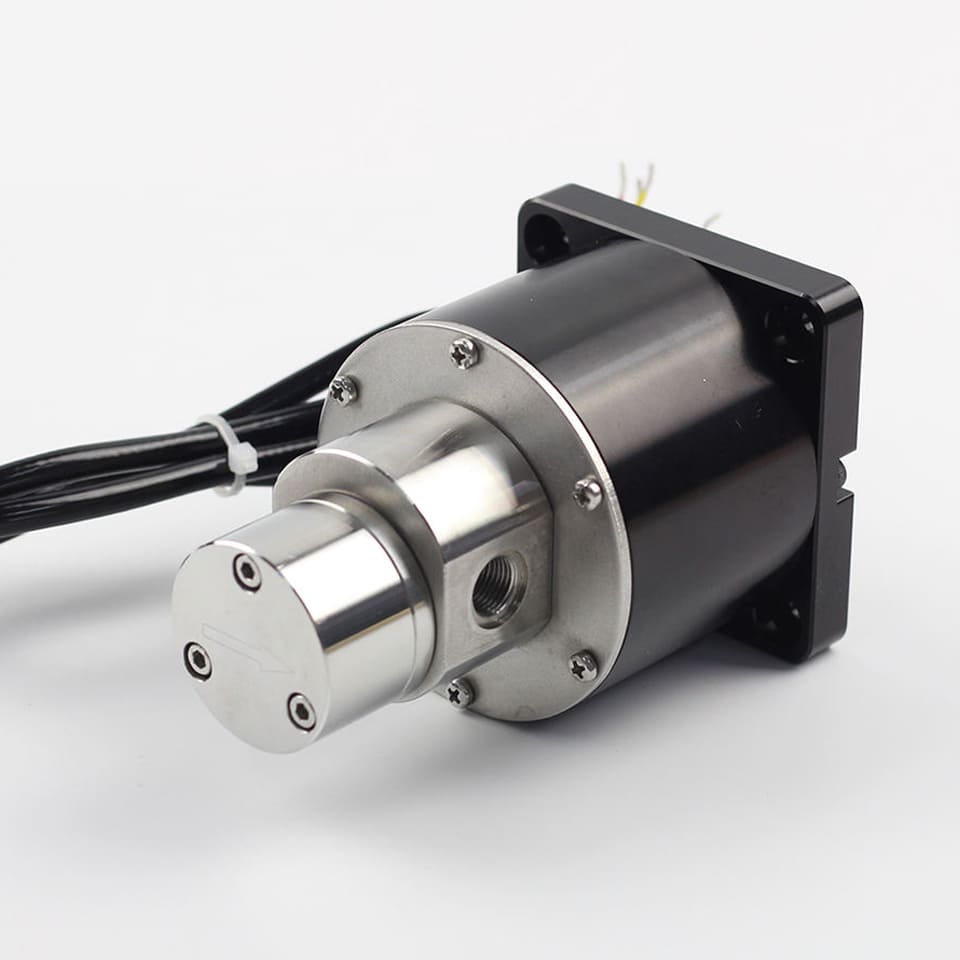
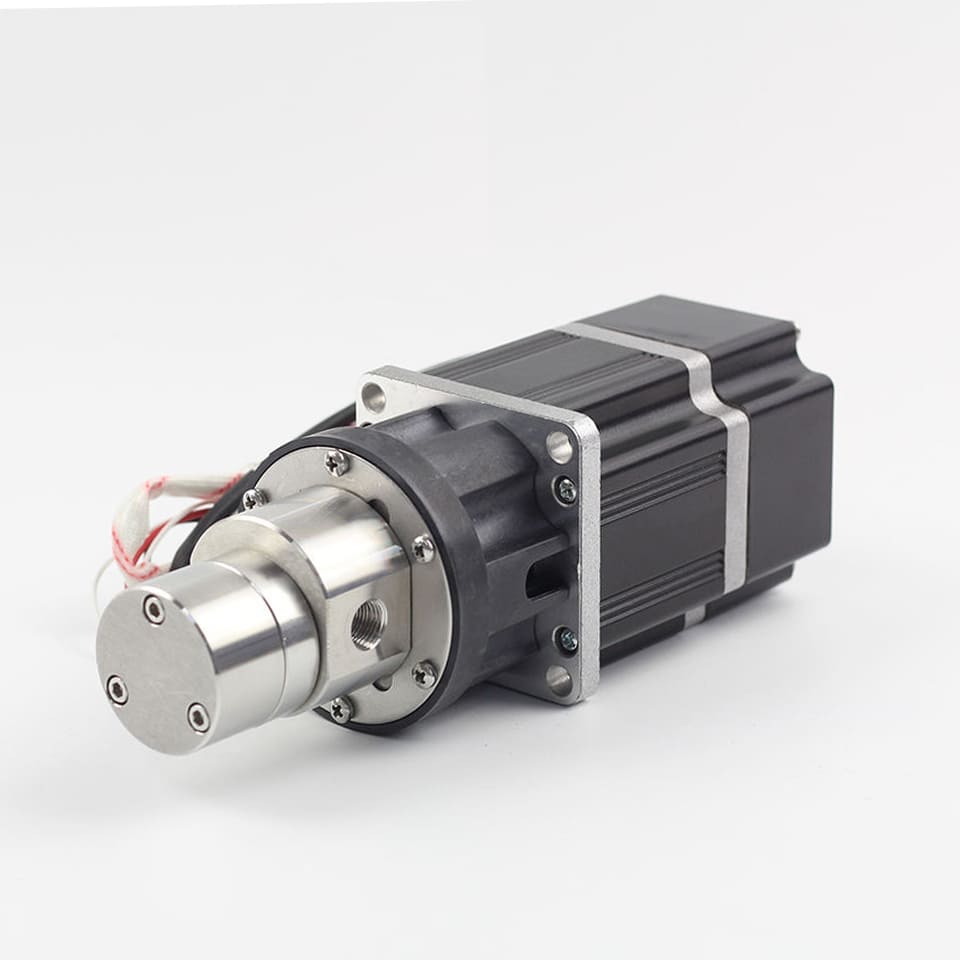
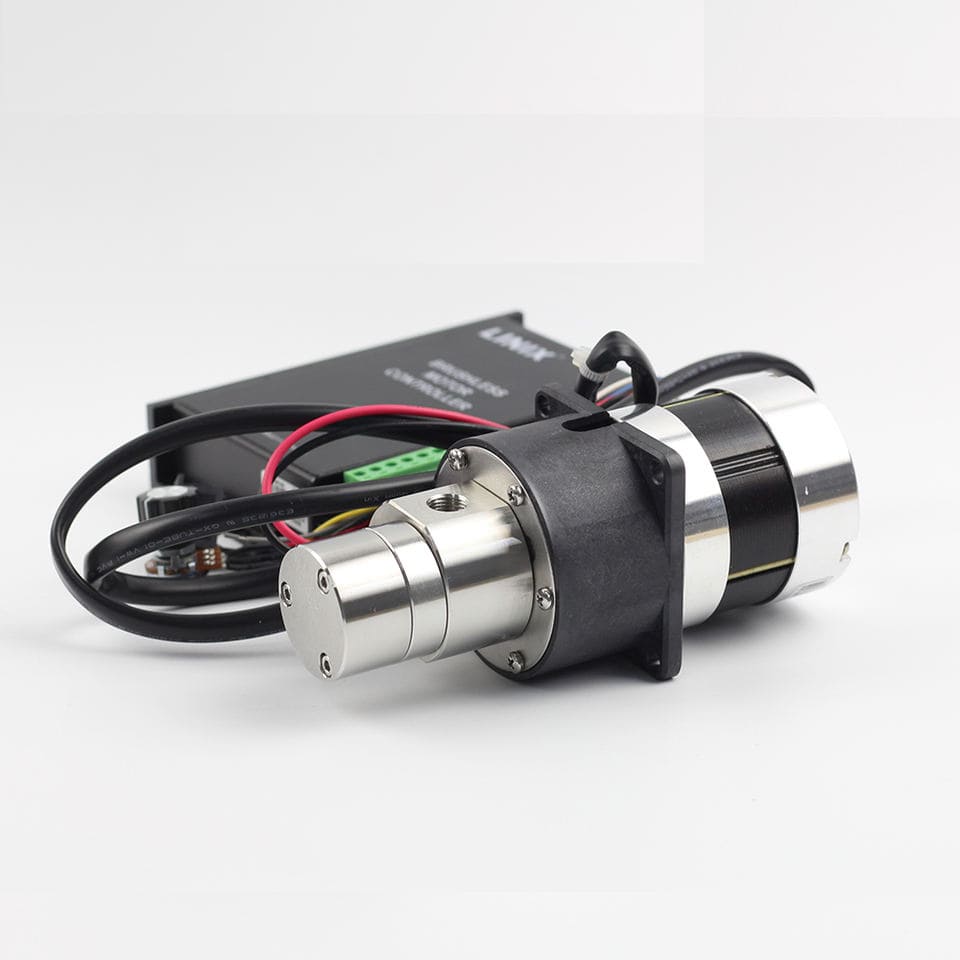
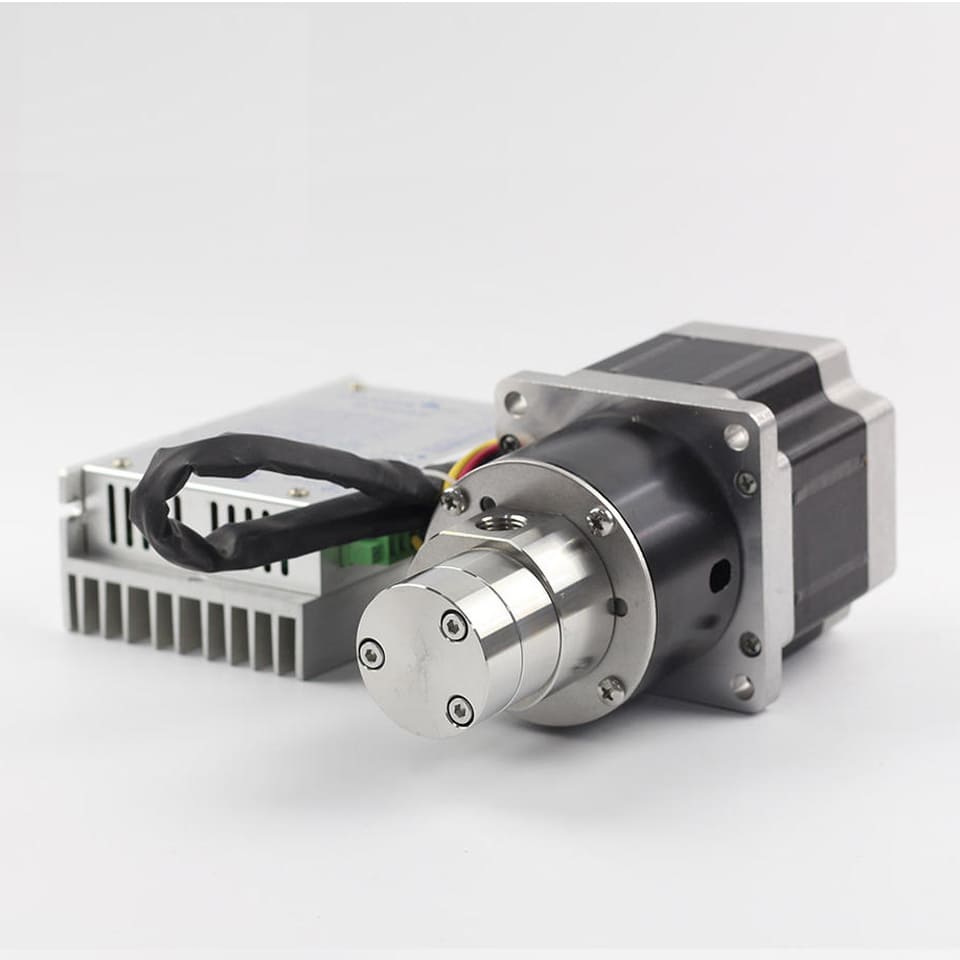
Magnetic Drive Gear Pumps: Designed for controlled fluid transfer in applications requiring a magnetic drive structure.
We offer standard pump models as well as customization options for specific OEM projects. If you are looking for a custom micro pump, our team can help evaluate your application and discuss suitable configurations based on the selected model and technical requirements.
Depending on the selected model and technical requirements, project discussions may cover flow rate, pressure, pump materials, motor configuration, voltage, connections, installation dimensions, wiring, and connectors.
Our support can begin with a basic application description and continue through model selection, technical evaluation, sample testing, and production planning.
Whether you already have detailed specifications or are still developing your equipment, our team can help evaluate the available options.
Frequently Asked Questions
1. What information is most important when requesting a custom micro pump quote?
The most important starting information is the pump application, working medium, required flow rate, pressure, and available power supply. Installation dimensions and connection details are also useful, especially for OEM equipment integration.
2. Can I request a custom micro pump without technical drawings?
Yes. Technical drawings are helpful but not always necessary at the initial inquiry stage. You can start with an application description, equipment photos, reference pump information, or preliminary requirements. The manufacturer can help identify the additional information needed for evaluation.
3. Can a manufacturer customize flow rate, pressure, voltage, and materials?
Customization possibilities depend on the pump model and the technical requirements. Flow rate, pressure, voltage, materials, connections, and installation dimensions may be evaluated as part of an OEM project. The manufacturer should confirm feasibility before finalizing the design and quotation.
4. How do I choose between a centrifugal pump, diaphragm pump, and gear pump?
The choice depends mainly on the working medium, required performance, and system design.
A centrifugal pump is commonly considered for liquid circulation and transfer. A diaphragm pump can be used for liquid, air, or vacuum applications, depending on its design. A magnetic drive gear pump may be suitable for controlled fluid transfer where its operating characteristics match the application.
The final selection should be based on the actual operating conditions rather than the pump type alone.
5. Can I receive samples before placing a bulk order?
Sample availability and arrangements depend on the selected model and project requirements. For OEM development, sample testing is a useful step to verify pump performance and compatibility with the equipment before moving to mass production.
Request a Custom Micro Pump Solution
Looking for a micro pump for your equipment or developing a new OEM project?
You can send us your application details, target performance, available installation space, or any reference photos and drawings you have.
Even if your technical specifications are not complete, our team can help evaluate the requirements and discuss suitable pump options.
Contact JIGU to discuss your custom micro pump project and request a quotation.
Related Products
Reach Out Today
Looking for a micro pump manufacturer for your project? Contact JIGU Pump to discuss your application requirements and get a suitable pump recommendation and quotation.

Share Your Requirements
Share your application requirements, technical specifications, drawings, or reference images with our team.

Receive a Solution & Quotation
Our team will review your requirements and provide a suitable pump recommendation and quotation.

Confirm & Start Production
After sample approval and order confirmation, we proceed with production and arrange shipment according to the agreed schedule.