
How to Choose the Right Micro Pump for OEM Equipment
How to Choose the Right Micro Pump for OEM Equipment
Micro Pump Selection is an important part of designing reliable OEM equipment. Whether your application involves liquid circulation, fluid transfer, air handling or precise fluid delivery, the pump must match the actual operating conditions and the requirements of the equipment.
However, choosing a micro pump is not simply a matter of comparing flow rates or selecting a model with the right voltage. Different pump types operate in different ways, and their performance depends on factors such as fluid properties, working pressure, operating cycles and installation conditions.
A systematic micro pump selection process helps OEM manufacturers avoid mismatches between pump performance and equipment requirements.
For equipment manufacturers, the right selection process starts with understanding the application, identifying the required pumping function and evaluating the technical requirements.
This guide explains how to choose a suitable micro pump for OEM equipment, including the differences between centrifugal, diaphragm and magnetic drive gear pumps, the key parameters to check and the factors to consider before finalizing a pump solution.
1. Micro Pump Selection Starts with Your Application
Before comparing pump specifications, identify what the pump needs to do in your equipment. The application and required pumping function will help narrow down the suitable pump types.
Liquid Transfer and Circulation
If your equipment needs to move or circulate water or another compatible liquid, a micro centrifugal pump may be a suitable option.
Common applications include:
Water circulation in compact cooling systems
Liquid circulation in beverage and household appliances
Water transfer in small equipment
Cooling and fluid circulation in electronic devices
For these applications, the required flow rate, system resistance, liquid properties and operating conditions should be considered together.
Depending on the application and model specifications, other pump types may also be suitable.
Air Transfer and Vacuum Applications
Some equipment requires air movement rather than liquid transfer.
Examples include:
Medical and healthcare equipment
Laboratory and analytical instruments
Gas sampling systems
Compact vacuum equipment
Micro diaphragm pumps are commonly used in these applications because their reciprocating diaphragm mechanism can be designed for air transfer, vacuum generation or gas handling.
The required flow rate, vacuum level, operating pressure and gas compatibility should be checked during selection.
Controlled Fluid Transfer and Dosing
Certain OEM applications require controlled liquid delivery or consistent fluid transfer.
Examples include:
Analytical and testing equipment
Laboratory instruments
Chemical fluid handling systems
Ink and other specialized liquid delivery equipment
A magnetic drive gear pump may be considered when the application requires controlled liquid transfer and the fluid is compatible with the pump’s internal materials and operating range.
The selection should take into account viscosity, required flow rate, pressure, fluid characteristics and the operating conditions.
2. Understand the Differences Between Micro Pump Types
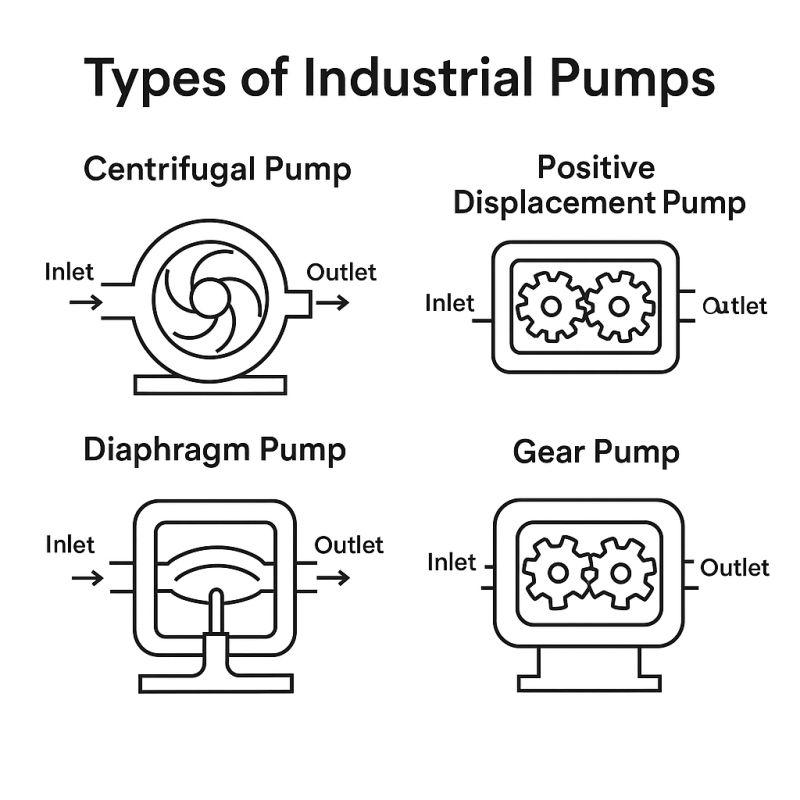
Once the pumping function is clear, the next step is to compare the available pump technologies.
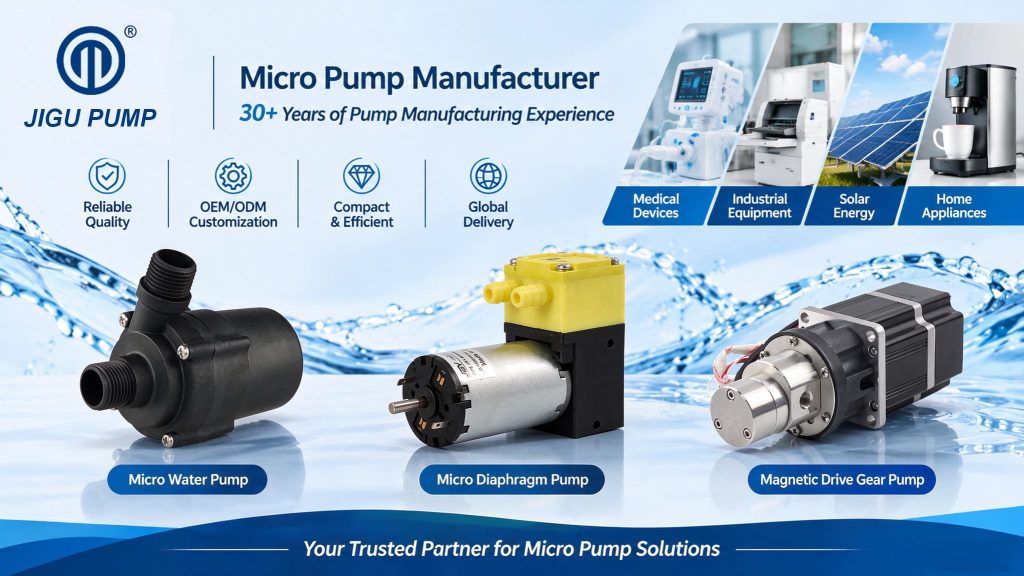
JIGU manufactures three main types of micro pumps: micro centrifugal water pumps, micro diaphragm pumps and magnetic drive gear pumps. Each has a different working principle and is designed for different operating requirements.
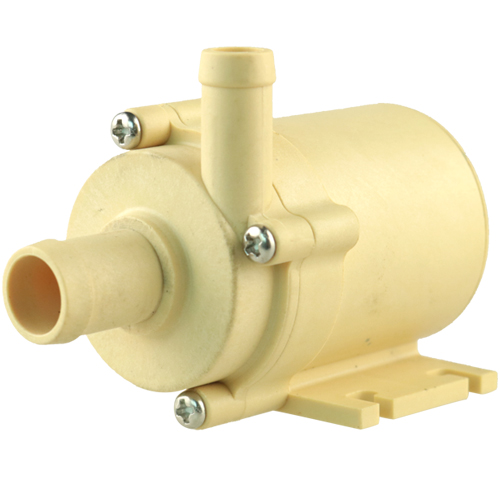
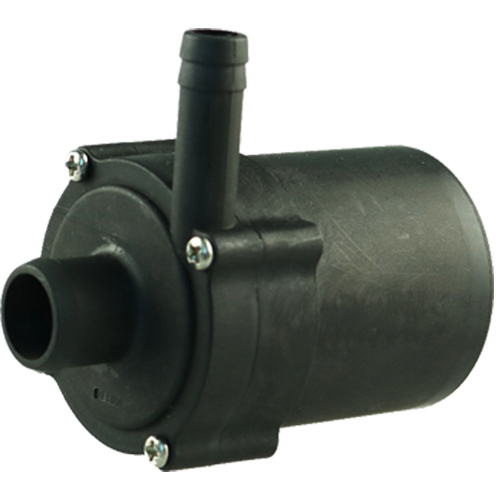
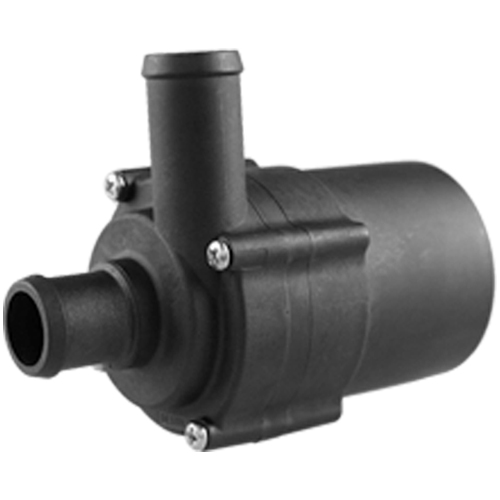
Micro Centrifugal Water Pumps
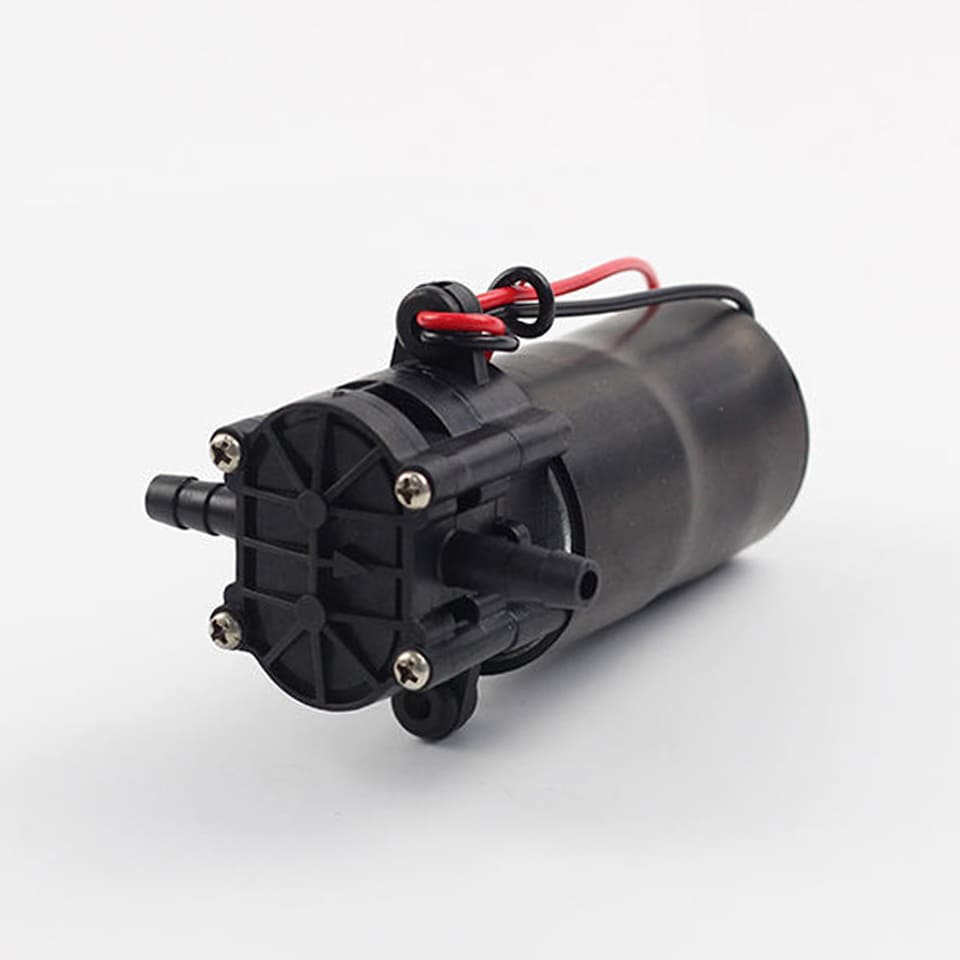
A centrifugal pump uses a rotating impeller to transfer energy to the liquid, producing flow and pressure.
Micro centrifugal water pumps are commonly used for liquid circulation and transfer in compact equipment.
Typical applications include:
Water circulation systems
Cooling equipment
Beverage and household appliances
Compact liquid circulation devices
When selecting a centrifugal pump, pay attention to:
Required flow rate
Total system head and resistance
Liquid temperature and properties
Continuous or intermittent operation
Installation space and connection requirements
A centrifugal pump’s actual operating point depends on the relationship between its performance curve and the system resistance. Therefore, the maximum flow rate shown in a product specification should not be treated as the flow rate available under every operating condition.
Explore JIGU’s Micro Centrifugal Water Pump solutions.
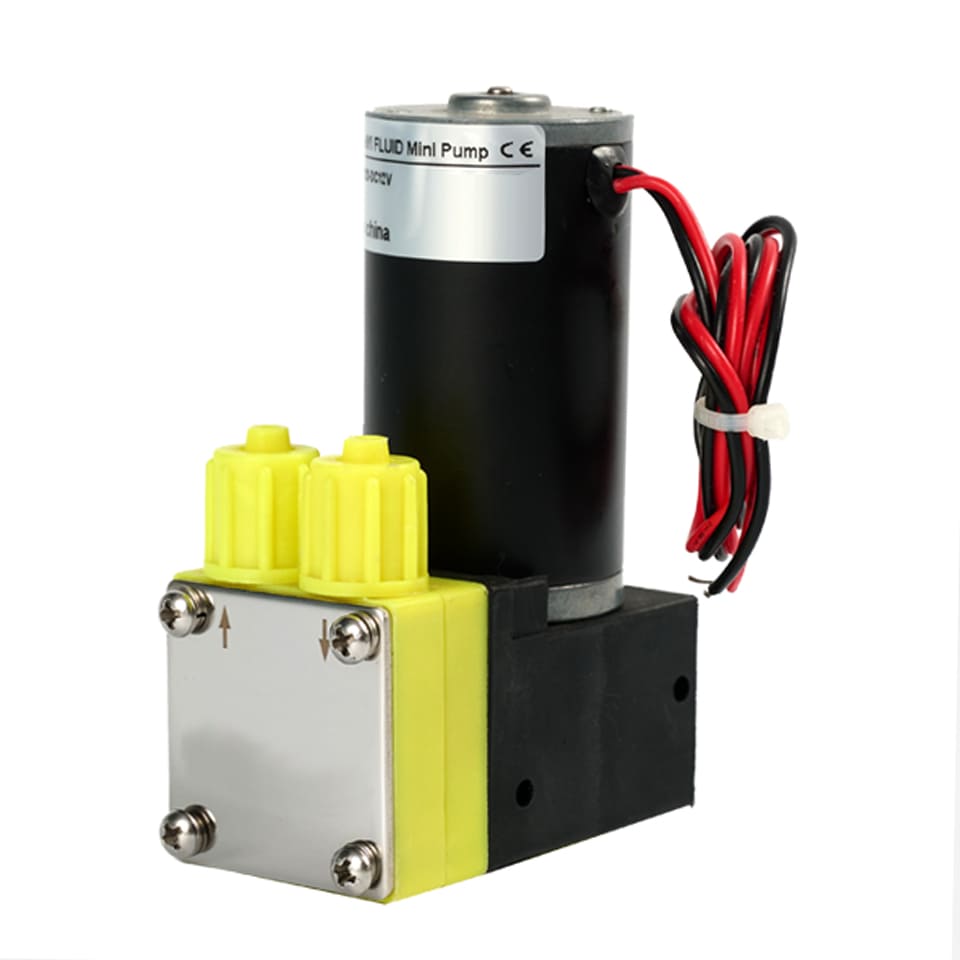
Micro Diaphragm Pumps
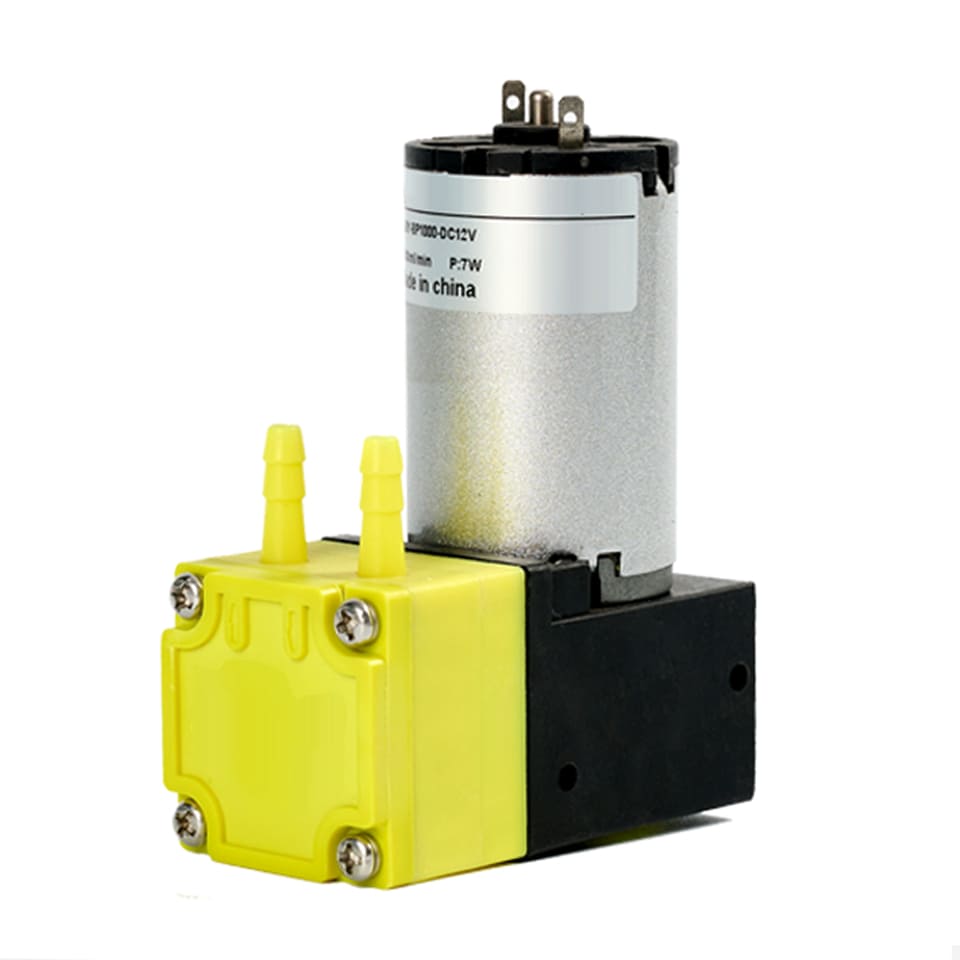
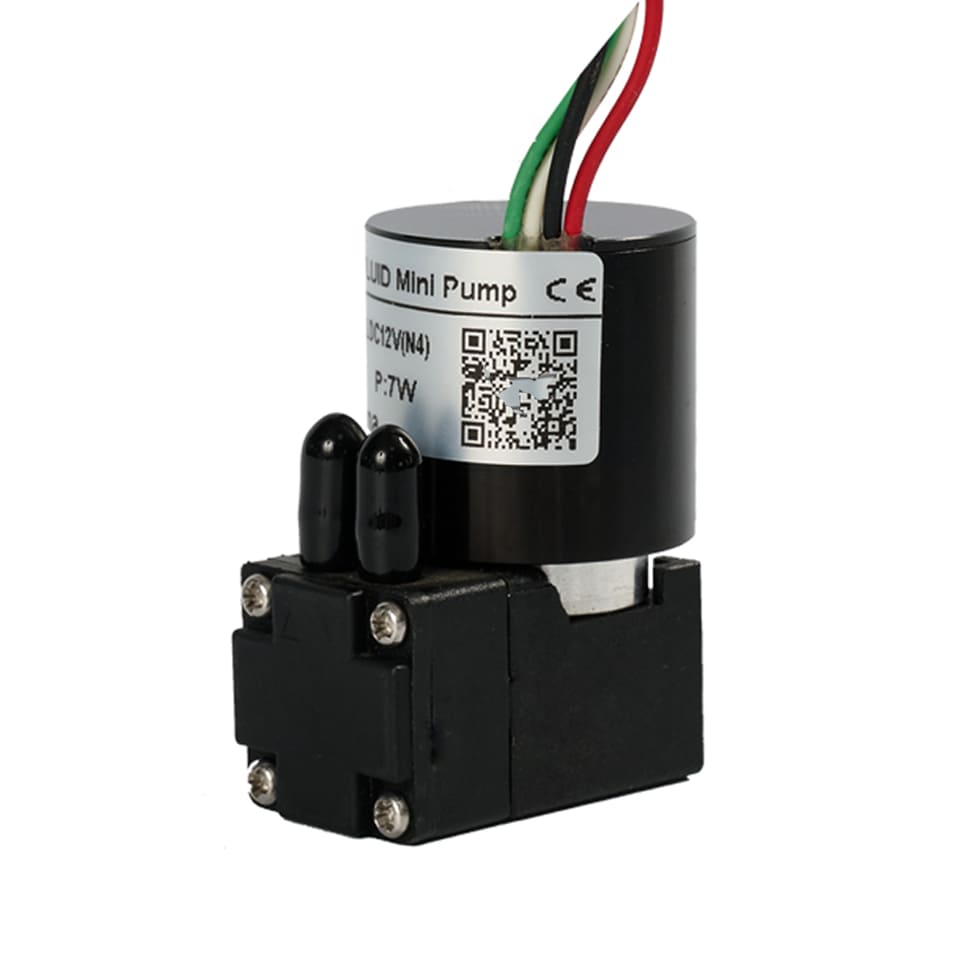
A diaphragm pump uses the reciprocating movement of a flexible diaphragm to move fluid. Depending on its design, it can be used for liquid transfer, air handling or vacuum applications.
Micro diaphragm pumps are commonly considered for:
Medical and healthcare equipment
Laboratory and analytical instruments
Liquid transfer systems
Air sampling and gas handling equipment
Compact vacuum applications
Important selection factors include:
Required flow rate
Working pressure or vacuum level
Fluid or gas characteristics
Diaphragm and valve material compatibility
Operating cycle and service life requirements
For OEM equipment, the pump configuration should match the actual application. A liquid diaphragm pump and an air diaphragm pump may have different internal designs and performance characteristics, even though they share the same basic pumping principle.
Explore JIGU’s Micro Diaphragm Pump solutions.
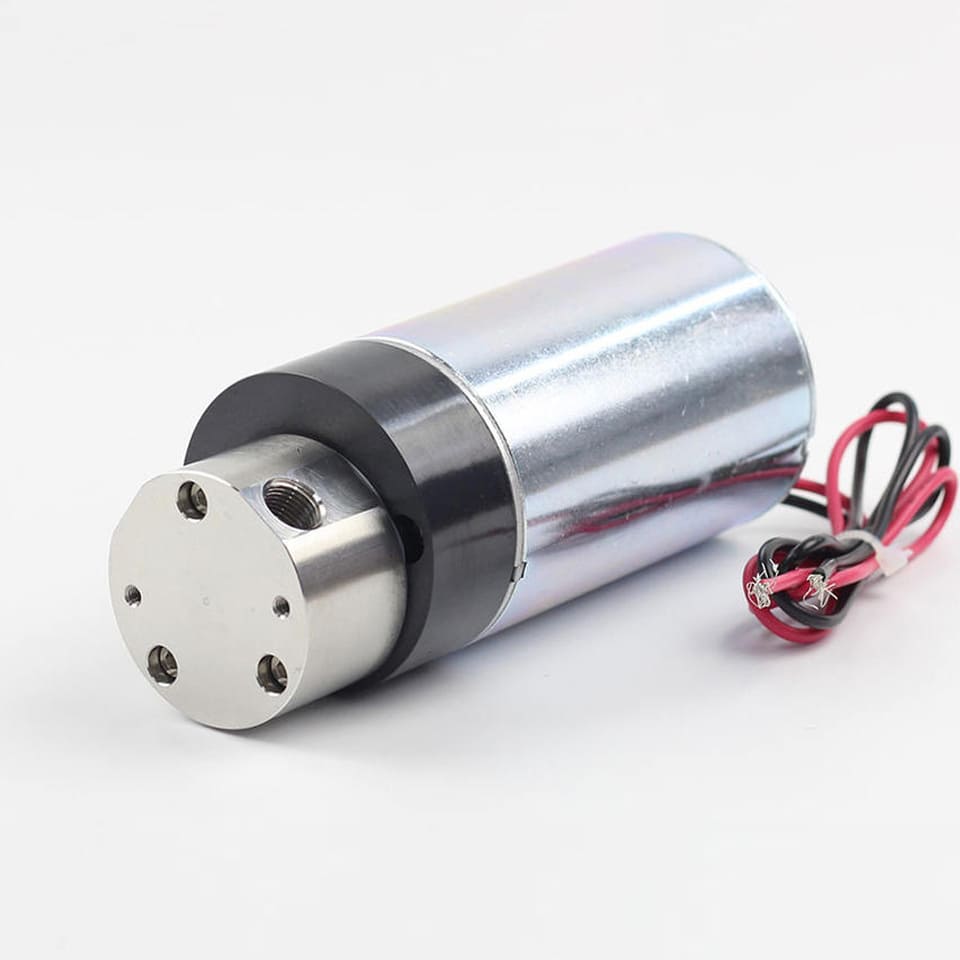
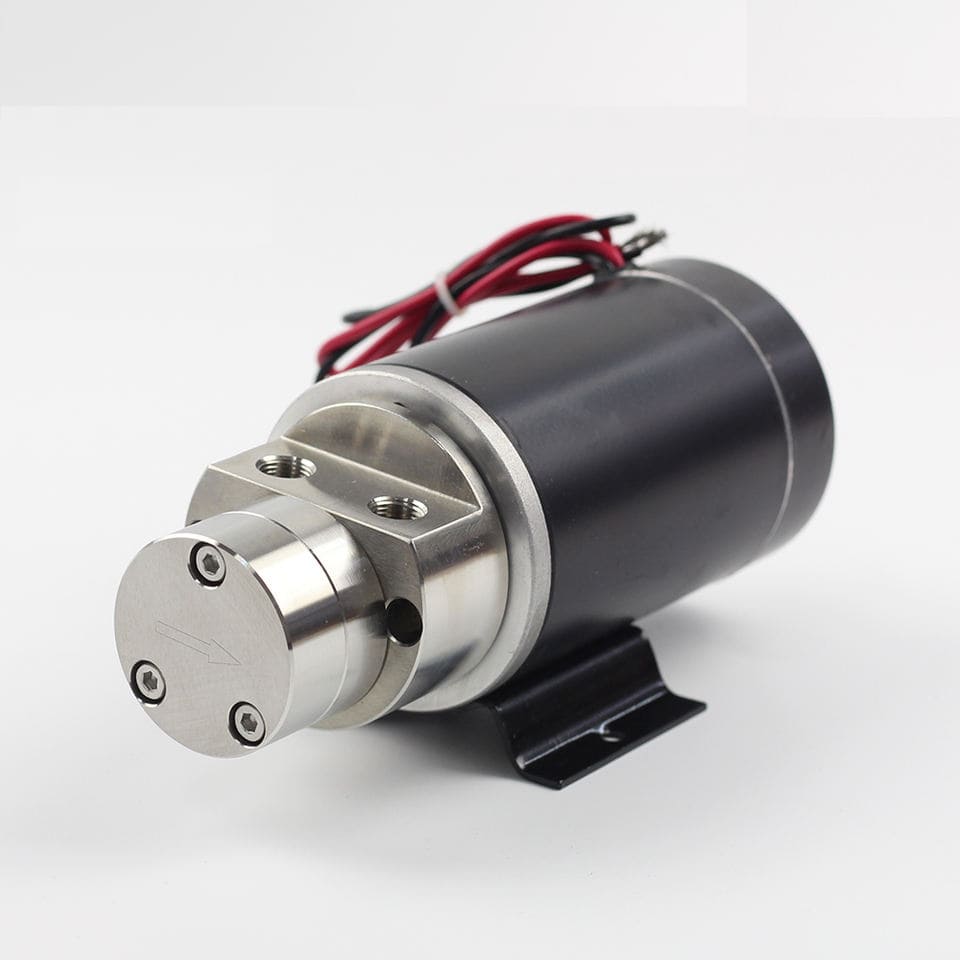
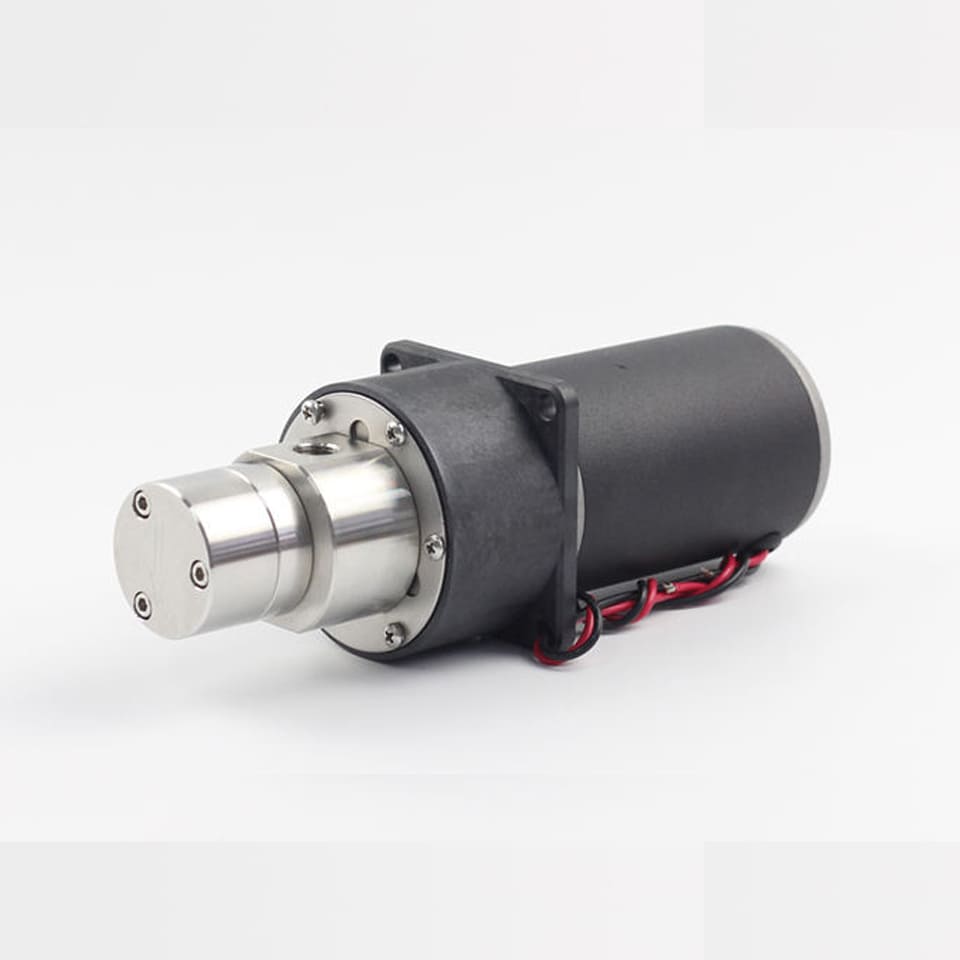
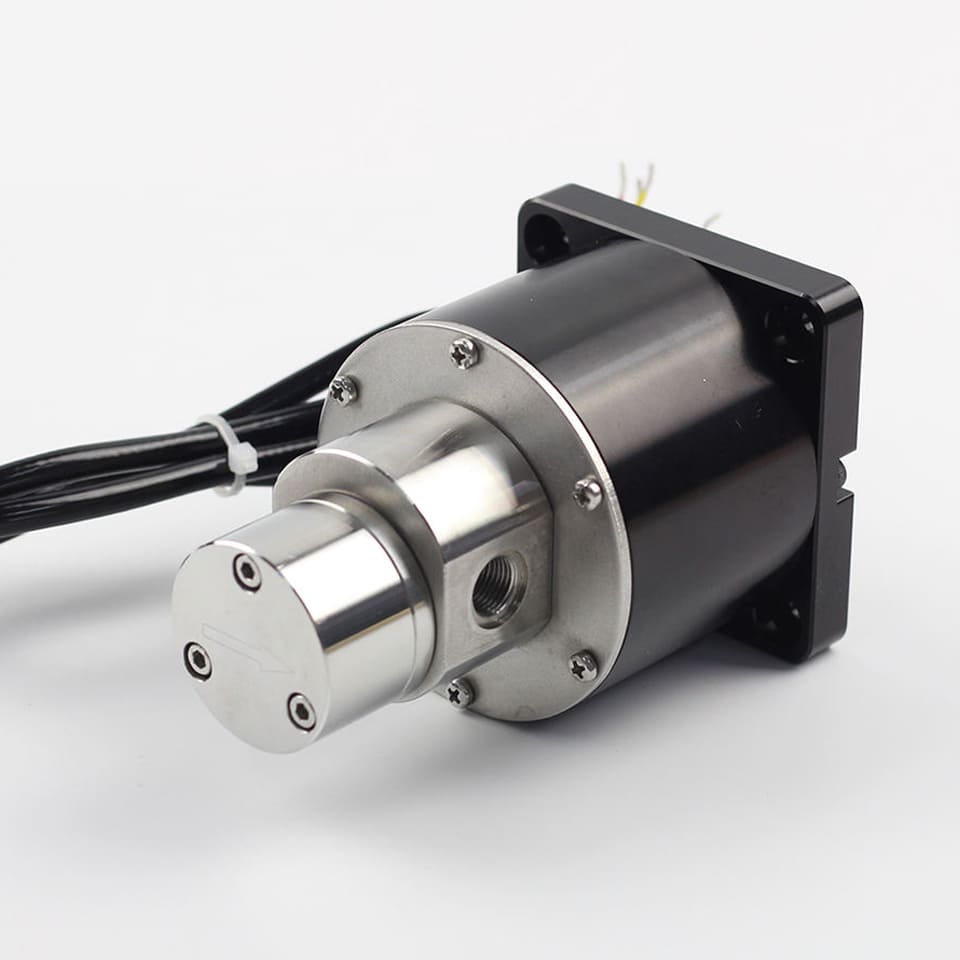
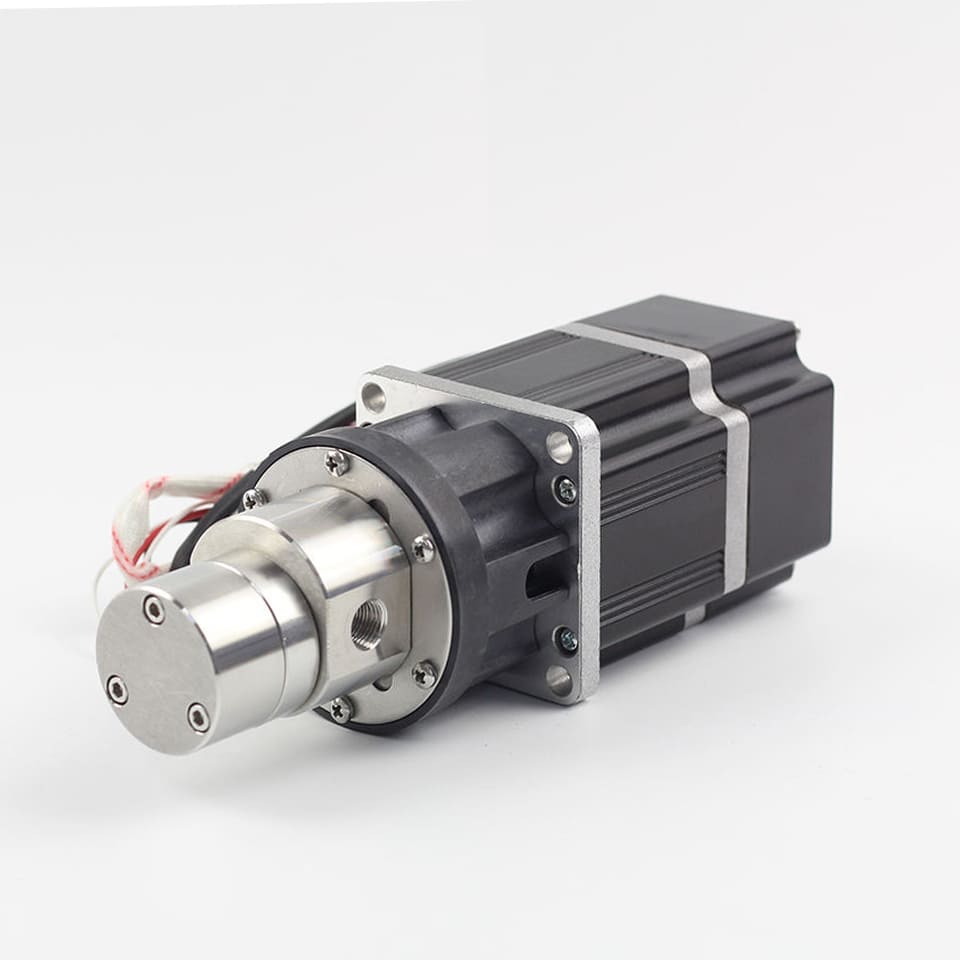
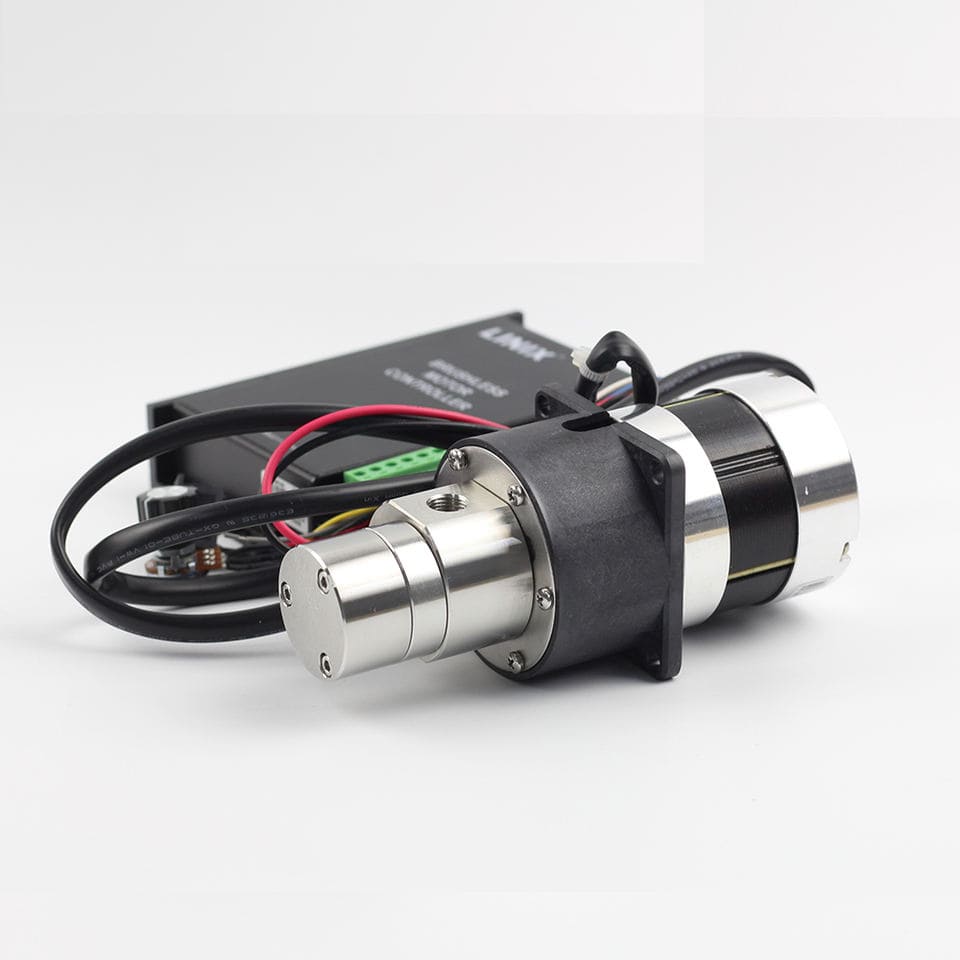
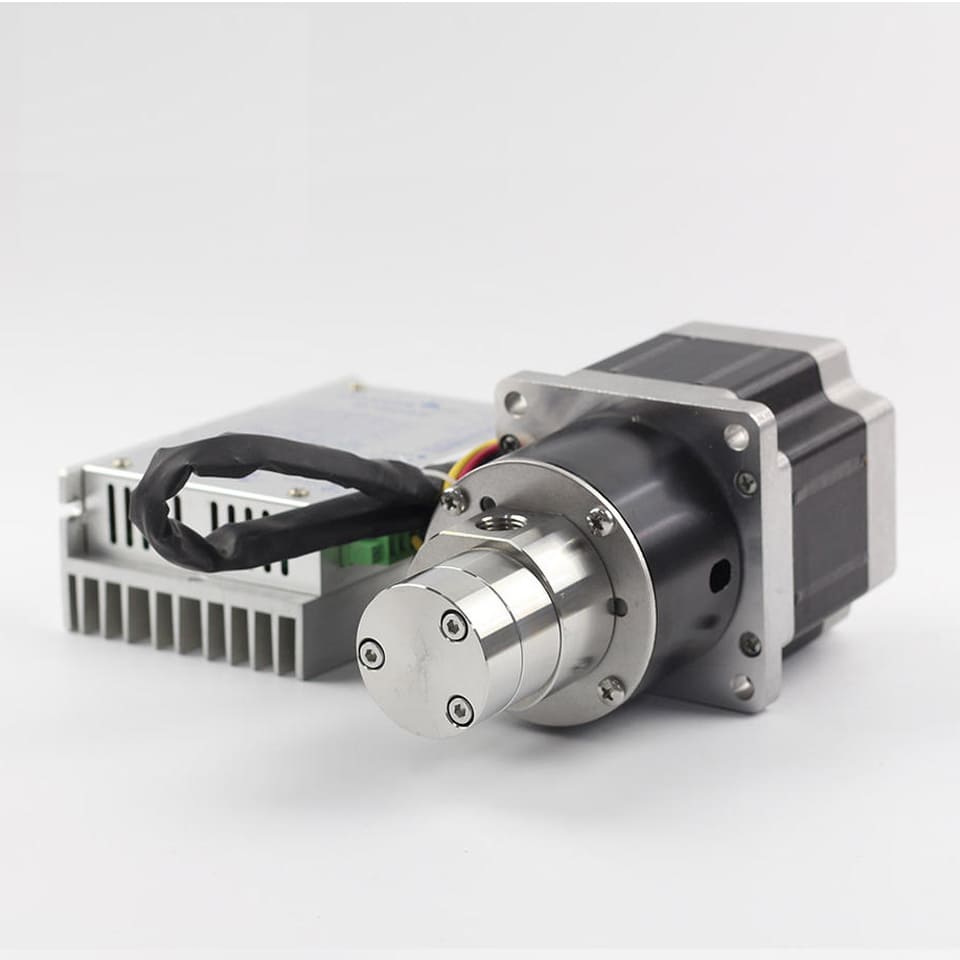
Magnetic Drive Gear Pumps
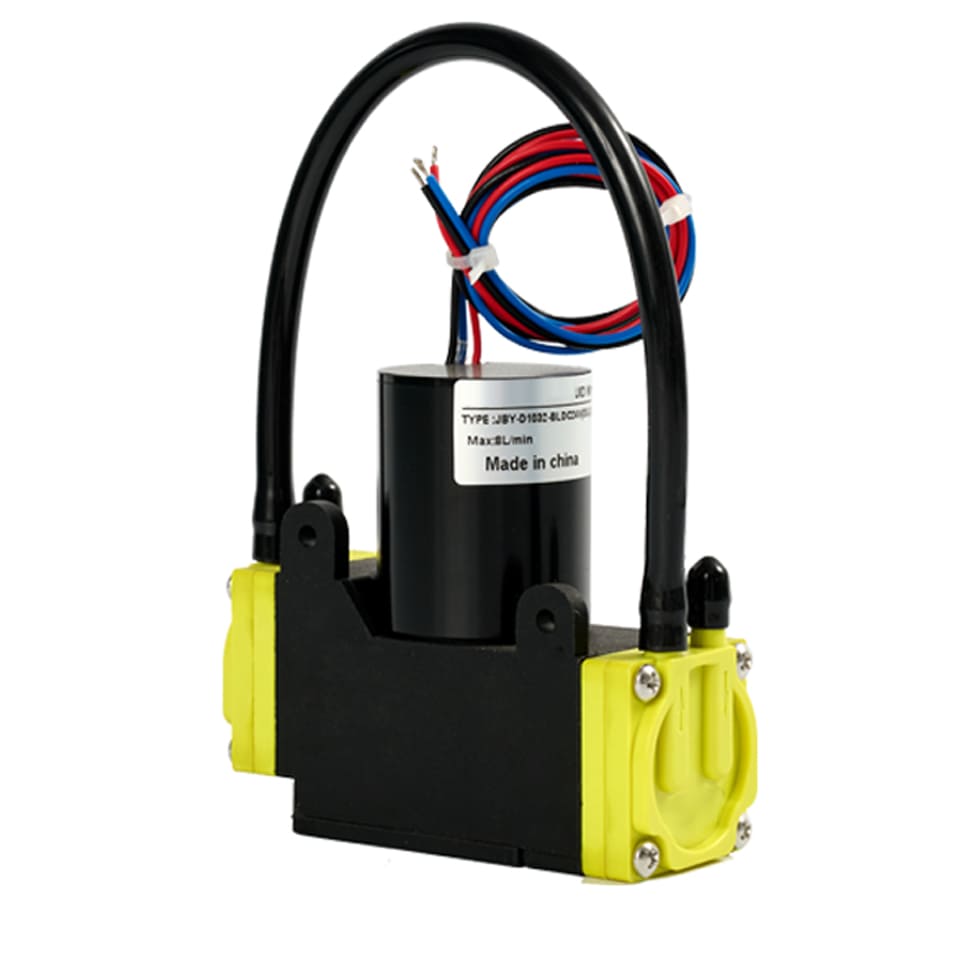
A gear pump transfers liquid through the movement of meshing gears. In a magnetic drive design, magnetic coupling transmits torque from the motor to the pump mechanism without a conventional rotating shaft seal between them.
This design eliminates the need for a conventional dynamic shaft seal between the motor and the pump chamber, helping reduce potential leakage paths.
Magnetic drive gear pumps may be suitable for applications requiring controlled liquid transfer, depending on the fluid and operating conditions.
Typical application areas include:
Chemical fluid handling
Analytical and laboratory equipment
Ink and specialized liquid delivery
Industrial fluid transfer systems
Important selection factors include:
Required flow rate
Operating pressure
Fluid viscosity
Chemical compatibility
Temperature range
Operating speed and control requirements
The suitability of a gear pump depends on the specific model and fluid properties. Viscosity alone is not enough to determine whether a particular pump is suitable.
Explore JIGU’s Magnetic Drive Gear Pump solutions.
Quick Comparison of the Three Pump Types
| Comparison | Centrifugal Pump | Diaphragm Pump | Magnetic Drive Gear Pump |
| Working principle | Rotating impeller | Reciprocating diaphragm | Meshing gears |
| Common functions | Liquid circulation and transfer | Liquid, air or vacuum handling | Controlled liquid transfer |
| Key parameters | Flow rate and system head | Flow, pressure or vacuum | Flow, pressure and viscosity |
| Main considerations | System resistance and fluid properties | Fluid or gas compatibility and operating cycle | Fluid compatibility and operating conditions |
This comparison is intended as an initial selection reference. The actual capabilities and suitable applications must be confirmed against the specifications of the individual pump model.
The best choice in micro pump selection depends on the required pumping function, fluid properties and operating conditions rather than the pump type alone.
3. Check the Key Operating Parameters
After identifying the potential pump type, evaluate the operating parameters. These details help determine whether a particular model can meet the requirements of your equipment.
Required Flow Rate
Flow rate is one of the first parameters to confirm.
Consider the following questions:
What flow rate does the equipment require?
Is the flow rate fixed or adjustable?
Does the required flow change during operation?
Is the target flow rate measured at a specific pressure or operating condition?
It is important to evaluate the required flow at the actual working point rather than relying only on the maximum flow rate in a catalog.
For adjustable applications, the required speed range and control method should also be considered.
Working Pressure and System Resistance
Pressure requirements should be evaluated together with the complete fluid system.
For example, the pump may need to overcome resistance from:
Tubing and pipe connections
Filters and valves
Heat exchangers
Other components in the fluid circuit
Differences in installation height
For centrifugal pumps, the relationship between flow rate and total head is particularly important.
For centrifugal pumps, the pump performance curve should be compared with the system curve to identify the actual operating point.
For positive displacement pumps, including diaphragm and gear pumps, the operating pressure must remain within the specific model’s rated limits. The system may also require suitable pressure protection.
It is important to distinguish between the pressure required by the equipment and the maximum pressure a pump can produce. They are not necessarily the same.
Fluid Properties and Material Compatibility
The working medium directly affects pump selection and material requirements.
Before choosing a pump, identify:
The type of liquid or gas
Fluid viscosity
Chemical properties
Operating temperature
Whether the medium contains particles or suspended solids
Whether the fluid may react with wetted materials
For liquid applications, the pump body, gears, diaphragm, valves, seals and other wetted components must be compatible with the medium.
If the application involves aggressive chemicals, special fluids or unusual operating conditions, material compatibility should be evaluated before confirming the model.
Temperature and Operating Cycle
The operating environment also affects pump performance and service life.
Confirm:
Minimum and maximum operating temperatures
Continuous or intermittent operation
Operating hours per day
Start-stop frequency
Expected service life
Ambient conditions around the pump
A pump designed for intermittent operation may not be suitable for continuous operation without further evaluation.
For OEM equipment, the expected operating cycle should be communicated early in the selection process.
3. Check the Key Operating Parameters
After identifying the potential pump type, evaluate the operating parameters. These details help determine whether a particular model can meet the requirements of your equipment.
Required Flow Rate
Flow rate is one of the first parameters to confirm.
Consider the following questions:
What flow rate does the equipment require?
Is the flow rate fixed or adjustable?
Does the required flow change during operation?
Is the target flow rate measured at a specific pressure or operating condition?
It is important to evaluate the required flow at the actual working point rather than relying only on the maximum flow rate in a catalog.
For adjustable applications, the required speed range and control method should also be considered.
Working Pressure and System Resistance
Pressure requirements should be evaluated together with the complete fluid system.
For example, the pump may need to overcome resistance from:
Tubing and pipe connections
Filters and valves
Heat exchangers
Other components in the fluid circuit
Differences in installation height
For centrifugal pumps, the pump performance curve should be compared with the system curve to identify the actual operating point. This helps determine the flow rate the pump can deliver under the resistance of the complete system.
For other pump types, the relationship between flow rate, pressure and operating speed should also be evaluated according to the specific model.
For positive displacement pumps, including diaphragm and gear pumps, the operating pressure must remain within the specific model’s rated limits. The system may also require suitable pressure protection.
It is important to distinguish between the pressure required by the equipment and the maximum pressure a pump can produce. They are not necessarily the same.
Fluid Properties and Material Compatibility
The working medium directly affects pump selection and material requirements.
Before choosing a pump, identify:
The type of liquid or gas
Fluid viscosity
Chemical properties
Operating temperature
Whether the medium contains particles or suspended solids
Whether the fluid may react with wetted materials
For liquid applications, the pump body, gears, diaphragm, valves, seals and other wetted components must be compatible with the medium.
If the application involves aggressive chemicals, special fluids or unusual operating conditions, material compatibility should be evaluated before confirming the model.
Temperature and Operating Cycle
The operating environment also affects pump performance and service life.
Confirm:
Minimum and maximum operating temperatures
Continuous or intermittent operation
Operating hours per day
Start-stop frequency
Expected service life
Ambient conditions around the pump
A pump designed for intermittent operation may not be suitable for continuous operation without further evaluation.
For OEM equipment, the expected operating cycle should be communicated early in the selection process.
Pump Inlet Conditions
The conditions at the pump inlet can affect its performance and reliability, particularly in liquid transfer and circulation systems.
During pump selection, consider:
Whether the liquid is supplied directly or drawn from a reservoir
The distance and height between the liquid source and the pump
Inlet tubing diameter and length
Restrictions caused by filters, valves or other components
Whether the pump inlet can remain adequately supplied with liquid
For centrifugal pumps, insufficient inlet pressure or excessive suction resistance may affect flow performance and increase the risk of cavitation.
The inlet arrangement should therefore be evaluated as part of the complete fluid system, rather than considering the pump outlet performance alone.
4. Consider Equipment Integration Requirements
A pump may meet the required flow and pressure but still be unsuitable if it cannot fit into the equipment or connect properly to the existing system.
For OEM projects, mechanical and electrical integration should be considered alongside hydraulic performance.
Pump Dimensions and Installation Space
Check the available installation space and the pump’s overall dimensions.
Important details include:
Overall length, width and height
Mounting holes and fixing points
Installation orientation
Space for tubing and electrical connections
Accessibility for maintenance or replacement
If the equipment has limited internal space, a dimensional drawing or sample evaluation can help confirm whether the pump fits the design.
Inlet and Outlet Connections
The pump connections must match the equipment’s fluid circuit.
Confirm:
Inlet and outlet sizes
Threaded or hose connections
Connection orientation
Required tubing dimensions
Installation and sealing requirements
Even a small difference in connection dimensions can create problems during equipment assembly, so these details should be checked before mass production.
Voltage, Motor and Control Options
The motor and control configuration must match the equipment’s electrical system.
Common considerations include:
Available supply voltage
Brushed or brushless DC motor
Required operating speed
Speed adjustment requirements
PWM or other control signals, where supported
Starting and stopping requirements
Brushless DC motors may offer advantages in service life and electronic speed control, depending on the motor and drive design.
However, the appropriate motor configuration should be selected according to the actual operating requirements rather than assuming that one motor type is always better.
For JIGU’s product range, micro centrifugal water pumps use brushless motors, while micro diaphragm pumps and magnetic drive gear pumps can be supplied with brushed or brushless motor options, depending on the model and project requirements.
Noise, Vibration and Operating Environment
Noise and vibration can be important in medical, laboratory, household and other noise-sensitive equipment.
Other environmental factors may include:
Ambient temperature
Humidity and moisture exposure
Dust or contamination
Installation orientation
Mechanical vibration from the surrounding equipment
These factors should be considered during sample testing, particularly when the pump operates inside a finished product.
5. Validate Pump Performance Before Finalizing Your Selection
Product specifications are an important starting point, but actual testing is necessary to confirm whether a pump works properly in the intended equipment.
A practical validation process may include the following steps:
Initial model selection: Identify one or more potential pump models based on the application and required parameters.
Performance evaluation: Check flow rate, pressure, vacuum level or other relevant performance indicators.
System testing: Install the pump in the actual or simulated equipment fluid circuit.
Operating condition testing: Evaluate temperature, noise, vibration, start-stop behavior and continuous operation as required.
Configuration adjustment: If necessary, review the motor, materials, connections or other design details.
Sample approval: Confirm that the selected configuration meets the equipment’s requirements before proceeding to mass production.
Testing under realistic operating conditions is particularly important because the performance of a pump can change when integrated into a complete system.
6. Common Mistakes When Selecting a Micro Pump
Some selection mistakes can lead to poor performance, unnecessary redesign or delays in OEM development.
Choosing a Pump Based Only on Maximum Flow Rate
The maximum flow rate does not necessarily represent the flow available under the actual operating pressure or system resistance.
Always evaluate the required working point.
Ignoring System Pressure and Resistance
A pump may appear suitable based on its catalog specifications but fail to meet the system’s requirements once tubing, filters, valves and other components are connected.
Overlooking Fluid Compatibility
The pump may operate mechanically but still experience premature wear, corrosion or material degradation if the wetted materials are not compatible with the medium.
Not Checking Installation Dimensions
A pump that meets the performance requirements may still be difficult to integrate if the dimensions, mounting points or connections are incorrect.
Ignoring the Operating Cycle
Continuous operation, frequent starting and stopping, and long periods of inactivity can place different demands on the pump.
Assuming One Pump Type Fits Every Application
Centrifugal, diaphragm and gear pumps have different operating principles. Selecting a pump based only on its size or general product description can result in an unsuitable solution.
The correct choice should always be based on the complete application and the specifications of the actual model.
7. What If You Are Not Sure Which Micro Pump to Choose?
You do not need to have a complete technical specification before starting an OEM pump selection discussion.
If you are unsure which pump type is suitable, begin with the basic information about your equipment:
What does the equipment do?
What medium needs to be transferred?
What flow rate or pressure is required, if known?
What power supply is available?
How much installation space is available?
Does the pump need to operate continuously or intermittently?
If available, photos, drawings, existing pump specifications or a sample can also help clarify the requirements.
At JIGU, we manufacture micro centrifugal water pumps, micro diaphragm pumps and magnetic drive gear pumps for OEM equipment applications.
We can review your application and discuss a suitable pump type, model and configuration based on the actual requirements. Depending on the project, customization may also be evaluated for motor configuration, materials, connections, dimensions and other specifications.
If you are preparing an inquiry, you can also refer to our guide: What Information Is Needed for a Custom Micro Pump Quote?.
8. Frequently Asked Questions
How do I choose the right micro pump for my application?
Start by identifying the pumping function, working medium and required flow rate and pressure. Then evaluate the operating conditions, installation dimensions, electrical requirements and material compatibility. The final selection should be validated under realistic operating conditions.
What is the difference between a centrifugal pump and a diaphragm pump?
A centrifugal pump uses a rotating impeller to transfer energy to a liquid, while a diaphragm pump uses the reciprocating movement of a diaphragm to move fluid. They have different performance characteristics and application requirements, so the suitable type depends on the intended use.
When should I consider a micro gear pump?
A micro gear pump may be suitable when an application requires controlled liquid transfer and the fluid is compatible with the pump’s materials and operating range. Flow rate, pressure, viscosity and temperature should all be evaluated before selecting a model.
Can one micro pump handle different liquids?
Not necessarily. Different liquids may have different viscosities, chemical properties and compatibility requirements. A pump suitable for one medium may not be appropriate for another. The wetted materials and operating conditions should be checked for each application.
What information do I need before selecting an OEM micro pump?
Useful information includes the application, working medium, required flow rate, pressure, voltage, operating cycle, installation dimensions and connection requirements. If some parameters are not available, an application description, drawing or existing pump sample can still provide a useful starting point.
Can a micro pump be customized for my equipment?
Depending on the pump model and technical feasibility, customization may be possible for selected specifications such as motor configuration, materials, connections, dimensions and electrical requirements. The details should be reviewed and confirmed for each project.
9. Find the Right Micro Pump for Your OEM Equipment
Choosing the right micro pump requires more than matching a single specification. The pumping function, fluid properties, operating conditions and equipment integration requirements all need to be considered together.
Whether your project requires a micro centrifugal water pump, a micro diaphragm pump or a magnetic drive gear pump, selecting the right model starts with understanding the actual application.
Contact JIGU to discuss your OEM micro pump requirements. Share your equipment application, initial specifications or existing pump information, and our team can help evaluate a suitable solution.
Request a Custom Micro Pump Solution
Looking for a micro pump for your equipment or developing a new OEM project?
You can send us your application details, target performance, available installation space, or any reference photos and drawings you have.
Even if your technical specifications are not complete, our team can help evaluate the requirements and discuss suitable pump options.
Contact JIGU to discuss your custom micro pump project and request a quotation.
Related Products
Reach Out Today
Looking for a micro pump manufacturer for your project? Contact JIGU Pump to discuss your application requirements and get a suitable pump recommendation and quotation.

Share Your Requirements
Share your application requirements, technical specifications, drawings, or reference images with our team.

Receive a Solution & Quotation
Our team will review your requirements and provide a suitable pump recommendation and quotation.

Confirm & Start Production
After sample approval and order confirmation, we proceed with production and arrange shipment according to the agreed schedule.