
Micro Diaphragm Pump Applications: Liquid, Air and Vacuum
Micro Diaphragm Pump Applications: Liquid, Air and Vacuum
Micro diaphragm pumps are widely used in compact equipment where controlled liquid transfer, air movement or vacuum generation is required. Their relatively simple pumping mechanism and flexible configuration make them suitable for integration into different types of OEM equipment.
However, not all micro diaphragm pumps are designed for the same purpose. Depending on the pumped medium and pump configuration, they can be developed for liquid transfer or gas handling. Gas diaphragm pumps can also be configured for positive-pressure or vacuum applications.
Understanding these differences helps equipment manufacturers identify the right pump type before selecting a specific model.
In this guide, we explore common micro diaphragm pump applications, explain the differences between liquid and gas configurations, and discuss the key factors to consider when integrating a diaphragm pump into OEM equipment.
Understanding Micro Diaphragm Pump Applications
A micro diaphragm pump uses the reciprocating movement of a flexible diaphragm to change the volume inside a pumping chamber. As the chamber volume increases and decreases, fluid or gas is drawn into the chamber and discharged through the corresponding inlet and outlet passages.
The basic pumping principle is similar for liquid and gas diaphragm pumps. However, the pump head, valves, sealing arrangements and material configurations may differ according to the medium and operating requirements.
For this reason, micro diaphragm pumps are generally developed in two main configurations:
Liquid diaphragm pumps: Designed to transfer liquids in equipment requiring controlled fluid delivery, circulation or suction.
Gas diaphragm pumps: Designed to move air or other compatible gases, with configurations for positive-pressure supply or vacuum generation.
The following sections explain where these two types of pumps are commonly used.
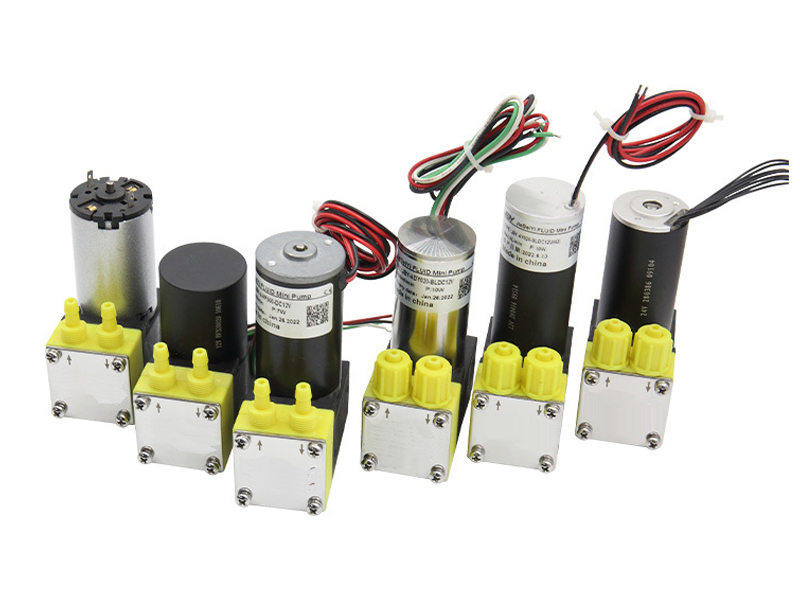
Micro Liquid Diaphragm Pump Applications
Micro liquid diaphragm pumps are used in equipment that requires compact and controlled liquid transfer. They can be integrated into systems for supplying, transferring or drawing liquids, depending on the pump model and operating conditions.
Typical applications include medical and healthcare equipment, laboratory instruments, cleaning appliances and various industrial systems.
Medical and Healthcare Equipment
Medical and healthcare equipment often requires compact fluid handling components that can operate reliably within limited installation space.
Micro liquid diaphragm pumps may be considered for applications involving:
Liquid supply in compact medical equipment
Fluid transfer in healthcare devices
Cleaning and rinsing functions
Water or liquid circulation in supporting equipment
The pump must be selected according to the liquid being handled, required flow rate, working pressure, material compatibility and operating cycle.
For medical equipment manufacturers, additional requirements may include noise control, product consistency, electrical safety and applicable regulatory standards. The suitability of a pump for a specific medical application must be evaluated against the equipment’s design and compliance requirements.
Laboratory and Analytical Instruments
Laboratory and analytical equipment often needs to move small amounts of liquid through compact fluid paths.
Micro diaphragm pumps may be used in applications such as:
Liquid sampling and transfer
Reagent or cleaning-solution delivery
Sample preparation equipment
Compact analytical instruments
Liquid handling modules
In these applications, flow stability and compatibility with the working medium are important considerations.
The liquid’s chemical properties should be checked before selecting the pump head, diaphragm and valve materials. If the liquid contains particles, has unusual viscosity or may react with wetted materials, these conditions should also be evaluated.
Cleaning and Household Appliances
Compact cleaning and household appliances may require small pumps to deliver water or cleaning solutions to different parts of the equipment.
Potential applications include:
Water supply in compact cleaning equipment
Detergent or cleaning-solution delivery
Liquid transfer in household appliances
Rinsing and washing functions
The required flow rate, pressure and operating duration can vary significantly between equipment designs.
For example, a pump used for intermittent liquid delivery may have different operating requirements from one that runs continuously during a cleaning cycle. Equipment manufacturers should therefore evaluate the actual duty cycle rather than selecting a pump based only on its maximum flow rate.
Industrial Liquid Transfer Systems
Micro liquid diaphragm pumps can also be integrated into compact industrial equipment where a relatively small volume of liquid needs to be transferred.
Examples include:
Small-scale liquid dispensing systems
Compact process equipment
Cooling or auxiliary liquid supply systems
Industrial cleaning and maintenance equipment
Fluid handling modules
The suitability of a diaphragm pump depends on the specific liquid, flow and pressure requirements, operating environment and installation conditions.
For applications involving aggressive chemicals, solvents or other special liquids, material compatibility must be confirmed before selecting a pump.
Micro Air Diaphragm Pump Applications
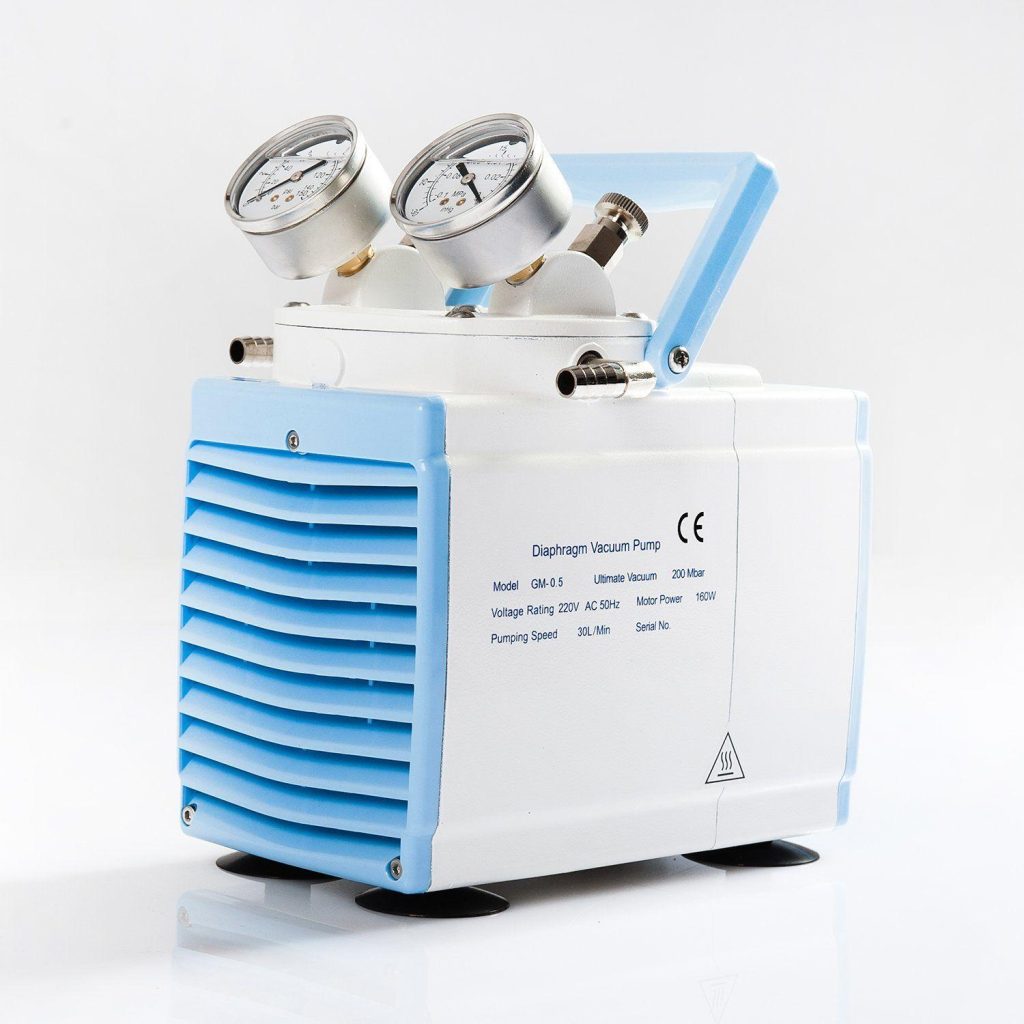
Micro air diaphragm pumps are designed to move air or other compatible gases. Depending on their configuration, they can supply pressurized air or generate negative pressure for suction and vacuum applications.
Their compact design makes them suitable for integration into equipment where a separate air supply or large vacuum system is impractical.
Air Supply and Positive-Pressure Applications
A gas diaphragm pump can operate as a compact air compressor, supplying air to an equipment system.
Typical applications include:
Air supply in analytical instruments
Air circulation and ventilation functions
Pressure supply for compact equipment
Air-driven functions in automated devices
Gas transfer in industrial equipment
The required output pressure and flow rate are important selection parameters.
Equipment manufacturers should consider the pressure required by the complete system, including tubing, filters, valves and other restrictions. The pump’s actual flow rate under operating pressure should be checked rather than relying only on its free-flow specification.
For applications requiring continuous operation, the motor temperature, pump operating cycle and overall system ventilation should also be evaluated.
Gas Sampling and Analytical Instruments
Gas sampling equipment needs to draw gas from a specific location and deliver it to a sensor or analytical component.
Micro air diaphragm pumps may be used in:
Gas sampling systems
Gas analyzers
Environmental monitoring instruments
Portable detection equipment
Industrial process monitoring systems
In these applications, the pump’s wetted materials and internal flow path are important because the gas composition may affect material compatibility and measurement reliability.
Other factors include sampling flow rate, inlet pressure, outlet resistance, leakage requirements and the possibility of moisture or particles entering the pump.
For sensitive analytical systems, the pump should be evaluated as part of the complete sampling path to ensure that it does not adversely affect the measurement process.
For an example of OEM diaphragm air pump applications, see Iwaki’s APN Series diaphragm air pumps, which are designed for integration into analytical, medical and industrial equipment.
Micro Vacuum Diaphragm Pump Applications
A gas diaphragm pump can also be configured to generate negative pressure at its inlet. This allows it to draw air or compatible gases from a connected system.
In this operating mode, the pump functions as a compact vacuum pump.
The required vacuum level and pumping speed depend on the specific pump design and operating conditions. A micro diaphragm vacuum pump should not be assumed to replace a larger industrial vacuum system.
Laboratory Vacuum and Sample Preparation
Laboratory equipment may require a compact vacuum source for sample handling and other low-vacuum processes.
Potential applications include:
Vacuum-assisted sample preparation
Suction in compact laboratory instruments
Filtration support systems
Gas extraction and transfer
Vacuum holding in small equipment
The required vacuum level, pumping speed and system leakage should be considered together.
For example, a system with a high leakage rate may require a different pump capacity from a sealed system operating under similar conditions.
The Leybold guide to diaphragm pump operation provides further technical information about diaphragm vacuum pumps and their operating principles.
Medical and Healthcare Devices
Some medical and healthcare devices require a compact source of suction or negative pressure.
Depending on the equipment design, micro diaphragm vacuum pumps may be considered for:
Suction functions in compact devices
Air extraction in supporting systems
Negative-pressure generation
Fluid or gas handling subsystems
The required vacuum level, flow rate, noise level and operating cycle must be evaluated according to the actual equipment requirements.
For medical applications, the pump’s suitability must also be assessed against the relevant safety, performance and regulatory requirements. Not every micro vacuum pump is suitable for every medical device.
Automated Equipment and Vacuum Handling
Vacuum can also be used in automated equipment for holding, positioning or transferring lightweight components.
Potential applications include:
Vacuum holding and positioning
Small suction devices
Automated sampling equipment
Compact pick-and-place systems
Vacuum-assisted handling modules
In these applications, the pump must provide sufficient vacuum and flow under the actual system conditions.
The design of suction cups, tubing, filters and valves can influence the required pump performance. Therefore, testing the pump together with the connected equipment is recommended before finalizing the selection.
How to Choose the Right Micro Diaphragm Pump for Your Application
Selecting a micro diaphragm pump requires more than matching the pump’s maximum flow rate to an equipment specification. The pumped medium, pressure conditions, installation space and operating cycle all affect the final choice.
The following factors should be considered during the selection process.
1. Identify the Pumped Medium
First, determine whether the application involves liquid or gas.
For liquid applications, provide information about:
Liquid type and composition
Viscosity
Chemical properties
Temperature
Whether the liquid contains particles
For gas applications, identify the type of gas and whether it contains moisture, dust, corrosive components or other contaminants.
The pump head, diaphragm, valves and sealing materials must be compatible with the medium.
2. Determine the Required Flow Rate
The required flow rate should be based on the actual equipment demand.
For liquid pumps, consider the volume of liquid that needs to be transferred within a given time.
For gas pumps, consider the required air or gas flow under the intended operating pressure or vacuum conditions.
It is also important to distinguish between free-flow performance and flow under system resistance. The actual operating flow may be lower than the maximum flow shown in a product specification.
3. Confirm Pressure or Vacuum Requirements
For liquid diaphragm pumps, determine the required discharge pressure and the resistance of the complete liquid path.
For gas diaphragm pumps, clarify whether the application requires:
Positive-pressure output
Negative-pressure suction
Both functions through the intended system configuration
If both positive and negative pressure are needed, explain how the equipment will use each function. The appropriate pump configuration should then be evaluated.
Do not compare pressure and vacuum values without checking their reference conditions and measurement methods.
4. Check Material Compatibility
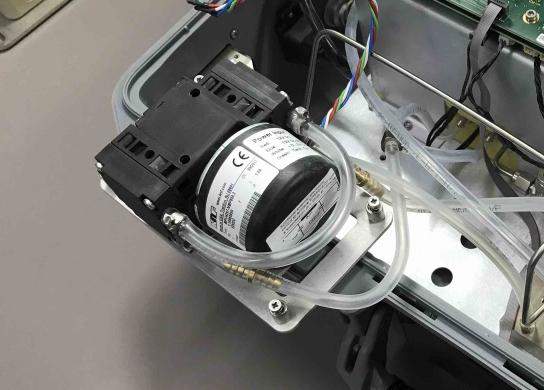
Material selection is particularly important when the pump handles chemicals, cleaning solutions or other special media.
The diaphragm, valves, pump head and connecting components may use different materials depending on the application.
A suitable material combination should be selected based on the medium’s chemical properties, temperature and operating conditions.
If the medium is not a standard liquid or gas, providing its technical data or a sample description can help with the evaluation.
5. Consider Operating Conditions
The operating cycle can affect pump life, motor temperature and overall reliability.
Confirm whether the pump will operate:
Continuously
Intermittently
For short periods during each equipment cycle
Under changing pressure or vacuum conditions
The ambient temperature, ventilation and installation environment should also be considered.
6. Evaluate Equipment Integration Requirements
A pump must fit the equipment mechanically and electrically.
Important integration details include:
Available installation space
Mounting dimensions and position
Inlet and outlet connections
Operating voltage
Motor type
Electrical wiring and connectors
Control requirements
Noise and vibration limitations
For OEM equipment, these details should be reviewed together rather than treated as separate purchasing specifications.
OEM Customization Options for Micro Diaphragm Pumps
Standard pump models can provide a starting point for many applications. However, equipment manufacturers may need specific configurations to meet their product design requirements.
Depending on the model and project, customization may involve:
Flow rate and pressure performance
Pump head and wetted materials
Operating voltage
Brushed or brushless DC motor options
Electrical wiring and connectors
Inlet and outlet connection design
Installation dimensions
Control and operating requirements
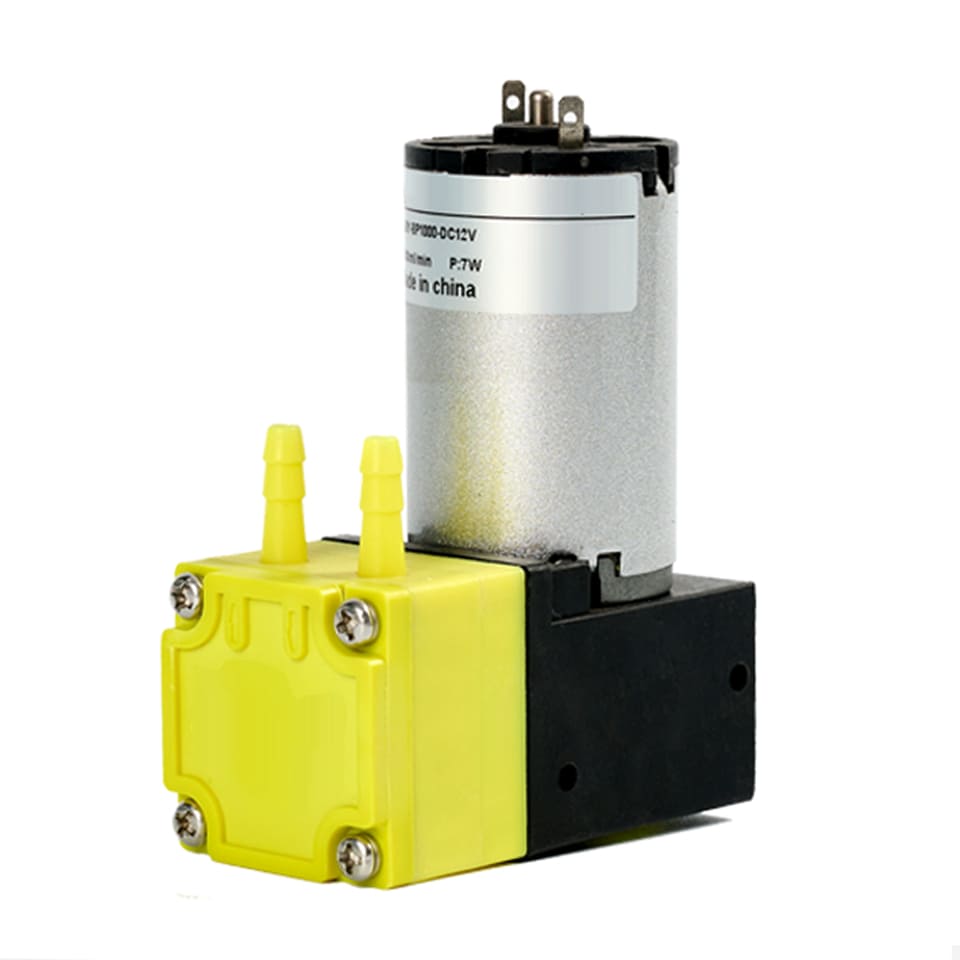
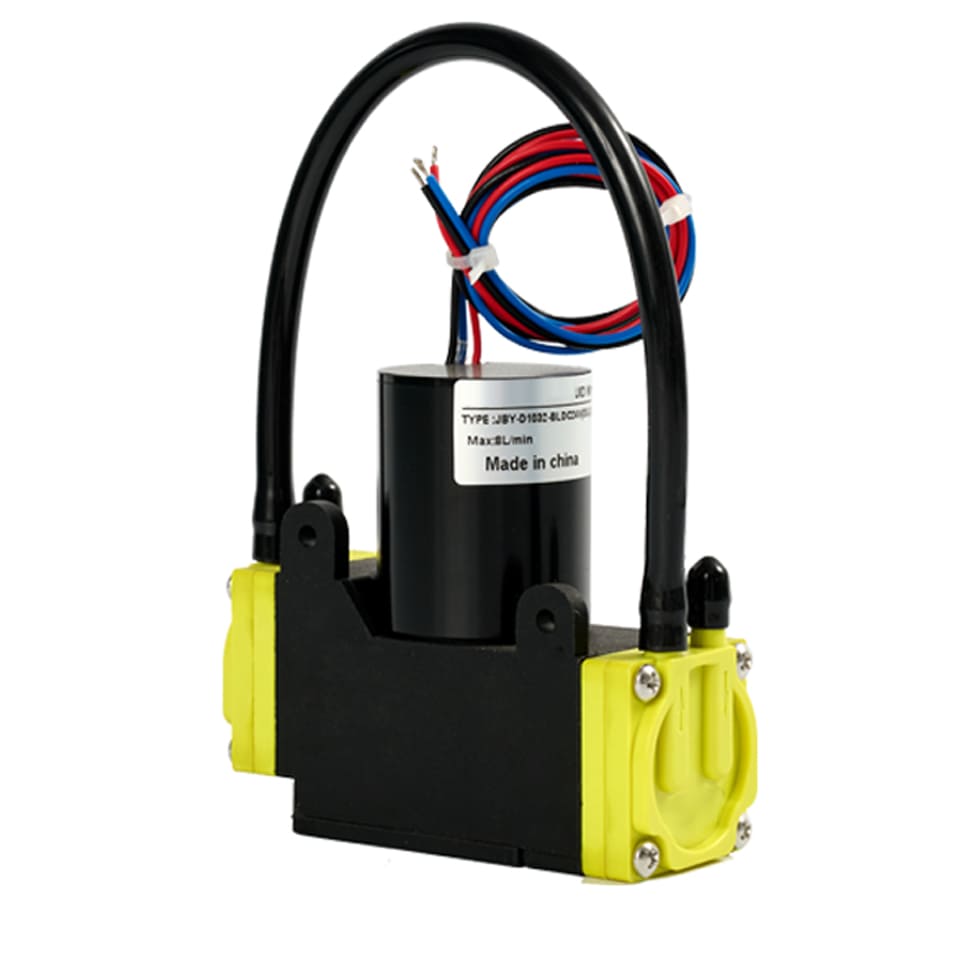
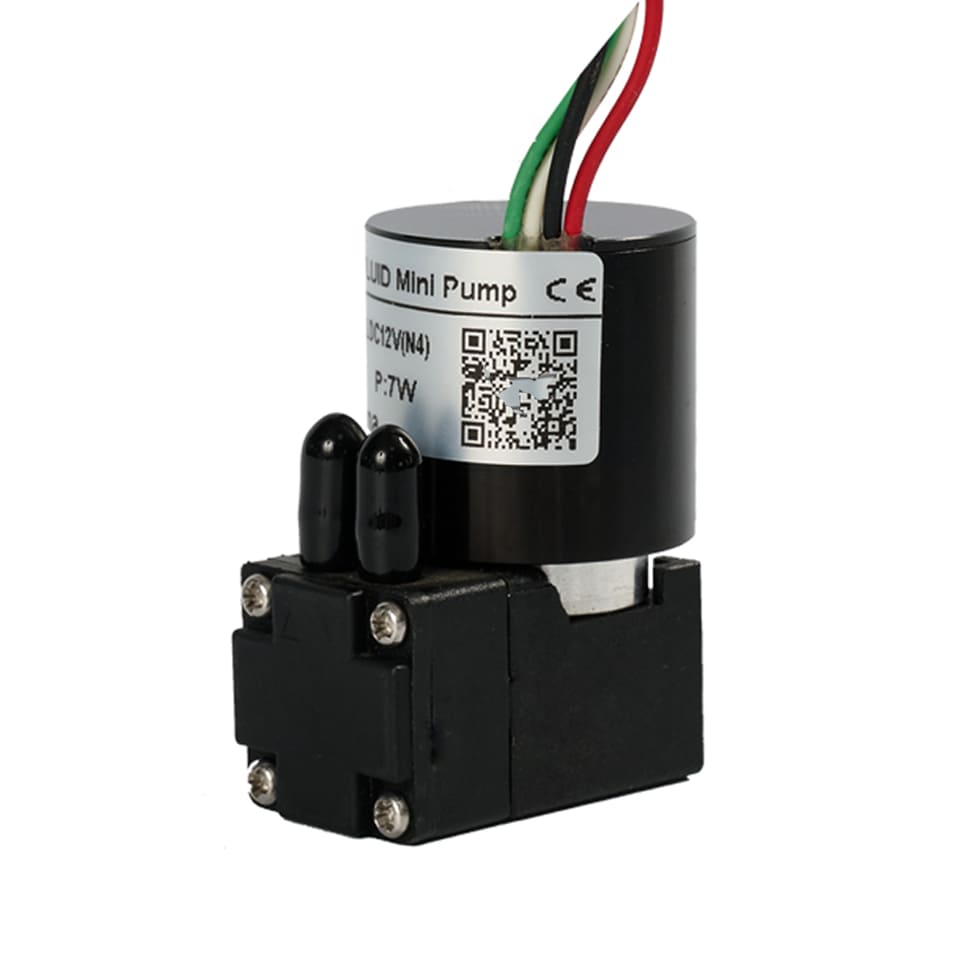
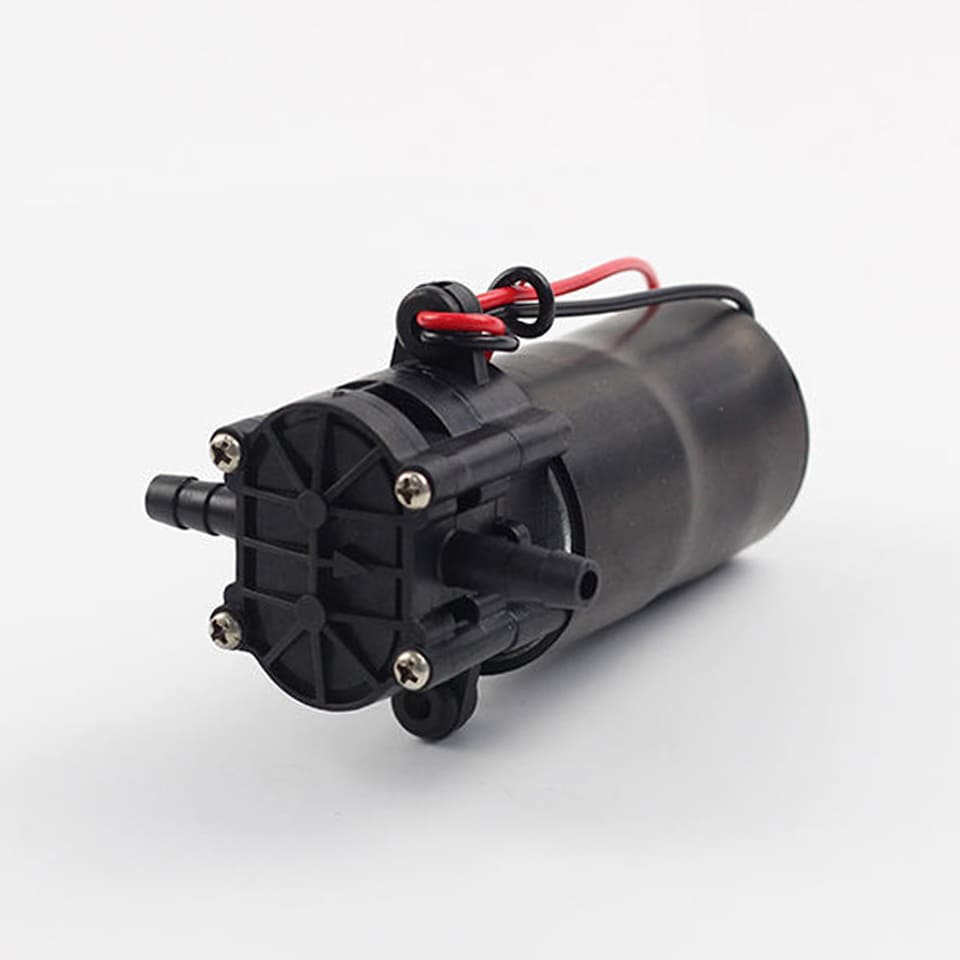
For JIGU’s micro diaphragm pump range, both liquid and gas configurations are available. The appropriate configuration depends on the pumped medium and the requirements of the equipment.
JIGU mainly offers brushless motor options for its diaphragm pump projects, while brushed motor configurations can also be considered depending on the model and application.
If you are developing new equipment, you do not need to have every pump parameter finalized before contacting a manufacturer. Providing the application, medium, required flow, pressure or vacuum, operating voltage and available installation space can be a useful starting point.
You can also refer to our guide to the information needed for a custom micro pump quote to prepare the technical details for your project.
Why Work with an Experienced Micro Diaphragm Pump Manufacturer?
Choosing a pump manufacturer is not only about comparing product specifications. For OEM projects, the manufacturer should also understand the equipment application and be able to support the evaluation of pump performance and integration requirements.
JIGU has been involved in pump and DC motor manufacturing since 1990, providing micro pump solutions for equipment manufacturers and industrial applications.
Our micro diaphragm pump range includes liquid and gas configurations for different application requirements. Standard models are available, and OEM customization can be evaluated according to project specifications.
During a project, the selection process can include:
Reviewing the equipment application and operating conditions
Recommending a suitable pump configuration
Evaluating flow, pressure or vacuum requirements
Confirming material and electrical options
Providing samples for application testing
Supporting the transition from sample evaluation to production
To learn more about our available models, visit the JIGU Micro Diaphragm Pump product page.
Frequently Asked Questions
What are the main applications of micro diaphragm pumps?
Micro diaphragm pumps are used in liquid transfer, air supply, gas sampling and vacuum generation. Common equipment applications include medical and healthcare devices, laboratory instruments, analytical equipment, cleaning appliances and compact industrial systems. The suitable pump configuration depends on the medium and operating requirements.
What is the difference between a liquid diaphragm pump and an air diaphragm pump?
Both use a similar reciprocating diaphragm pumping principle, but their pump head, valves, sealing arrangements and materials are configured for different media. A liquid diaphragm pump is designed for liquid transfer, while an air diaphragm pump is designed to move air or compatible gases.
Can a micro diaphragm air pump provide both positive pressure and vacuum?
Some gas diaphragm pump configurations can provide positive pressure at the discharge side and negative pressure at the suction side. Whether both functions can be used in a particular equipment system depends on the pump model, connection arrangement and operating requirements.
How do I choose a micro diaphragm pump for OEM equipment?
Start by identifying the pumped medium and required function. Then determine the required flow rate, working pressure or vacuum, material compatibility, operating cycle, voltage and installation dimensions. Testing a sample under conditions similar to the final equipment is recommended.
Can JIGU customize micro diaphragm pumps?
JIGU can evaluate OEM customization requirements according to the pump model and project. Possible options include motor configuration, voltage, materials, connections, dimensions and performance requirements. The available options need to be confirmed through technical evaluation.
Contact JIGU for Your OEM Micro Diaphragm Pump Project
Looking for a micro diaphragm pump for liquid transfer, air supply or vacuum applications?
JIGU provides standard micro diaphragm pump models and OEM customization support for equipment manufacturers.
Share your application, pumped medium, required flow rate, pressure or vacuum, operating voltage and installation requirements with our team. If you do not have complete technical specifications, you can start with your equipment description and application details.
Contact JIGU to discuss your micro diaphragm pump project.
Related Products
Reach Out Today
Looking for a micro pump manufacturer for your project? Contact JIGU Pump to discuss your application requirements and get a suitable pump recommendation and quotation.

Share Your Requirements
Share your application requirements, technical specifications, drawings, or reference images with our team.

Receive a Solution & Quotation
Our team will review your requirements and provide a suitable pump recommendation and quotation.

Confirm & Start Production
After sample approval and order confirmation, we proceed with production and arrange shipment according to the agreed schedule.