
Micro Centrifugal Water Pump Applications in OEM Equipment
Micro Centrifugal Water Pump Applications in OEM Equipment
Micro centrifugal water pump applications are common in compact OEM equipment that requires liquid circulation, cooling or water transfer.
From electronic cooling systems and beverage machines to laboratory instruments and industrial circulation equipment, micro water pumps help manufacturers manage liquid flow within limited installation space.
However, selecting a pump for an OEM application involves more than checking its maximum flow rate. The actual operating pressure, system resistance, liquid temperature, inlet conditions and operating cycle all affect pump performance.
In this article, we explore common micro centrifugal water pump applications, explain how these pumps are integrated into different types of equipment, and discuss the key factors manufacturers should consider when selecting a pump.
What Are Micro Centrifugal Water Pumps?
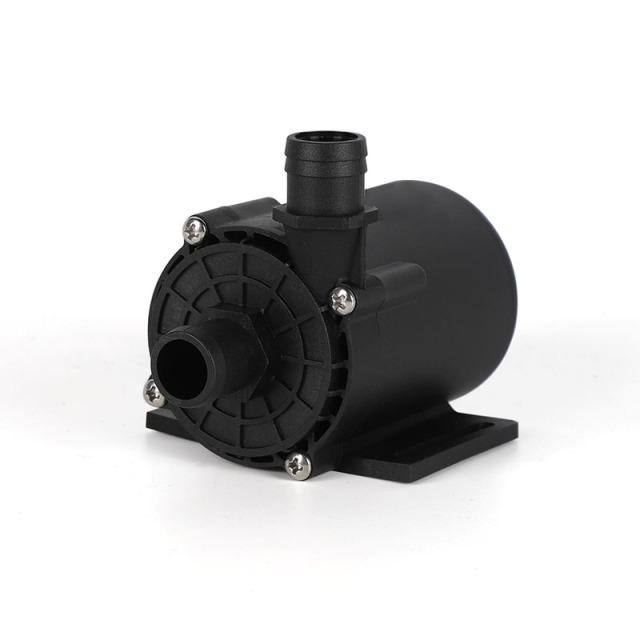
A micro centrifugal water pump uses a rotating impeller to transfer energy to a liquid. As the impeller rotates, it accelerates the liquid and generates flow through the pump outlet.
Compared with larger industrial pumps, micro centrifugal pumps are designed for applications where installation space, power consumption and equipment integration are important considerations.
They are commonly used for:
Liquid circulation
Water transfer
Cooling systems
Water supply in compact equipment
Auxiliary fluid circulation
The actual performance depends on the pump design, motor speed, impeller geometry and system conditions.
Why They Are Used in Compact Equipment
Micro centrifugal water pumps are useful when equipment needs a relatively compact liquid circulation solution.
Their potential advantages include:
Compact dimensions for space-limited equipment
Continuous liquid circulation
Brushless DC motor configuration
Flexible electrical and mechanical integration
Options for different flow and pressure requirements, depending on the model
For JIGU’s micro centrifugal water pump range, brushless DC motors are used. This allows the pump to be considered for OEM equipment where motor control, operating stability and long-term operation are important.
The appropriate model should still be selected according to the required performance and application conditions.
Micro Water Pump Applications in Cooling Systems
Cooling is an important application area for micro centrifugal water pumps. Many electronic and industrial systems use liquid circulation to transfer heat away from components that generate heat during operation.
In these systems, the pump moves coolant through a closed or partially closed circulation path, allowing heat to be transferred to a radiator, heat exchanger or other cooling component.
Electronic Equipment Cooling
Electronic equipment may generate considerable heat, particularly when components operate continuously or are installed in compact enclosures.
Liquid cooling can help transfer heat away from these components.
Micro water pumps may be considered for applications such as:
Electronic cooling modules
Compact liquid cooling systems
Power electronics
Industrial control equipment
Electronic equipment with integrated cooling circuits
The pump circulates coolant through the system, helping maintain the required liquid flow.
When selecting a pump, equipment manufacturers should consider the heat load, required coolant flow, tubing dimensions, pressure losses and operating temperature.
The pump must also be compatible with the coolant used in the system.
Laser and Industrial Equipment Cooling
Some laser systems and industrial machines require liquid circulation to manage operating temperatures.
Depending on the equipment design, a micro centrifugal water pump may be integrated into a compact cooling circuit.
Potential applications include:
Laser cooling modules
Small industrial cooling systems
Compact heat exchange equipment
Auxiliary cooling circuits
Temperature-controlled equipment
In these applications, stable circulation is important. The pump should be evaluated according to the cooling system’s required flow and pressure, including resistance from tubing, filters, valves and heat exchangers.
For equipment operating for extended periods, the pump’s permitted operating cycle and thermal conditions should also be confirmed.
Compact Chillers and Liquid Cooling Systems
Compact chillers and liquid cooling systems are used in equipment that requires controlled heat removal.
A micro water pump can circulate liquid between the cooling unit and the equipment being cooled.
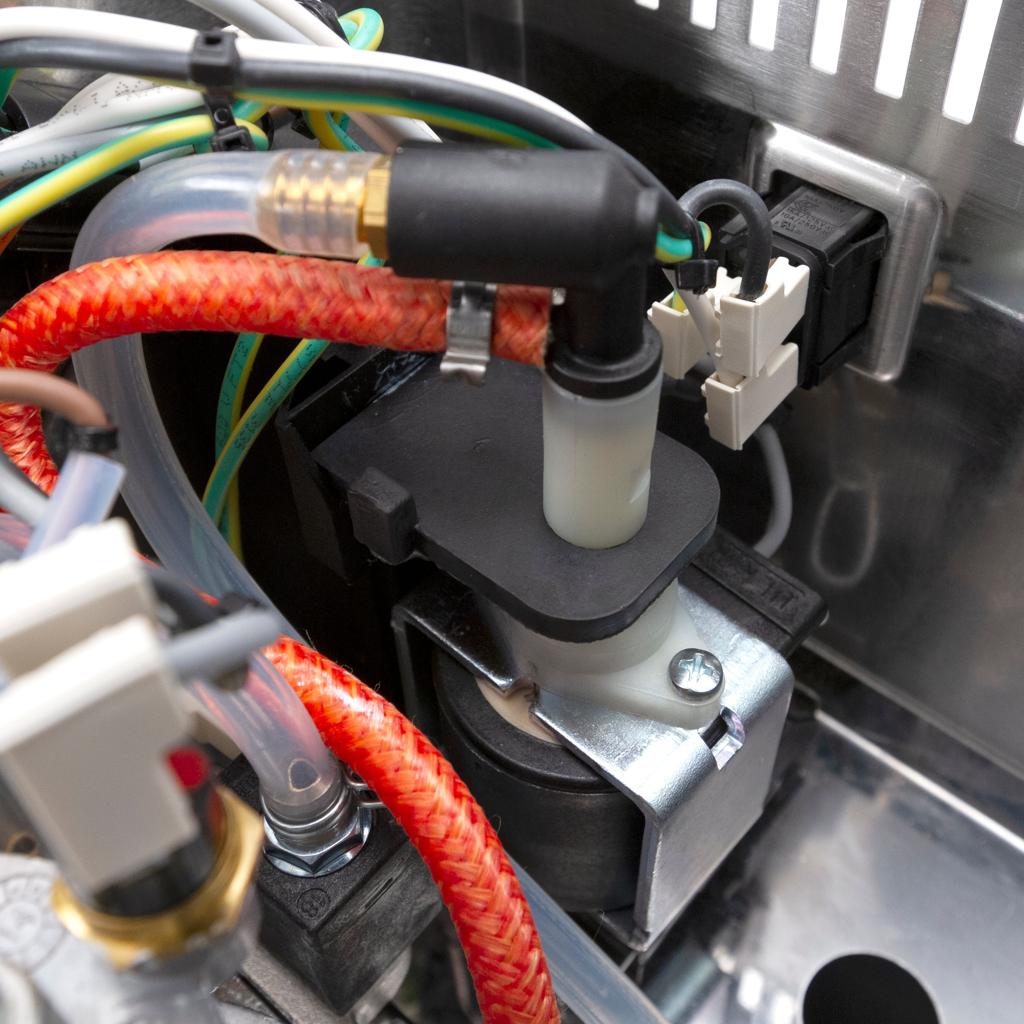
Typical system components may include:
A liquid reservoir
A circulation pump
Tubing and connectors
A heat exchanger
Filters or other fluid components
Temperature monitoring and control devices
The pump must provide sufficient flow under the total system resistance.
A pump with a high free-flow specification may not deliver the same flow once connected to a complete cooling circuit. Therefore, the pump performance curve and system requirements should be considered together.
Micro Water Pump Applications in Beverage and Household Appliances
Beverage and household appliances often require compact pumps to supply or circulate water within the equipment.
In these applications, installation space, noise, electrical integration and liquid compatibility are important considerations.
Coffee Machines and Beverage Dispensers
Coffee machines and beverage dispensers may contain several fluid-handling components, including water tanks, heating units, valves and internal tubing.
Depending on the machine design, a micro centrifugal pump may be used for:
Water circulation
Internal water transfer
Water supply to specific components
Auxiliary liquid movement
The required flow and pressure depend on the equipment’s hydraulic design.
Not every coffee machine or beverage dispenser uses a centrifugal pump. Some systems use other pump technologies depending on their pressure, dosing and dispensing requirements.
For this reason, the pump type should be selected according to the actual operating principle of the equipment.
If the application involves drinking water or direct food contact, all wetted materials and relevant compliance requirements must be checked. A pump should not be assumed suitable for potable water or food-contact applications without the necessary material and regulatory confirmation.
Water Dispensers and Water Supply Systems
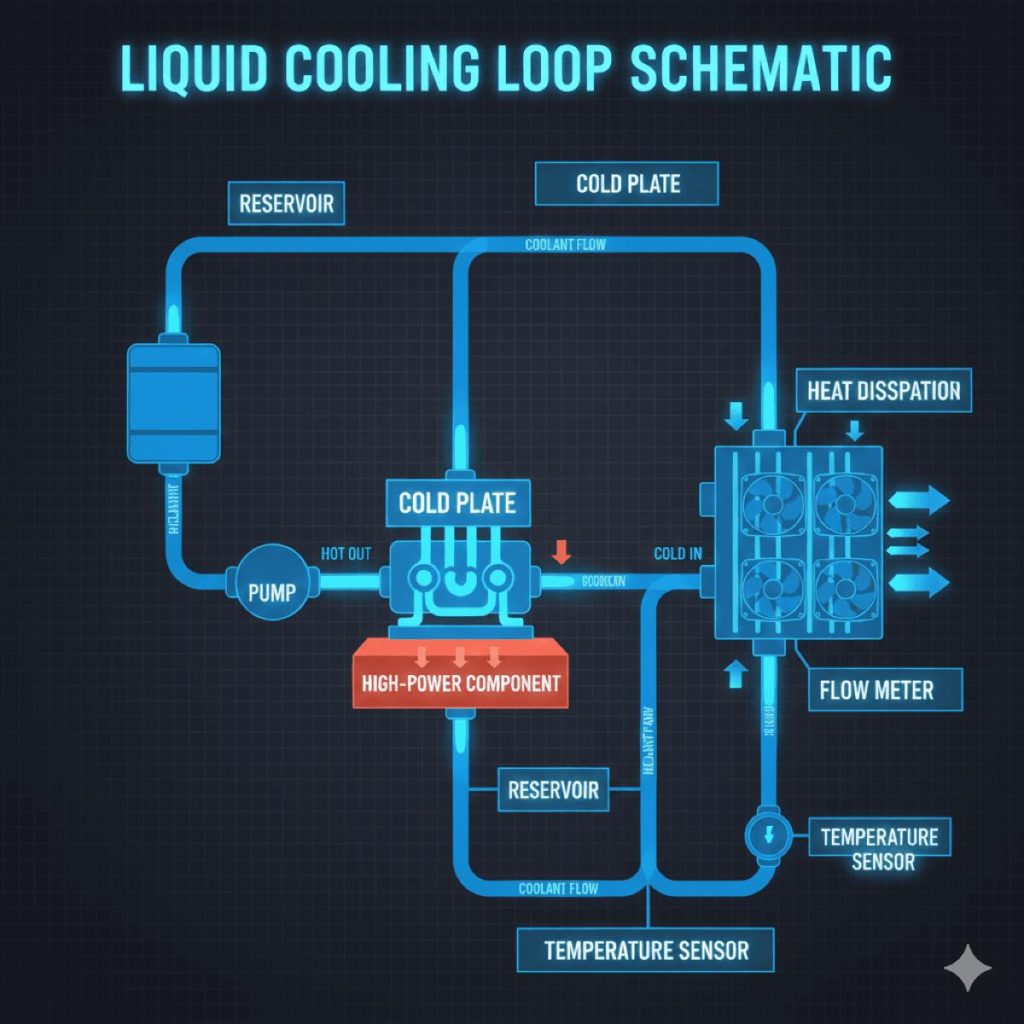
Compact water dispensers and water supply equipment may require pumps to transfer water between a reservoir and other components.
Potential applications include:
Internal water transfer
Water circulation
Supply to dispensing components
Auxiliary water handling
The pump should be matched to the required flow, delivery pressure and operating cycle.
Other considerations include the available installation space, inlet water conditions, tubing arrangement and the compatibility of wetted materials with the intended water quality.
Household Appliances Requiring Liquid Circulation
Some household appliances use small pumps to move water through internal circuits.
Examples may include:
Compact cleaning appliances
Water circulation modules
Small cooling appliances
Appliances with internal water supply systems
In these applications, the pump is normally integrated into the equipment rather than used as a standalone product.
Manufacturers should consider how the pump interacts with the other components, including valves, filters, reservoirs and control systems.
Noise, vibration and installation orientation may also influence the final pump selection.
Micro Water Pumps for Medical and Laboratory Equipment
Medical and laboratory equipment may require compact liquid circulation or transfer functions.
Depending on the equipment design, micro centrifugal water pumps can be considered for supporting fluid-handling systems.
The actual suitability depends on the required performance, materials, safety requirements and applicable regulations.
Laboratory and Analytical Instruments
Laboratory and analytical instruments may use liquid circulation for temperature control, equipment cooling or other fluid-handling functions.
Potential applications include:
Cooling circuits in analytical instruments
Liquid circulation modules
Auxiliary water supply systems
Compact laboratory equipment
Temperature-controlled fluid systems
In these applications, the pump must match the required flow and pressure while remaining compatible with the liquid being circulated.
If the liquid contains chemicals, additives or other special components, material compatibility should be reviewed carefully.
Medical and Healthcare Equipment
Some medical and healthcare equipment incorporates liquid circulation or cooling functions.
Micro centrifugal pumps may be considered for supporting systems that require compact liquid movement.
Potential applications should be evaluated according to the equipment’s actual design and function.
For medical equipment manufacturers, additional considerations may include:
Wetted material requirements
Noise and vibration
Operating reliability
Electrical safety
Cleaning and maintenance requirements
Applicable regulatory standards
The suitability of a specific pump for medical equipment must be confirmed through technical and regulatory evaluation. Not every micro water pump is suitable for every medical application.
Compact Liquid Handling Systems
Some compact instruments use internal liquid circuits to transfer or circulate water and other compatible liquids.
A micro centrifugal pump may be integrated into these systems where continuous or intermittent liquid movement is required.
The pump selection should consider the liquid properties, operating pressure, flow requirements and the design of the complete fluid path.
For equipment manufacturers, testing the pump together with the actual tubing and connected components can help verify the expected operating performance.
Micro Water Pump Applications in Water Circulation Systems
Apart from specialized equipment, micro centrifugal water pumps are also used in compact circulation systems that require continuous or intermittent liquid movement.
These systems may be designed for heating, cooling, filtration or other water-handling functions.
Compact Water Circulation Equipment
Compact circulation equipment uses a pump to move water through a defined circuit.
Depending on the system design, applications may include:
Small water circulation modules
Compact cooling equipment
Auxiliary circulation systems
Water supply and return circuits
The pump should be selected based on the required flow rate and total system resistance.
The diameter and length of the tubing, number of bends, valves and filters can all affect the actual operating point.
Heating and Cooling Loops
Heating and cooling equipment may use liquid circulation to transfer thermal energy between different components.
A micro centrifugal pump may be integrated into a compact loop where its performance matches the required flow and pressure conditions.
Important selection factors include:
Operating liquid temperature
Required circulation flow
System pressure losses
Continuous or intermittent operation
Pump and seal material compatibility
The maximum liquid temperature must be checked against the specifications of the selected pump model. It should not be assumed that every micro water pump can handle hot water.
Water Treatment and Filtration Equipment
Small water treatment and filtration systems may require pumps to circulate water through filters or other treatment components.
Potential applications include:
Compact filtration equipment
Water purification systems
Small water treatment modules
Auxiliary circulation systems
Filters and treatment components can create additional pressure losses. The pump must therefore be selected according to the resistance of the complete system.
Water quality is another important consideration. Particles, deposits and chemical additives may affect pump performance or material compatibility.
How to Select a Micro Centrifugal Water Pump for OEM Equipment
Choosing a micro centrifugal water pump requires a clear understanding of the equipment’s operating conditions.
The following factors should be reviewed before selecting a specific model.
Required Flow Rate and Working Pressure
Start by determining the flow rate required by the equipment.
The required flow should be based on the actual operating function, such as cooling, circulation or water supply.
Next, determine the pressure or head needed to overcome the resistance of the complete system.
For centrifugal pumps, the pump performance curve should be compared with the system curve to identify the actual operating point. The intersection of these curves indicates the flow and head at which the pump is expected to operate in the system.
You can refer to the ASHRAE Handbook chapter on centrifugal pumps for further technical information about pump performance curves and system operating points.
Pump Inlet Conditions and System Resistance
The conditions at the pump inlet can affect performance and operating reliability.
Important factors include:
Liquid supply conditions
Liquid level and height difference
Inlet tubing diameter and length
Filters and valves installed before the pump
Restrictions or sharp bends in the inlet line
Whether the pump receives an adequate liquid supply
An inlet line that is too restrictive or an insufficient liquid supply may reduce pump performance and increase the risk of cavitation under certain operating conditions.
For centrifugal pumps, the inlet arrangement should be evaluated together with the pump’s suction requirements.
For more information, see our guide to Pump Cavitation and How to Avoid It.
Liquid Temperature and Material Compatibility
The liquid being pumped must be compatible with the materials used in the pump.
Confirm:
Liquid composition
Operating temperature
Chemical properties
Viscosity
Whether the liquid contains particles or additives
For water circulation applications, the liquid may contain glycol or other additives. These can affect fluid properties and material compatibility.
The pump head, impeller and sealing materials should be evaluated according to the actual medium and temperature.
Continuous Operation and Working Cycle
Some equipment requires continuous circulation, while other applications operate the pump only during specific operating cycles.
Before selecting a pump, confirm:
Whether the pump runs continuously
Expected daily operating hours
Start-stop frequency
Ambient temperature
Available ventilation
Required service life
The motor and pump operating limits must be suitable for the intended working cycle.
Continuous operation should only be specified when supported by the performance and operating conditions of the selected model.
Installation Space and Connections
OEM equipment often has limited internal space.
The pump should fit the available installation area while allowing sufficient room for tubing, wiring, mounting and maintenance.
Important details include:
Overall pump dimensions
Mounting position
Inlet and outlet orientation
Connection diameter and type
Electrical wiring
Connector requirements
Installation and service access
Providing an installation drawing or the available space dimensions can help the manufacturer evaluate suitable models.
OEM Customization Options for Micro Water Pumps
Standard micro centrifugal water pumps can provide a starting point for many OEM applications. However, equipment manufacturers may require specific configurations to match their product design.
Depending on the pump model and project requirements, customization may involve several aspects.
Voltage and Brushless Motor Configuration
JIGU’s micro centrifugal water pump range uses brushless DC motors.
The appropriate voltage and motor configuration should be selected according to the equipment’s power supply and control system.
Depending on the model, project requirements may also involve motor speed control, electrical wiring and protection functions.
Pump Dimensions and Connections
The pump’s mechanical design must fit the equipment’s available space.
OEM customization may be evaluated for:
Overall dimensions
Mounting arrangements
Inlet and outlet connections
Connection orientation
Wiring length
Electrical connectors
These details should be confirmed during the design and sample evaluation stages.
Flow, Pressure and Performance Requirements
Different equipment designs require different combinations of flow rate and pressure.
The pump should be selected according to its performance under the intended system conditions.
If the standard model does not meet the application’s requirements, JIGU can evaluate whether a suitable configuration or customized solution is feasible.
Any changes to the pump design or operating parameters need to be confirmed through technical evaluation and testing.
Electrical Control and Protection Options
Some OEM equipment requires the pump to work with a controller or electronic control system.
Depending on the model, possible requirements may include:
Speed control
PWM control
Electrical protection
Start-stop control
Wiring and connector customization
The available control functions should be confirmed for the selected model rather than assumed to be standard across the entire product range.
For more information about preparing technical details for a customized pump project, see our guide to requesting a custom micro pump quote.
Why Choose JIGU as Your Micro Water Pump Manufacturer?
Selecting a pump manufacturer is not only about comparing product specifications. For OEM equipment manufacturers, it is also important to work with a supplier that understands pump integration and project requirements.
JIGU has been involved in pump and DC motor manufacturing since 1990, providing micro pump solutions for equipment manufacturers and industrial applications.
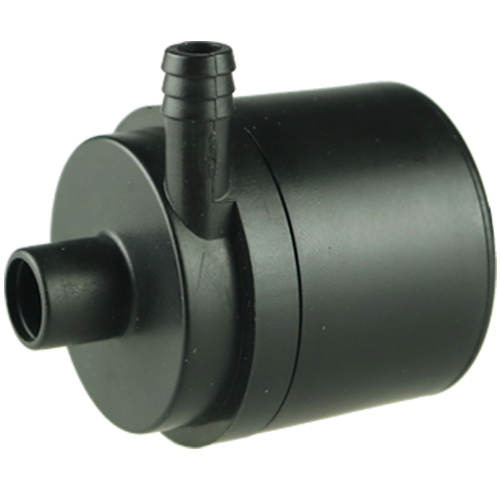
Our micro centrifugal water pump range is designed for compact liquid circulation and water transfer applications. Standard models are available, and OEM customization can be evaluated according to the equipment’s requirements.
JIGU can support OEM projects through:
Reviewing the equipment application
Evaluating flow and pressure requirements
Recommending suitable standard pump models
Reviewing installation dimensions and connections
Evaluating motor and electrical requirements
Providing samples for application testing
Supporting the transition from sample evaluation to production
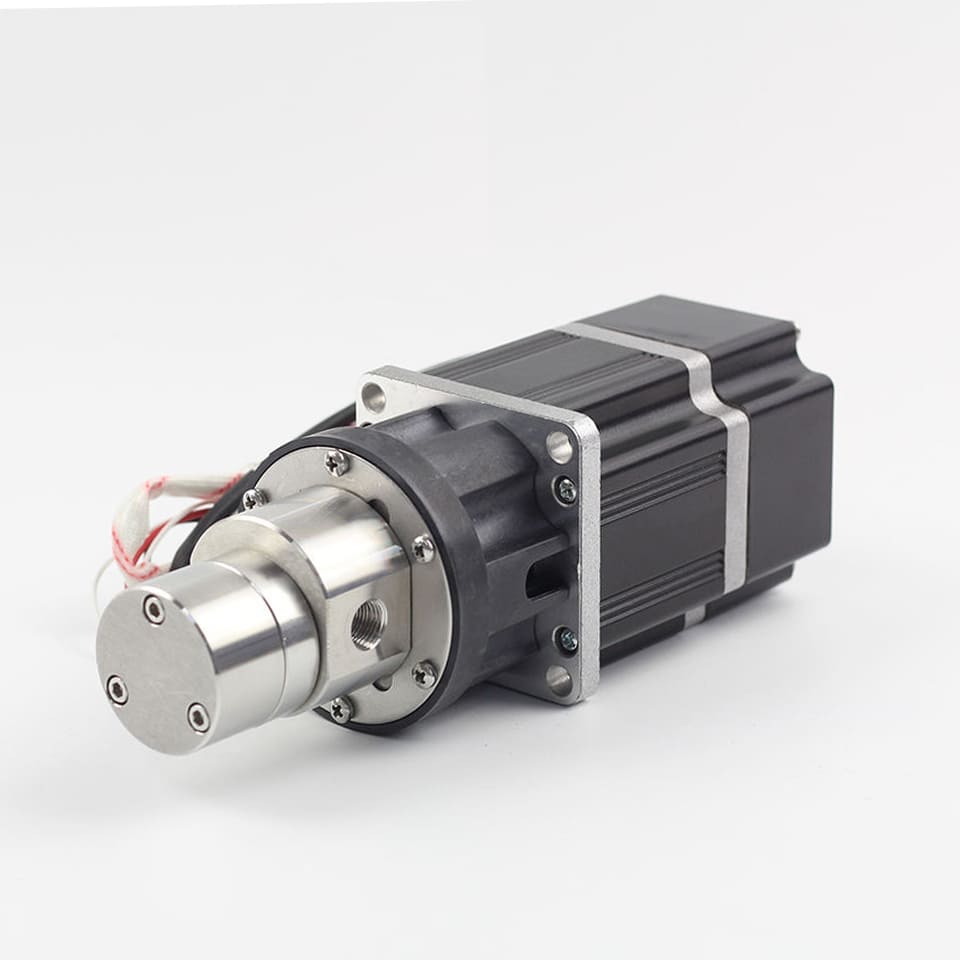
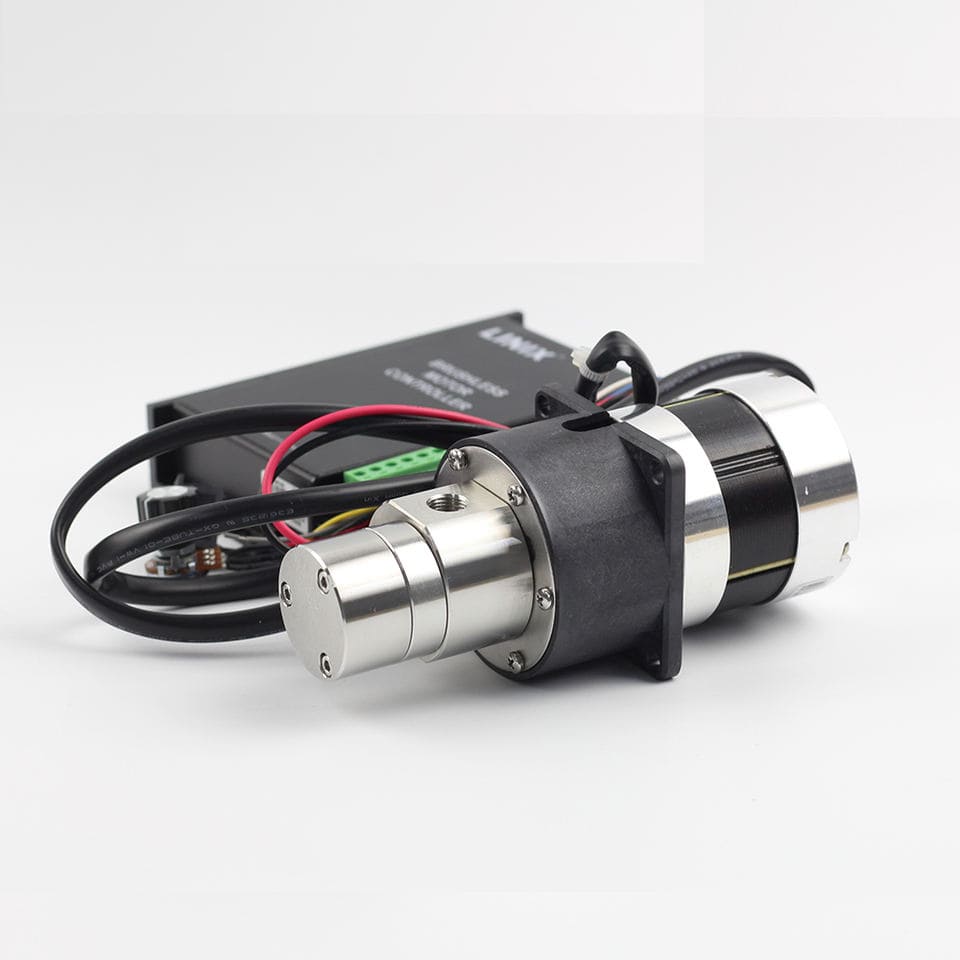
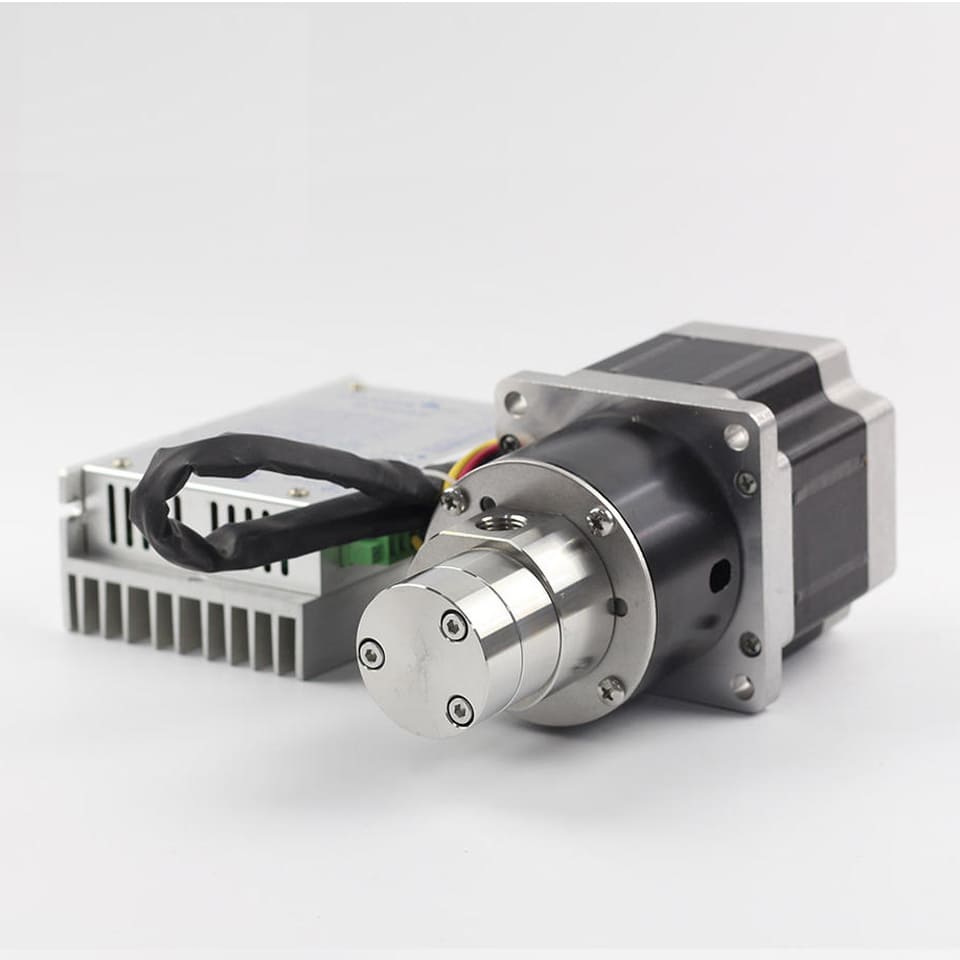
If you are developing equipment that requires a compact water circulation or transfer solution, visit our Micro Centrifugal Water Pump product page to learn more.
Frequently Asked Questions
What Are Micro Centrifugal Water Pumps Used For?
Micro centrifugal water pumps are used for liquid circulation, cooling, water transfer and water supply in compact equipment. Common application areas include electronic cooling systems, beverage machines, laboratory instruments, household appliances and small industrial circulation systems.
Can Micro Water Pumps Run Continuously?
Some micro water pump models are designed for continuous operation, but the permitted working cycle depends on the specific model and operating conditions. Flow rate, pressure, liquid temperature, ambient temperature and motor cooling should all be considered.
Are Brushless Micro Water Pumps Suitable for Cooling Systems?
Brushless micro water pumps can be considered for cooling systems where their flow and pressure performance, temperature limits and material compatibility meet the application requirements. The pump should be evaluated under the actual system conditions.
How Do I Select the Right Flow Rate for a Micro Water Pump?
Start with the liquid flow required by the equipment. Then evaluate the system resistance, including tubing, filters, valves and heat exchangers. The pump performance curve should be checked to determine whether the required flow can be achieved at the actual operating pressure.
Can a Micro Centrifugal Pump Handle Hot Water?
It depends on the specific pump model and its material and temperature ratings. The maximum permitted liquid temperature should be confirmed before using a pump in a hot-water circulation system.
Can JIGU Customize Micro Water Pumps for OEM Equipment?
JIGU can evaluate OEM customization requirements according to the selected model and project. Possible areas include pump dimensions, connections, motor voltage, electrical wiring and performance requirements. All customization options need to be confirmed through technical evaluation.
Contact JIGU for Your OEM Micro Water Pump Project
Looking for a micro centrifugal water pump for cooling, liquid circulation or water transfer equipment?
JIGU provides standard micro water pump models and OEM customization support for equipment manufacturers.
Share your application, required flow rate, working pressure, liquid temperature, operating voltage and installation requirements with our team.
If you do not have complete technical specifications, you can start with your equipment description and application details.
Contact JIGU to discuss your OEM micro water pump project.
Related Products
Reach Out Today
Looking for a micro pump manufacturer for your project? Contact JIGU Pump to discuss your application requirements and get a suitable pump recommendation and quotation.

Share Your Requirements
Share your application requirements, technical specifications, drawings, or reference images with our team.

Receive a Solution & Quotation
Our team will review your requirements and provide a suitable pump recommendation and quotation.

Confirm & Start Production
After sample approval and order confirmation, we proceed with production and arrange shipment according to the agreed schedule.