
Micro Pump Materials and Fluid Compatibility: A Guide for OEM Equipment
Micro Pump Materials and Fluid Compatibility: A Guide for OEM Equipment
When selecting a micro pump for OEM equipment, flow rate, pressure and motor configuration are important considerations. However, there is another factor that should never be overlooked: material compatibility with the fluid being pumped.
A pump may meet all the required performance specifications but still experience premature wear, corrosion, swelling or leakage if its materials are unsuitable for the working medium.
Understanding micro pump material compatibility is essential when selecting a pump for water, chemical liquids, solvents and other specialized fluids.
This is particularly important in applications involving chemical liquids, solvents, oils, cleaning solutions and other specialized fluids. Even when handling ordinary water, temperature, additives and long-term exposure can influence material selection.
Understanding micro pump material compatibility helps OEM manufacturers choose a suitable pump configuration, reduce the risk of material failure and improve long-term equipment reliability.
This guide explains which pump components need to be considered, how different fluid properties affect material selection, and what information OEM manufacturers should prepare when discussing pump compatibility with a manufacturer.
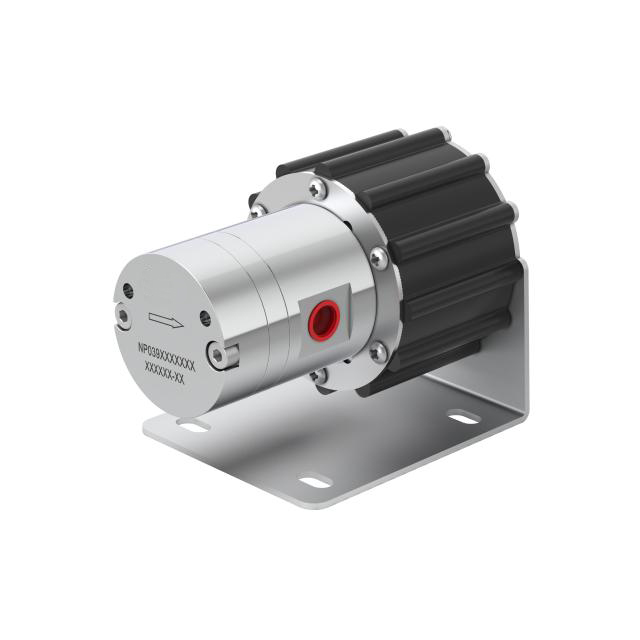
1. Why Is Material Compatibility Important for Micro Pumps?
Materials that come into contact with the pumped medium must be suitable for the actual operating conditions.
If a material is incompatible with a fluid, several problems may occur.
Chemical Corrosion and Material Degradation
Certain chemicals can react with metals, plastics or elastomers.
Depending on the material and exposure conditions, this may cause corrosion, surface damage, cracking or gradual deterioration.
Material degradation can affect pump performance and may eventually result in leakage or component failure.
Swelling and Deformation
Some liquids can cause elastomeric materials to swell or soften.
This is particularly important for components such as diaphragms, valves, O-rings and seals.
Excessive swelling or deformation may affect sealing performance, mechanical movement and the operation of internal components.
Leakage and Contamination
When wetted materials deteriorate, the pump may develop leakage or release unwanted substances into the pumped medium.
For applications involving laboratory instruments, analytical equipment or sensitive liquid handling, material selection may also affect fluid cleanliness and contamination control.
Reduced Service Life
An unsuitable material combination may cause internal components to deteriorate faster than expected.
This can lead to more frequent maintenance, pump replacement and unexpected equipment downtime.
For this reason, material compatibility should be considered during the initial pump selection process rather than after a problem occurs.
2. Which Micro Pump Components Need Material Compatibility Checks?
One common mistake is to check only the pump housing material.
In reality, several internal components may come into direct contact with the pumped medium.
These components are generally referred to as wetted parts.
Pump Housing and Pump Head
The housing or pump head forms part of the fluid chamber and is often the first component considered during material selection.
Depending on the pump design, it may be manufactured from engineering plastics or metals.
The selected material should be compatible with the fluid’s chemical properties, temperature and operating conditions.
Diaphragms and Valves
For diaphragm pumps, the diaphragm and valve components are especially important.
They are exposed to the pumped medium and also experience repeated mechanical movement.
Their material properties can affect:
Chemical resistance
Flexibility
Sealing performance
Mechanical fatigue
Operating temperature range
A material that is chemically resistant may not necessarily provide the mechanical flexibility required for a particular diaphragm design.
Gears, Rotors and Internal Pumping Components
For gear pumps and centrifugal pumps, internal pumping components must also be evaluated.
Depending on the design, these may include gears, impellers, rotors, shafts, bushings and other components exposed to the liquid.
Their material selection can affect chemical resistance, wear, dimensional stability and operating performance.
O-Rings, Seals and Connections
Small sealing components can have a major impact on overall pump reliability.
O-rings, gaskets and other sealing materials may be exposed to the same fluid as the main pump body.
A compatible housing does not guarantee that the seals or other internal components are also compatible.
Therefore, the complete wetted assembly should be evaluated rather than selecting a pump based only on its external housing material.
3. Common Materials Used in Pump Construction
Different materials offer different combinations of chemical resistance, mechanical strength, temperature capability and manufacturing cost.
The following are examples of material families commonly used in fluid-handling equipment. They are not a confirmed material list for every JIGU pump model.
Engineering Plastics
Engineering plastics are widely used in compact fluid-handling equipment because they can offer a useful combination of lightweight construction, corrosion resistance and manufacturing flexibility.
Examples include:
PP (Polypropylene): Used in some fluid-handling applications where its chemical and mechanical properties are suitable.
PVDF (Polyvinylidene Fluoride): A fluoropolymer used in applications requiring resistance to various aggressive chemicals.
POM (Polyoxymethylene): Offers good dimensional stability and mechanical properties for selected components.
PA (Polyamide/Nylon): Used in some mechanical components, subject to fluid compatibility and moisture-related dimensional changes.
These materials should not be treated as interchangeable. Their suitability depends on the chemical, concentration, temperature and mechanical conditions.
Metals
Metallic materials may be selected when mechanical strength, dimensional stability or particular fluid-handling requirements are important.
Examples include:
Stainless steel
Aluminum alloys
Other application-specific metal alloys
Metal compatibility depends on the exact alloy and the chemical environment.
For example, different stainless steel grades may respond differently to certain chemicals, particularly in the presence of chlorides, elevated temperatures or specific concentration levels.
Elastomers and Sealing Materials
Elastomers are commonly used for flexible and sealing components.
Examples include:
EPDM: Used in applications where its resistance to water, steam and certain chemicals is suitable.
NBR: Commonly considered for certain oil and fuel applications.
FKM: Used in selected applications involving oils, fuels and chemicals, depending on the specific formulation.
PTFE: Offers broad chemical resistance and is used in many demanding fluid-handling applications, although its mechanical and sealing characteristics must also be considered.
No elastomer is suitable for every fluid. Even materials within the same family may have different performance depending on their formulation and operating conditions.
For more detailed information about diaphragm pump material selection, see KNF’s guide to selecting diaphragm pump materials.
4. How Fluid Properties Affect Material Compatibility
Selecting suitable pump materials requires more than identifying the name of the liquid.
Several fluid properties should be considered together.
Chemical Composition
The chemical composition of the medium is one of the most important factors.
Different chemicals can react differently with plastics, metals and elastomers.
For example, a material that is suitable for handling one type of acid may not be suitable for another acid or a solvent.
Chemical compatibility should be checked for the specific fluid rather than assumed based on broad categories such as acids, solvents or oils.
Chemical Concentration
The concentration of a chemical can significantly affect its compatibility with a material.
A material may perform satisfactorily with a dilute solution but experience degradation when exposed to a more concentrated solution.
When evaluating a pump for chemical handling, always provide the actual concentration or composition range.
Operating Temperature
Temperature can change the chemical resistance and mechanical properties of many materials.
Higher temperatures may accelerate chemical reactions, increase swelling or reduce mechanical strength.
Lower temperatures can make some materials less flexible or more susceptible to cracking.
For this reason, compatibility data should be checked at the expected operating temperature, not only at room temperature.
Viscosity and Flow Characteristics
Fluid viscosity also affects pump operation.
Higher-viscosity liquids may increase the load on certain pump designs and influence flow performance.
The pump must be evaluated for both material compatibility and its ability to handle the required viscosity under the intended operating conditions.
See our guide to micro pump flow rate and pressure for more information about how operating conditions affect pump performance.
Particles and Abrasiveness
Some liquids contain suspended particles, powders or other solid contaminants.
These particles may cause wear on internal components, particularly in applications involving moving surfaces.
Even when the chemical composition is compatible, the presence of abrasive particles may shorten component life or affect pump performance.
OEM manufacturers should therefore provide information about particle size, concentration and the expected cleanliness of the fluid.
Mixed Fluids and Cleaning Agents
A system may handle more than one fluid during normal operation.
For example, equipment may transfer a process liquid and later use a cleaning solution or flushing fluid.
A material that is compatible with the main process liquid may not be suitable for the cleaning agent.
All fluids that may contact the pump during normal operation, cleaning and maintenance should be considered.
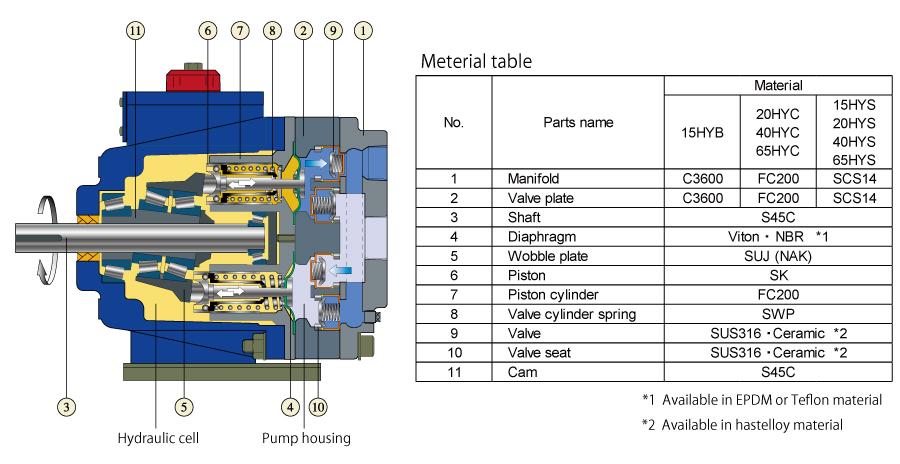
5. Material Compatibility Considerations for Different Micro Pump Types
The relevant materials and potential risks vary depending on the pump’s operating mechanism.
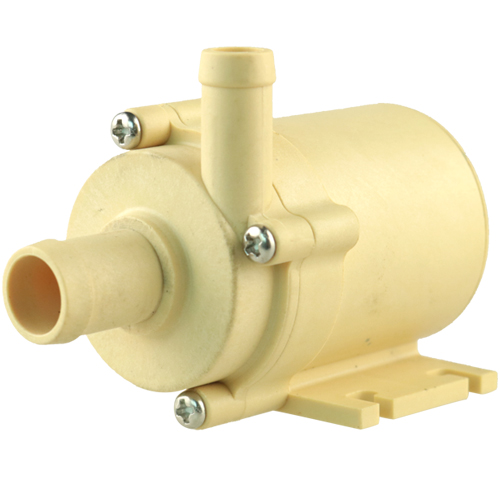
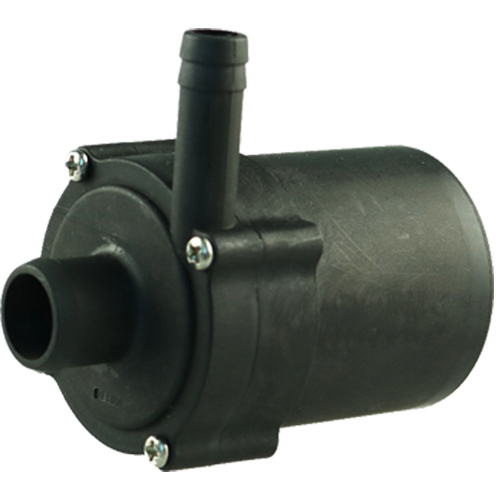
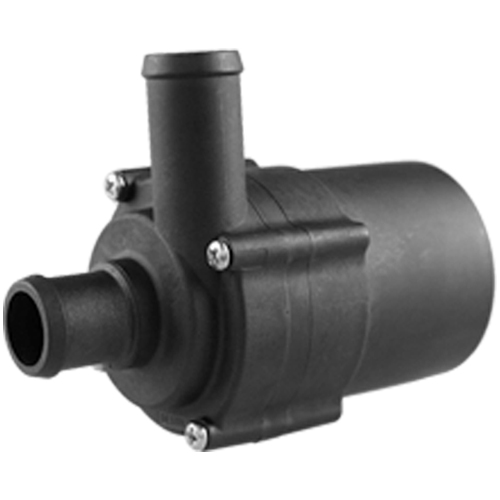
Micro Centrifugal Water Pumps
Micro centrifugal water pumps are commonly used for liquid circulation and transfer.
Important material considerations may include:
Pump housing
Impeller
Shaft or rotor-related components
Bearings or bushings
Seals and connection components
For ordinary water circulation, the material selection process may be relatively straightforward.
However, water quality, additives, temperature and chemical treatment can still affect compatibility.
For cooling systems, for example, the pumped liquid may contain glycol or corrosion inhibitors. These additives should be considered when selecting the wetted materials.
Learn more about JIGU micro centrifugal water pumps for OEM circulation and cooling applications.
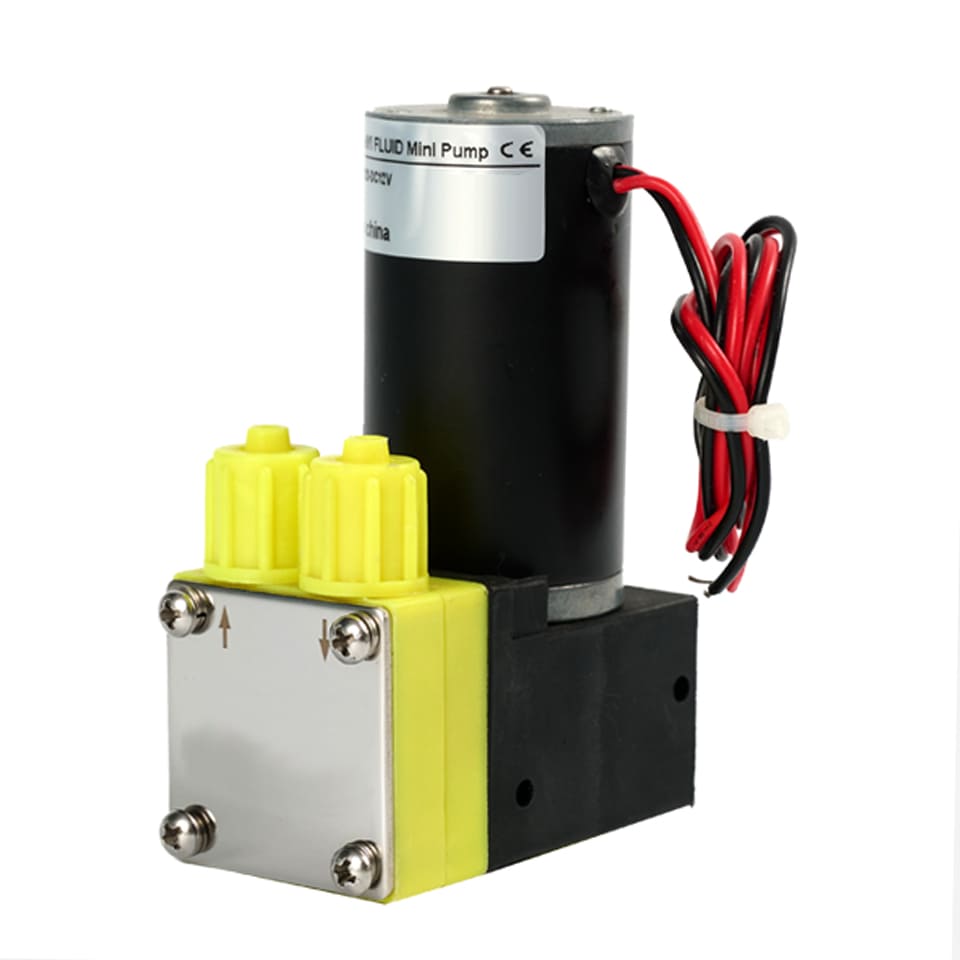
Micro Diaphragm Pumps
Micro diaphragm pumps are available in liquid and gas configurations.
For liquid diaphragm pumps, the wetted components may include:
Pump head
Diaphragm
Inlet and outlet valves
Sealing components
Fluid connections
The diaphragm and valves are particularly important because they combine chemical exposure with repeated mechanical movement.
For gas diaphragm pumps, the gas composition and any moisture or condensate should also be considered.
Certain gases may be chemically aggressive, while moisture or condensation can change the conditions inside the pump.
Explore JIGU micro diaphragm pumps for liquid transfer, air supply and vacuum applications.
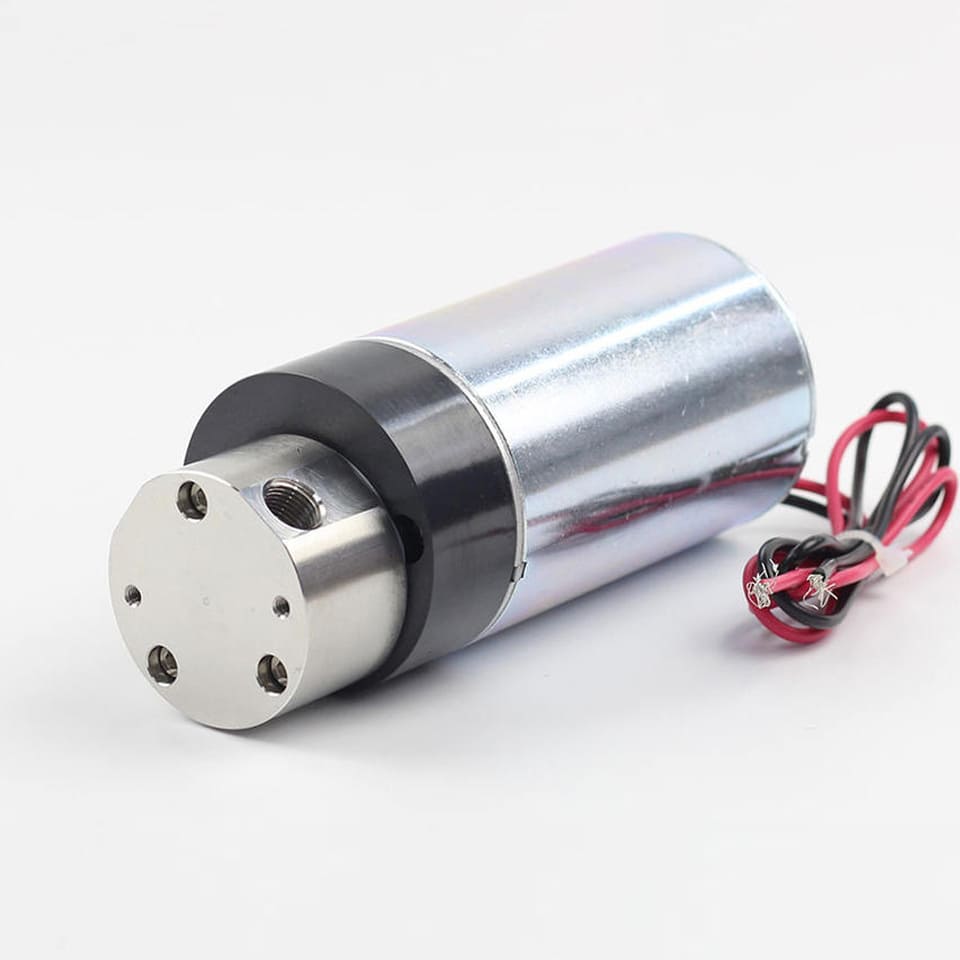
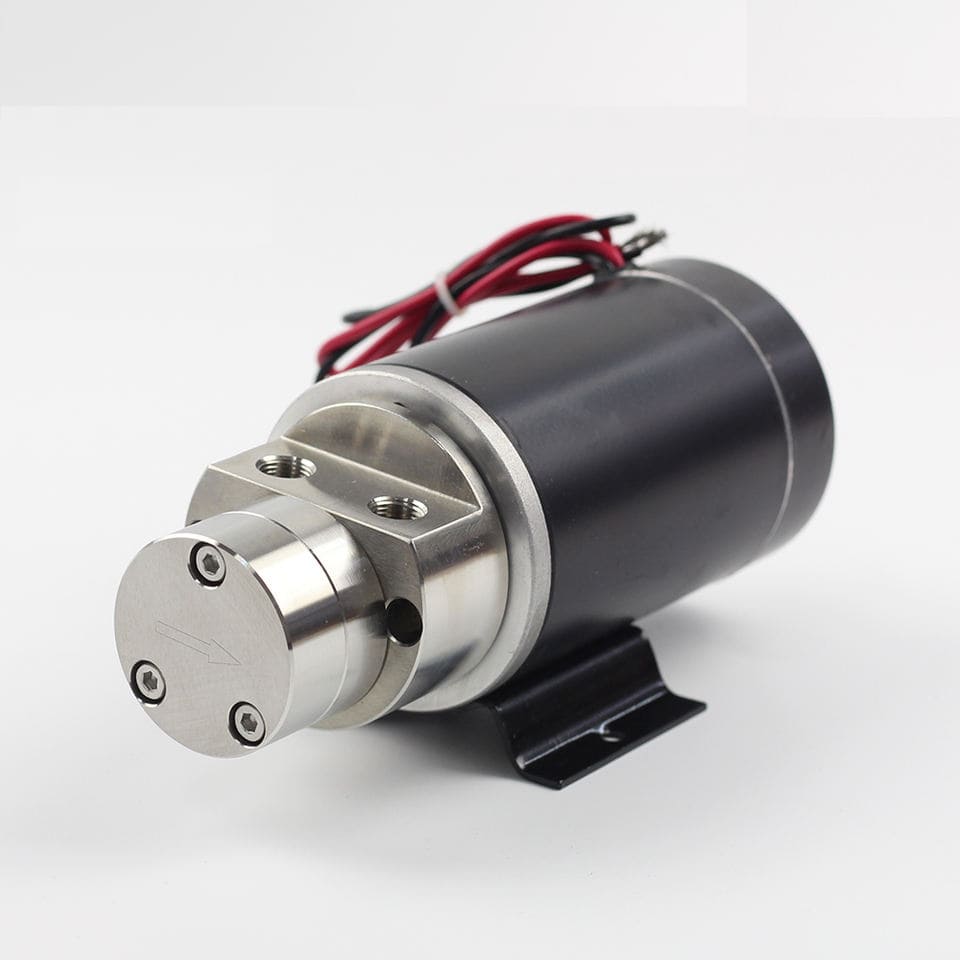
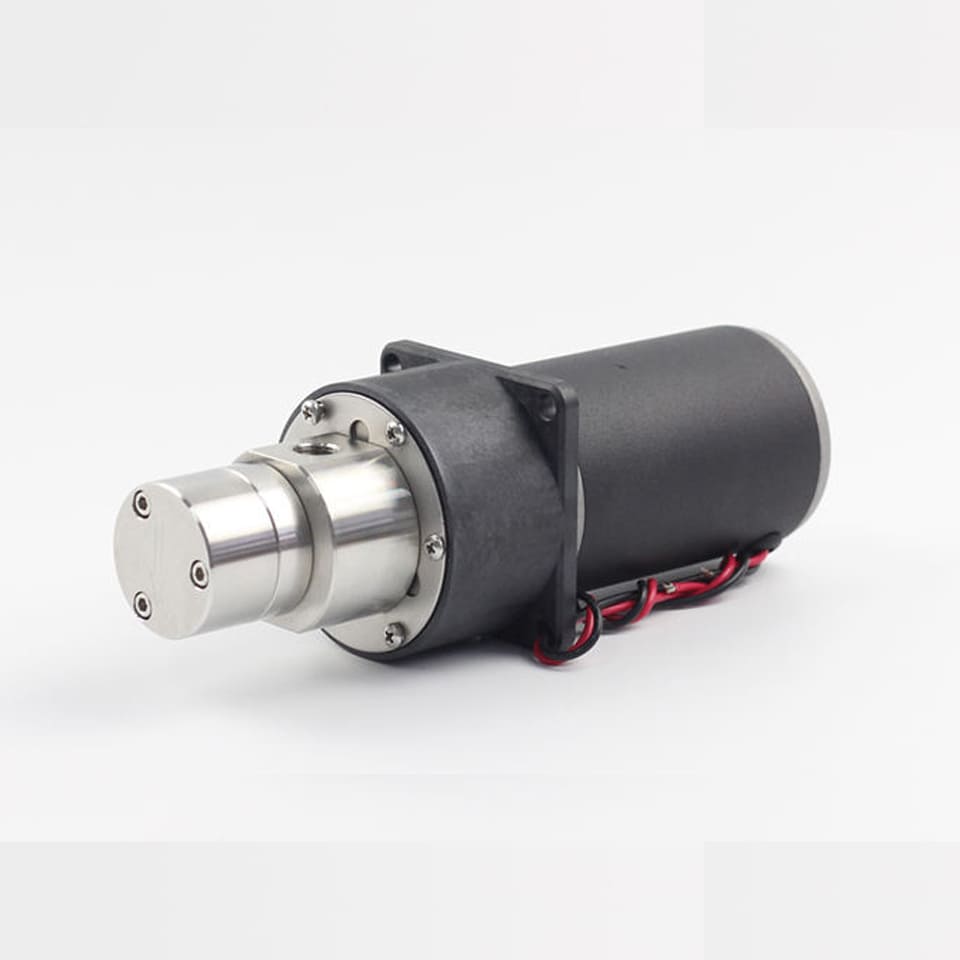
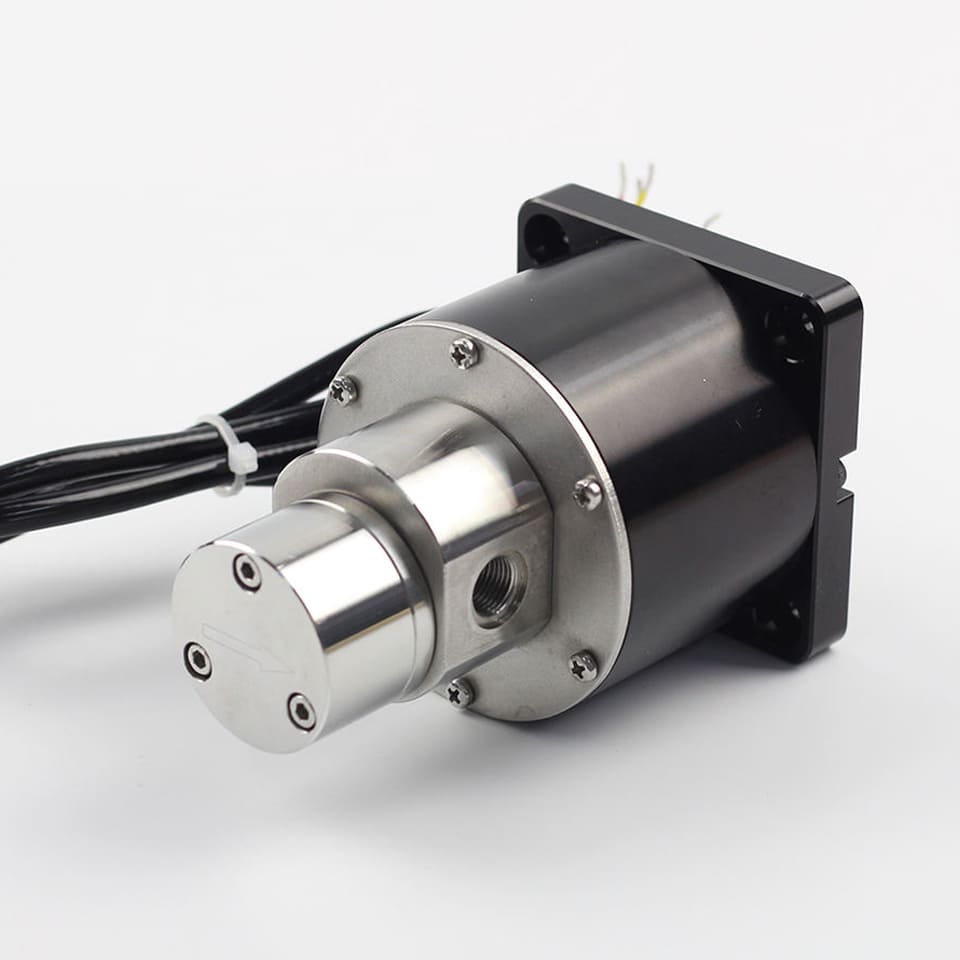
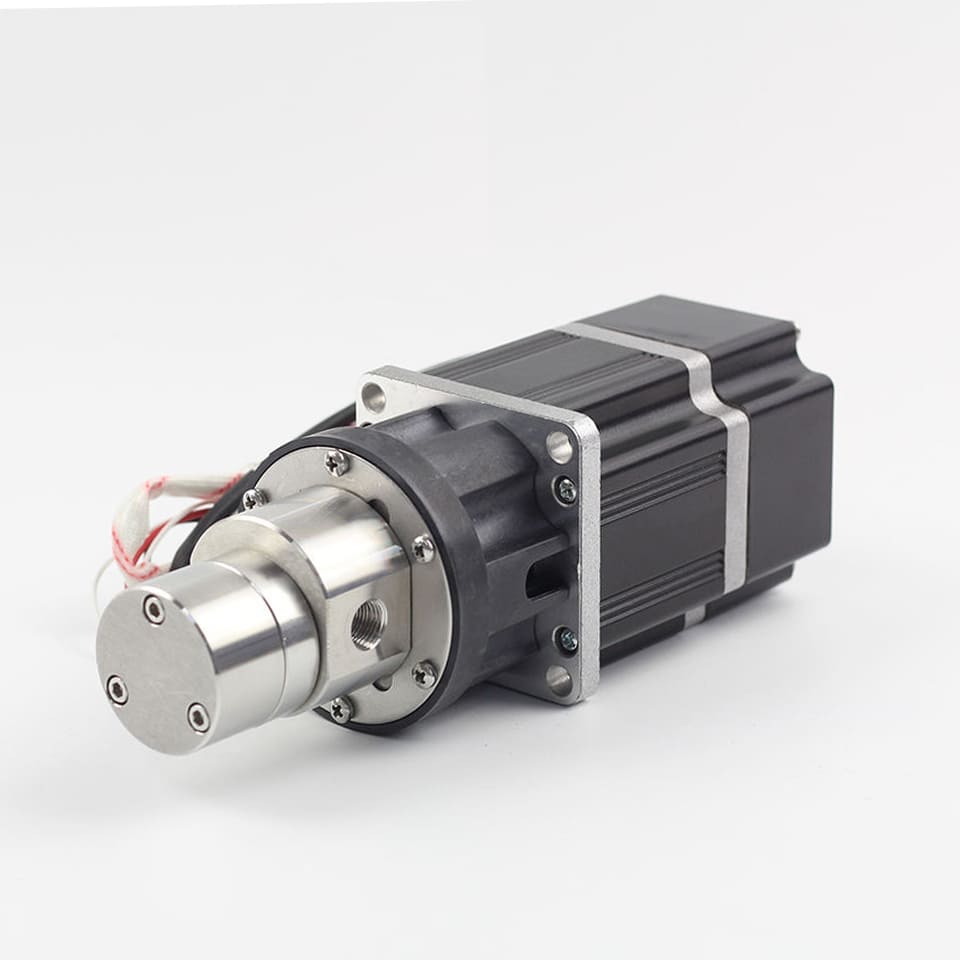
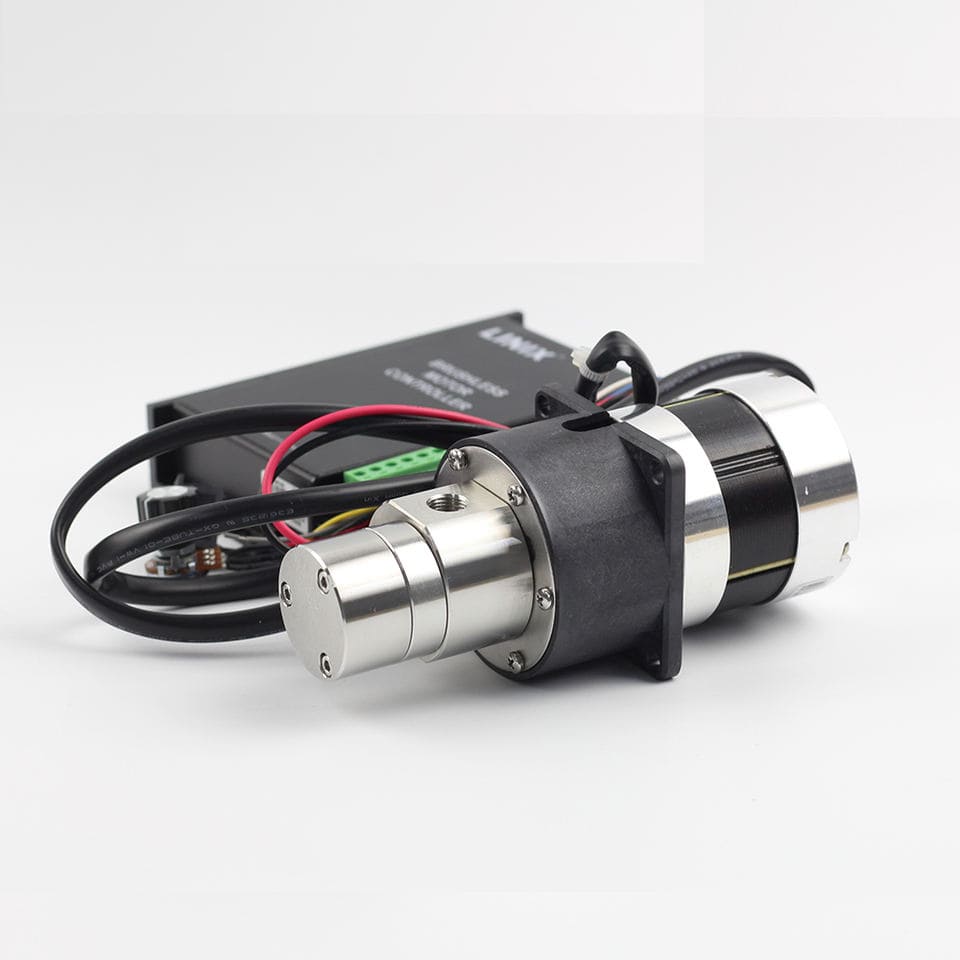
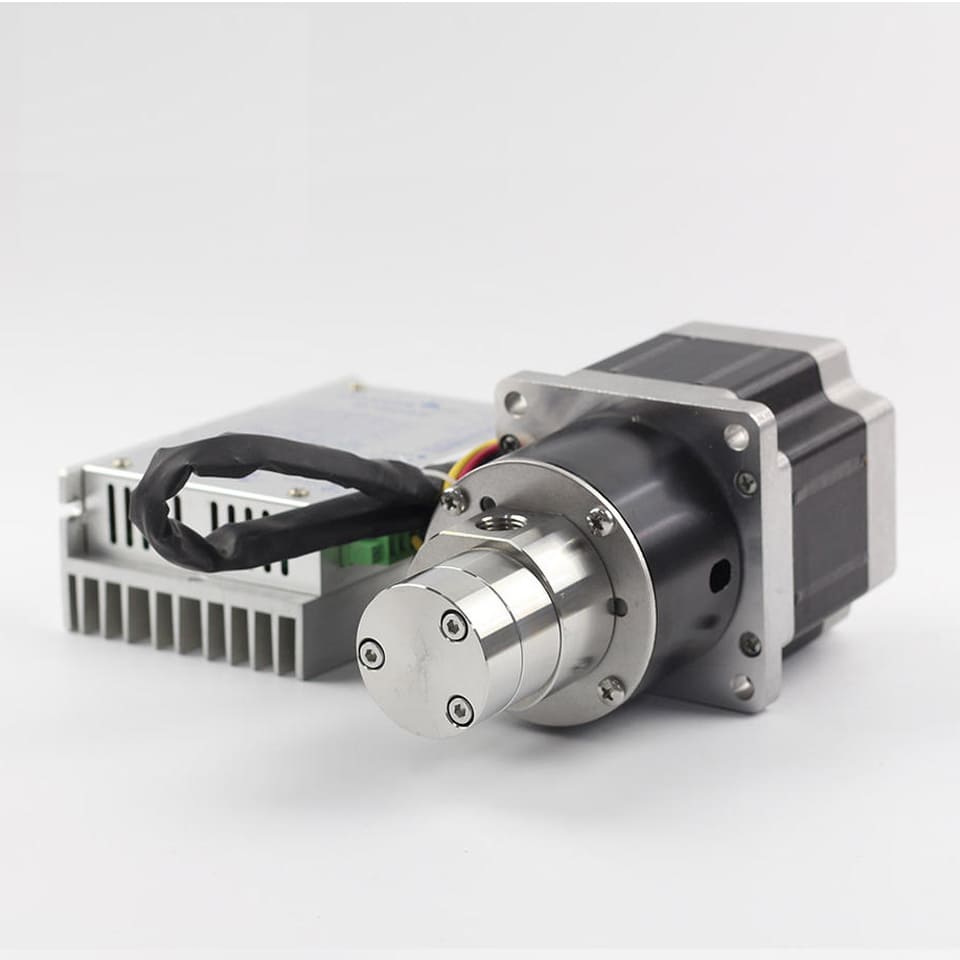
Magnetic Drive Gear Pumps
Magnetic drive gear pumps are used in various liquid transfer applications.
Their material compatibility evaluation may include:
Pump housing
Internal gears
Bushings and support components
Static sealing materials
Inlet and outlet connections
These pumps can be considered for different types of liquids, including water and selected chemical fluids.
However, the suitability of a particular configuration depends on the complete wetted material combination and the liquid’s properties.
The magnetic coupling does not automatically make a pump chemically compatible with every medium. The internal gears, housing and static seals must still be evaluated.
Explore JIGU magnetic drive gear pumps for OEM liquid transfer applications.
6. How to Select the Right Micro Pump Materials for Your Application
A structured material selection process helps reduce uncertainty and makes communication between the equipment manufacturer and pump supplier more efficient.
Step 1: Identify the Exact Working Medium
Provide the full name and chemical composition of the liquid or gas.
If the medium is a commercial product or a mixture, a technical data sheet or safety data sheet (SDS) can help identify its relevant properties.
Avoid describing the medium only as “chemical liquid” or “solvent” because these terms cover many different substances.
Step 2: Confirm Concentration and Temperature
Provide the normal operating concentration and the possible concentration range.
Also specify:
Minimum operating temperature
Normal operating temperature
Maximum operating temperature
Any temperature changes during startup, shutdown or cleaning
These details are important because chemical resistance can change with concentration and temperature.
Step 3: Identify All Wetted Components
Do not check only the pump housing.
Ask the pump manufacturer to identify the materials used in the complete wetted assembly, including diaphragms, valves, gears, impellers, seals and connections where applicable.
This is especially important when the pump contains several different materials.
Step 4: Check Mechanical and Operating Requirements
Material compatibility is only one part of pump selection.
Also confirm:
Required flow rate
Working pressure or vacuum
Fluid viscosity
Operating cycle
Expected service life
Installation conditions
A material may be chemically suitable but mechanically unsuitable for the actual application.
Step 5: Confirm Compatibility and Test When Necessary
Chemical resistance charts and manufacturer material data are useful starting points.
However, they should not be treated as universal guarantees.
For example, Graco’s Chemical Compatibility Guide explains that compatibility information is a general selection reference and that temperature differences can affect material suitability.
For demanding or uncertain applications, material samples or pump testing under representative operating conditions may be necessary.
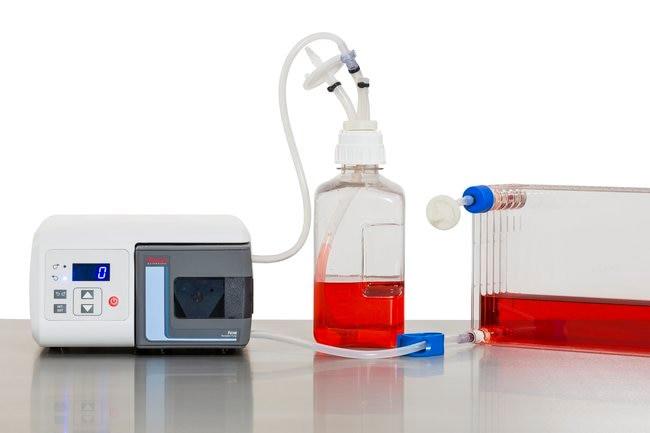
7. Common Mistakes in Micro Pump Material Selection
Even experienced equipment manufacturers can overlook important details during material selection.
Checking Only the Pump Housing
The pump body may be compatible with the fluid while an internal diaphragm, valve or seal is not.
Always evaluate the complete wetted assembly.
Assuming Room-Temperature Compatibility Applies at Higher Temperatures
A material’s chemical resistance may change significantly with temperature.
Compatibility should be verified at the actual operating temperature and concentration.
Treating Similar Chemicals as Identical
Two chemicals from the same general family may have different effects on a material.
For example, different solvents may interact differently with the same plastic or elastomer.
Use specific chemical compatibility information rather than relying only on broad chemical categories.
Ignoring Cleaning and Flushing Fluids
The pump may be exposed to cleaning agents even if they are not part of its normal pumping process.
These fluids should also be included in the compatibility evaluation.
Choosing Materials Based Only on Chemical Resistance
A material with excellent chemical resistance may not necessarily provide the mechanical properties, flexibility, dimensional stability or cost required for a particular pump design.
The best solution should balance chemical resistance, mechanical performance, temperature capability and overall application requirements.
8. What Information Should OEM Manufacturers Provide?
When requesting a micro pump for a specific liquid or gas, providing complete application information helps the manufacturer evaluate material compatibility more accurately.
The following information is useful:
| Information | Details to Provide |
| Medium | Exact liquid or gas name |
| Composition | Chemical ingredients or mixture details |
| Concentration | Normal and maximum concentration |
| Temperature | Minimum, normal and maximum |
| Viscosity | If applicable |
| Particles | Presence, size and concentration |
| Flow rate | Required operating flow |
| Pressure | Working pressure or vacuum |
| Operating cycle | Continuous or intermittent |
| Cleaning | Cleaning or flushing fluids |
| Special requirements | Purity, contamination or regulatory requirements |
If the exact material requirements are not yet known, you can also provide the application description, fluid information and equipment photos.
The pump manufacturer can then help evaluate possible configurations and identify any information that requires further confirmation.
9. Why Work with JIGU for OEM Micro Pump Solutions?
JIGU manufactures micro centrifugal water pumps, micro diaphragm pumps and magnetic drive gear pumps for OEM equipment manufacturers.
Different pump designs require different material considerations. JIGU can evaluate available standard models and discuss possible configurations according to the customer’s fluid properties and operating requirements.
For OEM projects, material selection can be considered together with:
Required flow rate and pressure
Fluid or gas composition
Operating temperature
Material compatibility
Motor configuration
Installation dimensions
Inlet and outlet connections
Expected operating conditions
For magnetic drive gear pump applications, a range of liquids can be evaluated, including water and selected chemical fluids. The suitability of each application depends on the specific wetted materials and operating conditions.
If your project involves a special liquid, chemical solution or demanding operating environment, providing the exact medium and its technical information will help JIGU assess the application more effectively.
Contact JIGU to discuss your micro pump material and fluid compatibility requirements.
10. Frequently Asked Questions
1. Why is material compatibility important when selecting a micro pump?
Material compatibility helps prevent corrosion, swelling, cracking, leakage and premature component failure. It is essential for ensuring that the pump can handle the intended fluid under the required operating conditions.
2. Is the pump housing material enough to determine chemical compatibility?
No. Other wetted components, such as diaphragms, valves, gears, impellers, O-rings and seals, must also be evaluated. The complete wetted assembly needs to be compatible with the pumped medium.
3. Can one micro pump handle different types of liquids?
Some pump configurations can handle a range of liquids, but compatibility must be checked for each medium. Chemical composition, concentration, temperature, viscosity and the pump’s wetted materials all affect suitability.
4. Does temperature affect chemical compatibility?
Yes. Higher or lower temperatures can change the chemical resistance and mechanical properties of plastics, metals and elastomers. Compatibility should be checked at the actual operating temperature.
5. Are PTFE components compatible with all chemicals?
No material should be considered universally compatible. PTFE offers broad chemical resistance, but its mechanical properties, design requirements and application conditions must also be considered. Other components in the pump may have different compatibility limitations.
6. What information is needed to select a pump for chemical liquids?
Important information includes the exact chemical name, concentration, temperature, viscosity, required flow rate, working pressure and expected operating cycle. Details about all wetted components should also be confirmed.
Conclusion
Micro pump material compatibility is an essential part of pump selection for OEM equipment.
The suitability of a pump depends not only on its housing material, but also on the complete wetted assembly and the properties of the working medium.
By considering chemical composition, concentration, temperature, viscosity and operating conditions, OEM manufacturers can make more informed material selection decisions and reduce the risk of premature pump failure.
For specialized liquid handling applications, early communication with the pump manufacturer and appropriate compatibility testing can help identify a suitable solution before equipment production begins.
Related Products
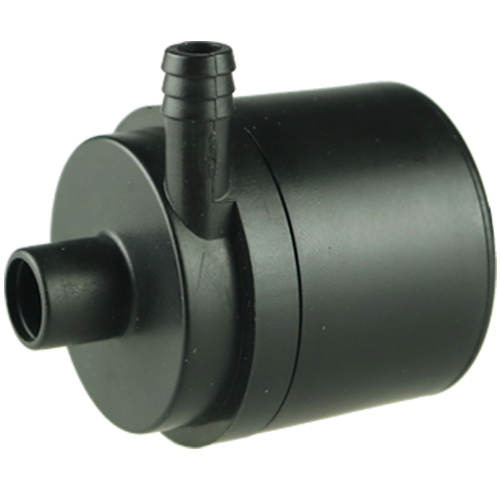
Reach Out Today
Looking for a micro pump manufacturer for your project? Contact JIGU Pump to discuss your application requirements and get a suitable pump recommendation and quotation.

Share Your Requirements
Share your application requirements, technical specifications, drawings, or reference images with our team.

Receive a Solution & Quotation
Our team will review your requirements and provide a suitable pump recommendation and quotation.

Confirm & Start Production
After sample approval and order confirmation, we proceed with production and arrange shipment according to the agreed schedule.