
Micro Pump Noise and Vibration: Causes and Solutions for OEM Equipment
Micro Pump Noise and Vibration: Causes and Solutions for OEM Equipment
Noise and vibration are important considerations when integrating a micro pump into OEM equipment. In applications such as medical devices, laboratory instruments, household appliances and compact cooling systems, excessive noise or vibration can affect the user experience, equipment stability and overall product quality.
However, micro pump noise and vibration do not always come from the pump itself. Motor operation, internal pumping components, fluid conditions, mounting structures and connected pipes can all contribute to the problem.
Understanding these factors early in the equipment design process makes it easier to select a suitable pump and develop an effective noise-control strategy.
This guide explains the common causes of micro pump noise and vibration, compares the characteristics of different pump types, and introduces practical methods OEM manufacturers can consider to improve operating performance.
1. What Causes Micro Pump Noise and Vibration?
A micro pump contains moving components and operates with mechanical and fluid forces. Some operating noise and vibration are therefore normal. The important question is whether the noise level and vibration are acceptable for the application.
Common sources include the following.
Motor and Mechanical Noise
The motor is one potential source of operating noise. Depending on the motor design and operating conditions, noise may come from electromagnetic forces, bearings, rotating components or mechanical imbalance.
For brushed DC motors, brush and commutator contact can also contribute to mechanical noise. Brushless DC motors eliminate this mechanical brush contact, but they are not automatically silent. Bearing noise, electromagnetic effects and motor-control characteristics may still influence the overall sound.
Internal Pumping Components
Different pump types produce noise through different mechanisms.
For example:
Diaphragm pumps have reciprocating diaphragms and inlet and outlet valves. Their movement and valve operation can generate periodic noise.
Centrifugal pumps use rotating impellers. Flow turbulence, hydraulic conditions and rotating components may contribute to noise.
Gear pumps use rotating gears to move liquid. Gear engagement and fluid-pressure changes can produce mechanical and hydraulic noise.
The actual noise level depends on the pump design, speed, operating point and application conditions.
Fluid Flow and Pressure Changes
Fluid conditions can also affect pump noise.
Potential contributors include:
Unstable inlet conditions
Air entering a liquid system
Excessive flow resistance
Sudden pressure changes
Cavitation in applications where local pressure falls sufficiently low
Pulsating flow in positive-displacement pump systems
For this reason, a pump should be evaluated under its actual working conditions rather than only under no-load or laboratory conditions.
Mounting and Equipment Resonance
Sometimes the pump itself is not particularly noisy, but the equipment becomes noisy after installation.
A rigid mounting structure may transmit vibration to the equipment housing. Large panels, thin metal brackets or connected pipes may amplify certain vibration frequencies and create noticeable resonance.
This is why pump installation and equipment structure should be considered together.
2. Noise and Vibration Characteristics of Different Micro Pump Types
Different pump technologies have different operating mechanisms. Their noise and vibration characteristics should therefore be evaluated separately.
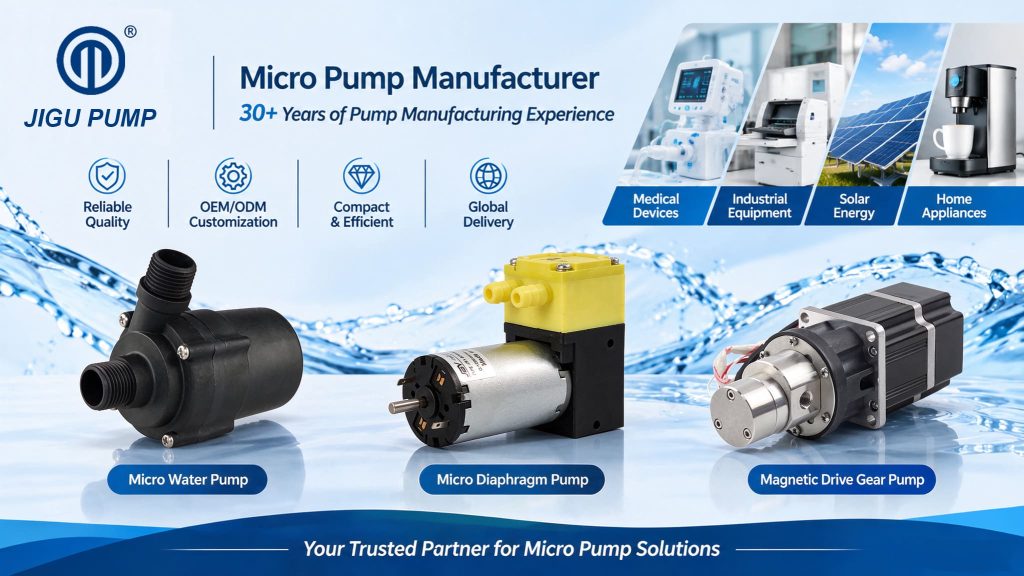
Micro Centrifugal Water Pumps
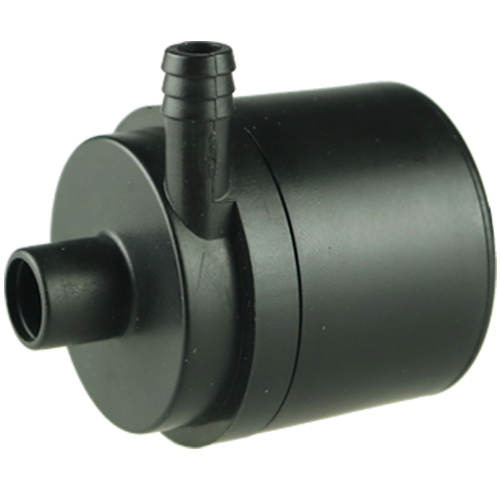
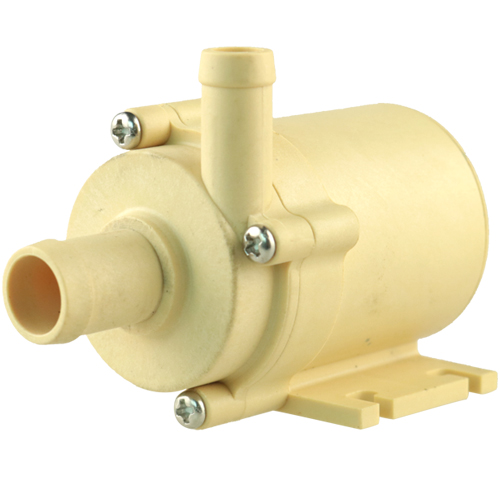
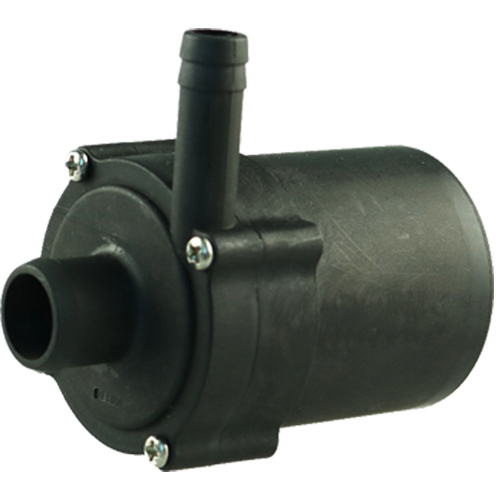
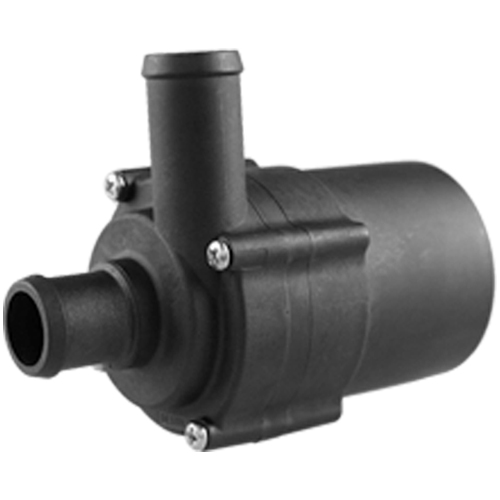
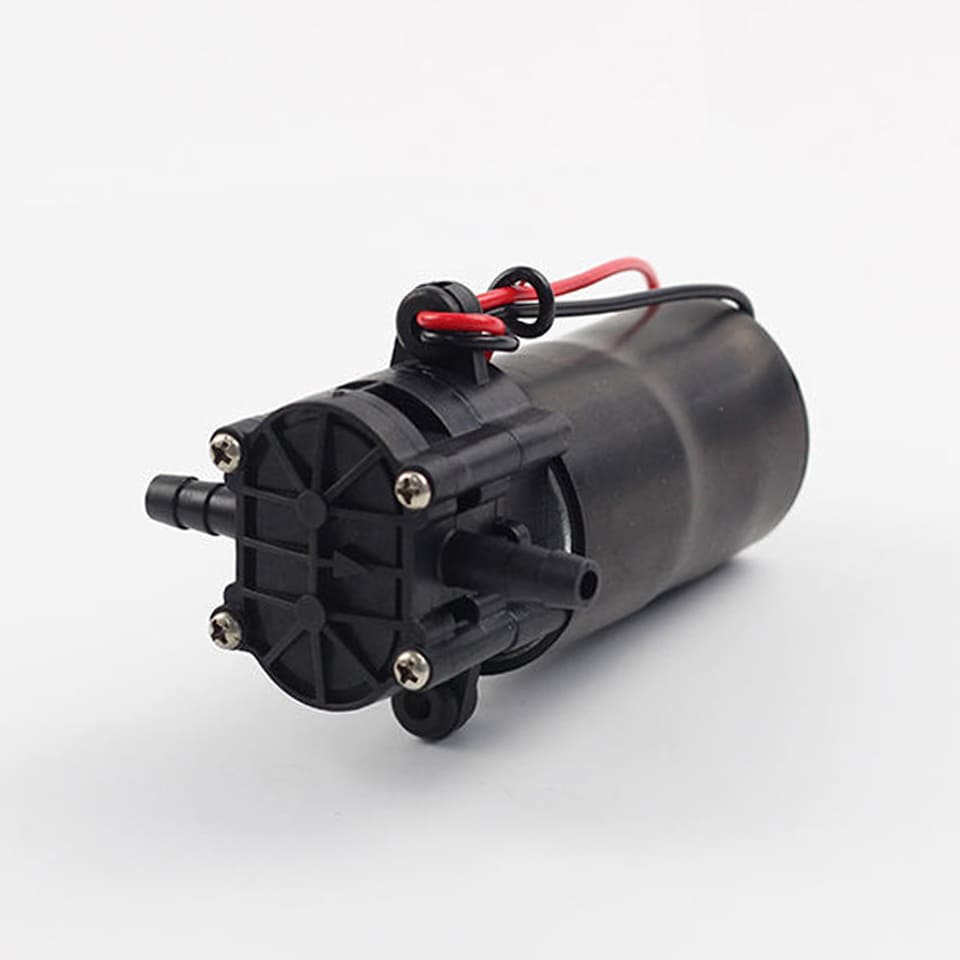
Micro centrifugal pumps use a rotating impeller to transfer liquid. Their operating noise may come from the motor, impeller rotation and hydraulic conditions.
Potential factors include:
Motor and bearing noise
Flow turbulence
Inadequate inlet conditions
Air trapped in the liquid circuit
Operation outside the suitable performance range
Vibration transmitted through the pump mounting structure
For applications requiring quiet liquid circulation, selecting a suitable operating point and designing the inlet, outlet and mounting structure properly are important.
Learn more about JIGU micro centrifugal water pumps for OEM liquid circulation and cooling applications.
Micro Diaphragm Pumps
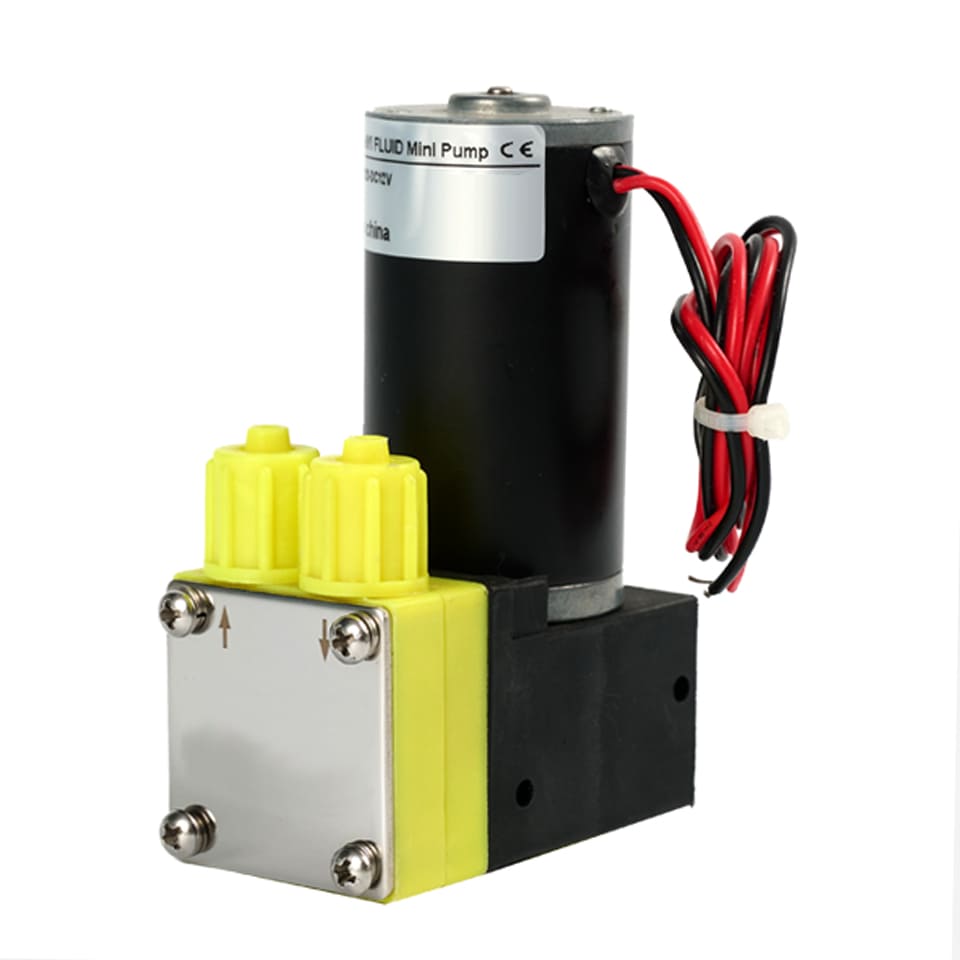
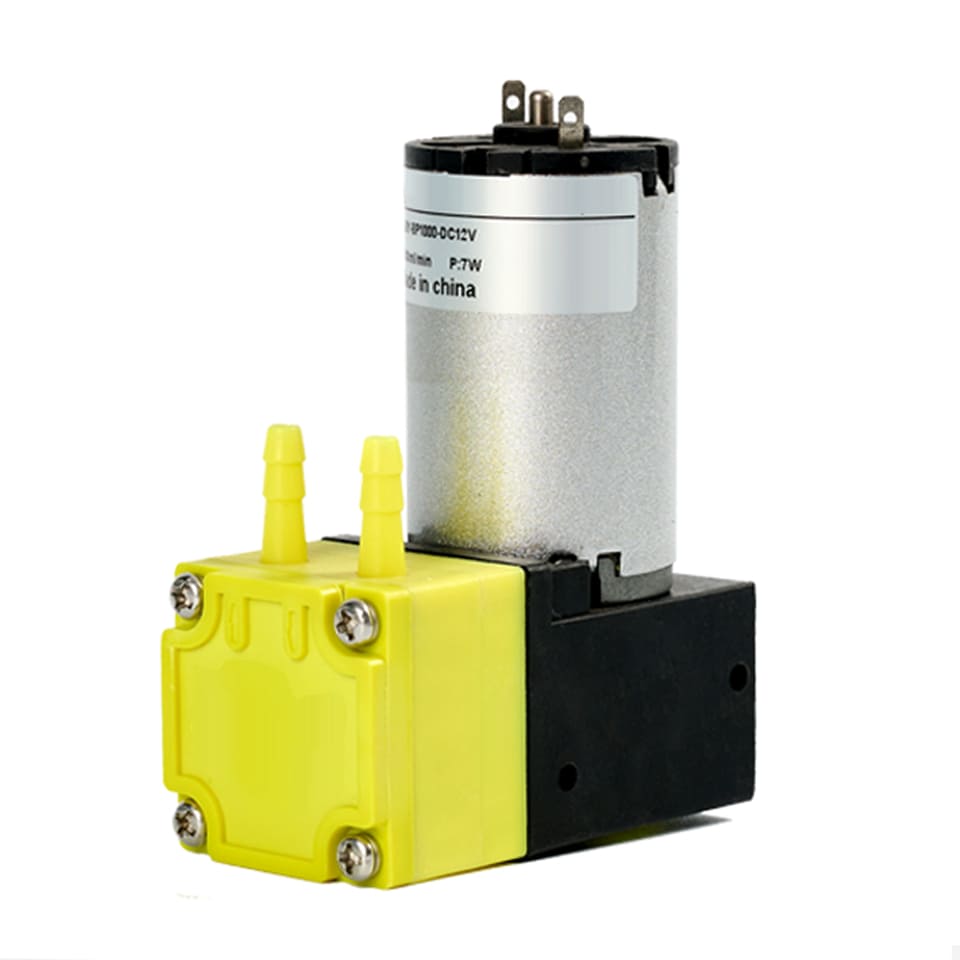
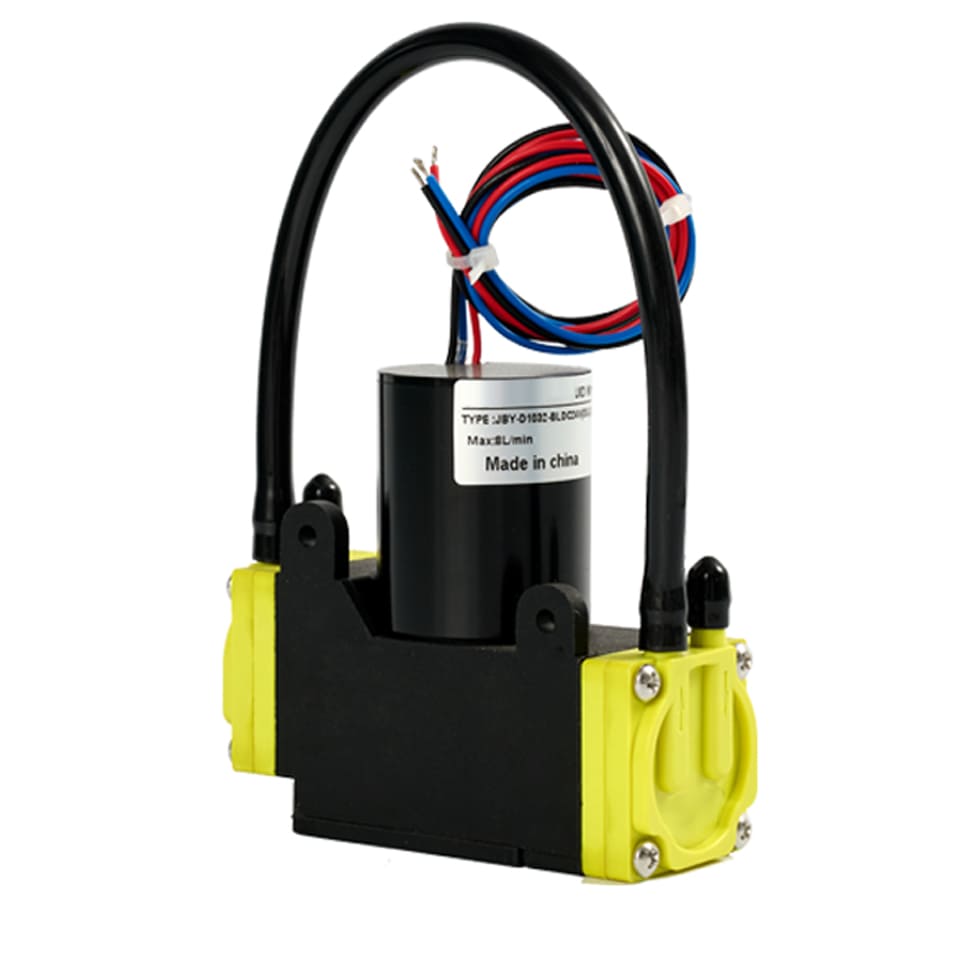
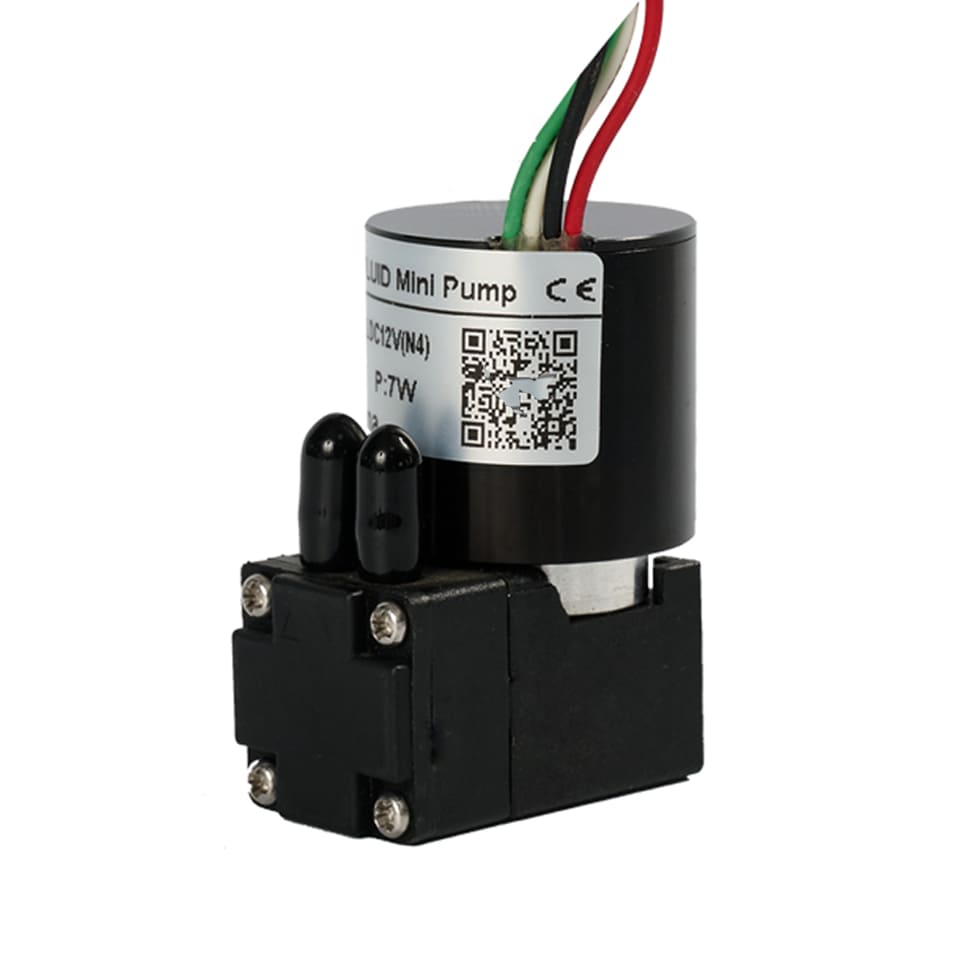
Micro diaphragm pumps use repeated diaphragm movement to transfer liquid or gas. Their reciprocating operation can create periodic mechanical movement and pressure pulsation.
Potential noise sources include:
Diaphragm movement
Valve operation
Motor and bearing noise
Pressure changes during operation
Vibration transmitted through the mounting base and connected tubing
For gas applications, silencers or suitable tubing arrangements may help reduce transmitted noise. However, these solutions must be evaluated against the required flow rate, pressure and vacuum performance.
For liquid applications, inlet conditions, fluid compatibility and pressure pulsation should also be considered.
Read more about JIGU micro diaphragm pumps for liquid, air and vacuum applications.
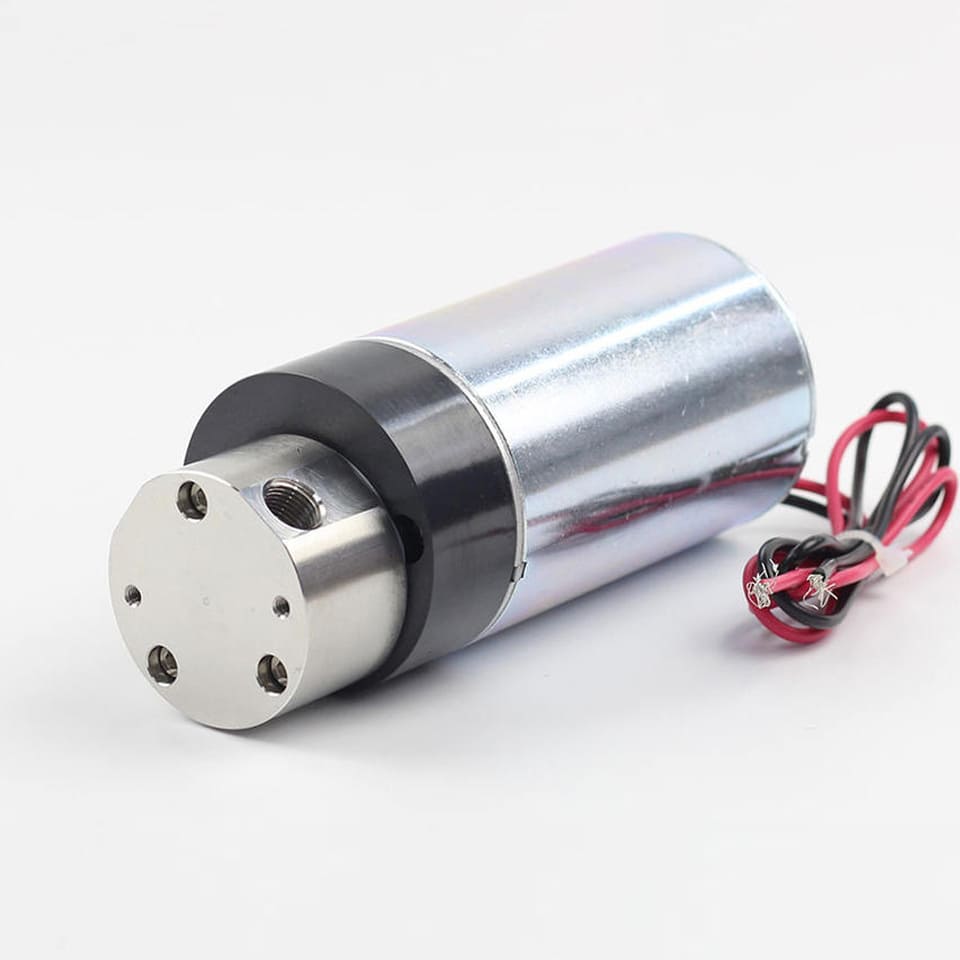
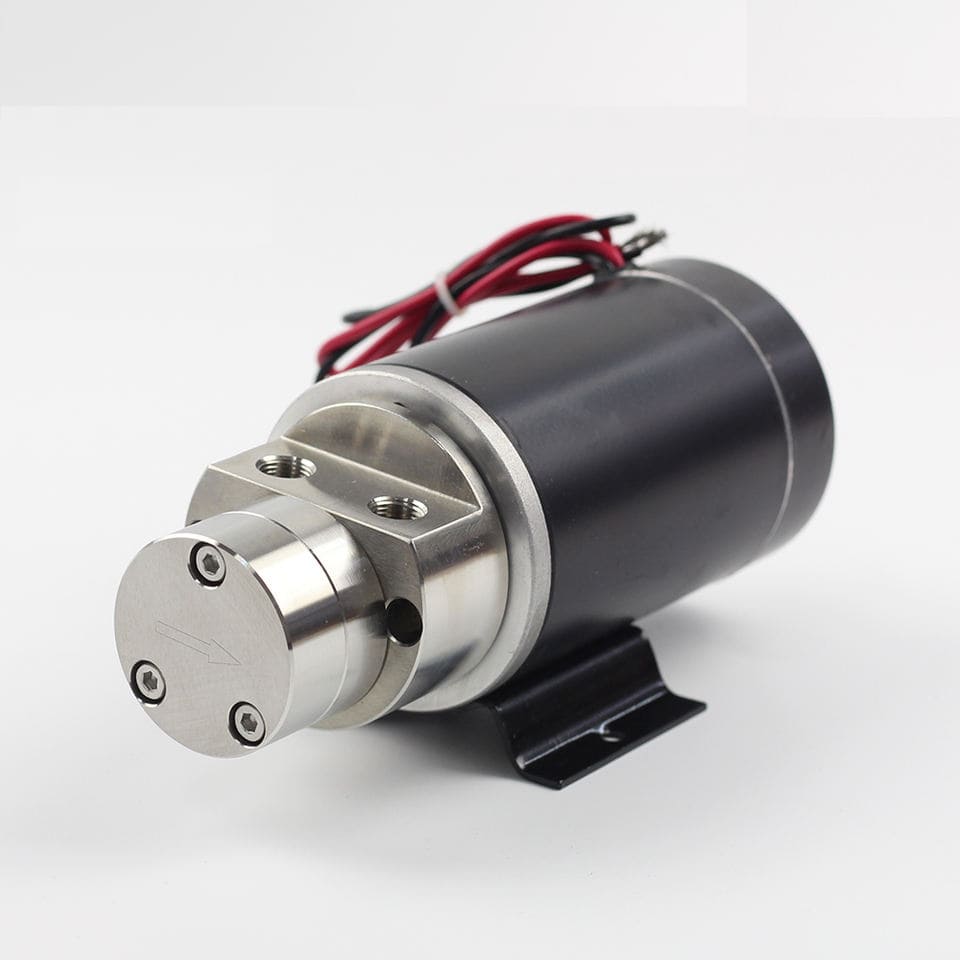
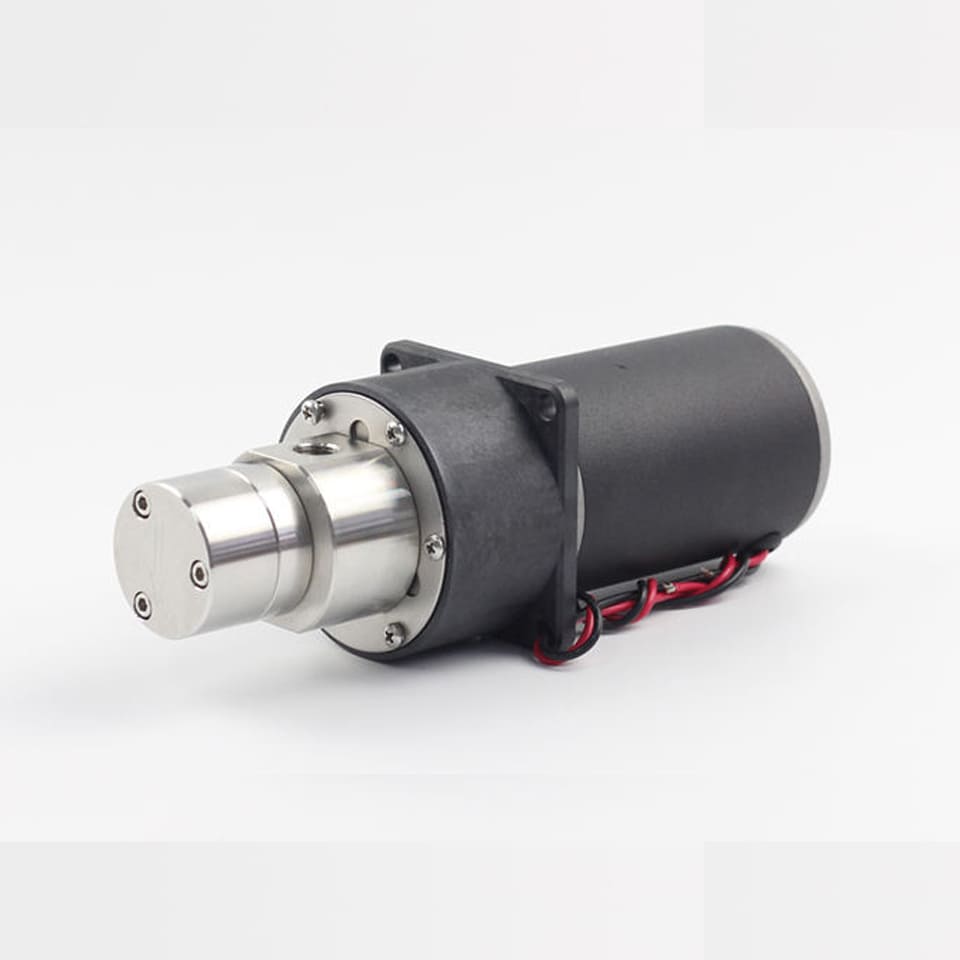
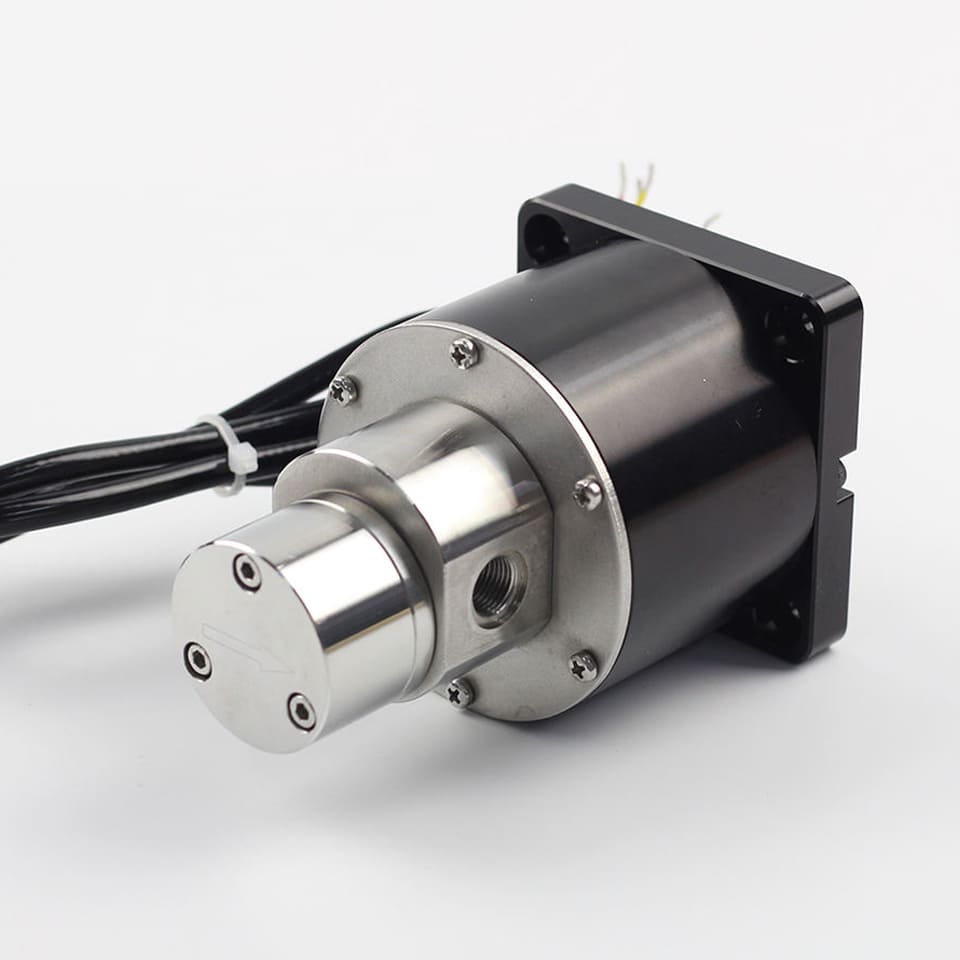
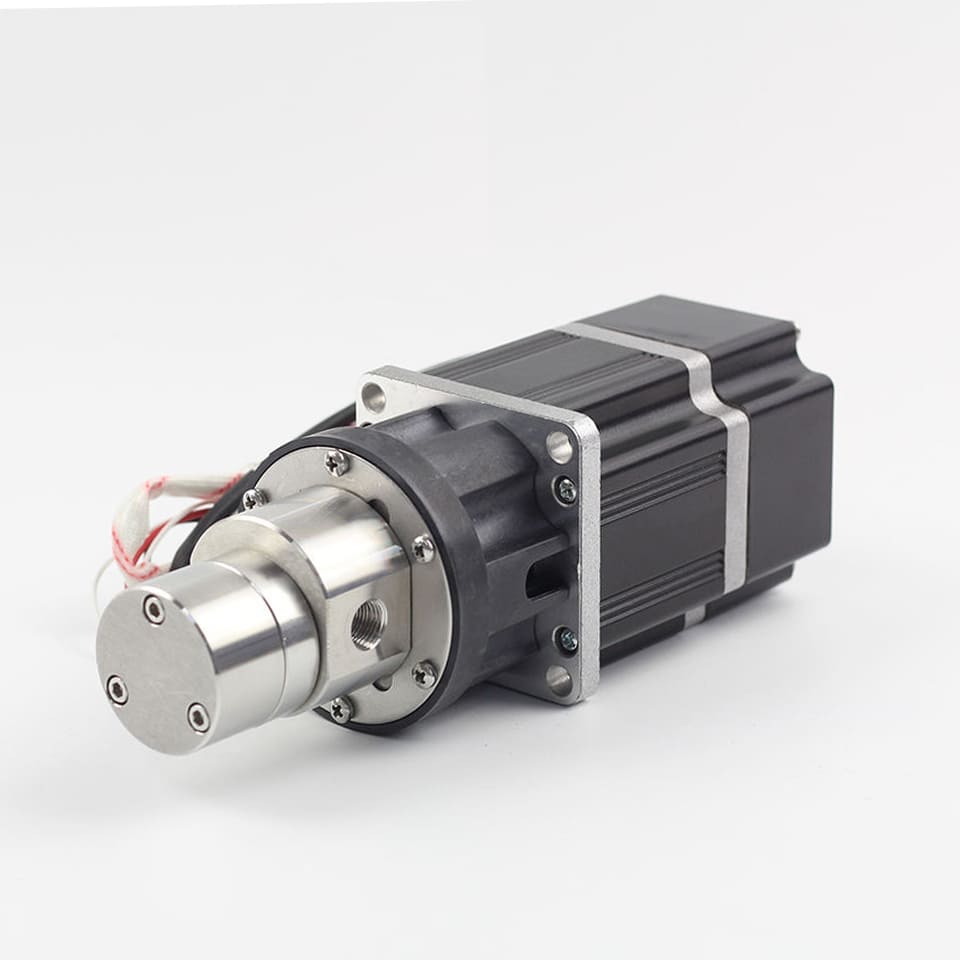
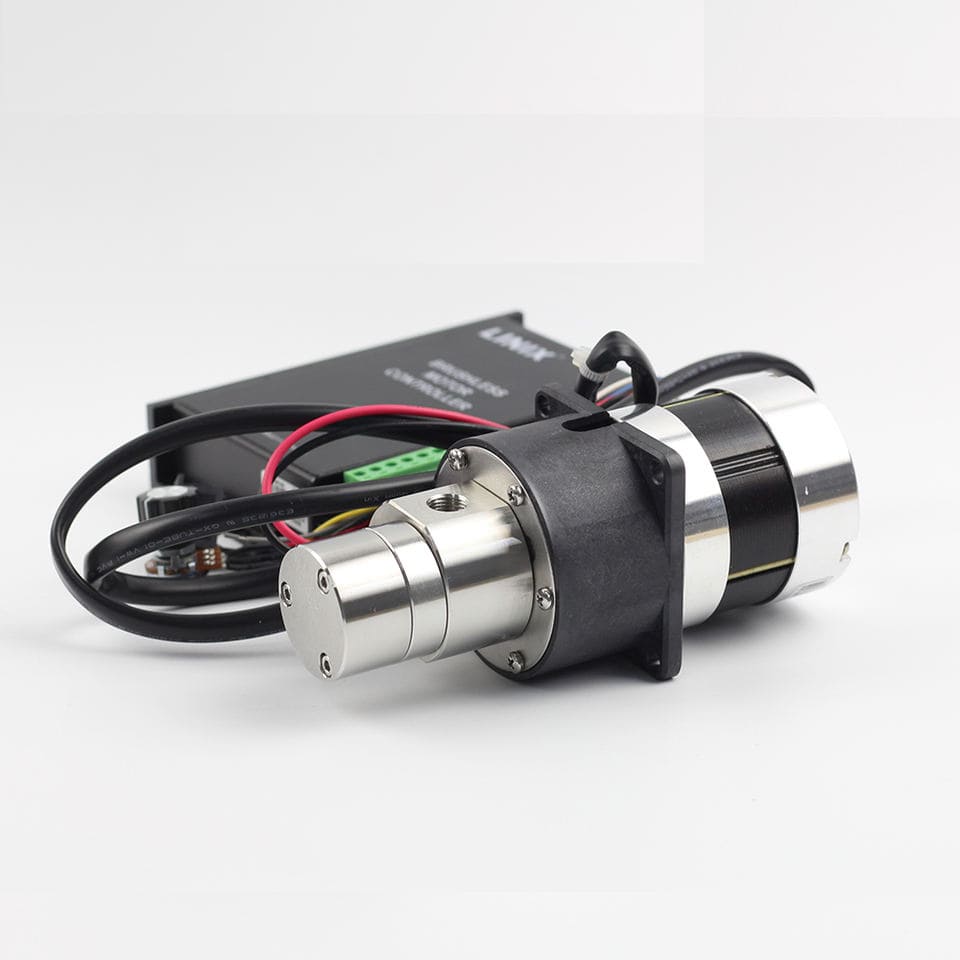
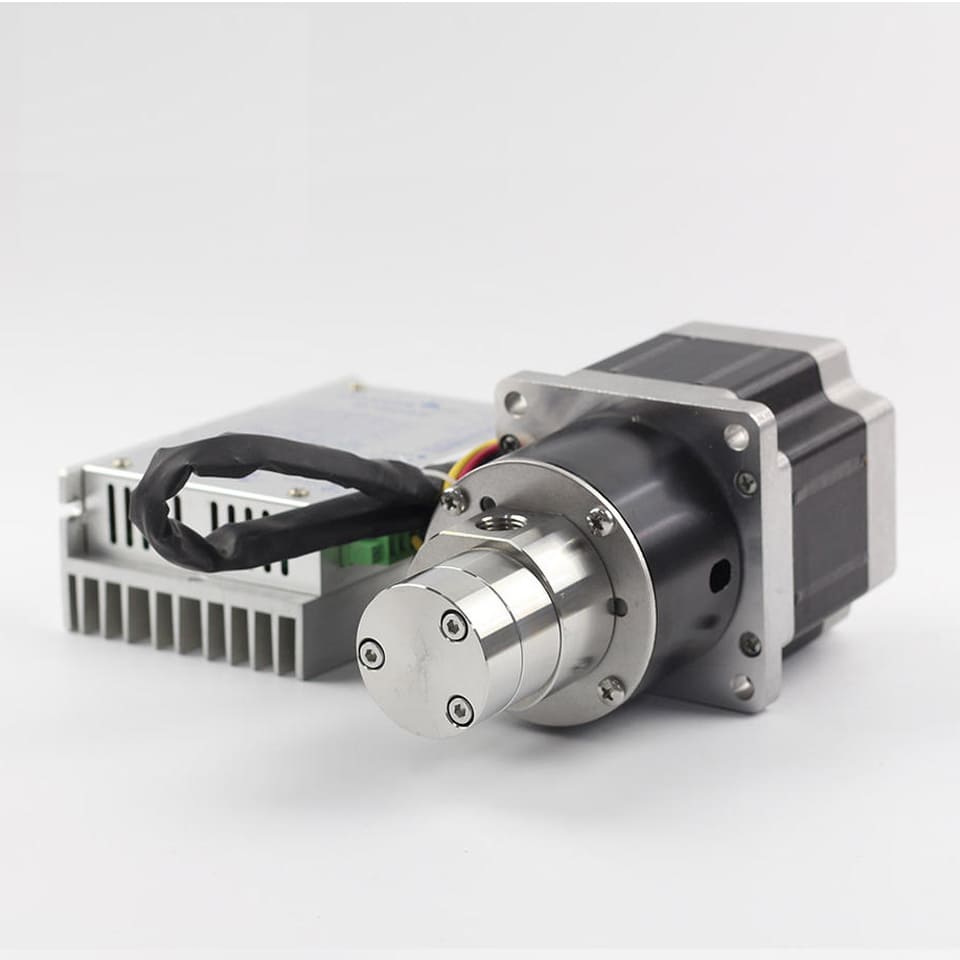
Magnetic Drive Gear Pumps
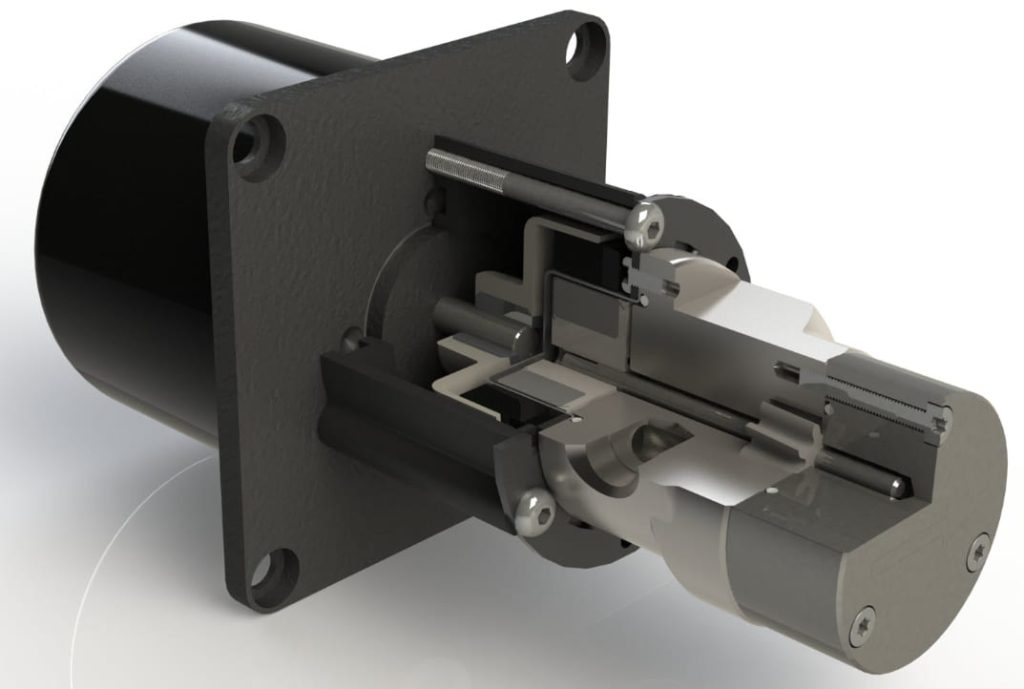
Magnetic drive gear pumps use rotating gears to transfer liquid, while a magnetic coupling transfers torque from the motor to the pump mechanism.
Potential noise and vibration sources include:
Motor and bearing operation
Gear engagement
Fluid-pressure fluctuations
Operating conditions and liquid properties
Pump mounting and connected pipework
The magnetic coupling removes the need for a conventional dynamic shaft seal between the motor and pump chamber, but it does not eliminate all possible mechanical or hydraulic noise.
Proper pump selection, fluid compatibility and system design remain important.
Explore JIGU magnetic drive gear pumps for compact OEM liquid transfer applications.
3. How to Reduce Micro Pump Noise and Vibration
There is no single solution for every application. The most effective approach depends on the source of the noise and the operating requirements of the equipment.
The following measures are worth considering during pump selection and equipment design.
1. Select a Suitable Pump and Operating Point
Pump selection should be based on the required flow rate, pressure, operating conditions and application.
Choosing a pump only by its maximum flow rate or maximum pressure may result in unsuitable operation after integration.
If a pump operates under excessive load, unstable inlet conditions or an unsuitable operating point, it may generate additional noise and vibration.
In some applications, selecting a pump with a different capacity and operating it under more suitable conditions may provide a better balance between performance and noise.
2. Consider Motor Type and Operating Speed
Motor configuration can influence the noise characteristics of a micro pump.
Brushless DC motors eliminate mechanical brush contact and can be suitable for applications where brush-related wear and noise are concerns.
However, the overall noise level also depends on motor design, bearings, drive electronics, operating speed and pump construction.
Reducing motor speed may reduce some sources of noise, but it can also affect flow rate and pressure. Any speed adjustment should therefore be evaluated against the required pump performance.
3. Use Suitable Vibration Isolation
Vibration isolation can help reduce the transmission of pump vibration to the equipment structure.
Depending on the application, possible measures include:
Rubber mounting feet
Suitable elastomeric mounts
Flexible mounting structures
Properly designed mounting brackets
Isolation elements for connected pipes or tubing
The mounting method should secure the pump while avoiding unnecessary vibration transmission.
For compact OEM equipment, the available installation space and required mechanical stability must also be considered.
4. Optimize Tubing and Pipe Connections
Connected tubing and pipes can transmit or amplify vibration.
Consider the following during system design:
Avoid unnecessary mechanical stress on pump connections.
Use suitable tubing materials and dimensions.
Provide proper support for longer pipes and tubes.
Avoid forcing pipes into alignment with pump ports.
Consider flexible connections where appropriate.
Check whether the tubing arrangement creates excessive flow resistance.
For liquid systems, inlet restrictions and unstable suction conditions should be investigated. For gas systems, tubing layout and exhaust arrangements may affect both pressure performance and sound transmission.
5. Consider Sound-Absorbing Materials and Enclosures
A suitable enclosure can help reduce airborne noise, but its design requires care.
An enclosure that is too rigid or poorly designed may amplify certain frequencies instead of reducing noise. It may also restrict airflow and increase the operating temperature of the motor or pump.
When designing a sound-insulating enclosure, consider:
Sound-absorbing materials
Internal space and clearance
Ventilation and heat dissipation
Pump maintenance access
Tubing and electrical connections
Noise reduction should never compromise the pump’s required cooling or operating conditions.
6. Evaluate Fluid and Operating Conditions
Fluid properties and operating conditions can influence noise and vibration.
For liquid pumps, check whether the liquid contains air, whether the inlet conditions are adequate and whether the system creates excessive resistance.
For diaphragm air pumps, consider pressure changes, exhaust noise and the arrangement of inlet and outlet silencers where applicable.
Any modification should be checked against the required flow, pressure, vacuum and fluid compatibility.
4. How OEM Equipment Design Affects Pump Noise
Pump noise should not be treated as an isolated component issue. The pump, mounting structure, tubing and equipment housing form one integrated system.
Several design considerations can make a meaningful difference.
Pump Installation Position
The location of the pump can influence how vibration is transmitted through the equipment.
Avoid placing the pump directly against large panels or structures that may amplify vibration. Consider the stiffness of the mounting surface and the mechanical connection between the pump and housing.
Structural Resonance
Every mechanical structure has natural vibration characteristics. If the operating frequency of the pump or motor is close to a structural resonance frequency, the equipment may produce noticeably amplified vibration or noise.
Changing the mounting structure, adding suitable isolation or adjusting the operating conditions may help address the issue.
Tubing and Housing Interaction
Tubing that touches the equipment housing can transmit vibration. Similarly, unsupported pipes may vibrate during operation.
OEM designers should check the complete installation rather than evaluating the pump separately from its connected components.
Operating Mode and Control Strategy
Some equipment operates continuously, while other systems switch the pump on and off or change operating conditions frequently.
Startup, shutdown and sudden load changes may produce noticeable sound or vibration.
Where the pump and control system allow it, a suitable operating strategy may help reduce abrupt changes. The control method must remain compatible with the selected motor and pump configuration.
5. How to Evaluate Micro Pump Noise During Testing
When noise is important to the final product, testing should be part of the OEM development process.
A pump’s noise performance can change significantly after it is installed in the equipment. Testing the pump alone may not represent the final user experience.
A practical evaluation should consider the following factors.
Test Under Representative Operating Conditions
Test the pump under conditions close to its intended application, including:
Required flow rate
Working pressure or vacuum
Actual liquid or gas
Supply voltage
Operating speed, where applicable
Normal operating temperature
The same pump may produce different noise levels under different operating conditions.
Use Consistent Measurement Conditions
When comparing different pump configurations, keep the test conditions consistent.
Consider documenting:
Measurement distance
Microphone position
Background noise
Pump mounting method
Tubing and connection arrangement
Flow and pressure conditions
Measurement equipment
Sound pressure level is commonly expressed in decibels (dB). However, a decibel value is meaningful only when the measurement conditions are clearly defined.
Evaluate the Complete Equipment
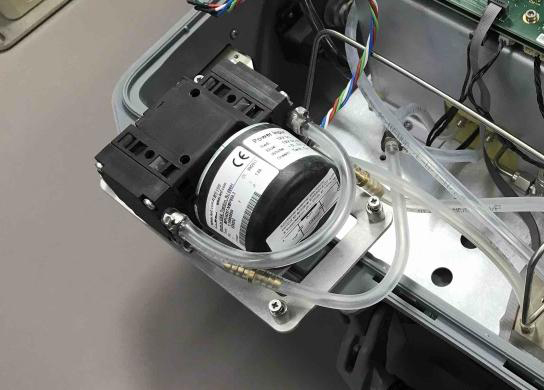
After initial pump testing, install the pump in the actual equipment and evaluate the complete system.
Check whether the enclosure, mounting structure or tubing creates additional noise or vibration.
If possible, compare the results before and after changing one design factor at a time. This makes it easier to identify the actual source of the problem.
6. What Information Should OEM Manufacturers Provide?
If noise or vibration is a key requirement, providing the following information can help a pump manufacturer evaluate the application more effectively.
Equipment type and application
Required flow rate and working pressure
Liquid or gas being handled
Supply voltage and motor requirements
Continuous or intermittent operating conditions
Available installation space
Pump mounting method
Tubing or pipe connection details
Target noise level, if specified
Any existing noise or vibration test results
If the equipment has already been developed, photos, videos or a short description of the problem can also help identify possible causes.
A clear noise target is especially useful. For example, a requirement such as “quiet operation” is difficult to evaluate without a defined measurement method and test conditions.
7. Why Work with JIGU for OEM Micro Pump Selection?
JIGU manufactures micro centrifugal water pumps, micro diaphragm pumps and magnetic drive gear pumps for OEM equipment applications.
Different pump types have different operating characteristics, and the best solution depends on the equipment’s actual requirements.
For OEM projects, pump selection can consider:
Required flow rate and pressure
Motor configuration
Liquid or gas handling requirements
Installation dimensions
Inlet and outlet connections
Operating conditions
Noise and vibration requirements
JIGU offers brushless DC motor configurations as a main option for its micro water pumps, diaphragm pumps and magnetic drive gear pumps. Brushed motor options are also available for diaphragm pumps and magnetic drive gear pumps, depending on the model.
For projects where noise and vibration are important, the pump configuration and installation conditions should be evaluated together. Testing under representative operating conditions is the best way to confirm whether a proposed solution meets the equipment’s requirements.
If you are developing equipment that requires a compact pump with specific noise or vibration requirements, contact JIGU to discuss your application.
8. Frequently Asked Questions
1. What causes a micro pump to make noise?
Micro pump noise may come from the motor, bearings, internal pumping components, fluid movement, pressure changes or vibration transmitted through the mounting structure and connected tubing. The actual source depends on the pump type and operating conditions.
2. Are brushless micro pumps quieter than brushed pumps?
Brushless motors eliminate mechanical brush contact, which can remove one source of mechanical noise. However, this does not guarantee that every brushless pump is quieter. Bearing design, motor control, pump structure and operating conditions also influence noise.
3. How can I reduce diaphragm pump noise?
Possible measures include selecting a suitable pump configuration, optimizing operating speed, evaluating valve and diaphragm design, using suitable silencers for gas applications and reducing vibration transmission through the mounting structure. The best solution depends on the application and required performance.
4. Can rubber mounts reduce pump vibration?
Suitable rubber or elastomeric mounts can help reduce vibration transmission from the pump to the equipment structure. Their effectiveness depends on the pump’s vibration characteristics, mounting arrangement and the properties of the isolation material.
5. Does a pump enclosure always reduce noise?
No. A properly designed enclosure may reduce airborne noise, but an unsuitable enclosure can amplify resonance or restrict ventilation. Heat dissipation, maintenance access and installation clearance must also be considered.
6. Can a micro pump be customized for low-noise applications?
Depending on the pump model and application, certain motor, mechanical, material or installation configurations may be evaluated for noise reduction. However, modifications can involve trade-offs in flow, pressure, dimensions, cost or other performance requirements. Testing is necessary to confirm the result.
Conclusion
Micro pump noise and vibration are influenced by more than the pump itself. Motor characteristics, pumping mechanisms, fluid conditions, mounting structures and equipment design all play a role.
For OEM manufacturers, the most effective approach is to consider noise and vibration during the early stages of pump selection and equipment development.
By evaluating the complete operating system and testing the pump under representative conditions, equipment manufacturers can make better decisions and develop products with more suitable noise and vibration performance.
Related Products
Reach Out Today
Looking for a micro pump manufacturer for your project? Contact JIGU Pump to discuss your application requirements and get a suitable pump recommendation and quotation.

Share Your Requirements
Share your application requirements, technical specifications, drawings, or reference images with our team.

Receive a Solution & Quotation
Our team will review your requirements and provide a suitable pump recommendation and quotation.

Confirm & Start Production
After sample approval and order confirmation, we proceed with production and arrange shipment according to the agreed schedule.