
Micro Pump Sample Testing: What OEM Buyers Should Check Before Ordering
Micro Pump Sample Testing: What OEM Buyers Should Check Before Ordering
Selecting a micro pump for OEM equipment involves more than reviewing a product catalog or comparing quoted specifications. A pump may appear suitable on paper, but its actual performance depends on the operating conditions, fluid properties, installation layout and control system of the final equipment.
This is why micro pump sample testing is an important step before placing a production order. Testing allows equipment manufacturers to evaluate whether a pump can meet the application’s requirements under representative conditions.
For OEM buyers, the objective is not simply to confirm that a sample runs. It is to verify its performance, identify potential integration issues and establish clear requirements for future production.
This guide explains the key checks to perform when evaluating micro pump samples, how to prepare a meaningful test and what to confirm before approving a pump for mass production.
Why Is Micro Pump Sample Testing Important?
A micro pump’s catalog specifications provide a useful starting point, but they do not always show how the pump will perform inside a particular machine.
For example, the actual flow rate may change when the pump operates against system resistance. Electrical current may vary with pressure and fluid conditions. Noise and vibration may also be affected by the mounting structure and connected tubing.
Sample testing helps OEM buyers:
Verify whether the pump meets the required flow and pressure conditions.
Check electrical compatibility with the equipment.
Evaluate noise, vibration and temperature during operation.
Identify possible fluid compatibility or installation problems.
Compare samples from different suppliers under consistent conditions.
Establish measurable acceptance criteria before production.
A sample that runs successfully under one test condition is not automatically suitable for every operating condition. The test should reflect the intended application as closely as practical.
7 Key Tests to Perform on Micro Pump Samples
The required tests depend on the pump type and application. The following seven areas provide a practical starting point for evaluating centrifugal water pumps, diaphragm pumps and magnetic drive gear pumps.
1. Flow Rate and Pressure Testing
low rate and pressure are usually among the first parameters OEM buyers should verify.
However, these values should not be evaluated independently. A pump’s actual flow rate depends on the pressure or system resistance it operates against.
During testing, consider checking:
Flow rate at the required operating pressure.
Outlet pressure under the intended flow conditions.
Performance at several relevant operating points, where practical.
Whether the pump can meet the equipment’s normal operating requirements.
Whether performance remains sufficiently stable during the test.
Do not assume that a pump can deliver its maximum rated flow rate and maximum pressure simultaneously. These values may represent different operating points.
For centrifugal pumps, a performance curve can help explain the relationship between flow rate and head. The actual operating point depends on the interaction between the pump and the connected system.
For additional guidance, see our article on Micro Pump Flow Rate and Pressure.
For centrifugal pump applications, the Hydraulic Institute’s ANSI/HI 14.6 standard for rotodynamic pump hydraulic performance acceptance tests provides a reference for structured performance testing. Its scope is specific to rotodynamic pumps, so other micro pump technologies may require different test methods.
2. Electrical Performance Testing
Electrical compatibility is essential when integrating a micro pump into OEM equipment.
A pump may have the correct nominal voltage but still behave differently when connected to the actual power supply or control circuit.
Depending on the application, check:
Operating voltage.
Current consumption under relevant operating conditions.
Starting behavior.
Electrical connections and wiring.
Motor or controller compatibility.
Response to the equipment’s control signals, if applicable.
For brushless DC pumps, the motor drive and control requirements should be considered alongside the pump itself. Do not assume that every brushless pump supports external speed control or the same control interface.
For brushed DC pump configurations, check the electrical requirements and operating behavior specified for the selected model.
Record the test voltage and operating conditions together with the measured current. This makes it easier to compare results and identify differences between samples.
3. Noise and Vibration Testing
Noise and vibration can affect the perceived quality of an OEM product, particularly in medical equipment, laboratory instruments, household appliances and other noise-sensitive applications.
During sample evaluation, check:
Operating noise under normal conditions.
Vibration transmitted through the pump mounting points.
Changes in noise at different operating pressures or flow rates.
Noise caused by tubing, fittings or contact with the equipment housing.
Unusual sounds during startup and shutdown.
The test setup matters. A pump mounted on a rigid test bench may sound different from the same pump installed inside a plastic equipment enclosure.
Whenever possible, evaluate the pump in a mounting arrangement similar to the final equipment.
For more detail, see Micro Pump Noise and Vibration: Causes and Solutions for OEM Equipment.
4. Temperature and Operating Condition Testing
Temperature can influence pump performance, material behavior and component reliability.
OEM buyers should evaluate the pump under the temperature conditions expected in the equipment, where practical.
Consider checking:
Ambient temperature during testing.
Fluid temperature.
Pump surface or motor temperature during operation.
Changes in performance as the pump warms up.
Whether the pump operates consistently during the intended duty cycle.
The test should reflect the actual application rather than an arbitrary condition.
For example, a pump used in a compact cooling unit may experience different thermal conditions from one installed in a room-temperature laboratory instrument.
Also distinguish between a short functional test and a longer operating test. A brief test can confirm basic operation, but it cannot establish long-term service life.
5. Liquid or Gas Compatibility Testing
Fluid compatibility is particularly important when the pump handles chemicals, cleaning solutions, coolants or other liquids with specific material requirements.
Before testing, identify the actual fluid or a representative test medium. Water testing alone may not be sufficient to establish compatibility with a different liquid.
Review the following:
Fluid composition.
Concentration and viscosity.
Operating temperature.
Chemical compatibility of wetted components.
Potential effects on seals, diaphragms, valves and other internal parts.
Whether particles or contaminants may be present.
For air and gas applications, consider the gas properties, operating pressure, required vacuum level where applicable, and the intended operating cycle.
A successful short test does not automatically prove long-term chemical compatibility. The suitability of the pump must be evaluated against the actual fluid and operating conditions.
Our guide to Micro Pump Materials and Fluid Compatibility explains the main factors involved in selecting wetted materials.
6. Installation and Connection Verification
A pump may meet its performance requirements but still be difficult to integrate into the equipment.
Check the physical and mechanical details before approving the sample:
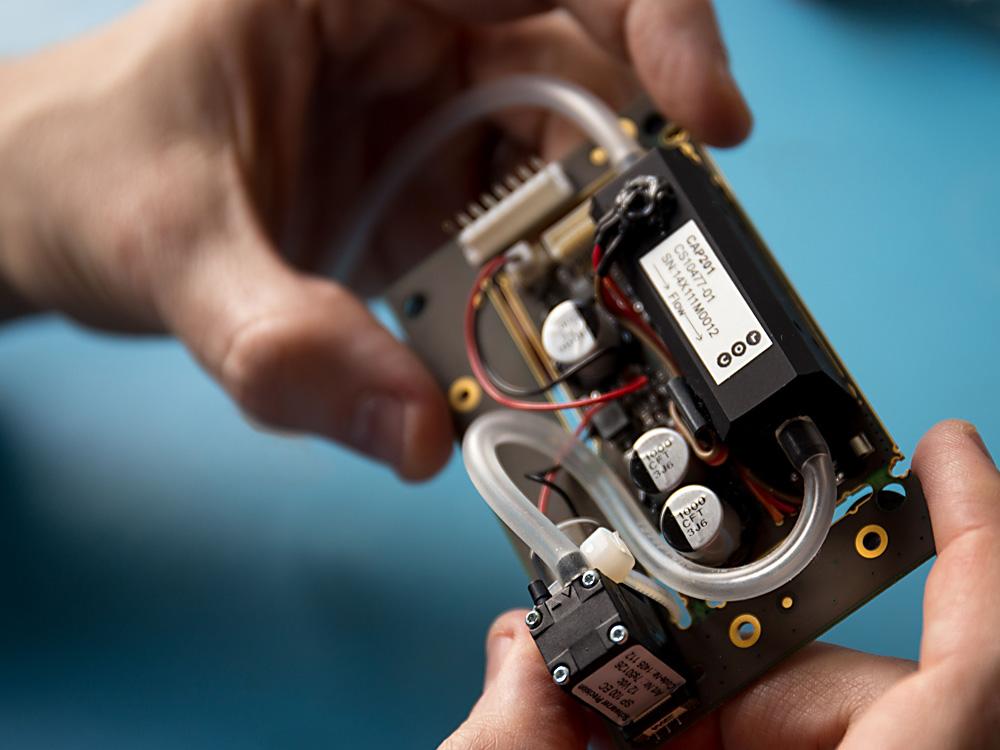
Overall dimensions and available installation space.
Mounting holes and fixing positions.
Inlet and outlet locations.
Tube or fitting compatibility.
Electrical connector and wire length.
Direction of fluid flow.
Clearance for maintenance or replacement, if required.
Also evaluate the effect of the connected tubing and fittings on pump performance.
A restrictive inlet, unsuitable tube diameter or excessive tubing length may affect the actual operating conditions. The pump should therefore be tested with a representative connection layout whenever possible.
For OEM projects, it is useful to confirm these details before finalizing the equipment design. This can reduce unnecessary changes during later development stages.
7. Continuous and Repeated Operation Testing
A pump that starts and runs successfully for a few minutes may still encounter problems during repeated operation or longer duty cycles.
Depending on the application, consider evaluating:
Repeated startup and shutdown.
Operation over the intended working cycle.
Performance stability during the test period.
Changes in noise, vibration or temperature.
Leakage or other visible abnormalities.
Restart behavior after a defined stop period.
The test duration and operating pattern should be agreed upon according to the application.
For example, a pump used intermittently in a household appliance may require a different test cycle from one used in equipment designed for extended operation.
It is important to distinguish between an operational test and a full life test. Passing a limited continuous-operation test does not establish a guaranteed service life.
For further reading, see Micro Pump Reliability and Service Life: What OEM Manufacturers Should Know.
How to Prepare a Fair Micro Pump Sample Test
A meaningful sample evaluation requires consistent test conditions.
If two suppliers’ pumps are tested using different voltages, tubing arrangements, fluids or pressure conditions, the results may not be directly comparable.
Before testing, prepare a basic test plan covering the following items.
Define the Required Operating Conditions
Document the actual equipment requirements before starting the test.
Useful information includes:
Required flow rate and pressure.
Operating voltage and control method.
Fluid or gas type.
Fluid temperature and ambient temperature.
Expected operating cycle.
Installation dimensions and connection requirements.
Noise or vibration limitations, if defined.
If the final equipment design is not complete, use the best available operating information and clearly identify any assumptions.
Use Consistent Test Equipment and Connections
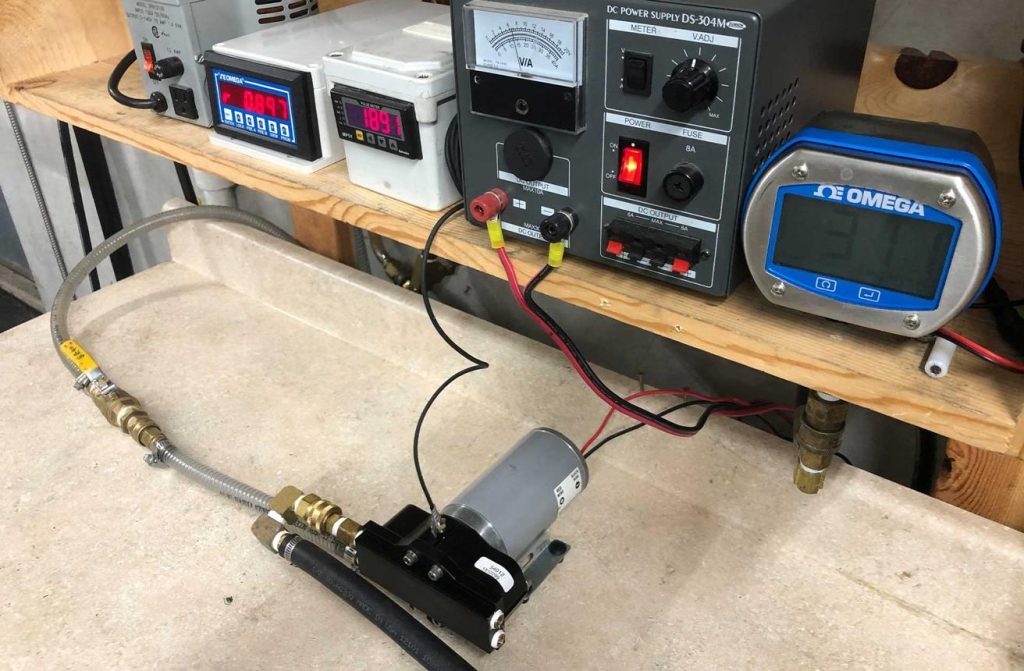
Where possible, use the same measuring instruments, tubing, fittings and test arrangement when comparing different samples.
The measurement equipment should be suitable for the expected measurement range. Its calibration status and measurement limitations should also be considered.
The NIST guidance on metrological traceability explains why documented measurement processes and calibration references matter when establishing confidence in measurement results.
This does not mean every OEM sample test must follow a formal laboratory accreditation procedure. The level of measurement control should be appropriate to the project’s technical requirements and acceptance criteria.
Record the Test Conditions Alongside the Results
A test result is much more useful when its conditions are documented.
For example, a flow rate measurement should be recorded together with the relevant voltage, fluid, temperature and outlet pressure.
A simple test record may include:
| Test item | Information to record |
| Pump identification | Model, sample number and supplier |
| Electrical conditions | Voltage and current |
| Hydraulic or pneumatic performance | Flow rate, pressure or vacuum |
| Fluid or gas | Type and relevant properties |
| Temperature | Ambient and fluid temperature |
| Installation | Tubing, fittings and mounting arrangement |
| Operating pattern | Test duration and duty cycle |
| Observations | Noise, vibration, leakage or abnormalities |
This record helps the engineering and purchasing teams review results consistently and communicate any issues to the supplier.
How to Evaluate Micro Pump Test Results
After testing, compare the measured results with the requirements defined for the equipment.
Avoid approving a sample simply because it runs or because one measured value looks satisfactory.
A practical evaluation should consider three levels.
1. Performance Compliance
Does the sample meet the required flow, pressure, electrical and operating conditions?
Where tolerances are important, define acceptable ranges before testing rather than deciding after seeing the results.
2. Equipment Integration
Can the pump be installed and operated in the intended equipment without unacceptable changes to the design?
Check mechanical dimensions, connections, tubing, electrical interfaces, noise and vibration.
3. Repeatability and Consistency
If several samples are available, compare their results under the same conditions.
Differences between samples may indicate a need for further investigation, but a small sample quantity cannot establish the full consistency of mass production.
The number of samples and the acceptance method should be agreed upon according to project risk, production volume and quality requirements.
What Should Be Confirmed Before Mass Production?
Once a sample passes the agreed evaluation, OEM buyers should confirm that the approved configuration can be maintained during production.
Important points include:
Final product specifications: Confirm the approved model, performance requirements and electrical configuration.
Materials and components: Identify the relevant wetted materials, motor configuration and other critical components.
Mechanical and electrical details: Confirm dimensions, mounting, connections, wiring and other integration requirements.
Quality inspection criteria: Agree on which characteristics will be checked during production and how acceptance will be determined.
Sample-to-production consistency: Confirm that the production version will follow the approved sample configuration.
Change management: Establish how the supplier will communicate changes to materials, components, design or manufacturing processes.
Packaging and delivery: Confirm packaging requirements, order quantities and delivery arrangements.
A sample approval should be based on a clearly identified configuration. If important specifications change later, the buyer may need to review or retest the revised version.
Common Mistakes During Micro Pump Sample Testing
Several mistakes can make sample evaluation less reliable.
Testing only at no load or under one operating condition
A pump may perform well in a simple test but behave differently when connected to the actual equipment. Include representative system resistance and operating conditions.
Comparing suppliers using different test setups
Different tubing, voltage, fluids or measurement methods can make the results misleading. Keep the test conditions consistent wherever possible.
Focusing only on maximum flow rate
Maximum flow rate does not necessarily represent the pump’s performance at the required operating pressure. Evaluate the actual operating point.
Ignoring electrical and installation compatibility
A pump that meets hydraulic requirements may still require changes to the equipment’s wiring, mounting or fluid connections.
Treating a short test as proof of service life
Short-term operation can reveal certain problems, but it cannot replace a properly designed durability or life test.
Approving a sample without defining the production configuration
Without an agreed specification and change-control process, the production version may differ from the sample that was originally evaluated.
Why Consider JIGU for OEM Micro Pump Projects?
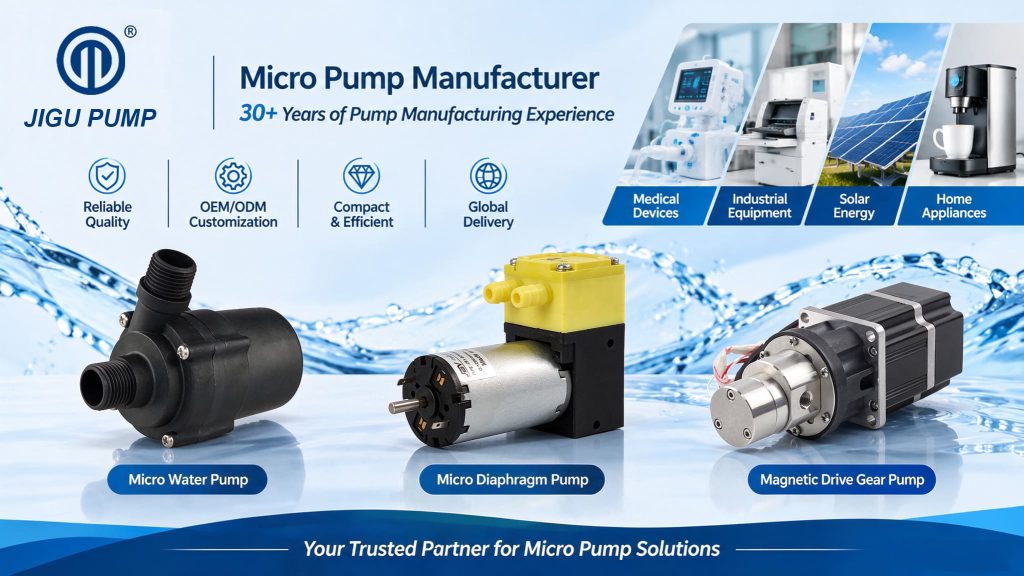
JIGU has been manufacturing micro pumps since 1990, supporting equipment manufacturers with different fluid handling requirements.
Our main product categories include:
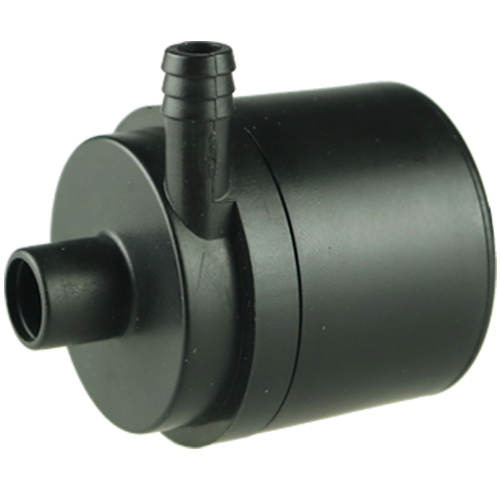
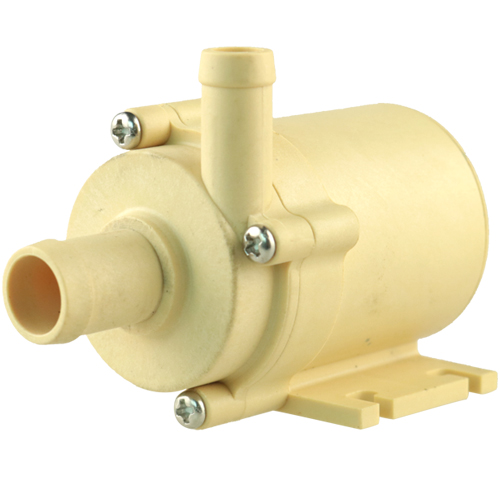
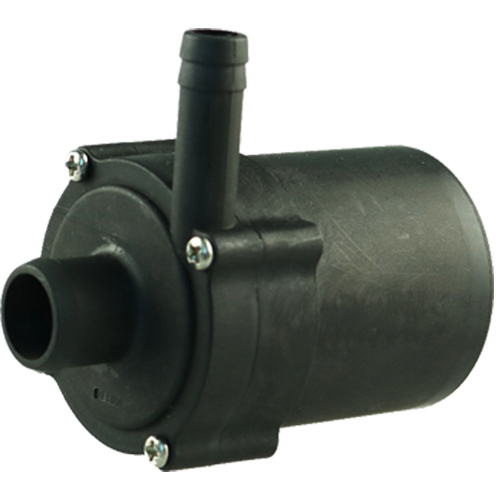
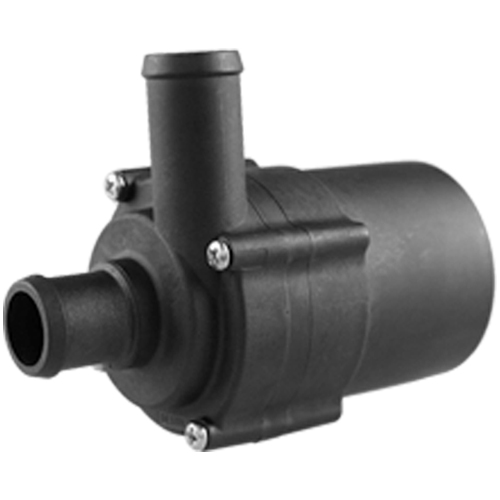
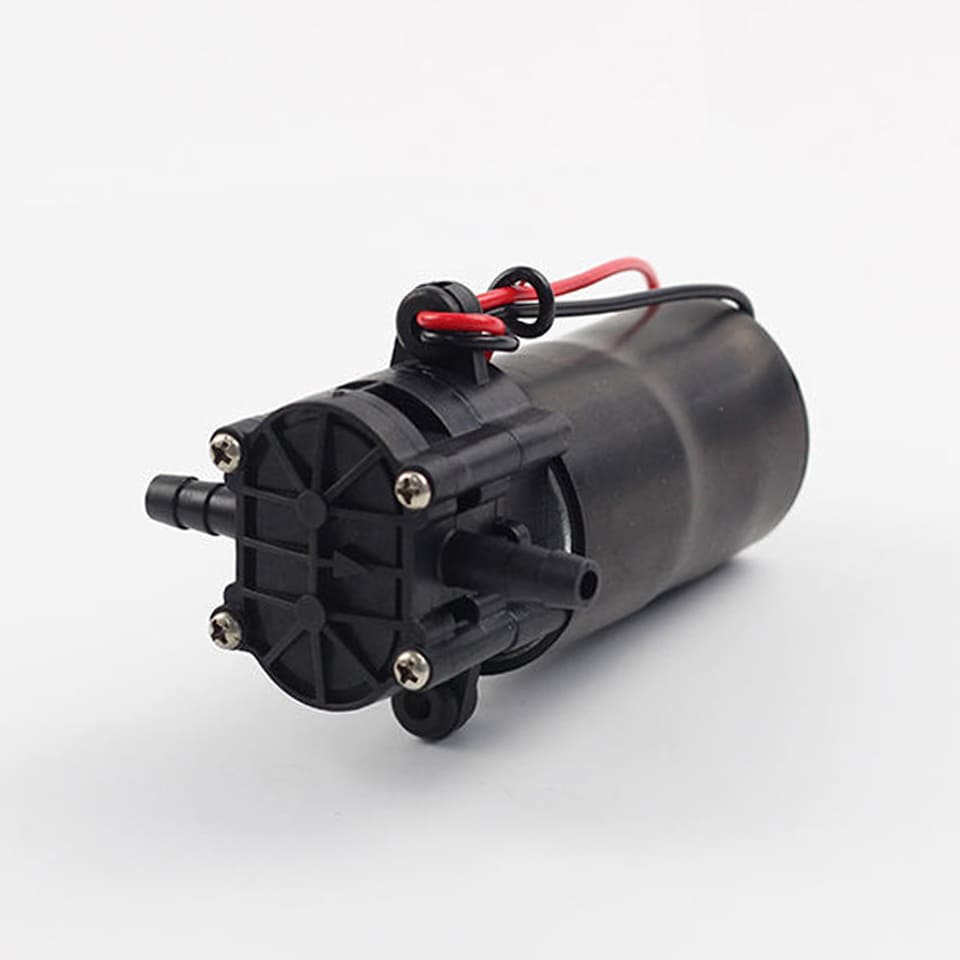
Micro Centrifugal Water Pumps for selected liquid circulation and transfer applications.
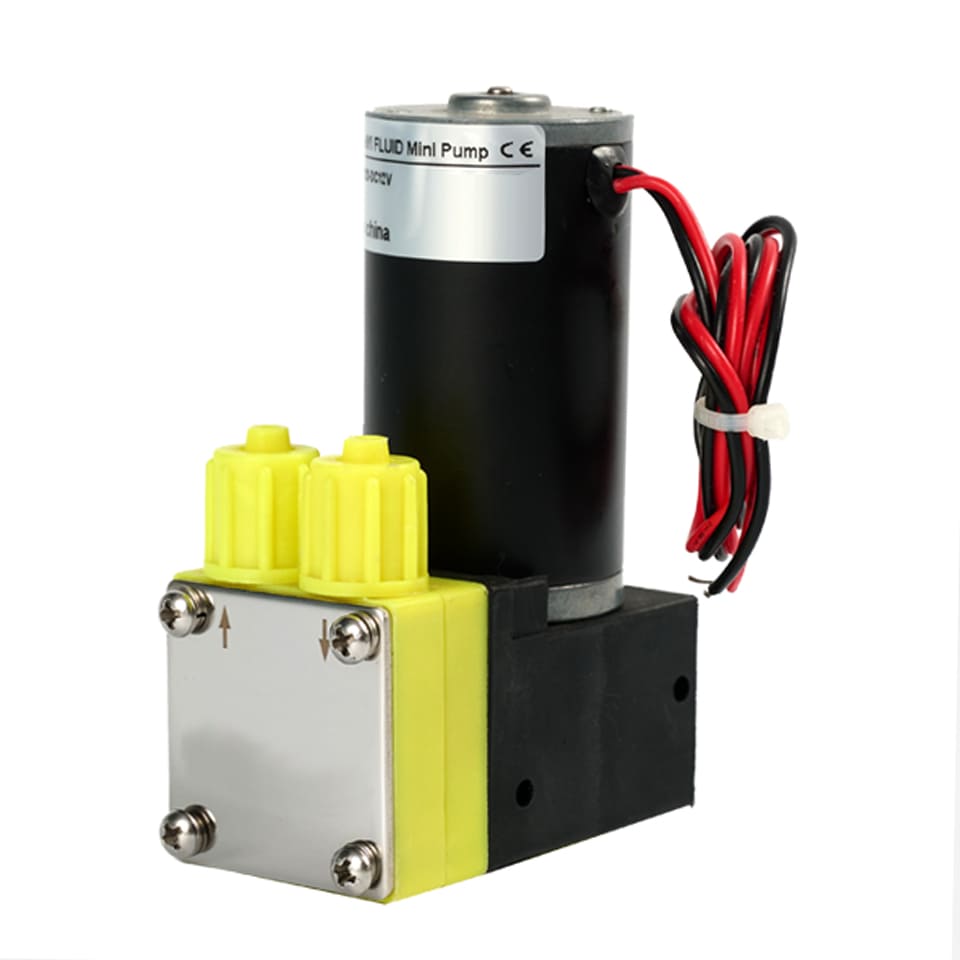
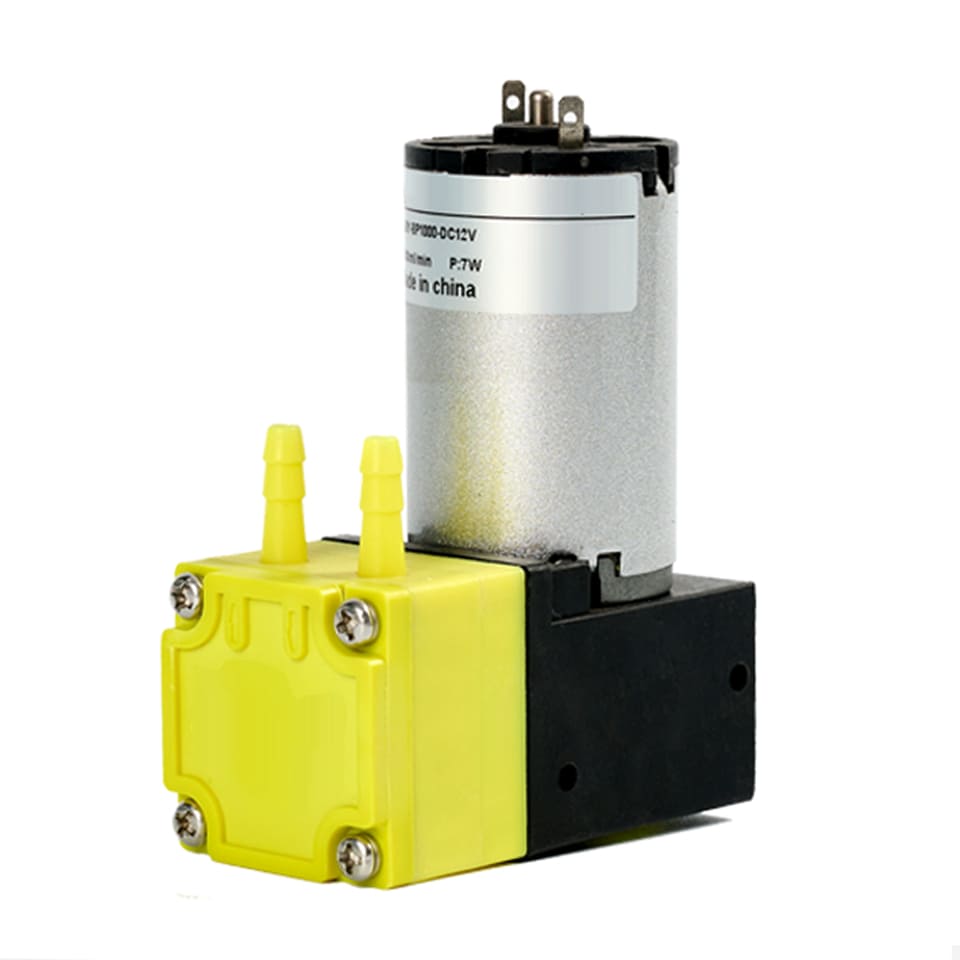
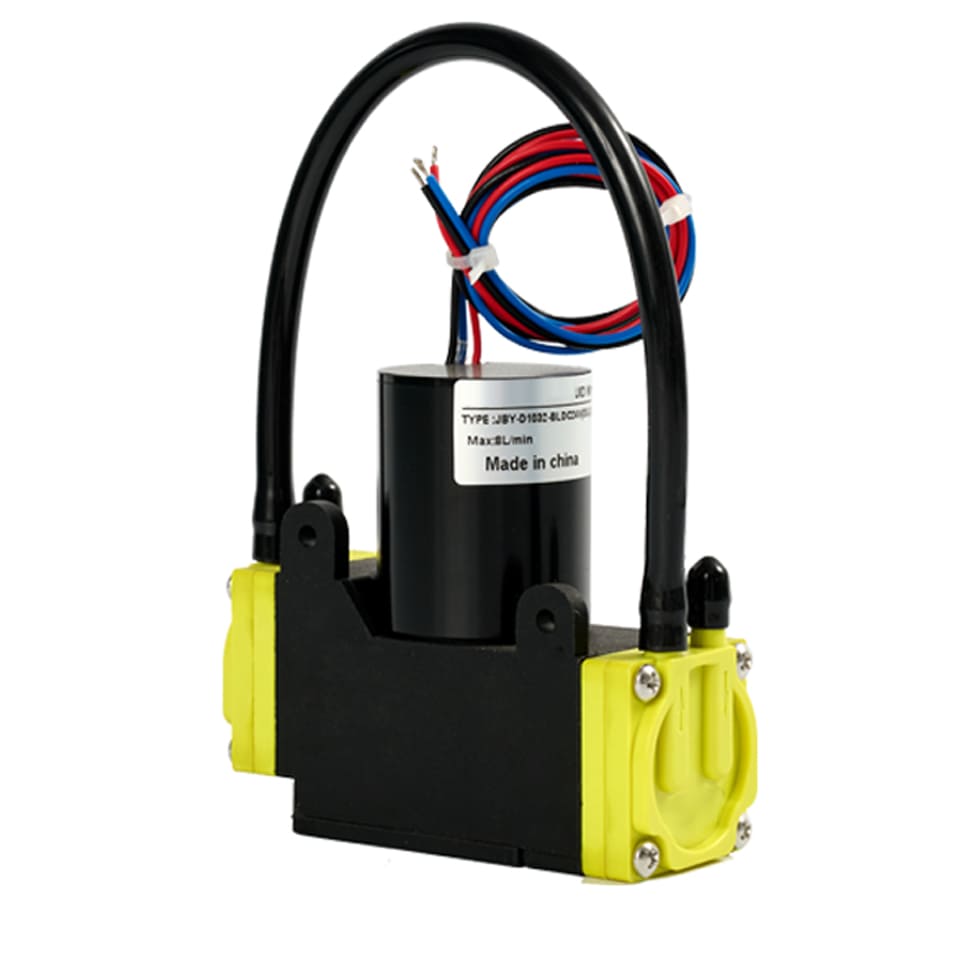
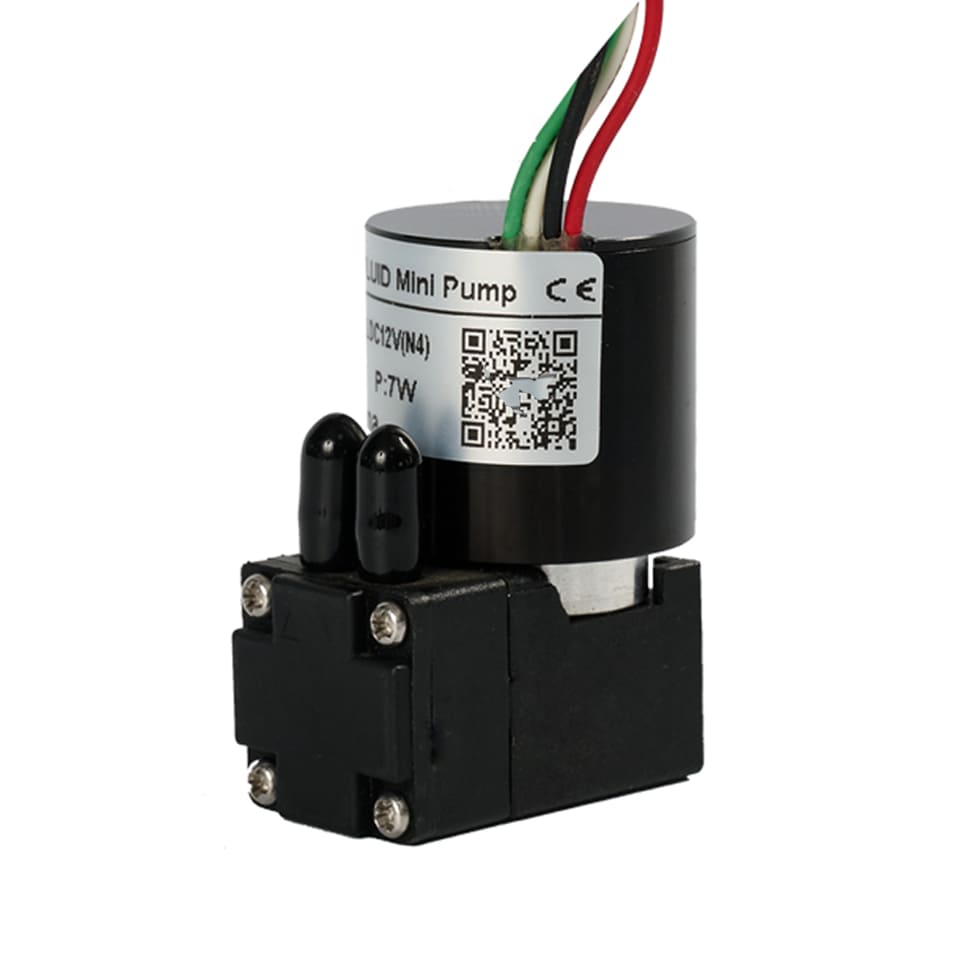
Micro Diaphragm Pumps for liquid, air and vacuum-related applications, depending on the model configuration.
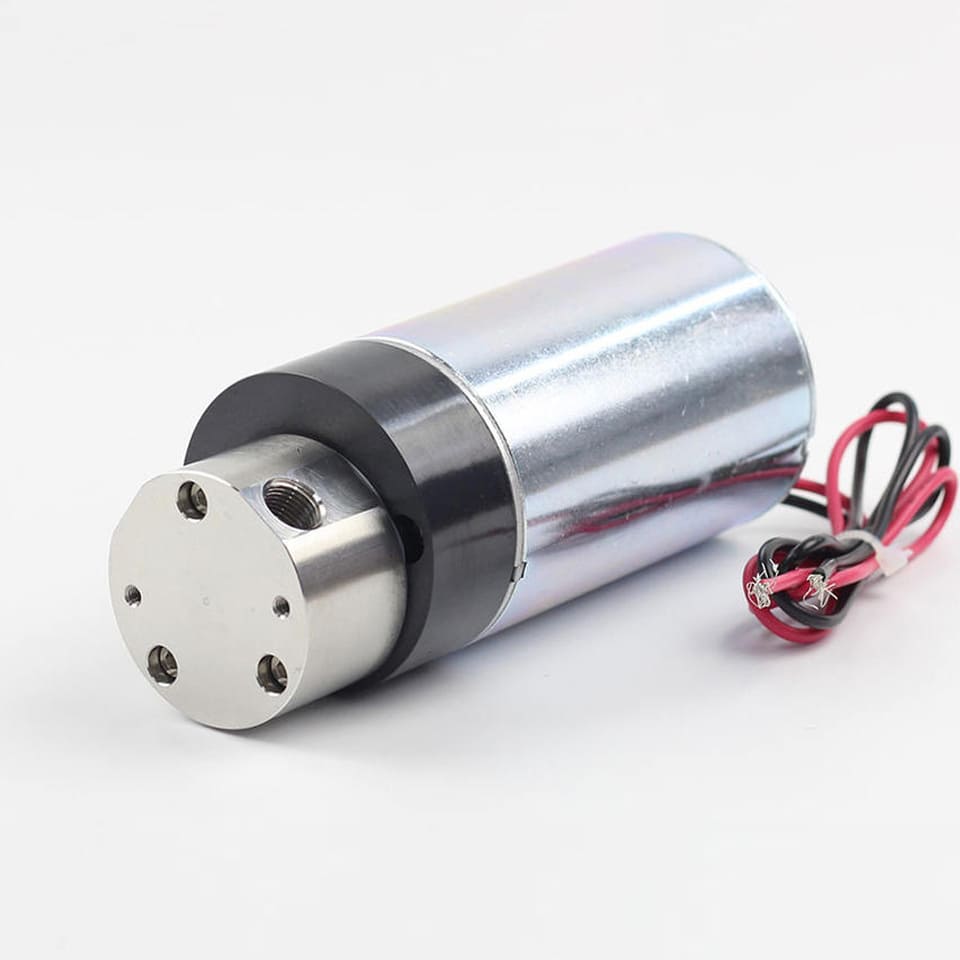
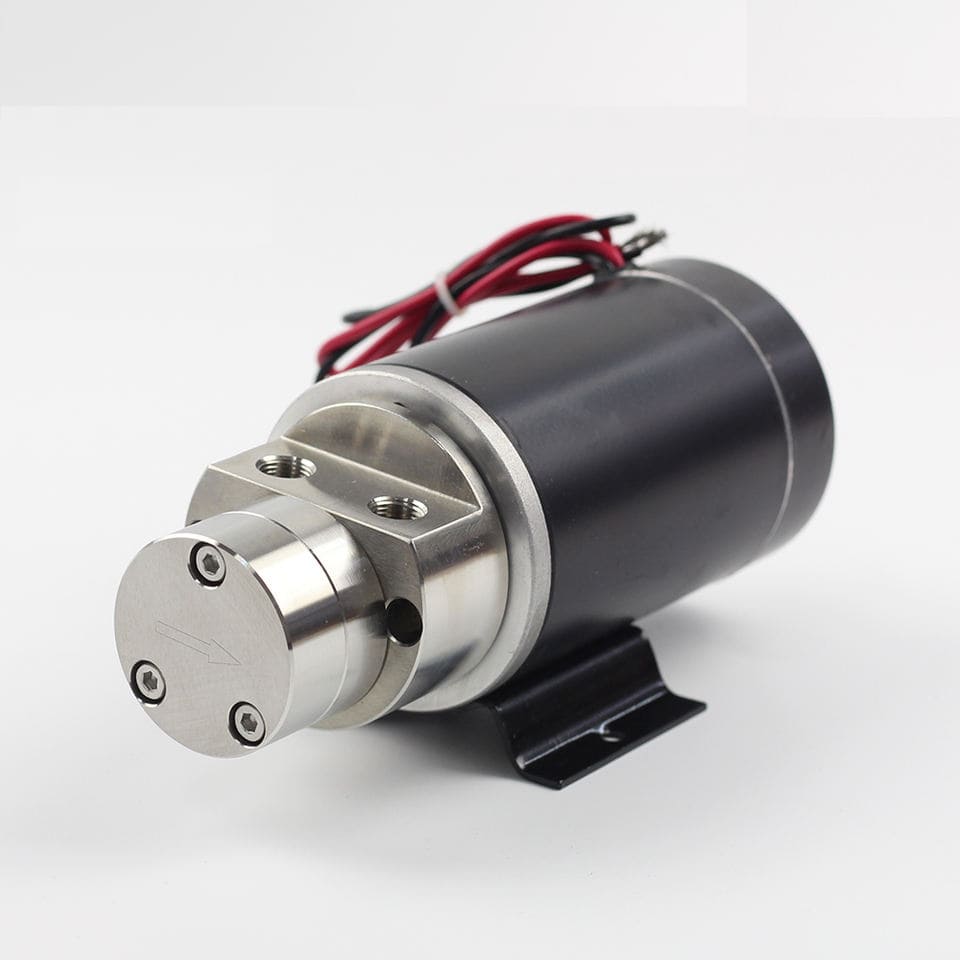
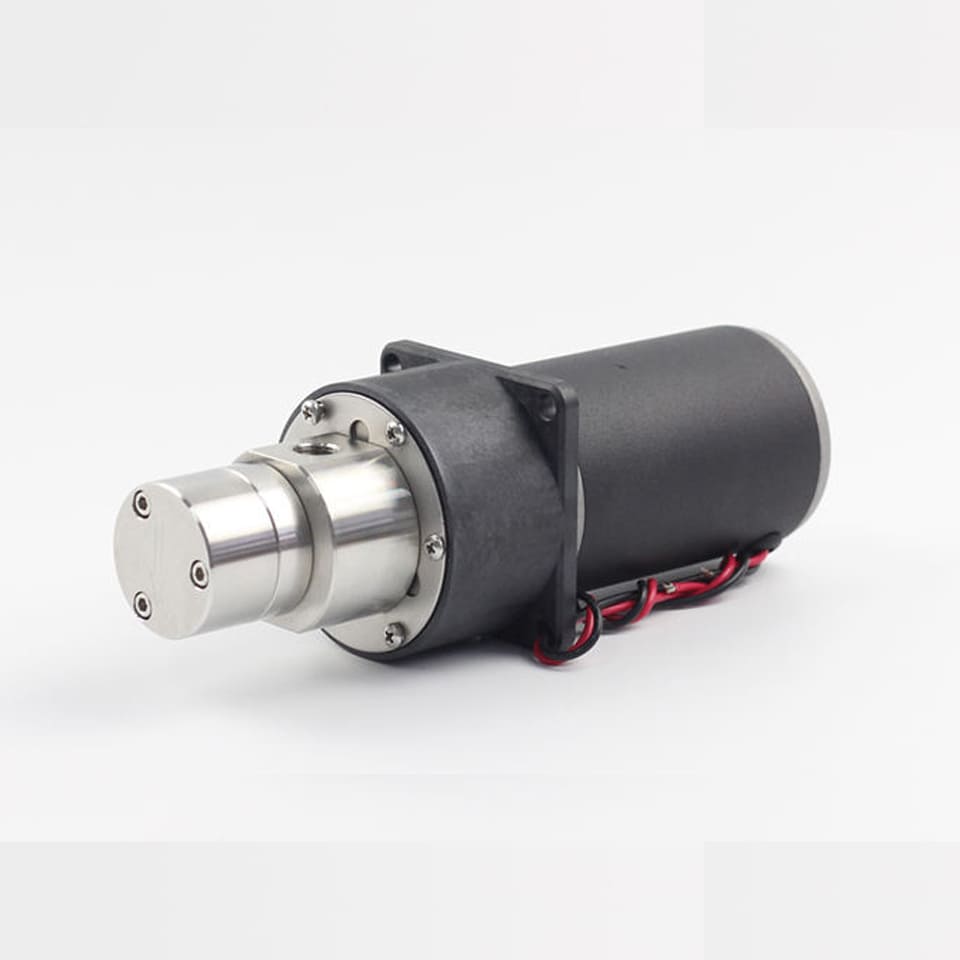
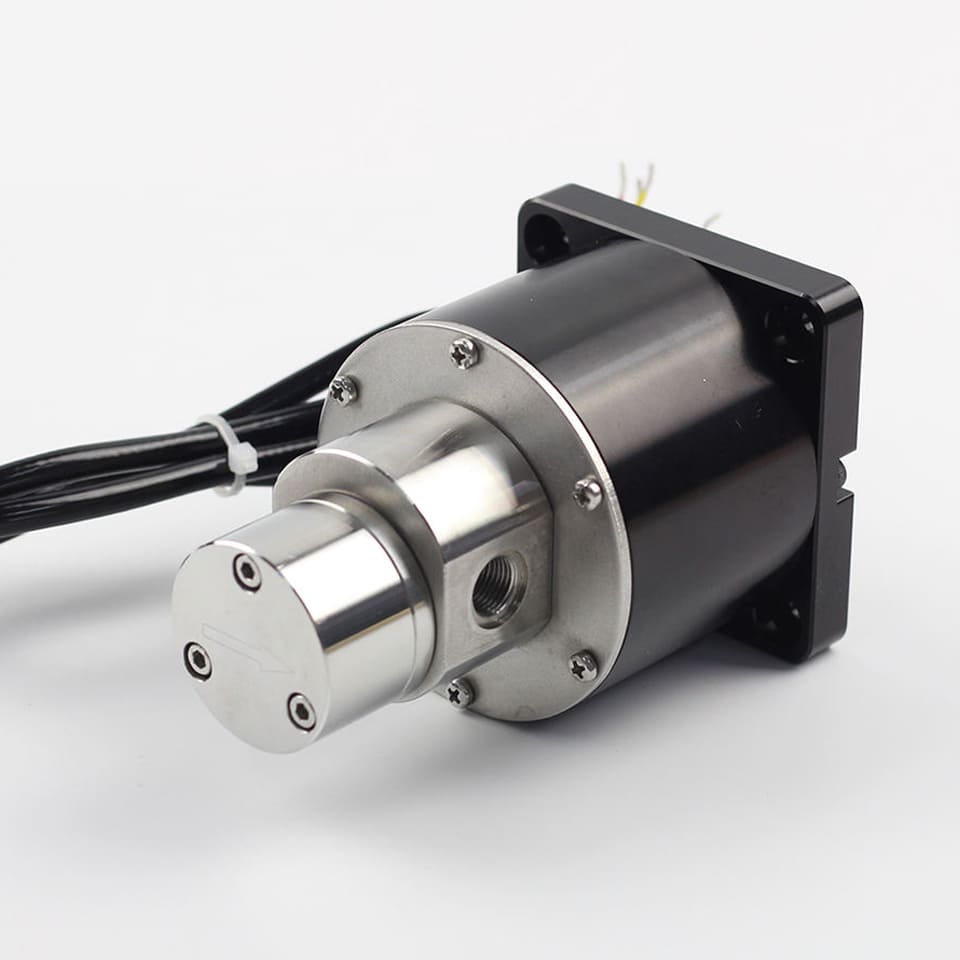
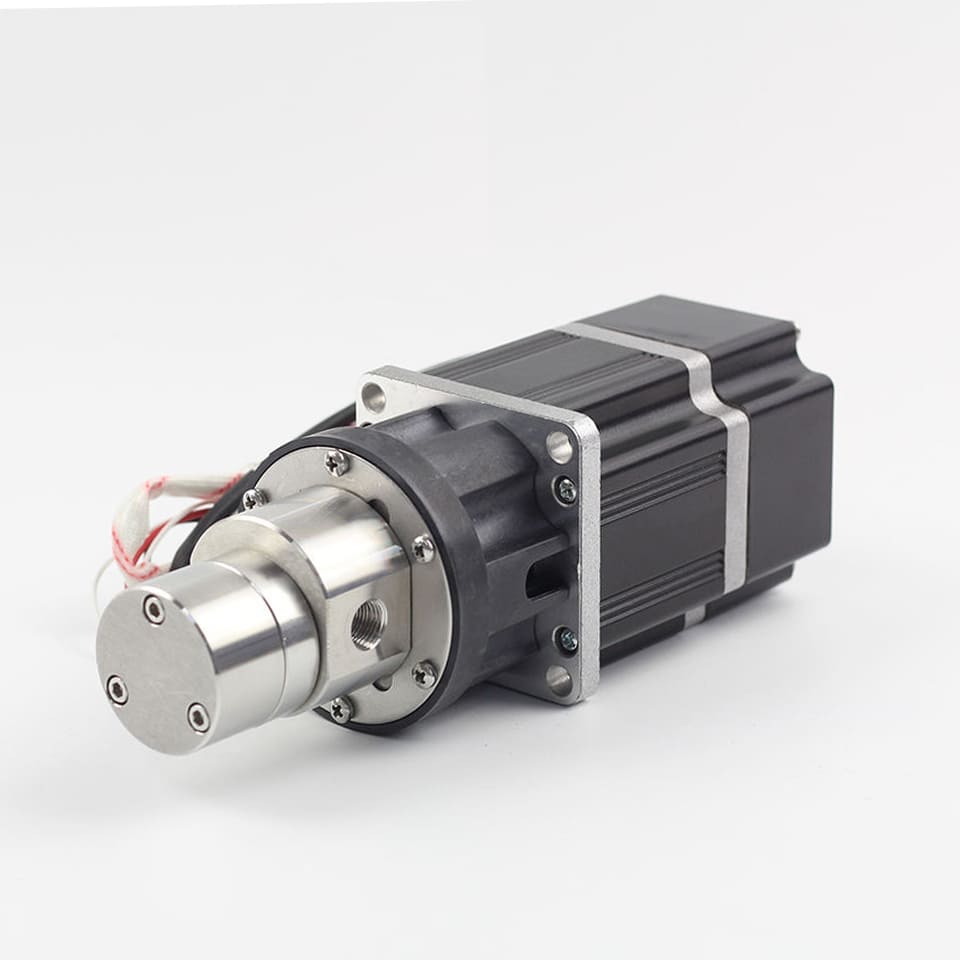
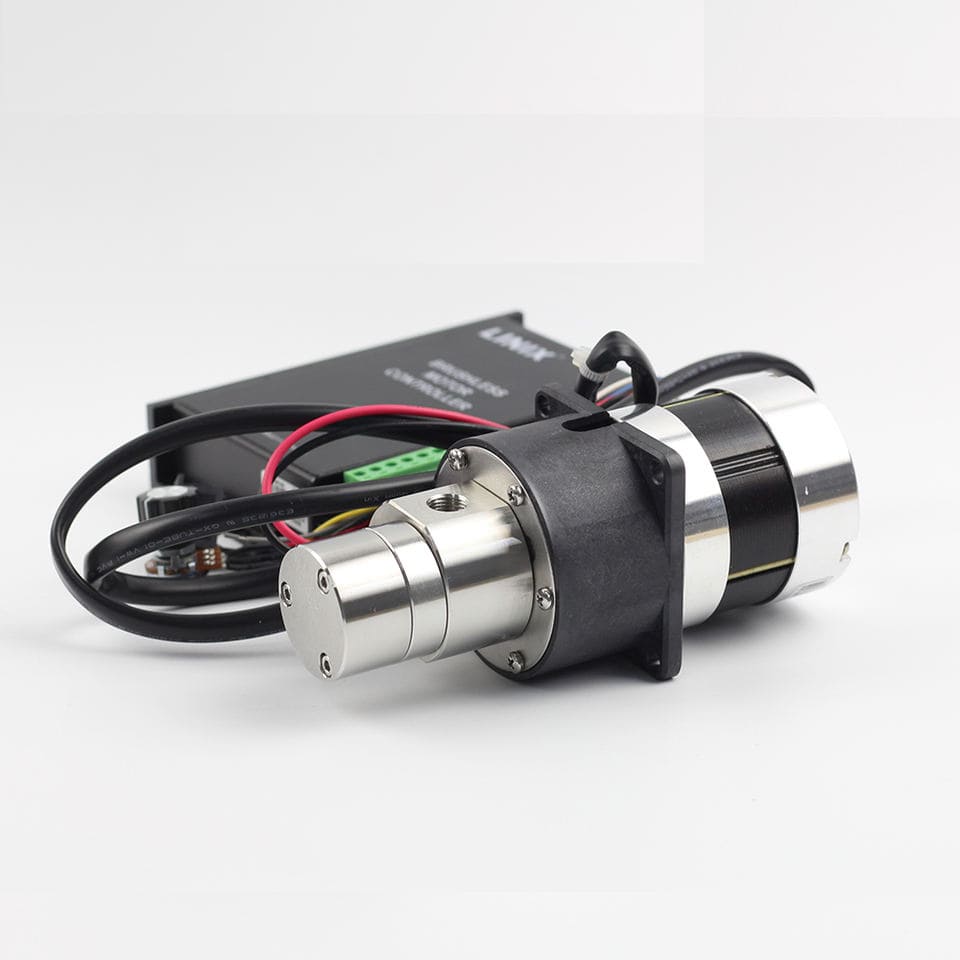
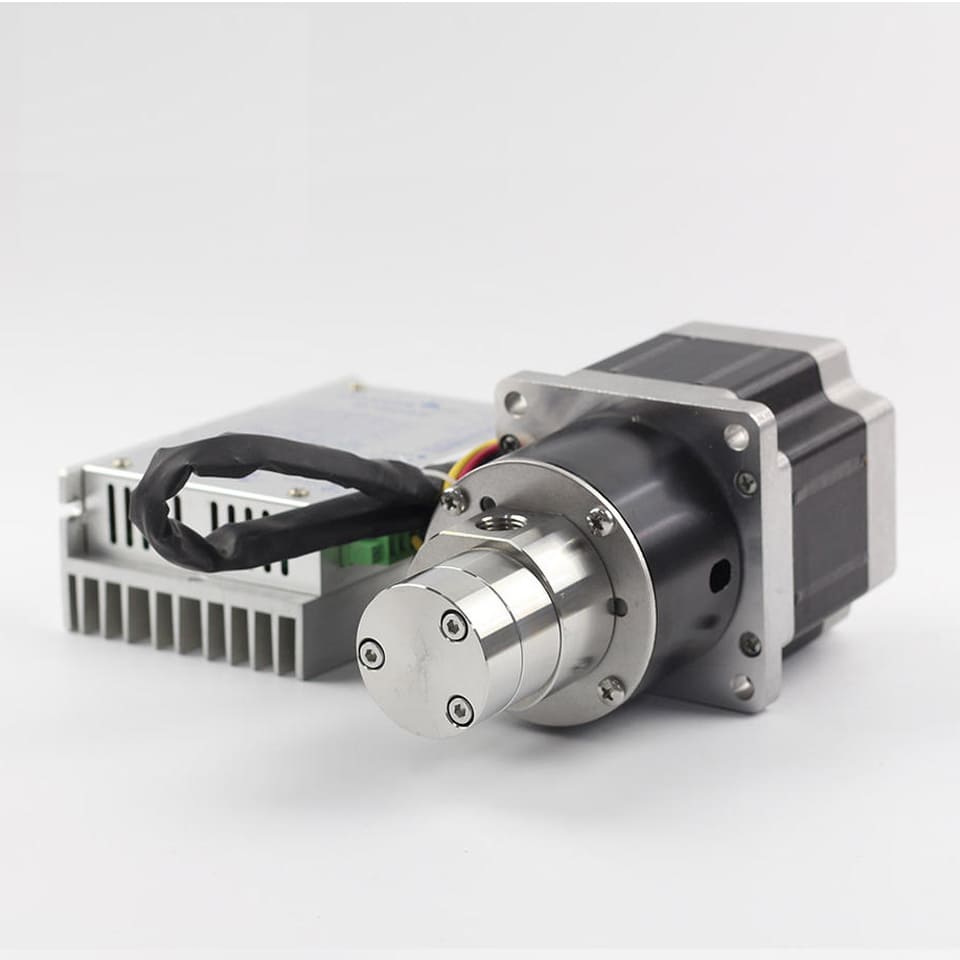
Magnetic Drive Gear Pumps for selected fluid transfer applications where the operating conditions and material compatibility are suitable.
For OEM projects, sample evaluation can help both sides confirm whether a standard model is suitable or whether adjustments should be considered.
Depending on the selected model and engineering assessment, project discussions may cover flow rate, pressure, motor configuration, wetted materials, electrical connections, tubing interfaces and installation dimensions.
If you are evaluating a pump for new equipment, you can share the application, target performance, fluid information and available installation details with our team.
Even if all specifications are not yet finalized, initial application information can help us understand the requirements and discuss possible pump options.
Contact JIGU to discuss your OEM micro pump project.
Frequently Asked Questions
1. How many micro pump samples should OEM buyers test?
The required quantity depends on the application, project risk and evaluation objectives. One sample may be enough for an initial fit check, while performance comparison or repeatability evaluation may require multiple samples. Agree on the sample quantity and acceptance method with the supplier before testing.
2. What is the most important test for a micro pump?
There is no single test that applies to every application. Flow rate and pressure are often essential for liquid pumps, while electrical performance, noise, fluid compatibility, installation and operating-cycle testing may also be important. The test plan should reflect the pump’s intended function.
3. Can catalog specifications replace sample testing?
Catalog specifications are useful for initial selection, but they cannot fully represent every equipment configuration. Sample testing helps verify performance under the actual or representative operating conditions of the application.
4. Does passing a continuous-operation test guarantee a long pump service life?
No. A continuous-operation test evaluates performance over a defined period and under specific conditions. It does not automatically establish the pump’s total service life. Long-term reliability requires an appropriate test plan and consideration of materials, operating conditions and component wear.
5. Should OEM buyers test the pump using the actual working fluid?
Whenever practical and safe, testing with the actual fluid provides more relevant information. If this is not possible, a representative test medium may be used for preliminary evaluation, but material and fluid compatibility should still be assessed separately.
6. What information should be sent to a pump manufacturer before requesting samples?
Useful information includes the application, required flow rate and pressure, fluid or gas type, operating voltage, duty cycle, installation dimensions and connection requirements. Drawings, photographs or an existing pump sample can also help the manufacturer understand the project.
7. What should be checked after a pump sample is approved?
Confirm the final specifications, materials, electrical and mechanical configuration, quality inspection requirements and production change-control process. The approved sample should be clearly linked to the configuration intended for mass production.
Final Thoughts
Micro pump sample testing is an important step in reducing technical uncertainty before an OEM purchasing decision.
By checking performance, electrical compatibility, noise, temperature, fluid compatibility and installation requirements under consistent conditions, buyers can make a more informed decision and reduce the risk of problems during equipment integration.
Just as importantly, sample approval should lead to a clearly documented production specification. This helps ensure that the pump supplied in future orders remains consistent with the version evaluated during development.
For OEM manufacturers, a well-planned sample test is not just a product check. It is part of building a reliable long-term supplier relationship.
Related Products
Reach Out Today
Looking for a micro pump manufacturer for your project? Contact JIGU Pump to discuss your application requirements and get a suitable pump recommendation and quotation.

Share Your Requirements
Share your application requirements, technical specifications, drawings, or reference images with our team.

Receive a Solution & Quotation
Our team will review your requirements and provide a suitable pump recommendation and quotation.

Confirm & Start Production
After sample approval and order confirmation, we proceed with production and arrange shipment according to the agreed schedule.