
Micro Pump Lead Time: What OEM Buyers Should Know Before Ordering
Micro Pump Lead Time: What OEM Buyers Should Know Before Ordering
When planning an OEM equipment project, choosing the right micro pump is only one part of the purchasing process. Buyers also need to understand how long it may take to confirm specifications, evaluate samples, prepare production and arrange delivery.
Micro pump lead time is influenced by several factors, including product configuration, sample approval, order quantity, material availability and production scheduling. The actual schedule can therefore vary between a standard model order and a customized OEM project.
For equipment manufacturers, understanding these factors early can help reduce unnecessary delays and make purchasing plans more reliable.
In this guide, we explain what affects micro pump lead time, how standard and customized orders differ, and what OEM buyers can do to keep a project moving.
What Does Micro Pump Lead Time Include?
Micro pump lead time is not always the same as manufacturing time.
Depending on the supplier’s ordering process and the project requirements, the overall timeline may include several stages:
Technical confirmation: Reviewing the application, required performance, materials, electrical specifications and installation details.
Sample preparation: Selecting an available model or preparing samples according to the agreed configuration.
Sample testing and approval: Evaluating pump performance and confirming whether the sample meets the equipment requirements.
Order confirmation: Finalizing specifications, quantity, pricing, delivery terms and other purchasing details.
Material preparation and production: Arranging components, production capacity and manufacturing operations.
Quality inspection and packaging: Checking finished products against the agreed requirements and preparing them for shipment.
Shipment and transportation: Arranging dispatch and delivery to the buyer’s designated destination.
Not every order requires all these stages to be completed separately. For example, an available standard model may need less preparation than a project involving new specifications or extensive sample evaluation.
It is also important to distinguish between production lead time and total delivery time. Production lead time generally refers to the manufacturing process, while total delivery time may also include technical preparation, inspection, packaging and transportation.
The ASCM supply chain management overview explains how sourcing, production, inventory management, warehousing and logistics work together across the supply chain.
6 Factors That Affect Micro Pump Lead Time
The following factors can influence how quickly a supplier can prepare and deliver a micro pump order.
1. Standard Models vs. Customized Pump Solutions
One of the first factors is whether the selected pump is an existing standard model or requires customization.
For a standard model, the supplier may already have an established design, production process and component configuration. This can simplify technical confirmation and order preparation.
A customized project may require additional work, such as:
Adjusting flow rate or pressure requirements.
Reviewing motor or voltage configurations.
Evaluating wetted materials.
Changing inlet and outlet connections.
Modifying installation dimensions.
Confirming wiring or electrical connectors.
However, customization does not automatically mean a long development cycle. Some requirements may be accommodated through an existing model or available configuration.
The actual impact depends on the extent of the changes, component availability and whether additional testing or engineering work is necessary.
For more information, see our guide to Micro Pump Customization: OEM Options and Solutions.
2. Sample Availability and Sample Approval
Sample preparation and approval can have a significant effect on the overall project schedule.
If a suitable standard model is available, the sample evaluation process may be relatively straightforward. If the sample requires a different configuration, additional preparation or technical review may be necessary.
After receiving samples, OEM buyers may need time to:
Install the pump in the equipment.
Check flow rate and pressure.
Verify electrical compatibility.
Evaluate noise and vibration.
Test the actual working fluid or a representative medium.
Confirm mechanical dimensions and connections.
The approval process may also involve several departments, such as engineering, purchasing and quality assurance.
To avoid unnecessary delays, buyers should agree on the test requirements and approval criteria before samples are prepared.
Our article Micro Pump Sample Testing: What OEM Buyers Should Check Before Ordering explains the main evaluation points.
3. Product Specifications and Technical Confirmation
Incomplete or frequently changing specifications can slow down an OEM project.
For example, a buyer may initially request a particular flow rate but later change the operating pressure, fluid type, voltage or installation dimensions. These changes may require the supplier to review the pump selection and confirm whether the original configuration remains suitable.
Before requesting a quotation or sample, try to prepare the following information:
Intended equipment and application.
Required flow rate and operating pressure.
Fluid or gas type.
Operating voltage and control requirements.
Expected working cycle.
Installation dimensions.
Inlet and outlet connection requirements.
Estimated sample and production quantities.
If all technical details are not yet available, initial application information, photographs or an existing pump sample can still help the supplier begin the evaluation.
You can also refer to What Information Is Needed for a Custom Micro Pump Quote? for a practical information checklist.
4. Order Quantity and Production Scheduling
Order quantity can influence production planning, but the relationship is not always straightforward.
A larger order may require more production time, depending on available capacity and material requirements. However, it may also be easier to schedule when the supplier can arrange a stable production batch.
Smaller orders are not necessarily faster. They may still need to wait for production scheduling, component availability or other orders using the same resources.
For repeat OEM orders, sharing an estimated purchasing forecast can help the supplier understand future demand and discuss production arrangements in advance.
It is useful to communicate:
Initial order quantity.
Expected monthly or quarterly demand.
Possible repeat order quantities.
Required delivery dates.
Whether shipments can be arranged in batches.
Production planning involves balancing demand, available resources, inventory and manufacturing capacity. ASCM discusses these considerations in its overview of supply planning.
5. Material and Component Availability
A pump’s production schedule also depends on the availability of the required materials and components.
Depending on the model, these may include:
Pump housings and internal components.
Diaphragms, valves or other fluid-contact parts.
Motors and electronic components.
Magnets and gear components.
Seals and connection fittings.
Wires, connectors and packaging materials.
A standard configuration using regularly available components may be easier to schedule than one requiring special materials or less commonly used components.
Material requirements can also be affected by the fluid being handled. For example, a chemical application may require a specific combination of wetted materials that needs to be reviewed before production.
For more information, see Micro Pump Materials and Fluid Compatibility: A Guide for OEM Equipment.
The NIST overview of manufacturing supply chains illustrates how material sourcing and supply chain activities contribute to manufacturing flow time.
6. Quality Inspection and Packaging Requirements
Quality inspection and packaging are also part of order preparation.
The required inspection process depends on the agreed product specifications and the buyer’s quality requirements.
For example, an OEM order may require confirmation of:
Flow rate or pressure performance.
Electrical characteristics.
Appearance and dimensions.
Connection and installation details.
Leakage or functional checks, where applicable.
Product identification and labeling.
Special packaging requirements may also need additional preparation, such as individual packaging, protective materials, specific labels or pallet arrangements.
These requirements should be discussed before production is finalized rather than introduced at the last minute.
A clear inspection and packaging agreement helps both parties prepare the order more efficiently.

Standard Micro Pump Orders vs. OEM Custom Orders
Standard model orders and customized OEM orders can have different preparation requirements.
| Project stage | Standard model order | Customized OEM order |
| Product selection | Select an existing model | Review application and configuration |
| Technical confirmation | Confirm standard specifications | Evaluate requested changes |
| Sample preparation | Use an available configuration where possible | Prepare the agreed customized configuration |
| Sample approval | Verify suitability for the equipment | Verify both performance and customized details |
| Production preparation | Follow the established configuration | Confirm materials, components and production requirements |
| Production | Schedule according to quantity and capacity | Schedule according to configuration and project requirements |
This comparison does not mean every standard order is fast or every customized order is slow.
A customized project based on an existing pump platform may require relatively limited changes. On the other hand, even a standard model order may take longer if the required quantity, components or delivery arrangements need additional coordination.
The most useful approach is to ask the supplier for a schedule based on the actual model, configuration, quantity and order requirements.
How to Reduce Delays in an OEM Micro Pump Project
Although some factors are outside the buyer’s control, good preparation can help reduce avoidable delays.
Provide Application Information Early
Share the equipment application, fluid properties, target performance and installation requirements as early as possible.
If the project is still under development, provide the available information first and identify which specifications remain open.
Confirm the Critical Specifications Before Sample Preparation
Try to finalize the key requirements before the supplier prepares samples.
Changes to voltage, connections, materials or operating conditions after sample preparation may require another technical review or a new round of testing.
Establish Clear Sample Approval Criteria
Before testing, agree on the parameters that will determine whether the sample is acceptable.
These may include flow rate, pressure, electrical performance, noise, dimensions and fluid compatibility, depending on the application.
Share Purchasing Forecasts
If the project is expected to move into regular production, communicate estimated demand as early as practical.
This helps the supplier understand the potential order volume and discuss material preparation and production scheduling.
Confirm Packaging and Delivery Requirements in Advance
Packaging specifications, labels, shipping arrangements and required delivery dates should be discussed before the order is ready for dispatch.
This avoids additional coordination at the final stage.

How to Plan Sample Approval and Mass Production
For OEM projects, it is useful to treat sample approval and mass production as connected but separate stages.
A practical sequence is:
Initial inquiry: Share the application and basic technical requirements.
Pump selection: Review suitable standard models or possible customized configurations.
Sample preparation: Confirm the sample configuration and preparation arrangements.
Sample evaluation: Test the pump under representative operating conditions.
Specification approval: Confirm the final model, materials, electrical details and mechanical configuration.
Production order: Confirm quantity, commercial terms, delivery schedule and quality requirements.
Production and inspection: Manufacture the agreed configuration and complete the required checks.
Shipment: Arrange packaging and dispatch according to the order requirements.
One important point is to make sure that the approved sample and the production order refer to the same configuration.
If any important specifications change after approval, both sides should review whether additional testing or confirmation is necessary.
This approach helps reduce misunderstandings between engineering, purchasing and manufacturing teams.
Common Mistakes That Cause Pump Delivery Delays
Several avoidable issues can affect the schedule of an OEM micro pump project.
Changing specifications after sample approval
Late changes to voltage, materials, connections or performance requirements may require additional evaluation and preparation.
Requesting samples without defining the application
Without basic application information, the supplier may need additional time to identify a suitable model.
Delaying internal sample approval
The supplier may be ready to proceed, but the project can remain on hold while engineering or purchasing teams review the sample.
Ignoring special material requirements
A particular fluid or operating temperature may require specific material verification or component selection.
Confirming packaging requirements too late
Special labeling, protective packaging or shipping arrangements can add preparation work.
Placing repeat orders without sharing forecasts
When demand changes significantly or unexpectedly, production planning may become more difficult.
Clear communication and early confirmation are often more effective than trying to shorten the production schedule at the last minute.
What Should OEM Buyers Ask Their Pump Supplier About Lead Time?
Before placing an order, buyers can use the following questions to clarify the delivery schedule:
1. Is the requested pump a standard model or does it require customization?
2. Is the proposed configuration currently available?
3. What technical information is still needed before the order can be confirmed?
4. Does the sample require any special preparation?
5. What needs to happen before mass production can begin?
6. Are any special materials or components required?
7. What is the estimated production schedule for the requested quantity?
8. How long are inspection and packaging expected to take?
9. When will the delivery schedule be confirmed?
10. How will changes to specifications or quantities affect the schedule?
It is also important to clarify what the supplier means by the quoted lead time.
For example, does it start from order confirmation, receipt of deposit, final specification approval or another agreed milestone? Does it refer to production completion or shipment?
A clearly defined starting point and delivery milestone make the schedule easier to manage.
Why Consider JIGU for OEM Micro Pump Projects?
JIGU has been manufacturing micro pumps since 1990, with experience supporting equipment manufacturers across different fluid handling applications.
Our main product categories include:
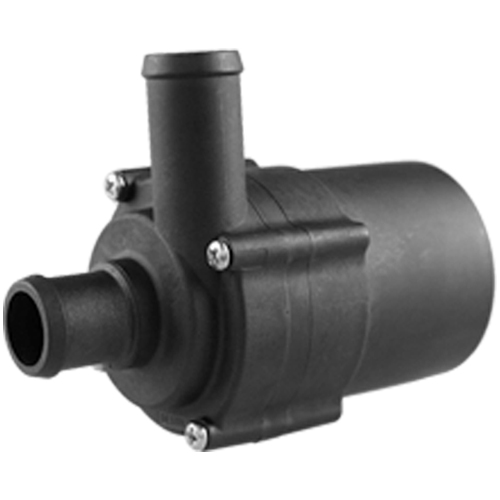
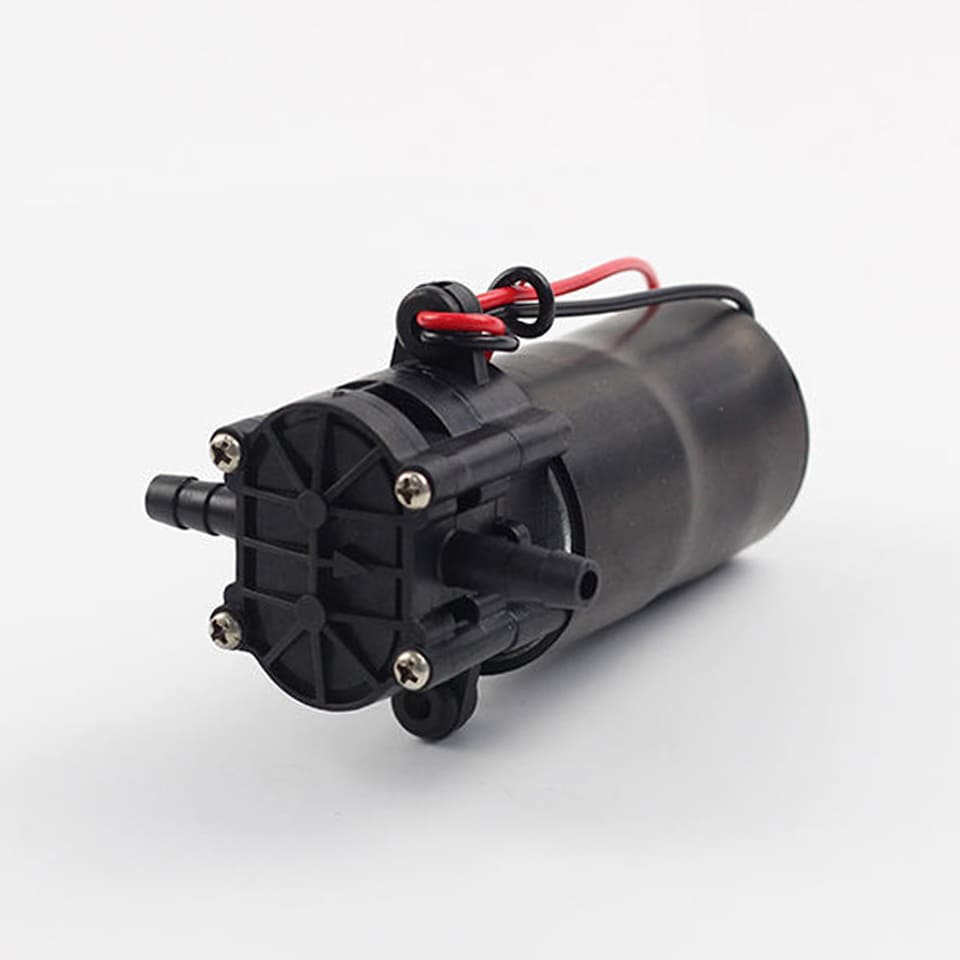
Micro Centrifugal Water Pumps for selected water circulation and liquid transfer applications.
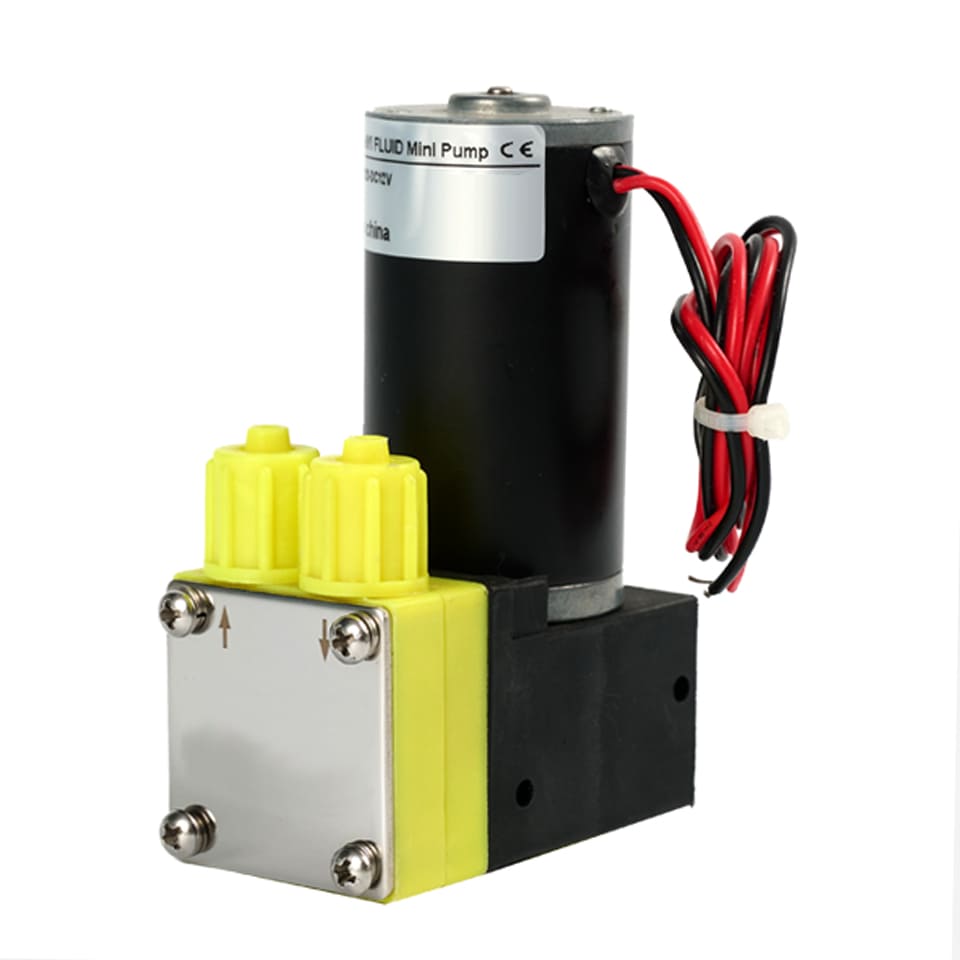
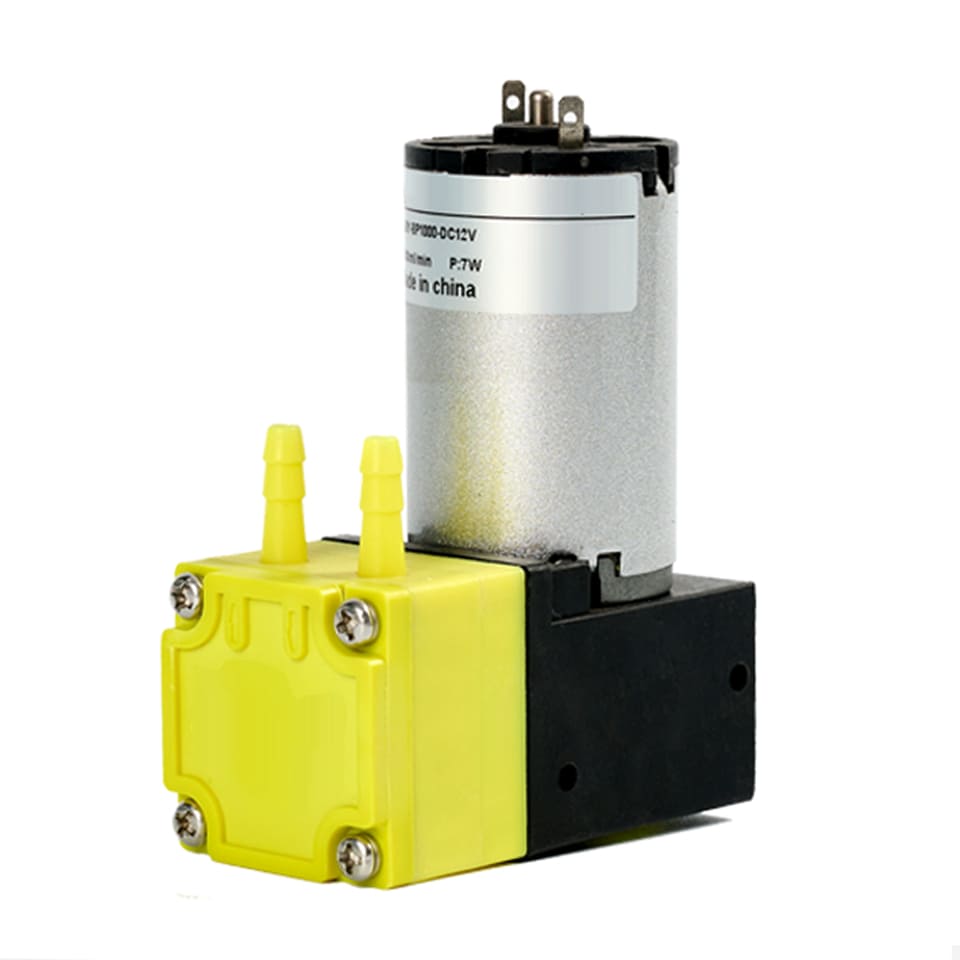
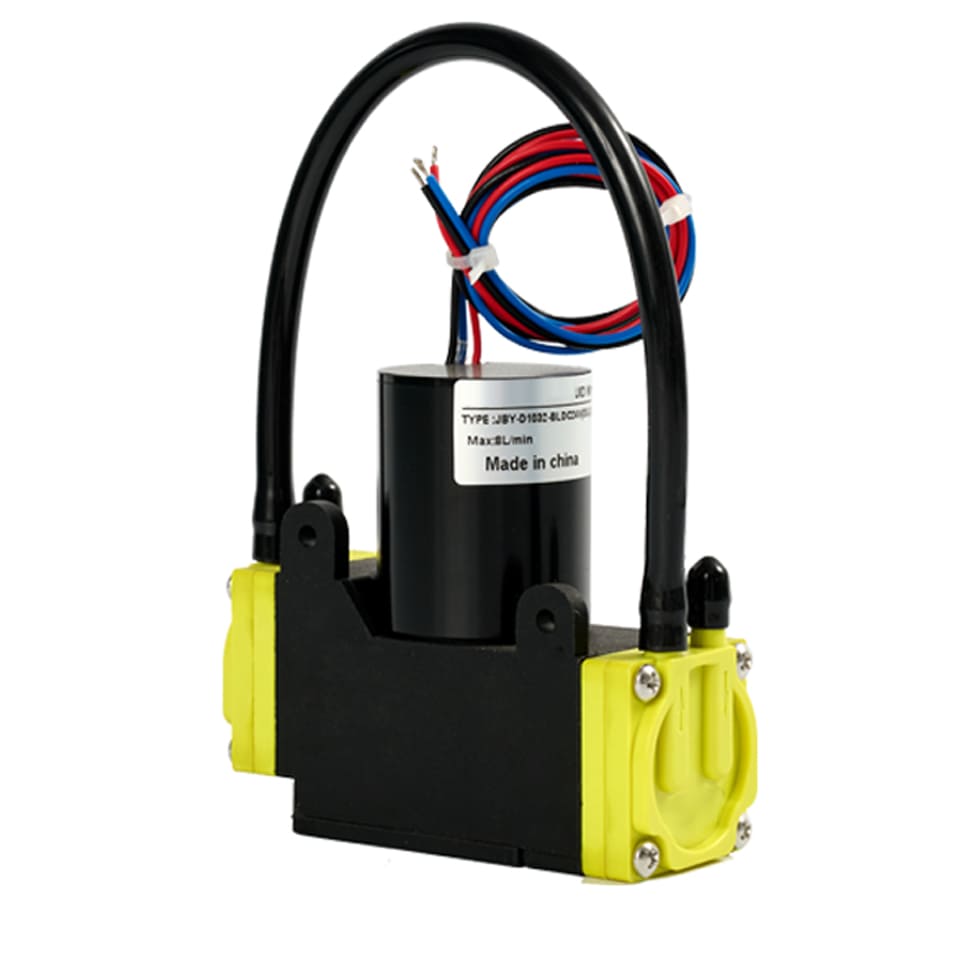
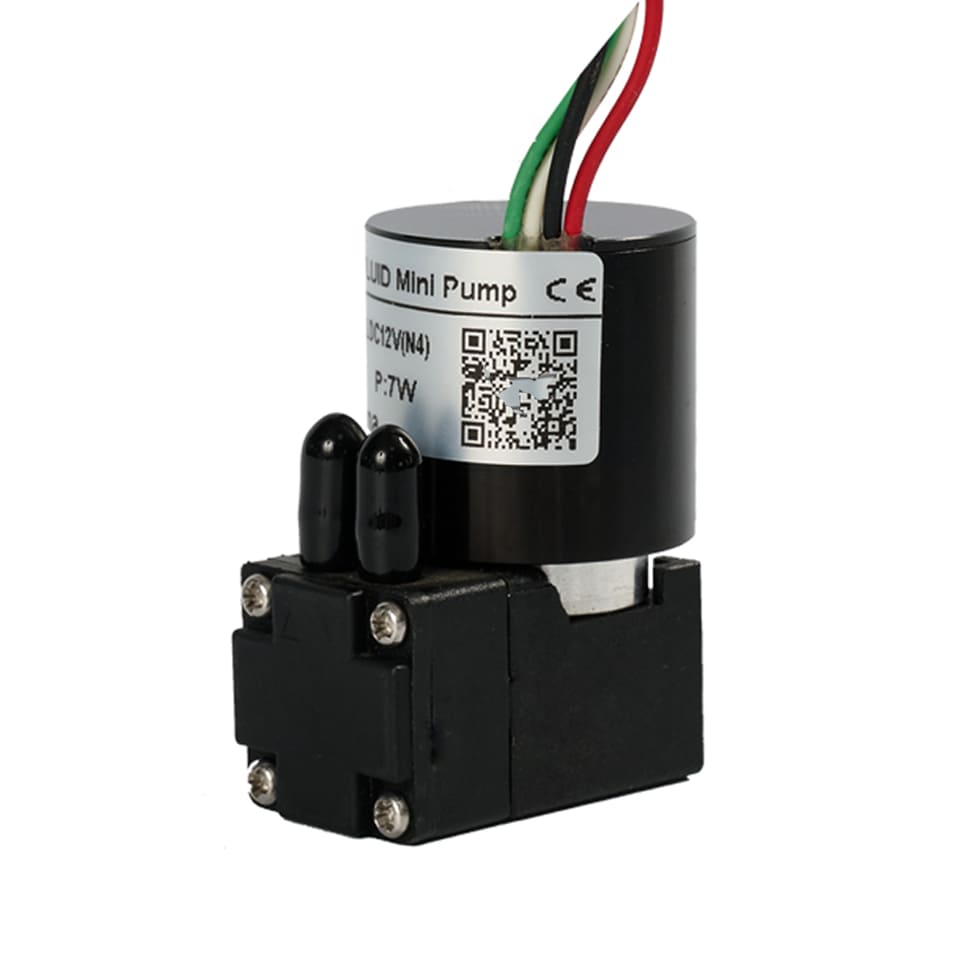
Micro Diaphragm Pumps for liquid, air and vacuum-related applications, depending on the model configuration.
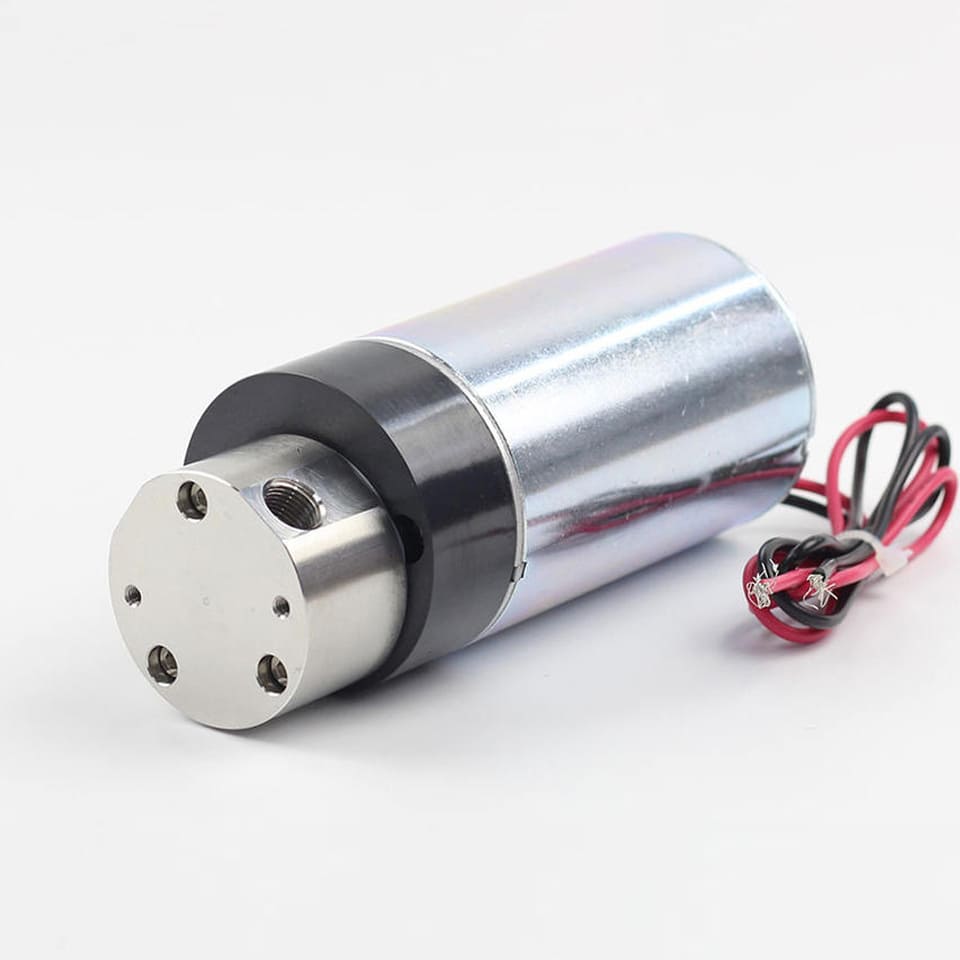
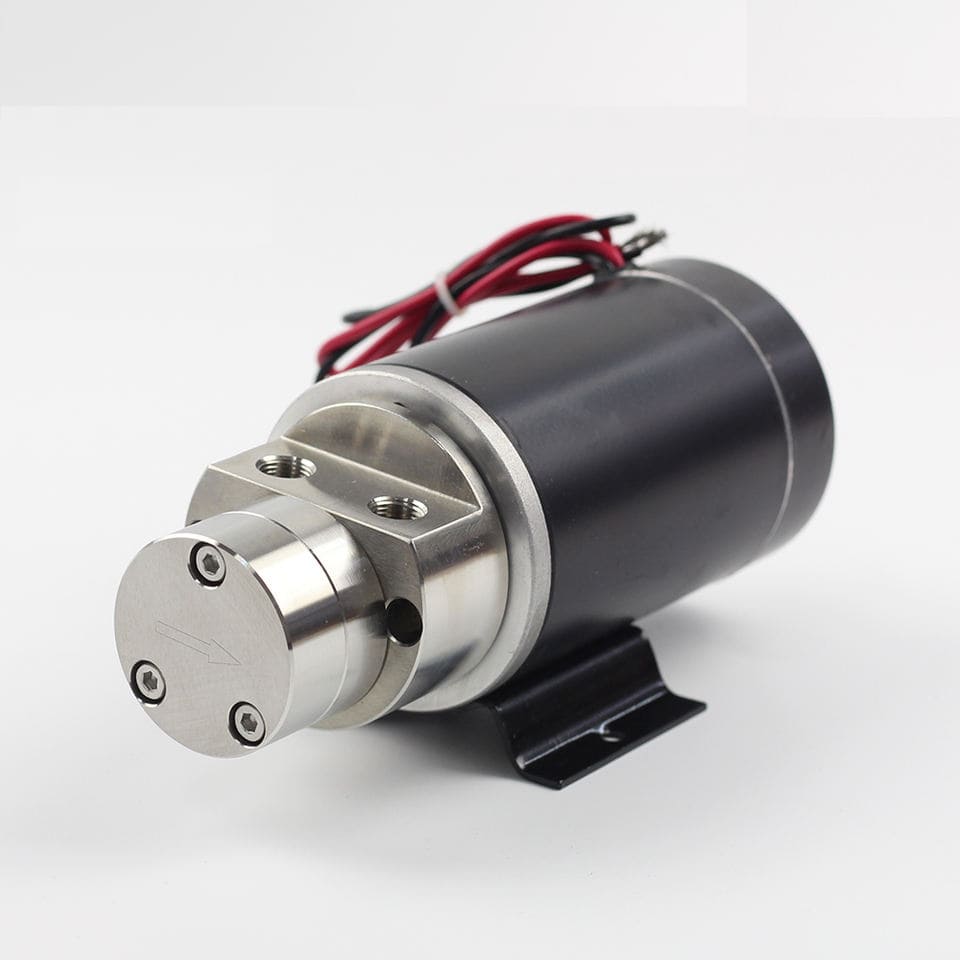
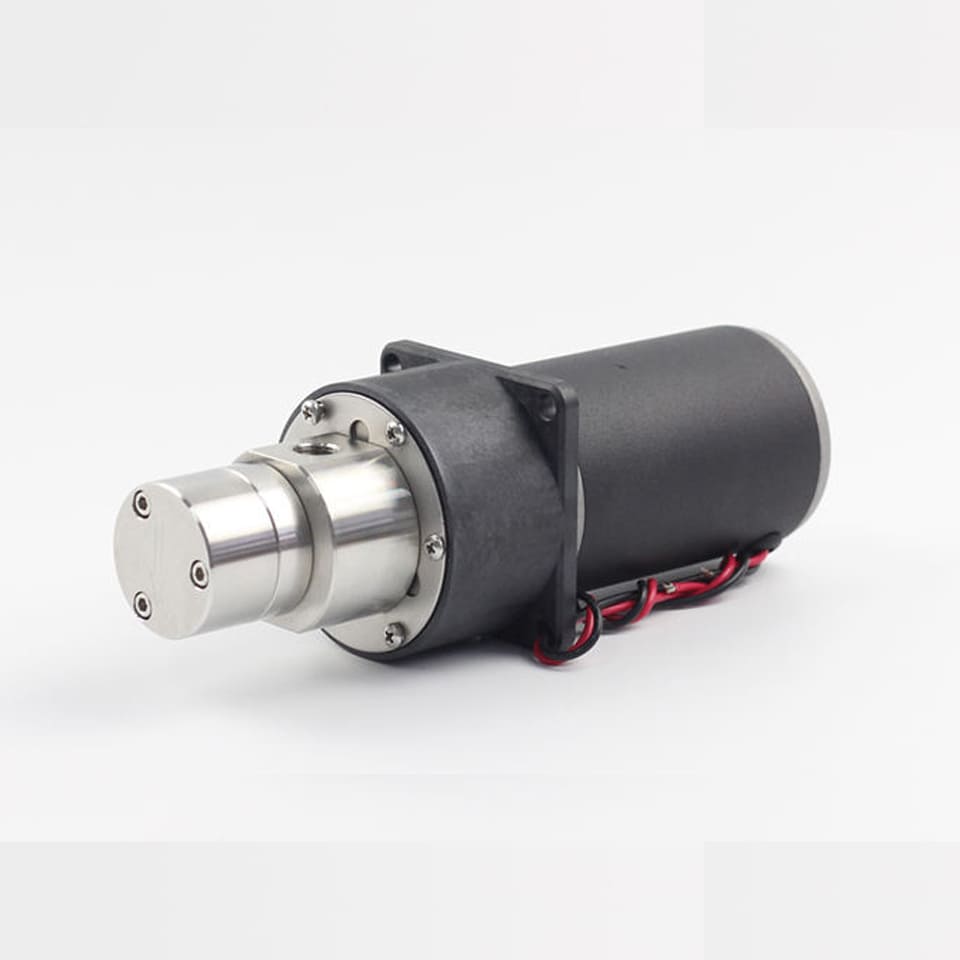
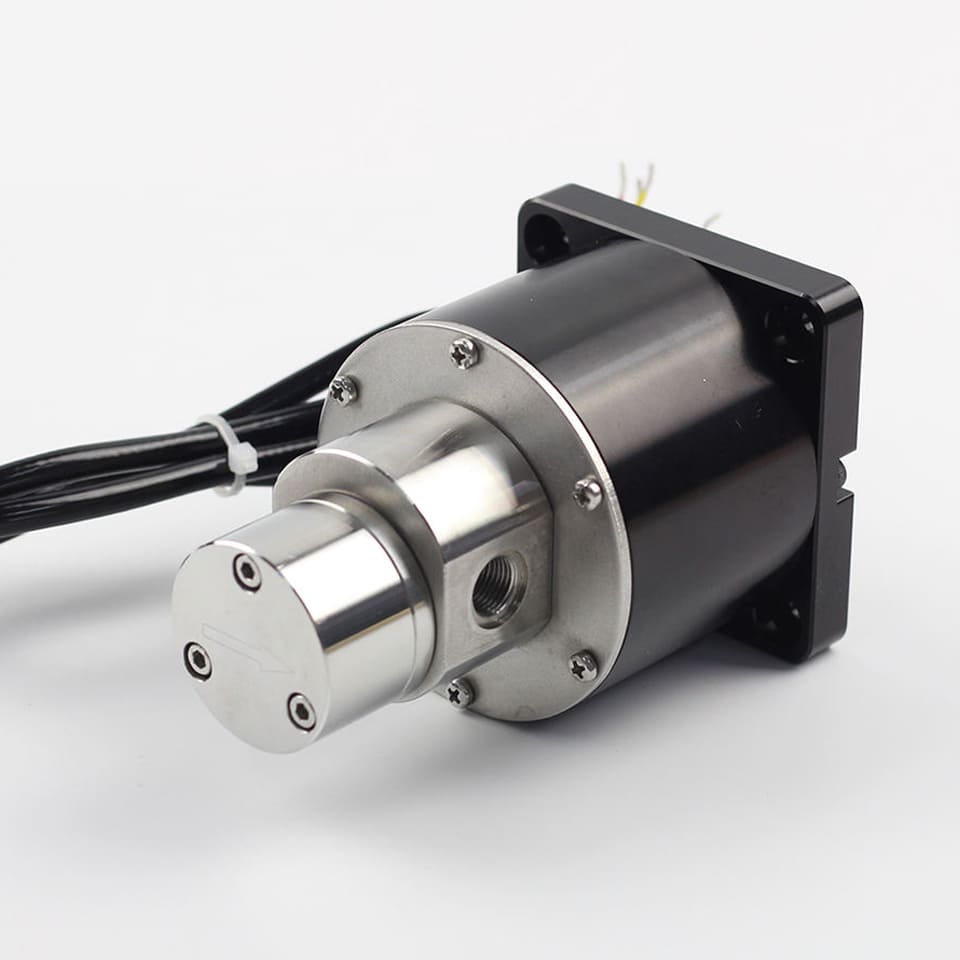
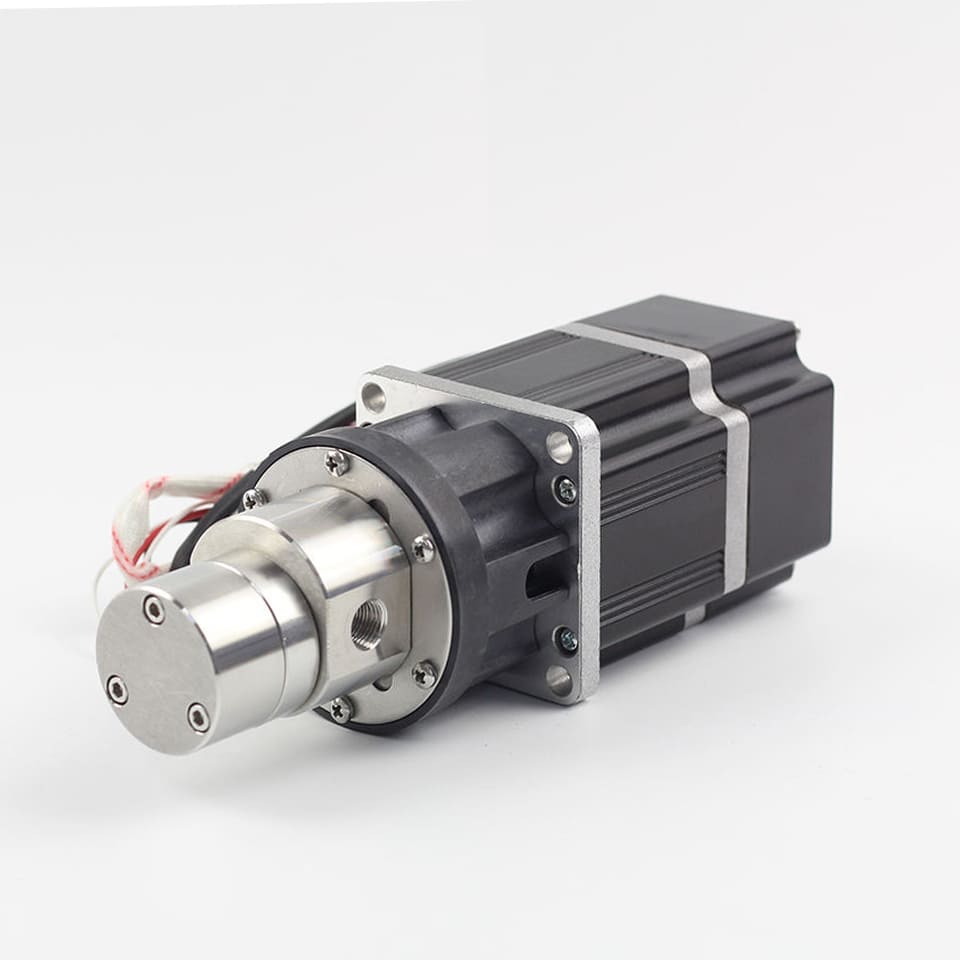
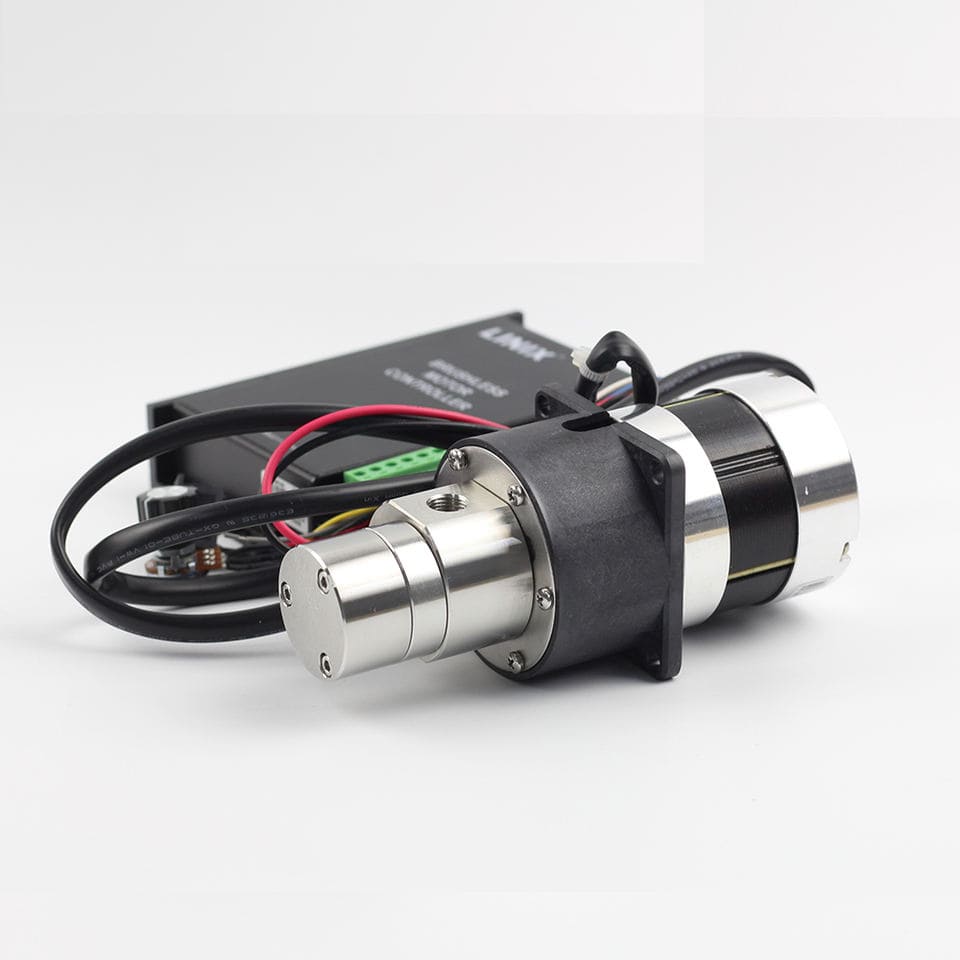
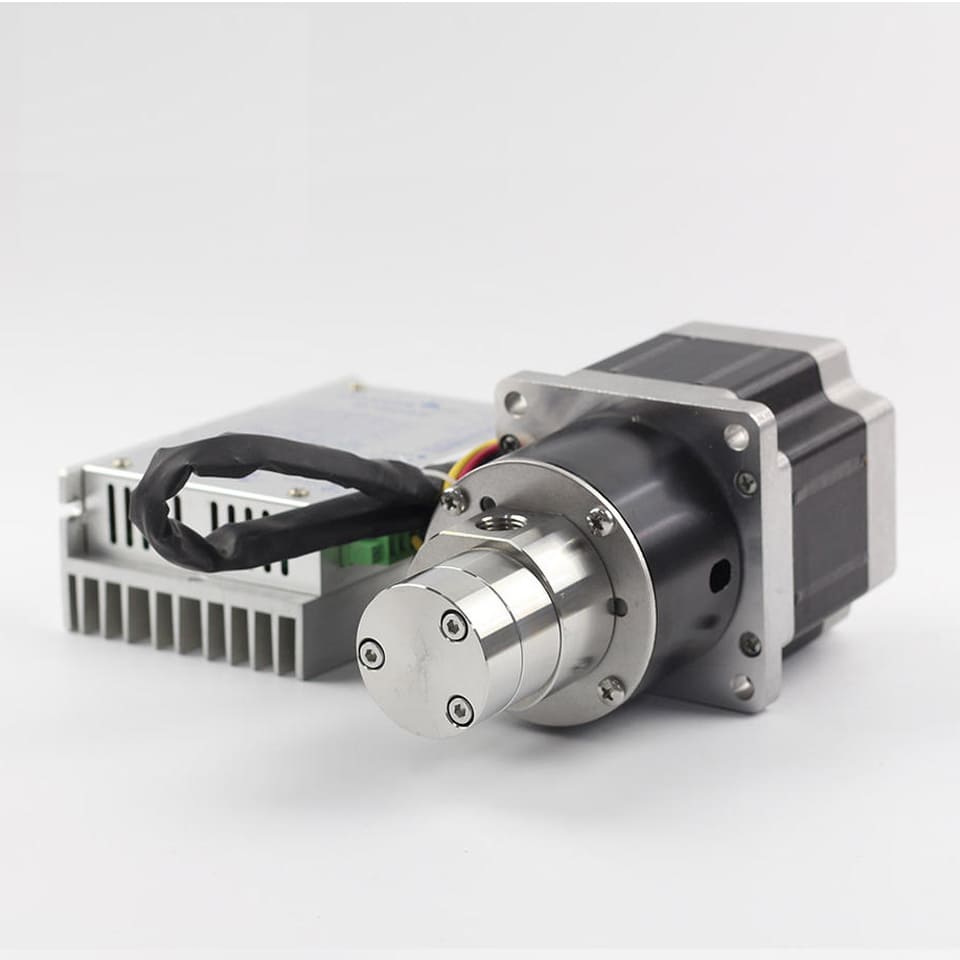
Magnetic Drive Gear Pumps for selected fluid transfer applications where the fluid properties and operating conditions are suitable.
JIGU offers standard models as well as OEM project evaluation and customization discussions based on specific application requirements.
For a new project, sharing the application, target performance, fluid information, electrical requirements and expected purchasing quantity can help our team evaluate possible pump options.
If you are planning a sample evaluation or preparing for a production order, it is useful to discuss the technical requirements and estimated demand early.
Contact JIGU to discuss your OEM micro pump project.
Frequently Asked Questions
1. How long does it take to receive a micro pump order?
There is no single lead time that applies to every micro pump order. The schedule depends on the selected model, configuration, sample approval, order quantity, component availability and production arrangements. Buyers should request a project-specific estimate from the supplier.
2. Is the lead time for a standard micro pump shorter than for a customized pump?
It can be, because a standard model may already have an established configuration and production process. However, some customized requirements can be handled through an existing platform. The actual difference depends on the requested changes and material availability.
3. Does a larger order always require a longer production time?
Not necessarily. Larger quantities may require more production capacity and materials, but they can sometimes be scheduled efficiently as a production batch. The schedule depends on order size, available resources and the supplier’s production plan.
4. Does sample approval affect mass production lead time?
Yes. Mass production may depend on the buyer’s approval of the sample and final specifications. Delays in testing, feedback or technical confirmation can postpone the production start.
5. When should OEM buyers contact a pump manufacturer?
It is best to contact the manufacturer during the equipment design or early development stage, especially when pump performance, installation dimensions or fluid compatibility still need to be evaluated.
6. Can a supplier reserve production capacity for future orders?
This depends on the supplier’s planning arrangements and the buyer’s forecast. Sharing estimated demand and expected ordering dates can help both parties discuss possible production planning or material preparation.
7. What should be included in a confirmed delivery schedule?
A clear schedule should identify the starting milestone, estimated production completion, inspection and packaging arrangements, expected shipment date and any relevant assumptions. Transportation time should be clarified separately when it is not included in the quoted lead time.
Final Thoughts
Micro pump lead time depends on more than the time required to manufacture the product. Technical confirmation, sample evaluation, component availability, production scheduling, inspection and delivery arrangements can all affect the overall project timeline.
For OEM buyers, the best way to reduce avoidable delays is to prepare application information early, confirm specifications before sample approval, communicate purchasing forecasts and clarify the delivery milestones with the supplier.
A well-planned project helps both the equipment manufacturer and pump supplier coordinate their work more effectively, from initial evaluation to repeat production orders.
Related Products
Reach Out Today
Looking for a micro pump manufacturer for your project? Contact JIGU Pump to discuss your application requirements and get a suitable pump recommendation and quotation.

Share Your Requirements
Share your application requirements, technical specifications, drawings, or reference images with our team.

Receive a Solution & Quotation
Our team will review your requirements and provide a suitable pump recommendation and quotation.

Confirm & Start Production
After sample approval and order confirmation, we proceed with production and arrange shipment according to the agreed schedule.