
Brushless DC Micro Water Pumps: Benefits and OEM Applications
Brushless DC Micro Water Pumps: Benefits and OEM Applications
Brushless DC micro water pumps are widely used in compact equipment that requires efficient liquid circulation, stable operation and flexible motor control. Compared with traditional brushed DC motors, brushless motors use electronic commutation instead of mechanical brushes, offering different advantages in terms of wear, control and system integration.
For OEM equipment manufacturers, choosing a suitable pump involves more than comparing motor types. Flow rate, head, voltage, operating conditions, liquid compatibility and installation requirements all affect the final pump configuration.
This article explains how brushless DC micro water pumps work, their main benefits, how they differ from brushed DC pumps, and what OEM manufacturers should consider during pump selection and integration.
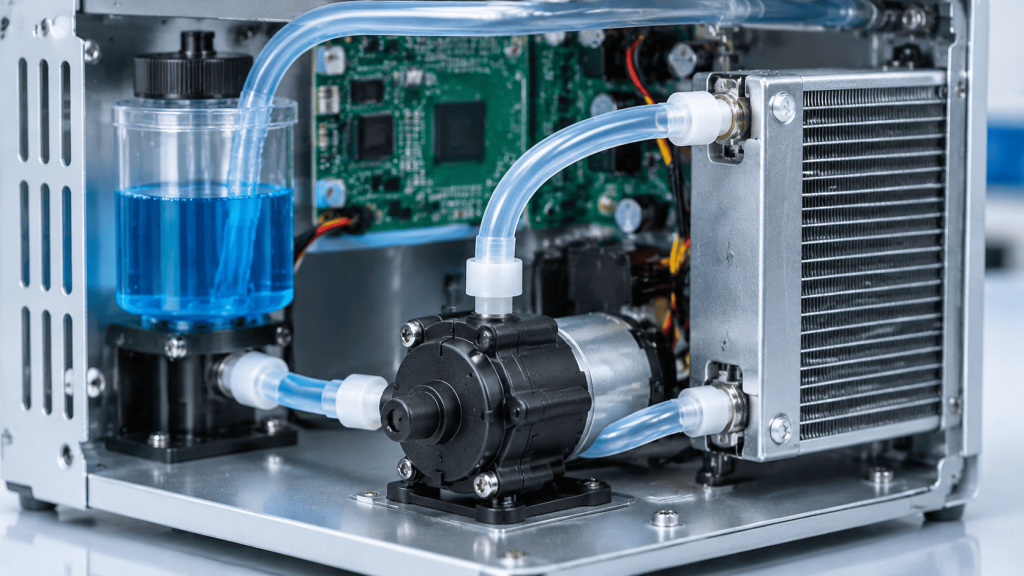
What Is a Brushless DC Micro Water Pump?
A brushless DC micro water pump is a compact liquid transfer or circulation pump driven by a brushless direct current motor.
Unlike a conventional brushed DC motor, a brushless motor does not use physical brushes and a mechanical commutator to control the current. Instead, an electronic controller switches the current through the motor windings to produce continuous rotation.
In a micro centrifugal water pump, the motor drives an impeller inside the pump chamber. As the impeller rotates, it transfers energy to the liquid, creating flow and pressure within the system.
JIGU micro water pumps use brushless DC motors across the product range. This configuration is suitable for many compact OEM applications where motor wear, operating conditions and equipment integration need to be considered.
How Does a Brushless DC Motor Work?
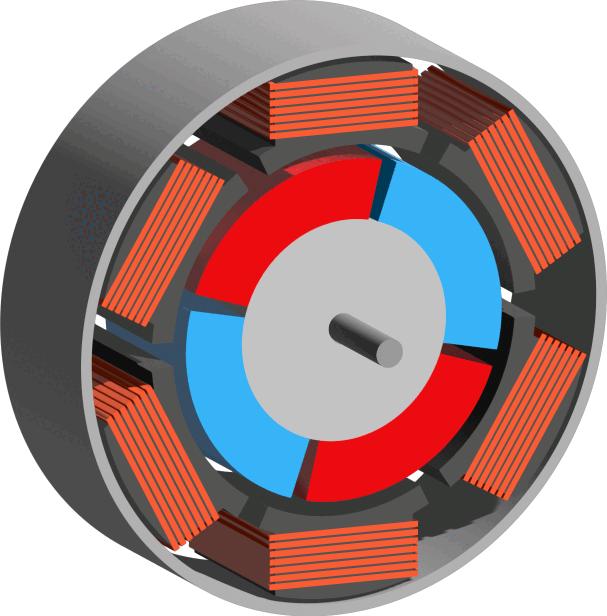
A typical brushless DC motor consists of two main parts:
Stator: The stationary part containing the motor windings.
Rotor: The rotating part, usually containing permanent magnets.
When electrical current is supplied to the motor drive, the controller energizes the stator windings in a specific sequence. This creates a rotating magnetic field that interacts with the permanent magnets in the rotor, producing torque and rotation.
This process is called electronic commutation.
The motor controller may use rotor-position sensors or sensorless control methods, depending on the motor design. The exact control arrangement varies between models.
For more technical information, see this Texas Instruments guide to brushless DC motor commutation.
How Does the Motor Drive a Micro Centrifugal Pump?
In a brushless DC micro centrifugal water pump, the motor shaft or drive arrangement rotates the impeller inside the pump chamber.
The rotating impeller transfers energy to the liquid, allowing it to move through the pump from the inlet to the outlet.
The pump’s actual flow rate and pressure depend on several factors, including:
Impeller design and pump structure
Motor speed and available torque
Inlet and outlet conditions
Liquid properties
Resistance within the connected piping system
The brushless motor provides the driving force, while the hydraulic design determines how the pump performs within the fluid system.
Key Benefits of Brushless DC Micro Water Pumps
Brushless DC motors offer several practical advantages for compact pump applications. However, the actual benefits depend on the motor design, controller, pump structure and operating conditions.
1. No Mechanical Brushes
One of the main differences between brushless and brushed DC motors is the absence of mechanical brushes.
In a brushed motor, brushes maintain electrical contact with a rotating commutator. This contact creates friction and gradual wear during operation.
A brushless motor replaces this mechanical switching arrangement with electronic commutation. As a result, there is no brush-and-commutator wear mechanism.
This can reduce one source of motor maintenance and wear, especially in equipment designed for frequent or extended operation.
However, the absence of brushes does not mean that the entire pump is wear-free. Bearings, seals, electronic components and other parts still have their own service-life limitations.
2. Suitable for Extended Equipment Operation
Many OEM devices need to operate for long periods or perform repeated operating cycles.
Because brushless motors do not rely on mechanical brushes, they avoid the gradual brush wear associated with conventional brushed motor designs.
This can be beneficial in equipment where regular motor maintenance is difficult or where pump replacement would interrupt normal operation.
The overall service life of a pump still depends on its complete design, including bearing quality, sealing structure, operating temperature, liquid properties and working conditions.
For this reason, pump selection should always be based on the actual application rather than motor type alone.
3. Electronic Speed Control Options
Brushless DC motors use electronic control, which can provide more flexibility in motor operation.
Depending on the motor and controller configuration, speed may be adjusted through different control methods, such as a PWM signal or a dedicated speed-control input.
For OEM equipment manufacturers, this can be useful when the pump needs to work under different operating conditions or coordinate with the main equipment control system.
However, not every brushless micro pump supports external speed adjustment. The available control interface, operating range and controller requirements should be confirmed for each model.
4. Compact Design for OEM Equipment
Compact dimensions are important when integrating a pump into equipment with limited internal space.
Brushless DC motor technology can be used in compact pump assemblies, making it suitable for many small appliances, laboratory instruments, cooling systems and other OEM devices.
The final pump size and installation arrangement depend on the motor, pump chamber, hydraulic design and connection structure.
For equipment manufacturers, it is important to confirm the complete pump dimensions, mounting positions, inlet and outlet connections, and electrical interface before finalizing the equipment design.
Brushless vs. Brushed DC Water Pumps
Both brushless and brushed DC motors can drive micro water pumps. The right choice depends on the equipment’s performance requirements, operating cycle, control needs and total system cost.
Motor Structure and Operating Principle
A brushed DC motor uses mechanical brushes and a commutator to switch the current in the rotating windings.
A brushless DC motor uses electronic switching to energize the stationary windings. Permanent magnets on the rotor interact with the magnetic field generated by the stator to produce rotation.
The main structural difference is how the motor manages commutation.
Maintenance and Service Life Considerations
Brushed motors have mechanical contact between the brushes and commutator, which creates gradual wear.
Brushless motors eliminate this particular wear mechanism. This can reduce maintenance requirements related to brush replacement.
However, it is not accurate to assume that every brushless pump will always have a longer service life than every brushed pump. The complete motor and pump design, component quality and working environment remain important.
Control and Integration Requirements
Brushed DC motors are generally straightforward to operate. In some applications, the motor can run directly from a suitable DC power supply, with speed affected by voltage and load.
Brushless motors require electronic commutation. Depending on the design, the drive electronics may be integrated into the motor assembly or provided through a separate controller.
This means OEM manufacturers should confirm the electrical interface and control requirements before selecting a pump.
| Comparison | Brushed DC Motor | Brushless DC Motor |
| Commutation | Mechanical brushes and commutator | Electronic commutation |
| Brush wear | Yes | No |
| Drive electronics | May be simple, depending on control needs | Electronic drive required |
| Speed adjustment | Possible with suitable control | Possible with compatible controller |
| Maintenance considerations | Brush and commutator wear | No brush replacement required |
| Selection priority | Cost and simple operation may be important | Brush wear, control and integration may be important |
Neither motor type is automatically the best choice for every application. The final decision should consider the complete pump system and equipment requirements.
For a more detailed technical comparison, refer to Monolithic Power Systems’ guide to brushed and brushless DC motors.
Common OEM Applications of Brushless DC Micro Water Pumps
Brushless DC micro water pumps can be integrated into various types of equipment that require compact liquid circulation or water transfer.
The suitable pump configuration depends on the required flow, head, liquid properties and operating conditions.
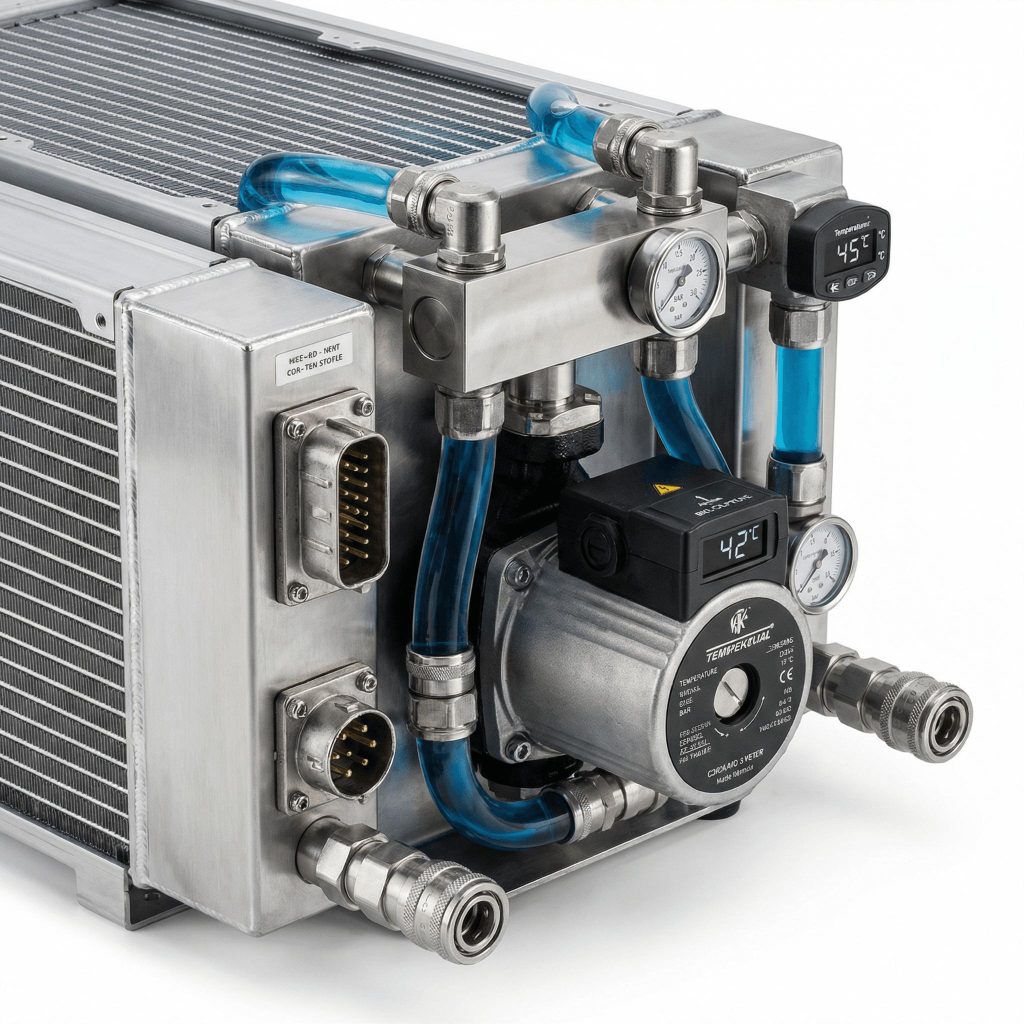
Liquid Cooling Systems
Compact cooling systems often use small pumps to circulate water or coolant through internal channels, heat exchangers or cooling plates.
Potential applications include:
Electronic equipment cooling
Laser equipment cooling systems
Compact chillers
Industrial control equipment
Other liquid circulation systems
For these applications, pump selection should consider the required circulation flow, system resistance, liquid temperature and material compatibility.
Beverage and Water Dispensing Equipment
Micro water pumps are used in some beverage machines, water dispensers and household appliances to transfer or circulate water.
Depending on the equipment design, the pump may supply water to a heating unit, dispensing outlet or internal circulation loop.
Important considerations include:
Required water flow and pressure
Operating frequency and duty cycle
Water temperature
Food-contact material requirements, where applicable
Pump noise and installation space
Any food-contact or drinking-water compliance requirements must be confirmed against the actual pump materials and applicable regulations.
Medical and Laboratory Equipment
Compact liquid pumps can be used in certain medical, analytical and laboratory devices where controlled liquid circulation or transfer is required.
Possible applications include liquid handling systems, analytical instruments, cooling circuits and other equipment requiring a compact pumping solution.
The required flow stability, liquid compatibility, noise level and electrical configuration should be evaluated according to the equipment’s design.
Specific medical certifications or regulatory compliance should always be confirmed for the selected pump configuration rather than assumed from the motor type.
Industrial Circulation Systems
Some compact industrial devices require continuous or intermittent liquid circulation within a relatively small installation space.
Brushless DC micro water pumps may be considered for:
Compact liquid circulation units
Small cooling equipment
Equipment temperature-control systems
Water transfer modules
Integrated fluid-handling equipment
The pump should be evaluated under the actual operating conditions, including system resistance, liquid temperature and expected operating cycle.
How to Select a Brushless DC Micro Water Pump
Selecting a brushless DC micro water pump for OEM equipment requires matching the pump’s hydraulic performance, electrical configuration and installation requirements.
Voltage and Electrical Requirements
Confirm the available DC power supply in the equipment.
Common selection considerations include:
Rated operating voltage
Voltage range
Current consumption
Starting requirements
Electrical connector and cable configuration
The motor and controller must be compatible with the equipment’s power supply and electrical design.
Flow Rate and Head
Flow rate and head are two essential parameters for pump selection.
The required flow rate should be determined from the equipment’s actual liquid circulation or transfer needs.
Head represents the energy supplied to the liquid per unit weight and is commonly expressed as a height of liquid. The required operating point depends on the resistance of the complete fluid system.
Maximum flow and maximum head are not normally achieved at the same operating point. Therefore, pump selection should consider the expected flow and head together rather than relying only on the maximum values shown in a product specification.
For a broader explanation, see our guide to micro water pump selection for OEM equipment.
Speed Control Requirements
If the equipment needs variable pump output, confirm whether the selected model supports speed adjustment.
The following details should be clarified:
Is a fixed operating speed sufficient?
Is external speed adjustment required?
Does the equipment provide a PWM or other control signal?
Is a separate motor controller needed?
What operating speed range is required?
These requirements should be discussed with the pump manufacturer before finalizing the electrical design.
Liquid Compatibility and Operating Temperature
The liquid being pumped affects the choice of pump materials and operating conditions.
Consider:
Liquid composition
Chemical compatibility
Viscosity
Operating temperature
Potential particles or contamination
Required sealing materials
Even when two liquids appear similar, their compatibility with pump materials may differ. Material selection should be confirmed for the actual liquid and working conditions.
Installation Dimensions and Connections
A pump must fit the equipment’s available installation space and connect correctly to the fluid system.
Confirm the following before integration:
Overall pump dimensions
Mounting positions
Inlet and outlet size
Connection direction
Cable length and connector
Required installation orientation
If the equipment design is still under development, sharing a layout drawing or available installation space can help the manufacturer recommend a suitable configuration.
OEM Integration and Customization Considerations
For OEM equipment manufacturers, the pump is only one component of the complete system. Its electrical, mechanical and hydraulic interfaces must work with the equipment as a whole.
Depending on the selected model and technical feasibility, possible customization areas may include:
Pump dimensions and installation structure
Inlet and outlet connections
Rated voltage and electrical configuration
Cable length and connector
Motor speed and control interface
Wetted materials and sealing components
Not every option is available for every pump model. Customization should be evaluated according to the required performance, production feasibility and application conditions.
If you are developing new equipment and do not yet have complete pump specifications, you can still begin the discussion by sharing the equipment application, required liquid circulation, available installation space or an existing pump sample.
The JIGU team can help evaluate the application and identify a suitable micro water pump configuration.
Why Choose JIGU Brushless Micro Water Pumps?
JIGU focuses on the development and manufacturing of micro pump solutions for OEM equipment manufacturers.
Our micro water pump range uses brushless DC motors and is designed for compact liquid transfer and circulation applications.
For OEM projects, JIGU can support pump selection and technical evaluation based on the equipment’s actual requirements, including flow rate, head, voltage, liquid compatibility, installation dimensions and electrical connections.
Whether you are developing a new device or looking for an alternative pump for an existing product, our team can help evaluate a suitable solution.
Explore our micro centrifugal water pump solutions or contact us to discuss your application.
Frequently Asked Questions
What Is the Difference Between a Brushless and Brushed DC Water Pump?
The main difference is the motor’s commutation method. A brushed DC motor uses mechanical brushes and a commutator, while a brushless DC motor uses electronic commutation. Brushless motors eliminate brush wear, but require compatible electronic drive circuitry.
Are Brushless DC Micro Water Pumps Suitable for Continuous Operation?
They can be suitable for extended or continuous operation when the specific pump model is designed and rated for the required duty cycle. Operating temperature, liquid conditions, power supply and system resistance should all be considered.
Can the Speed of a Brushless Micro Water Pump Be Adjusted?
Some models support speed adjustment through a compatible controller or external control signal. However, this function is not available on every model. The control interface and operating range should be confirmed before selection.
Are Brushless DC Water Pumps More Efficient?
Brushless motors can offer efficiency advantages in some applications, but the overall efficiency depends on the motor, controller, pump design and operating point. A complete pump system should be evaluated under the actual working conditions.
Can JIGU Customize Brushless Micro Water Pumps for OEM Equipment?
JIGU can evaluate OEM requirements such as voltage, flow rate, head, connections, installation dimensions, materials and electrical configuration. Available customization options depend on the selected model and technical feasibility.
Contact JIGU for Your OEM Micro Water Pump Project
Looking for a brushless DC micro water pump for your equipment?
Share your application details, required flow and head, operating liquid, voltage and installation requirements with our team.
If you do not have complete specifications yet, you can also send us your equipment information or an existing pump sample. We will help evaluate a suitable pump solution.
Contact JIGU for an OEM Micro Water Pump Solution
Related Products
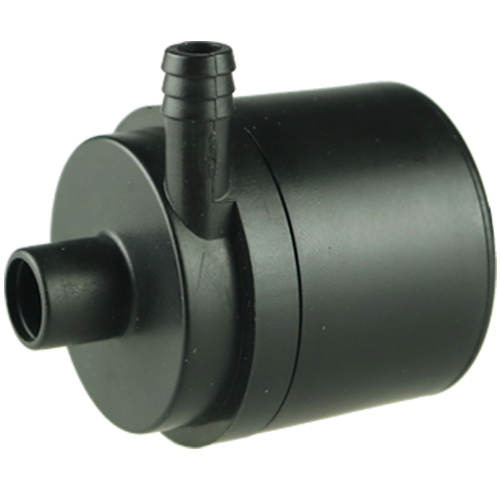
Reach Out Today
Looking for a micro pump manufacturer for your project? Contact JIGU Pump to discuss your application requirements and get a suitable pump recommendation and quotation.

Share Your Requirements
Share your application requirements, technical specifications, drawings, or reference images with our team.

Receive a Solution & Quotation
Our team will review your requirements and provide a suitable pump recommendation and quotation.

Confirm & Start Production
After sample approval and order confirmation, we proceed with production and arrange shipment according to the agreed schedule.