
How to Evaluate a Micro Pump Manufacturer for OEM Projects
How to Evaluate a Micro Pump Manufacturer for OEM Projects
Choosing the right micro pump manufacturer is an important decision for any equipment manufacturer developing a new product or improving an existing design.
A suitable pump supplier should offer more than a competitive quotation. Technical support, product quality, sample testing, customization capabilities and long-term production reliability all affect the success of an OEM project.
However, comparing different pump manufacturers can be challenging. Some suppliers focus mainly on standard products, while others provide engineering support and application-specific solutions.
This guide explains the key factors to consider when evaluating a micro pump manufacturer, helping OEM buyers make a more informed supplier selection.
1. Evaluate Manufacturing Experience and Product Focus
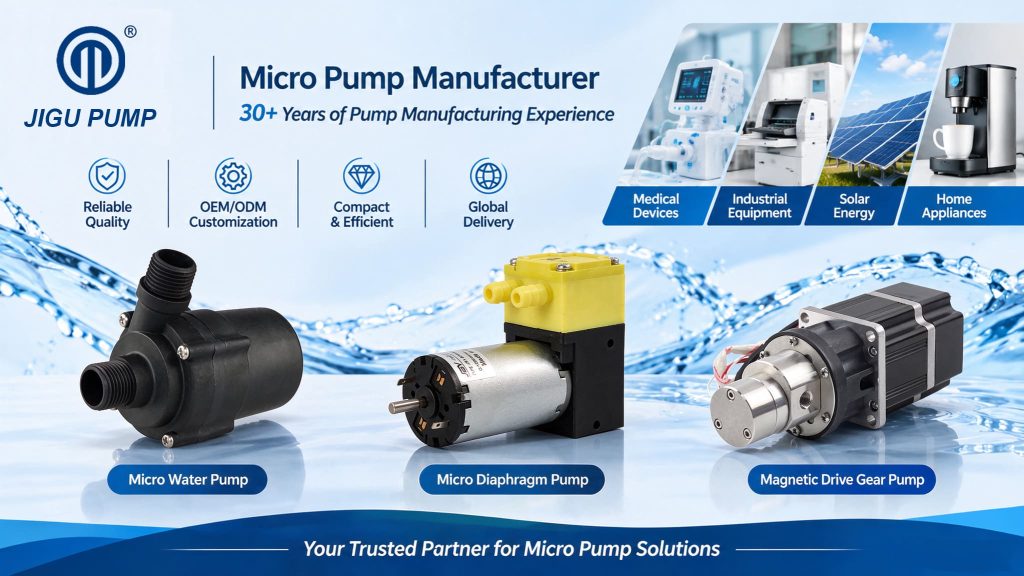
Manufacturing experience is a useful starting point when evaluating a potential pump supplier.
A manufacturer with relevant experience may have a better understanding of common application requirements, product limitations and technical challenges.
However, the number of years in business alone does not guarantee that a supplier is suitable for your project.
Consider the following questions:
How long has the company been manufacturing micro pumps?
Does it specialize in the pump types required for your application?
Does it have experience serving OEM equipment manufacturers?
Can it provide relevant product information and technical documentation?
Does its existing product range cover your application requirements?
It is also important to understand the supplier’s main product categories.
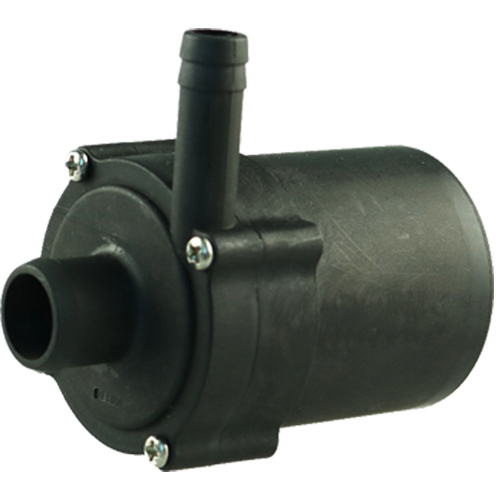
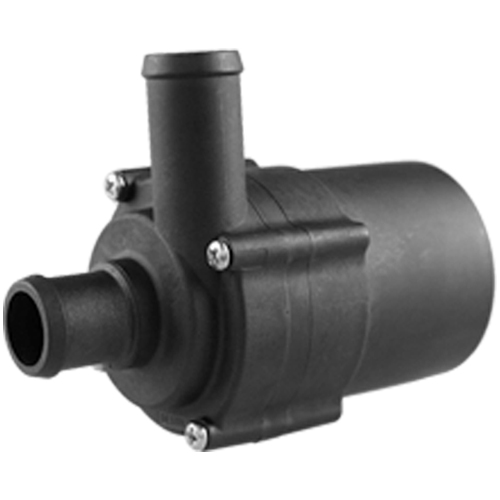
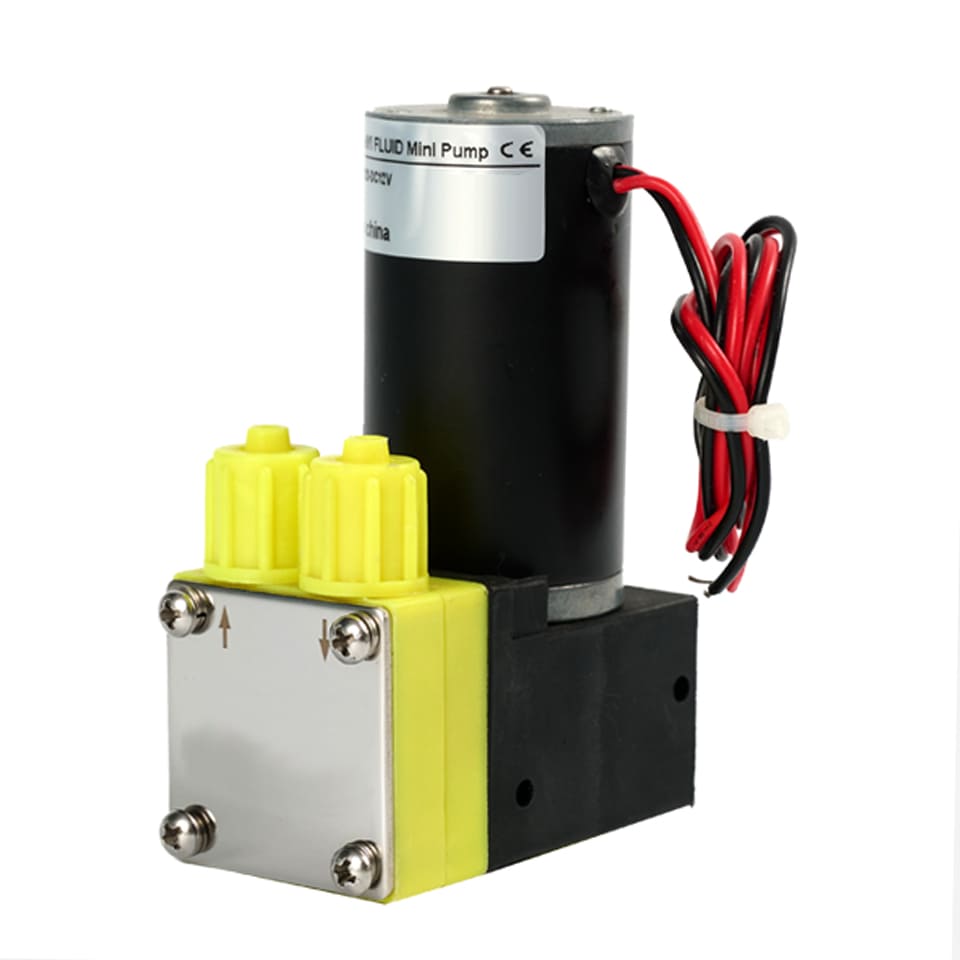
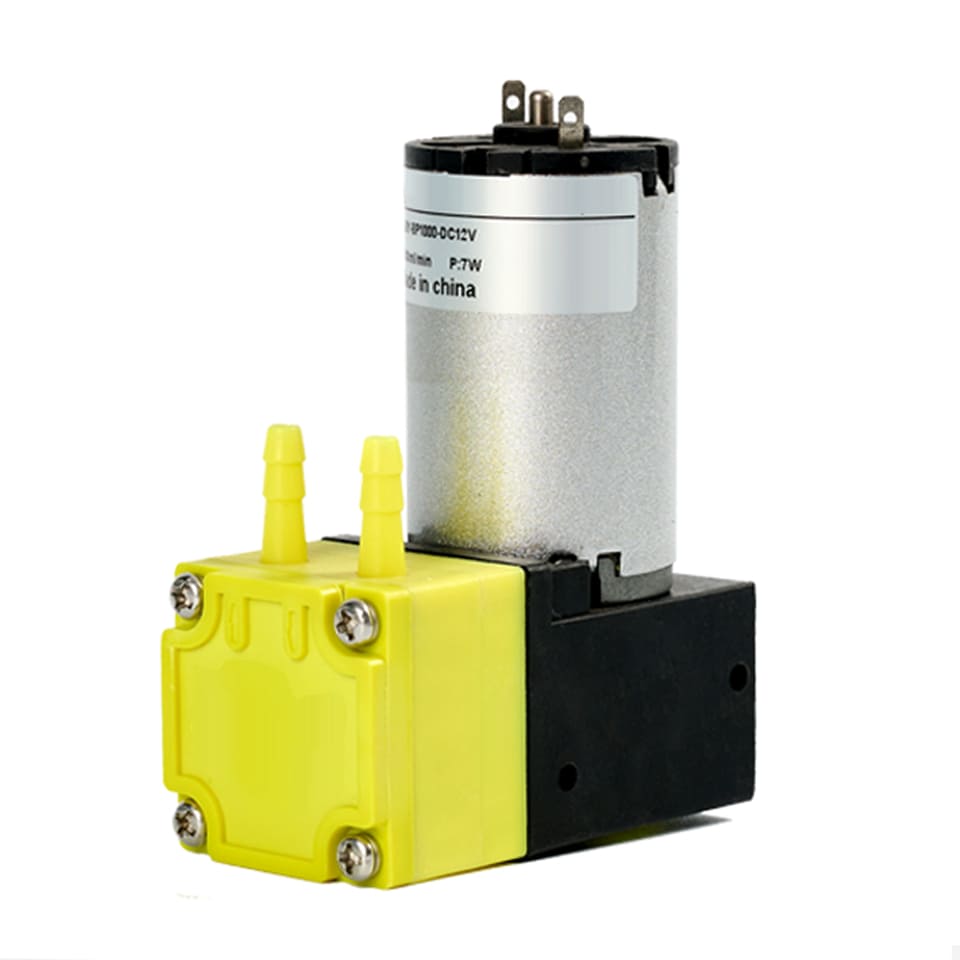
For example, micro centrifugal water pumps, micro diaphragm pumps and magnetic drive gear pumps use different operating principles. A manufacturer with experience in the relevant pump technology may be better positioned to evaluate your application.
For OEM buyers, product specialization and relevant manufacturing experience are often more useful than a supplier’s general company size.
2. Check Engineering Support and OEM Experience
A reliable OEM pump supplier should be able to understand your equipment requirements and help identify a suitable pump solution.
Not every customer has complete technical specifications at the beginning of a project. In many cases, the equipment manufacturer knows the required function but still needs assistance with pump selection.
Evaluate whether the supplier can help with:
Understanding the equipment application
Selecting a suitable pump type and model
Reviewing required flow rate and pressure
Evaluating fluid or gas compatibility
Checking electrical and installation requirements
Assessing possible customization options
A good supplier should also be willing to discuss technical limitations rather than simply promising that every requirement can be achieved.
For example, the maximum flow rate and maximum pressure of a pump may not be available at the same operating point. A technically capable supplier should explain these limitations and help evaluate the actual operating conditions.
You can learn more about this topic in our guide to micro pump flow rate and pressure.
3. Understand the Supplier’s Quality Management System
Product quality is one of the most important considerations when selecting a long-term pump supplier.
Instead of relying only on statements such as “high quality” or “strict quality control,” OEM buyers should ask how the manufacturer manages product quality throughout production.
Useful questions include:
Does the manufacturer have a documented quality management system?
How are incoming materials and components inspected?
Are important production processes monitored?
How are finished products inspected or tested?
How are nonconforming products handled?
Can the supplier investigate quality problems and provide corrective actions?
ISO 9001 and Quality Management
ISO 9001 is an internationally recognized quality management system standard. It provides a framework for managing processes, meeting customer requirements and continually improving quality management.
However, an ISO 9001 certificate should not be treated as proof that every individual product meets every application requirement.
When a supplier claims certification, buyers should check the certificate’s validity, certified organization and scope.
You can refer to the ISO overview of ISO 9001 for more information.
Consistency Between Production Batches
For OEM equipment manufacturers, consistent performance across production batches is particularly important.
A pump that performs well during initial sample testing must also meet the agreed requirements when supplied in larger quantities.
Ask the manufacturer how it manages product specifications, component changes, production inspections and quality feedback.
These details can help you understand whether the supplier is prepared to support ongoing production rather than only supplying initial samples.
4. Request Samples and Verify Actual Performance
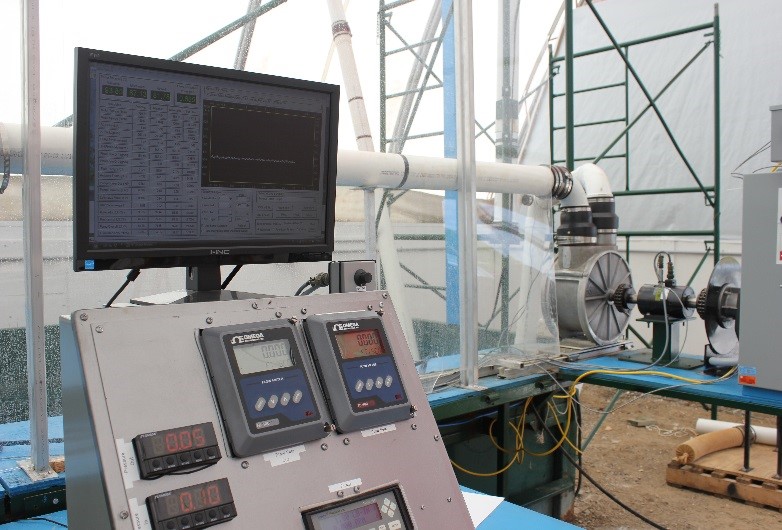
Sample testing is an important step before approving a pump for an OEM project.
Product catalogs and technical specifications provide useful reference information, but they cannot fully represent every installation condition.
Whenever possible, evaluate samples in the actual equipment or a representative test setup.
The testing process may include:
Flow rate under actual operating conditions
Pressure or vacuum performance, where applicable
Electrical characteristics
Fluid compatibility
Noise and vibration
Operating temperature
Startup and shutdown behavior
Performance during the expected duty cycle
The test requirements should be agreed upon between the buyer and supplier before testing begins.
For centrifugal pumps, standardized hydraulic performance acceptance procedures can provide a useful reference. The Hydraulic Institute’s ANSI/HI 14.6 performance acceptance test standard covers performance testing for rotodynamic pumps.
For micro diaphragm and gear pumps, the evaluation method should be appropriate to their respective operating principles and agreed application requirements.
Test Under Representative Conditions
A common mistake is to evaluate a pump using only one convenient test condition.
For example, a pump may deliver the required flow in an open-loop test but perform differently after being installed in the customer’s equipment.
Testing should therefore consider the actual tubing, connections, fluid properties, system resistance and operating cycle wherever practical.
Confirm the Test Results and Acceptance Criteria
Before sample approval, both parties should understand which performance requirements must be achieved.
This may include agreed flow and pressure values, electrical limits, noise requirements or other application-specific conditions.
Clear acceptance criteria help prevent misunderstandings when the project moves from sample evaluation to mass production.
5. Evaluate Customization and Manufacturing Capabilities
Standard products are often a good starting point, but OEM projects may require adjustments to better fit the equipment design.
A suitable manufacturer should be able to explain which requirements can be achieved using existing models and which may require additional engineering work.
Potential customization areas include:
Flow rate and operating pressure
Motor type and electrical configuration
Pump housing and wetted materials
Inlet and outlet connections
Cable length and electrical connectors
Installation dimensions and mounting arrangements
The available options depend on the pump type, model structure and technical feasibility.
Standard Models or Fully Customized Designs?
A completely new pump design is not always necessary.
In many projects, selecting a suitable standard model and evaluating specific adjustments can be a more practical approach.
This may reduce development complexity and help shorten the time needed for sample evaluation.
However, substantial structural changes may require additional tooling, engineering work and validation.
A manufacturer should explain these possibilities clearly before the project proceeds.
For a more detailed overview, see our article on micro pump customization for OEM applications.
6. Check Production Capacity and Long-Term Supply Reliability
An OEM supplier must be able to support not only product development but also the customer’s ongoing production requirements.
A successful sample project does not automatically guarantee that the supplier can meet future order schedules and production volumes.
Before placing a long-term order, consider the following:
Can the manufacturer support your expected order quantity?
Are production lead times clearly communicated?
How does the supplier manage changes in demand?
Can product specifications remain consistent between orders?
How are component shortages or production delays handled?
Is there a clear process for handling quality issues after delivery?
Production capacity should be evaluated in relation to your actual demand, rather than simply accepting a general statement that the supplier has sufficient capacity.
For new projects, it is also useful to discuss forecast quantities, initial order volumes and possible future production increases.
7. Evaluate Communication and Technical Cooperation
Communication is often underestimated during supplier selection.
However, OEM pump projects usually involve multiple discussions about specifications, samples, testing results, design adjustments and production arrangements.
A supplier that communicates clearly can help reduce unnecessary delays and misunderstandings.
Pay attention to how the manufacturer responds to technical questions.
For example:
Are questions answered clearly and accurately?
Does the supplier identify missing technical information?
Are technical limitations explained honestly?
Are sample arrangements and delivery schedules communicated clearly?
Does the supplier follow up on unresolved technical issues?
Good communication does not mean that a supplier must always agree with the buyer. Sometimes, explaining why a requested specification is not technically suitable is more valuable than simply accepting the requirement.
The goal is to establish a working relationship in which both parties can solve problems efficiently.
8. Compare Suppliers Beyond the Quoted Price
Price is an important part of procurement, but it should not be the only factor when comparing micro pump manufacturers.
A lower initial unit price may not necessarily result in a lower total project cost.
OEM buyers should also consider:
Sample and development costs
Customization and tooling costs
Product performance and consistency
Quality-related costs
Delivery reliability
Communication and engineering support
Long-term availability of the selected model
For example, a pump that requires fewer modifications and performs consistently in the equipment may provide better overall value than a cheaper alternative that requires repeated testing and adjustments.
When comparing quotations, make sure the technical specifications and delivery conditions are comparable.

9. Why Consider JIGU for Your OEM Micro Pump Projects?
JIGU Pump has been engaged in micro pump development and manufacturing since 1990, with more than 30 years of experience in the industry.
Our main product categories include:
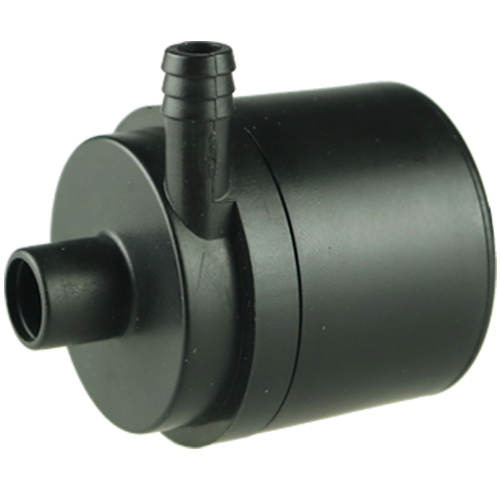
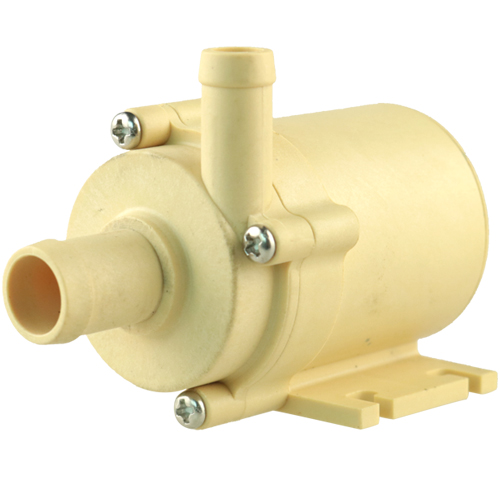
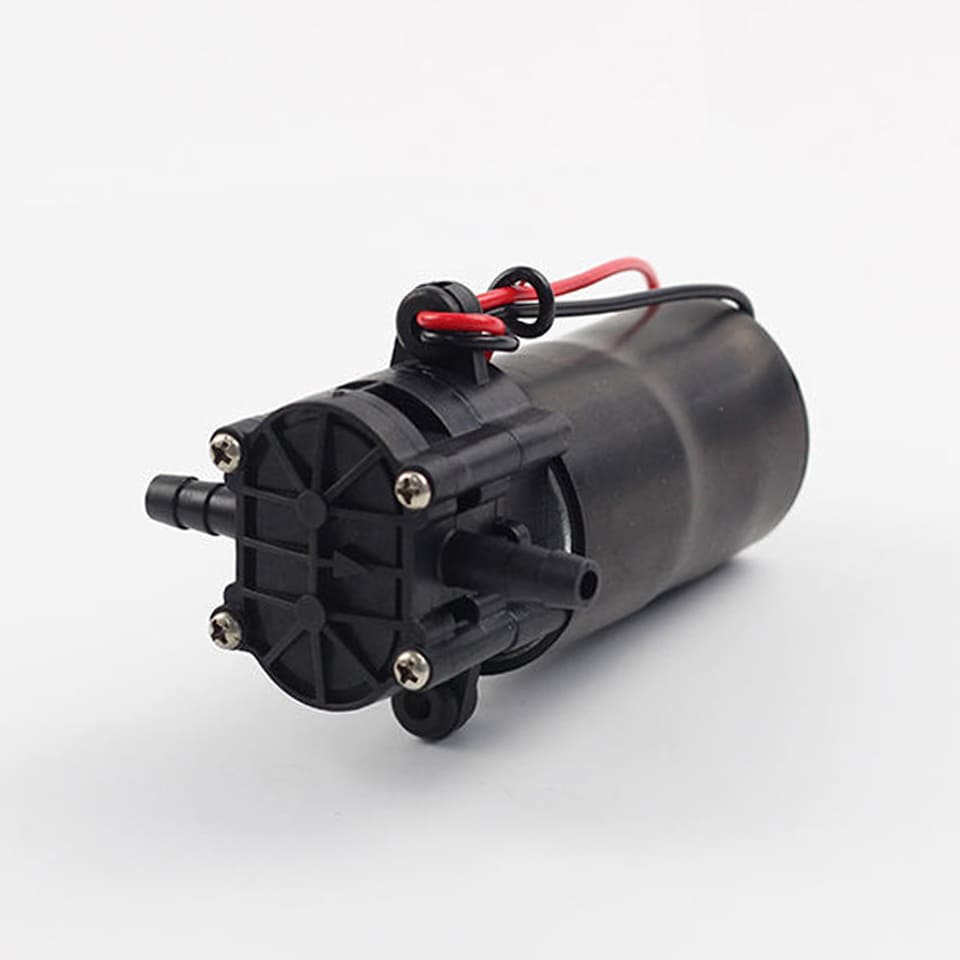
Micro centrifugal water pumps
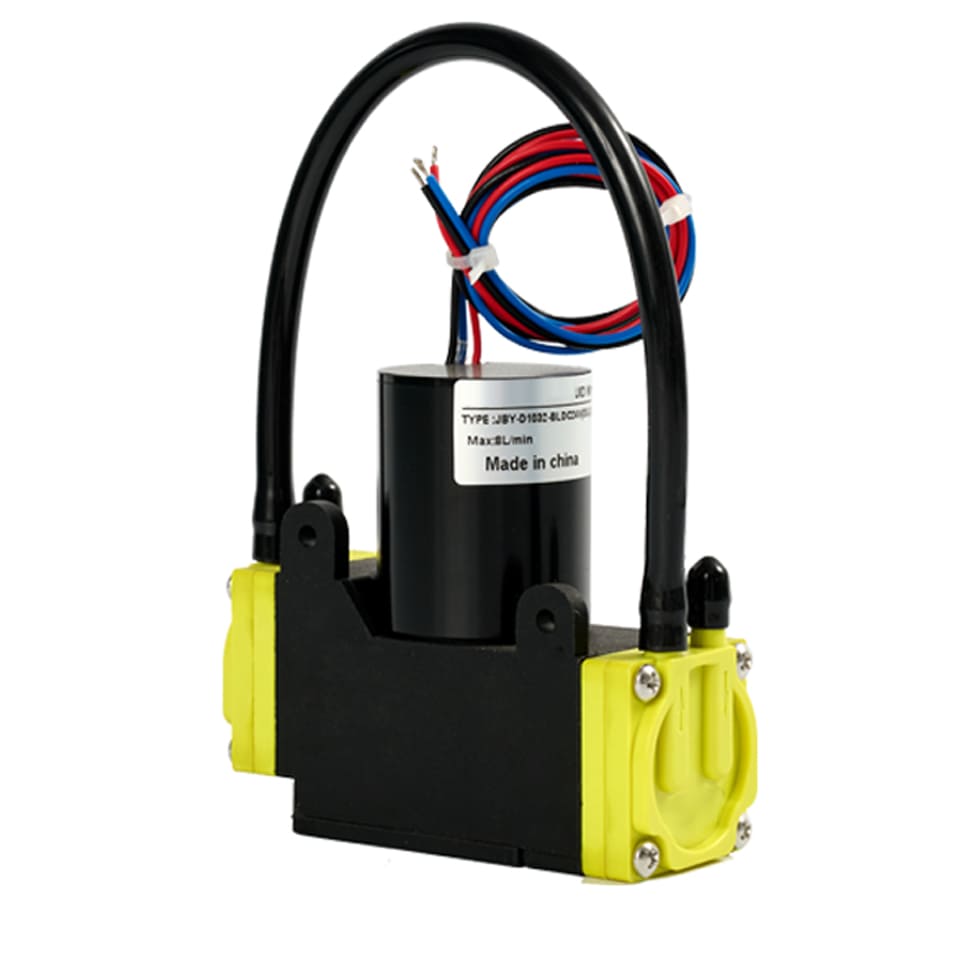
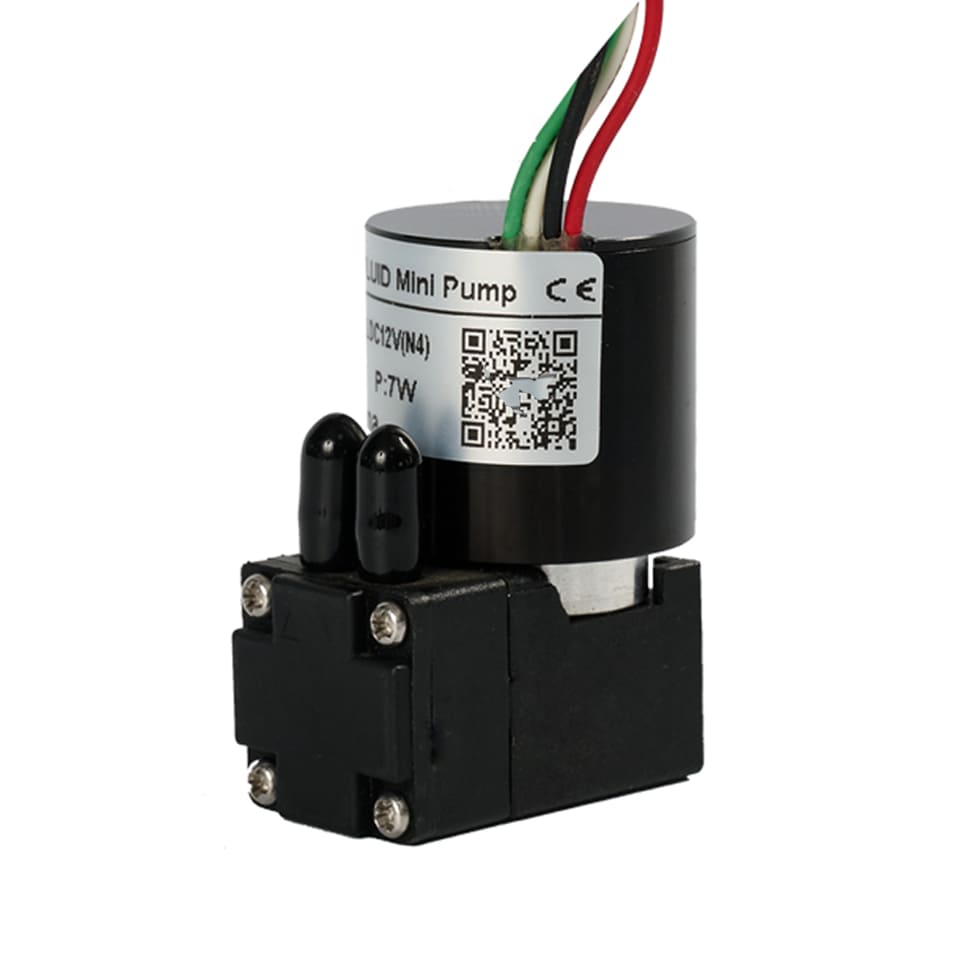
Micro diaphragm pumps
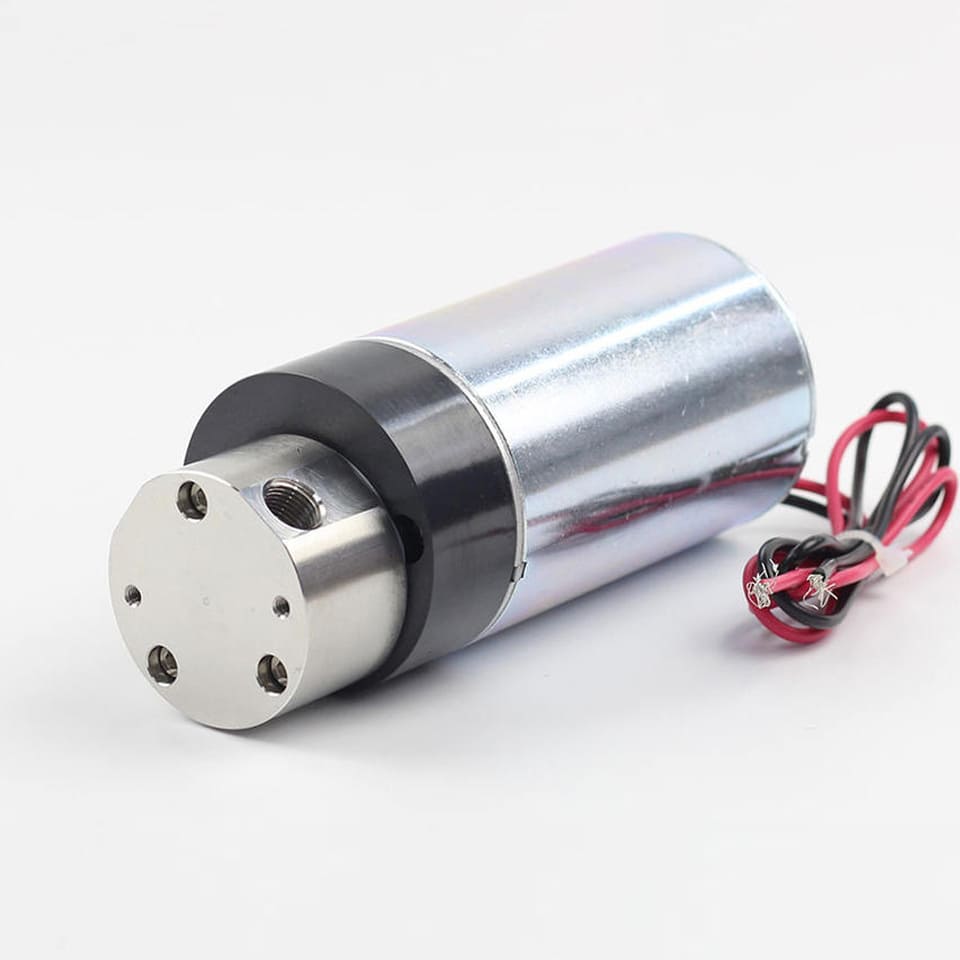
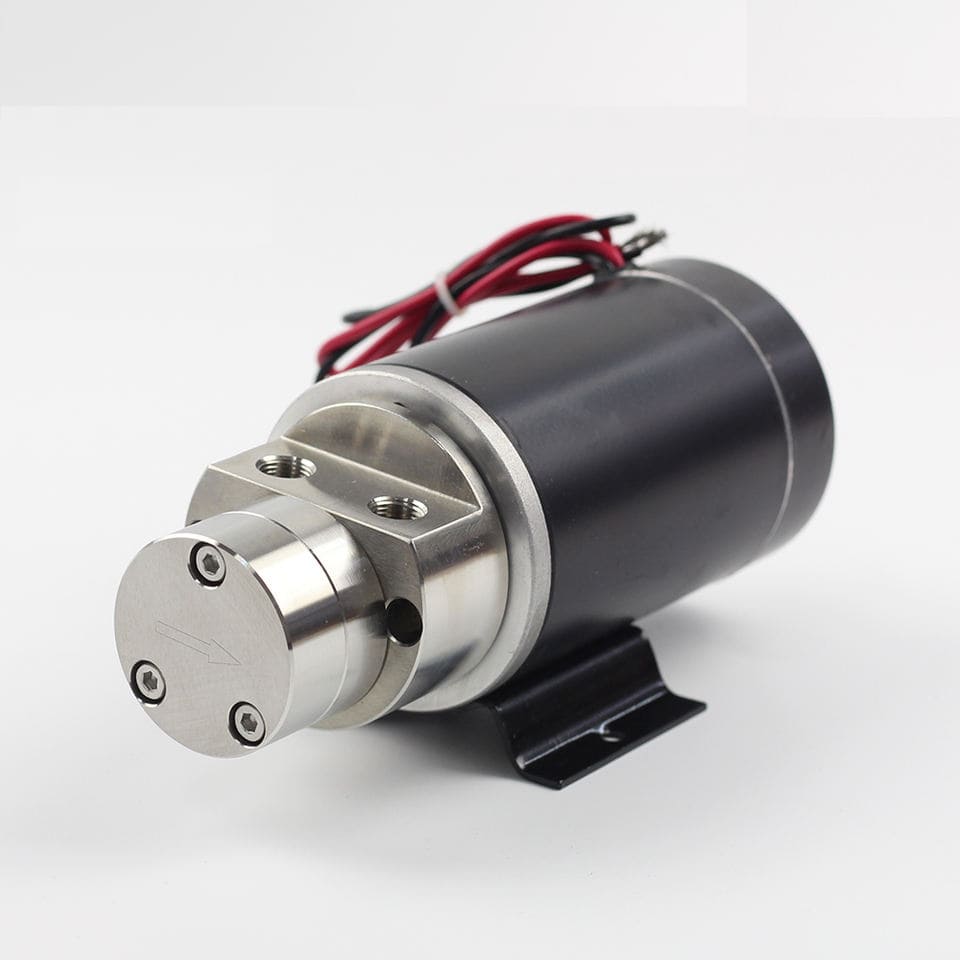
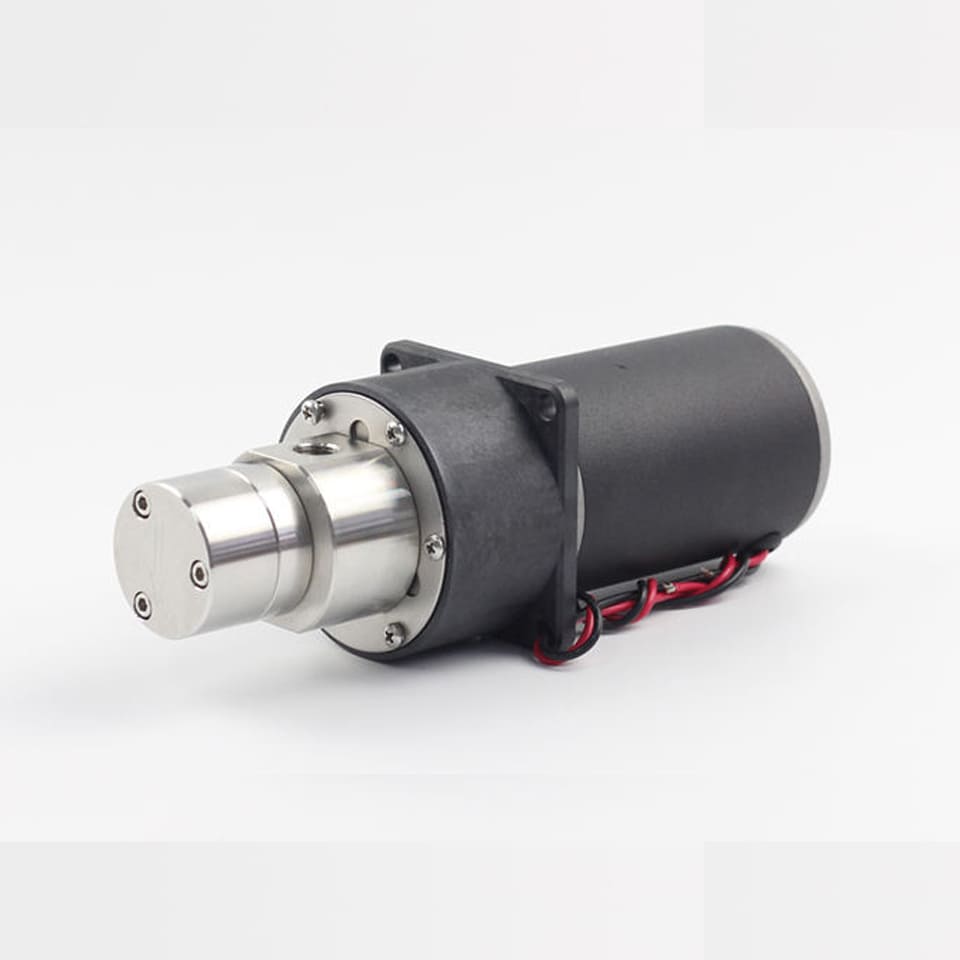
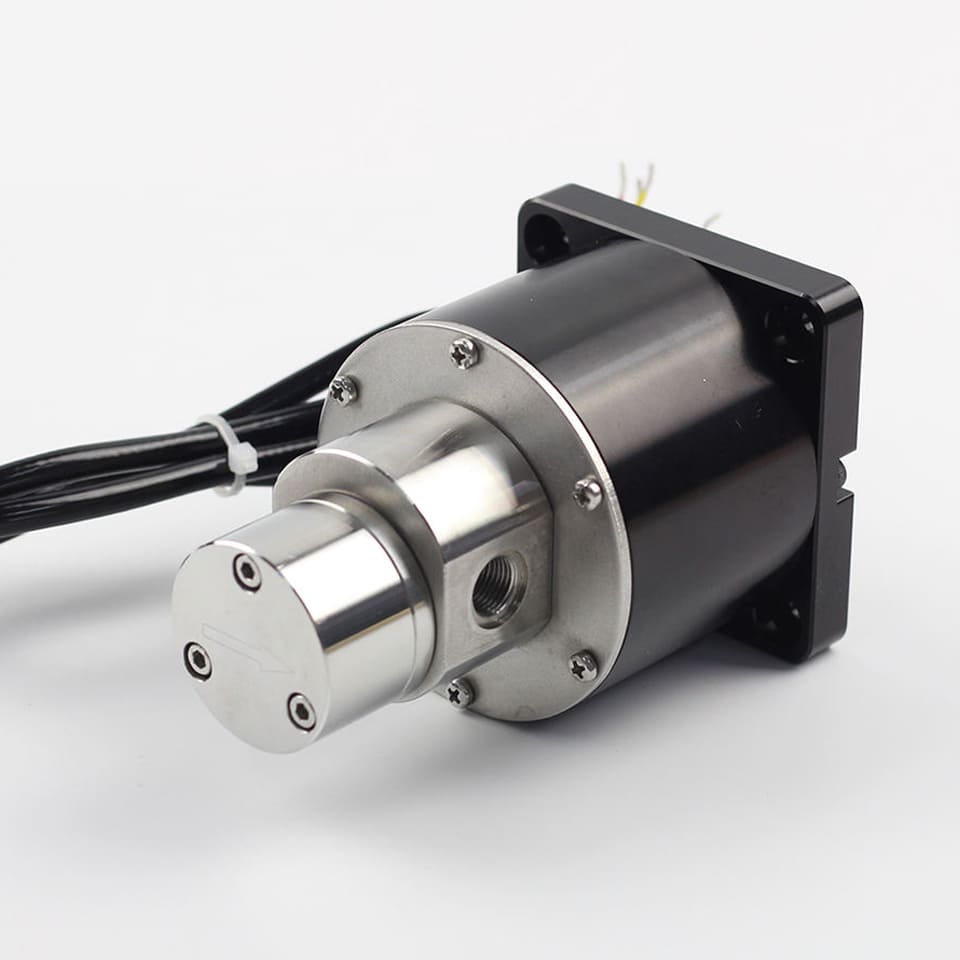
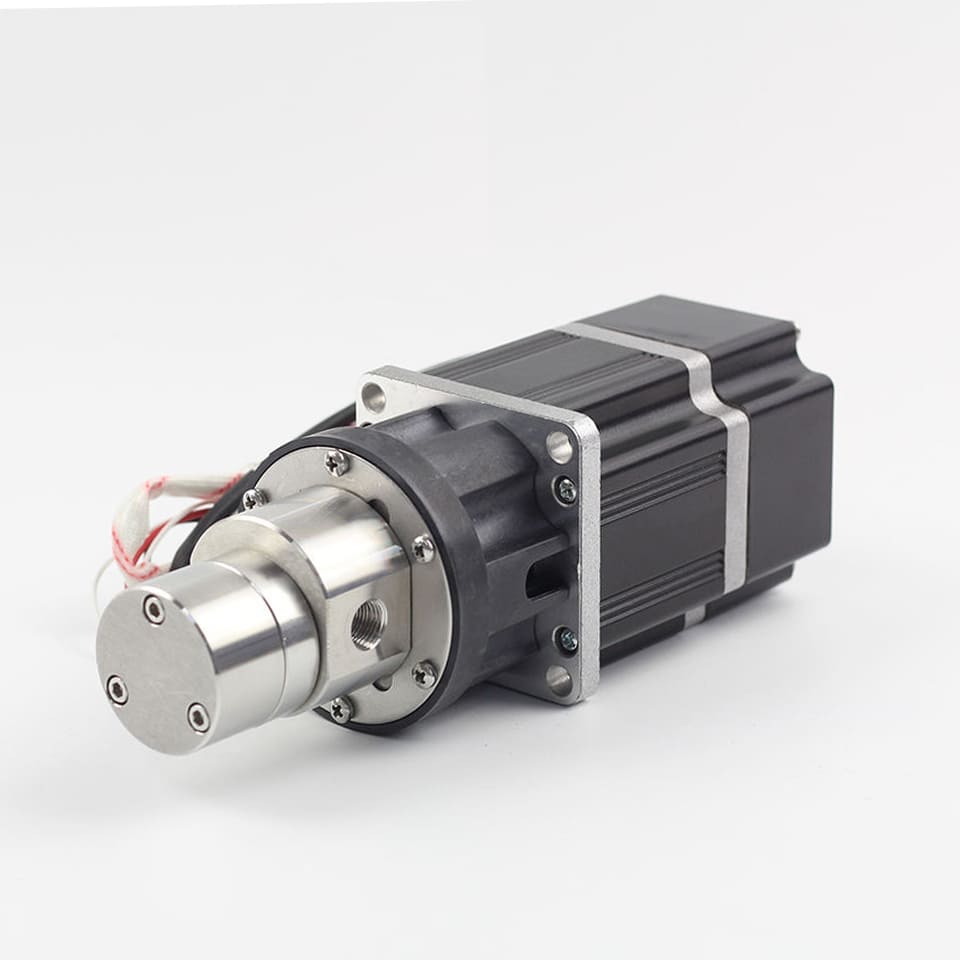
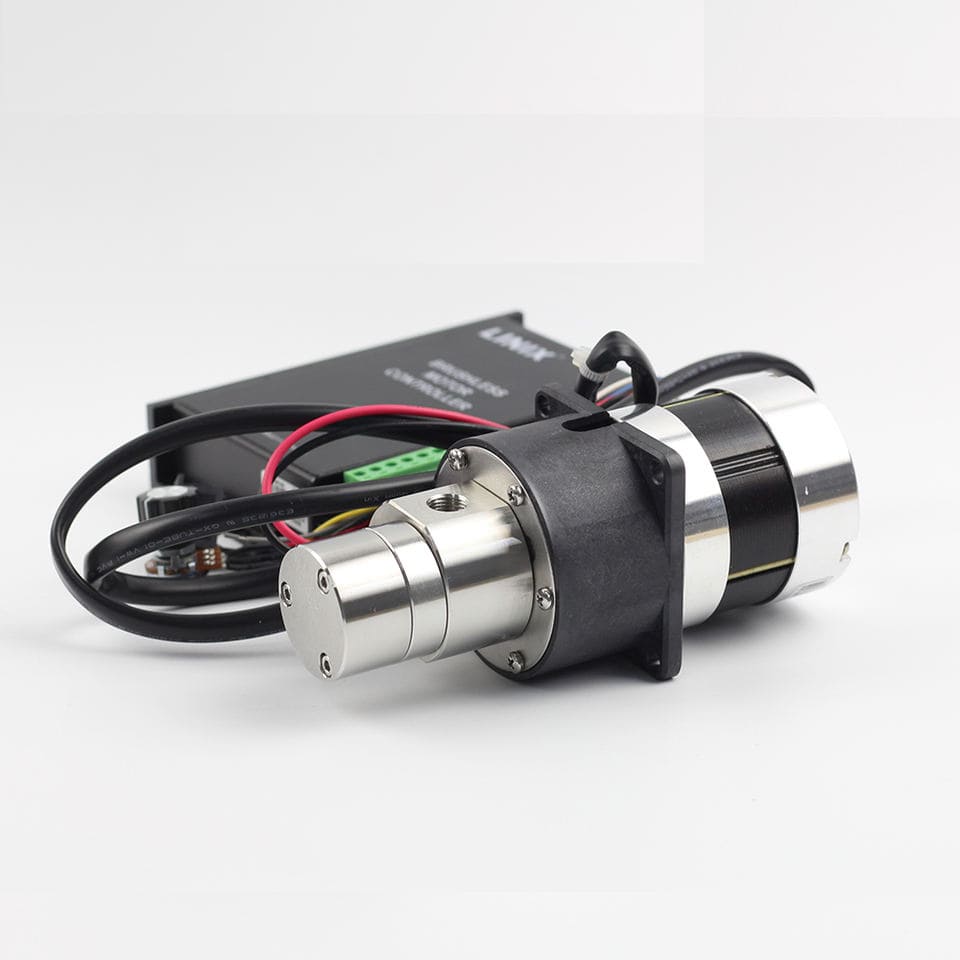
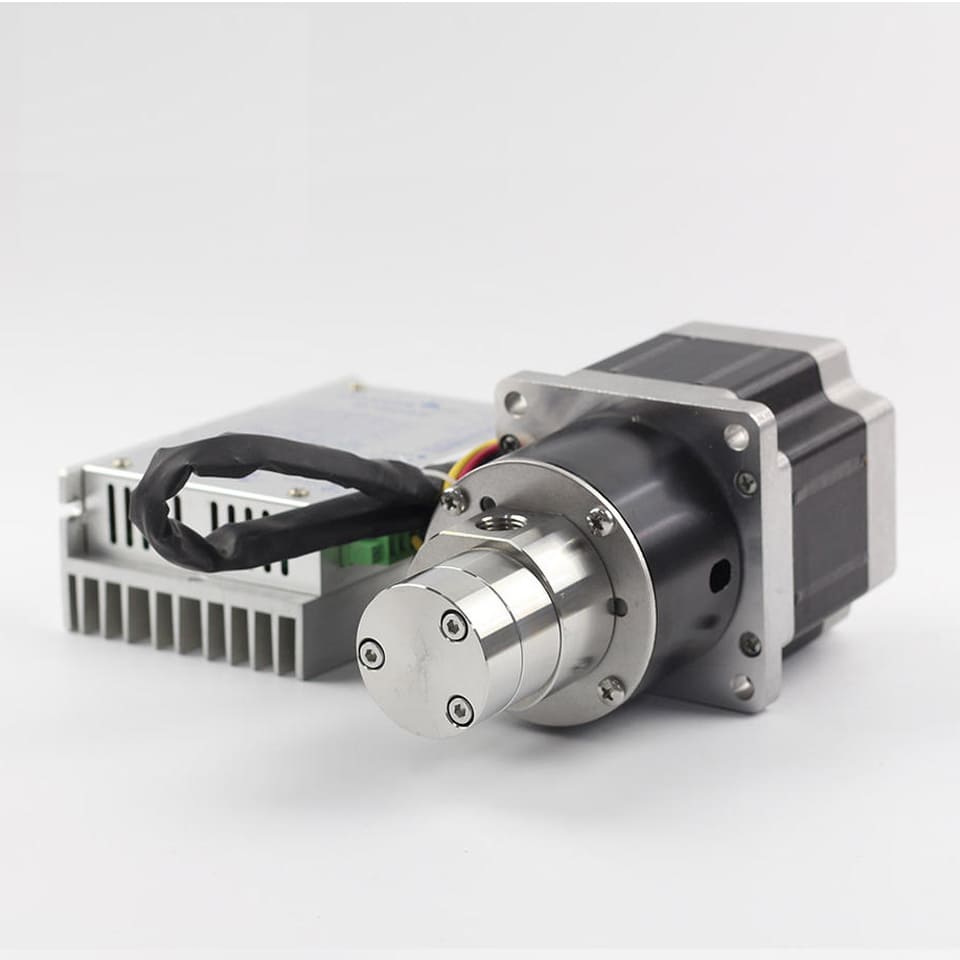
Magnetic drive gear pumps
We work with equipment manufacturers looking for pump solutions for different fluid and gas handling applications.
For OEM projects, we can start with existing standard models and evaluate possible adjustments according to the customer’s application, performance requirements and equipment design.
Depending on the selected model and project feasibility, this may involve motor configuration, flow rate, pressure, wetted materials, electrical connections and installation dimensions.
If you already have a pump specification, technical drawing or sample, we can review it. If your requirements are not yet complete, you can also begin by explaining the equipment application and the function you need the pump to perform.
Our goal is to help customers identify a suitable pump solution and support the project from initial selection to sample evaluation and production.
Contact JIGU to discuss your micro pump requirements and explore possible OEM solutions.
Frequently Asked Questions
What should I look for when choosing a micro pump manufacturer?
Consider manufacturing experience, relevant pump technology, engineering support, quality management, sample testing, customization capabilities, production capacity and communication.
The most suitable supplier is one that can meet your technical and commercial requirements over the long term.
Is a micro pump manufacturer better than a trading company?
Not necessarily in every situation. However, working directly with a manufacturer may provide more direct access to product knowledge, engineering discussions and production-related information.
OEM buyers should confirm whether the company actually manufactures the products or mainly sources them from other suppliers.
Should I test samples before placing a bulk order?
Yes. Sample testing is strongly recommended for OEM projects.
The pump should be evaluated under conditions that represent the actual equipment application. Both parties should agree on the relevant performance requirements before approval.
Does ISO 9001 certification guarantee pump quality?
No. ISO 9001 relates to a company’s quality management system. It does not automatically guarantee that every product meets a specific technical requirement.
Buyers should also review product specifications, inspection procedures, sample test results and actual application performance.
Can a micro pump manufacturer customize an existing pump model?
In many cases, selected specifications or components can be evaluated for adjustment. Possible changes may involve performance, motor configuration, materials, wiring, connections and installation dimensions.
The available options depend on the specific pump model and engineering feasibility.
What information should I provide when contacting a pump manufacturer?
Useful information includes the equipment application, pumped medium, required flow rate and pressure, operating voltage, installation space, working conditions and expected order quantity.
Drawings, photos or an existing pump sample can also help the supplier understand your requirements.
Related Products
Reach Out Today
Looking for a micro pump manufacturer for your project? Contact JIGU Pump to discuss your application requirements and get a suitable pump recommendation and quotation.

Share Your Requirements
Share your application requirements, technical specifications, drawings, or reference images with our team.

Receive a Solution & Quotation
Our team will review your requirements and provide a suitable pump recommendation and quotation.

Confirm & Start Production
After sample approval and order confirmation, we proceed with production and arrange shipment according to the agreed schedule.