
Micro Pumps for Laboratory and Analytical Equipment
Micro Pumps for Laboratory and Analytical Equipment
Micro Pumps for Laboratory Equipment play an important role in modern analytical instruments, testing systems and laboratory devices. They help transfer liquids, deliver reagents, collect gas samples and circulate fluids within compact equipment.
For OEM equipment manufacturers, selecting a suitable micro pump involves more than checking its maximum flow rate or physical dimensions. The pump must match the actual fluid, operating pressure, duty cycle, installation space and control requirements of the instrument.
This guide explores common micro pump applications in laboratory and analytical equipment, compares three major pump technologies and explains the key considerations for OEM pump selection.
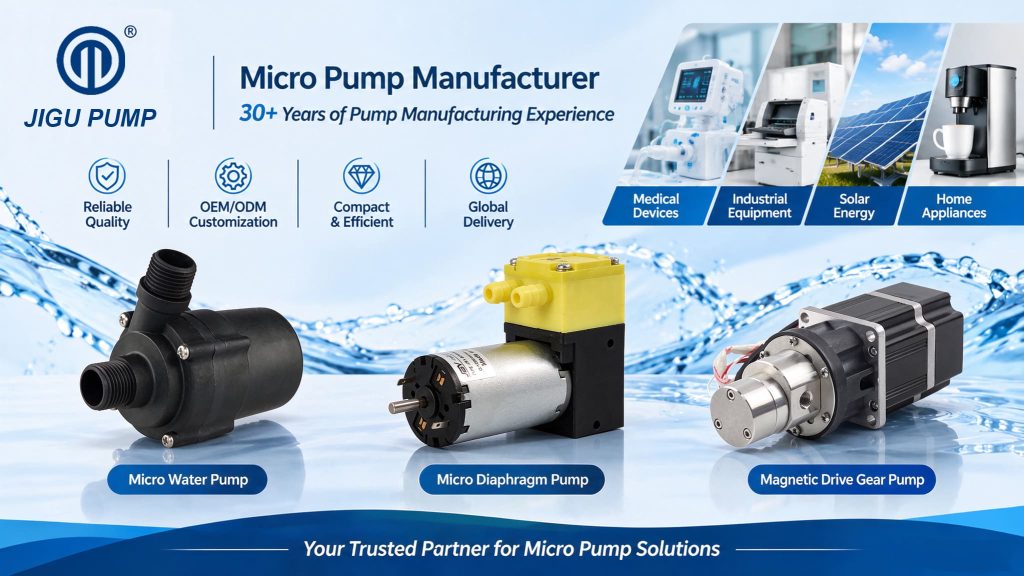
Why Micro Pumps Are Important in Laboratory Equipment
Laboratory instruments are designed to perform specific analytical, testing or sample-processing tasks. Many of these processes require controlled movement of small quantities of liquid or gas.
Micro Pumps for Laboratory Equipment are commonly used in liquid handling, gas sampling, reagent transfer and fluid circulation. Their compact size makes them suitable for integration into many types of analytical and testing instruments.
A compact pump can support several functions within an instrument, including:
Transferring samples, reagents and cleaning liquids
Supplying liquids to analytical or testing components
Moving air or gas through sampling systems
Creating vacuum for aspiration or filtration
Circulating liquids through cooling or temperature-control loops
Supporting washing, rinsing and waste-fluid handling
For example, laboratory automation and clinical analysis systems may use pumps for reagent delivery, sample handling, probe cleaning and liquid waste removal. Gas analysis equipment may require a compact pump to draw samples through a measurement path.
These applications are not identical. Each one has different requirements for flow, pressure, chemical compatibility and operating stability.
A pump should therefore be selected according to its specific function within the equipment, rather than simply choosing the smallest available model.
Common Applications of Micro Pumps in Laboratory and Analytical Equipment
1. Clinical and Analytical Instruments
Clinical analyzers and automated laboratory instruments handle samples, reagents, washing solutions and waste liquids during testing procedures.
Pump-related functions may include:
Transferring liquids from reservoirs to testing modules
Supplying washing or cleaning solutions
Removing residual liquids from instrument components
Circulating liquids within supporting systems
Supporting sample preparation and fluid handling
Micro diaphragm pumps are used in some analytical systems for liquid transfer, washing and waste handling. Depending on the instrument design, other pump technologies may also be suitable.
The key selection factors include liquid compatibility, flow stability, required pressure, contamination control and the ability to operate under the instrument’s actual duty cycle.
For applications involving sensitive samples or reagents, OEM engineers should also consider the complete fluid path, including tubing, connectors, valves and other wetted components.
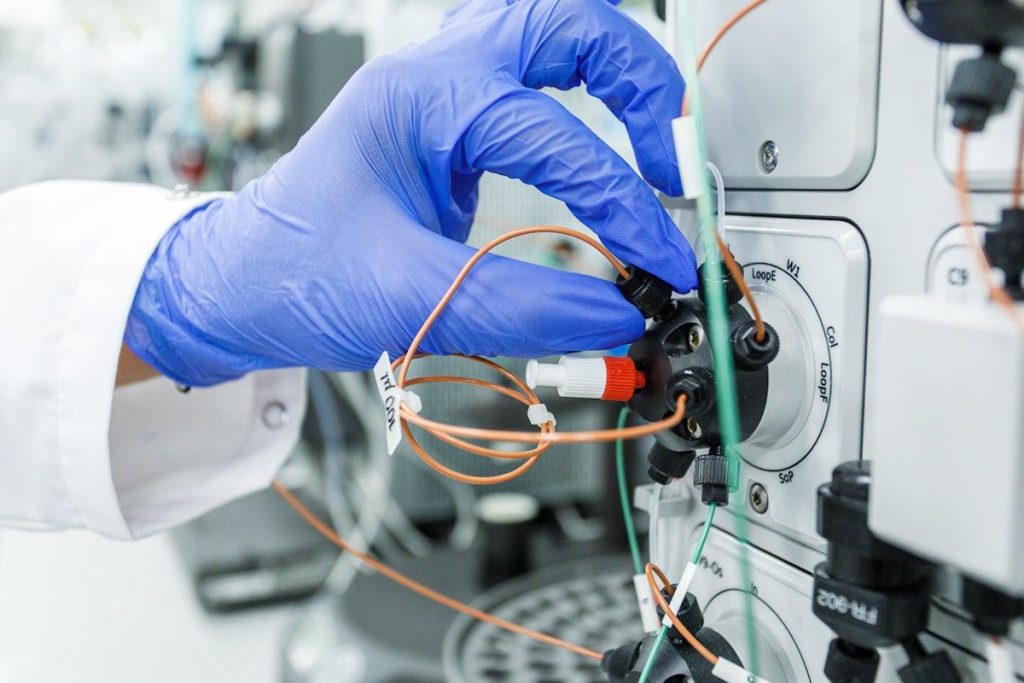
Automated laboratory instruments often require accurate liquid transfer, sample preparation and fluid handling. The NIST liquid handling system provides an example of how automated liquid handling is integrated into scientific instrumentation.
2. Gas Sampling and Analysis
Gas analyzers and environmental monitoring instruments may need to draw air or gas samples through sensors, filters or measurement chambers.
A compact diaphragm gas pump can be considered for applications such as:
Gas sampling and transportation
Air supply for analytical systems
Vacuum generation for sample collection
Gas circulation within instrument modules
Supporting pneumatic functions in testing equipment
The required pump configuration depends on the system. Some applications require positive pressure, while others require vacuum. Certain pump models can support both functions, but this capability must be confirmed for the selected model.
Important factors include gas composition, flow rate, operating pressure or vacuum, moisture content, temperature and compatibility with the pump’s wetted materials.
For gas analysis, the pump should also be evaluated for possible sample contamination, leakage and changes in gas composition during transportation.
Diaphragm pumps are also used in gas sampling systems to draw gas through sampling lines and deliver it to analytical equipment. The EPA atmospheric sampling technical manual describes the use of diaphragm pumps in these applications.
3. Water and Liquid Analysis Equipment
Water quality analyzers and other liquid testing instruments may use pumps to transfer samples, supply cleaning liquids or circulate water through different measurement components.
Typical functions include:
Moving water samples into testing chambers
Supplying cleaning or rinsing liquids
Circulating water through instrument modules
Transferring liquids between reservoirs
Supporting temperature-control or cooling loops
Micro centrifugal water pumps may be considered for suitable liquid circulation and transfer tasks. Their suitability depends on the required flow, system resistance, liquid properties and inlet conditions.
For liquid analysis equipment, the pump’s wetted materials are especially important. The liquid being tested may contain salts, chemicals or other substances that could affect the pump head, seals, valves or other internal components.
OEM manufacturers should confirm material compatibility using the actual liquid composition, concentration and operating temperature.
4. Chromatography and Sample Preparation Equipment
Chromatography and sample preparation systems involve several fluid handling processes, including sample preparation, washing, rinsing, waste removal and auxiliary liquid transfer.
Depending on the equipment architecture, compact pumps may support selected low-pressure transfer or circulation functions.
However, not every pump used in a chromatography system performs the same task. High-pressure solvent delivery, precise metering and auxiliary liquid handling may require different pump technologies and performance levels.
A standard micro pump should not be assumed suitable for high-pressure analytical solvent delivery without confirming its pressure rating, flow stability, material compatibility and performance under the required operating conditions.
For OEM designers, the first step is to identify exactly where the pump fits into the fluidic system.
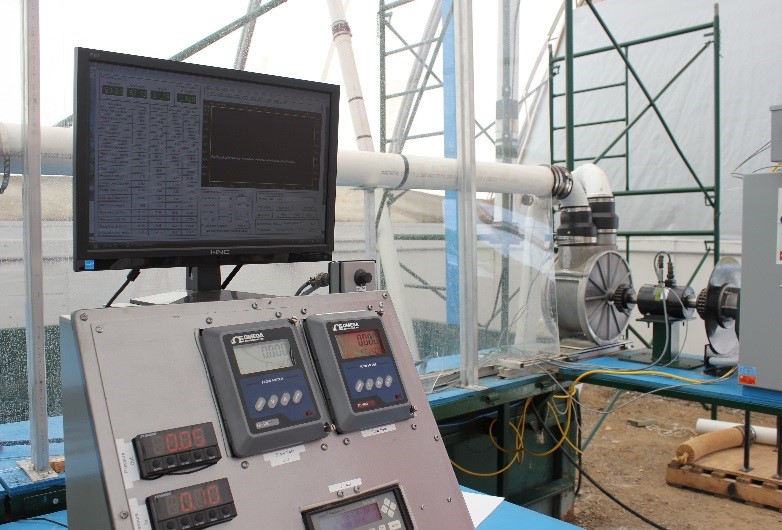
Which Type of Micro Pump Is Suitable for Laboratory Equipment?
Different pump technologies serve different fluid handling requirements. JIGU offers three main categories of micro pumps that may be considered for selected laboratory and analytical equipment applications.
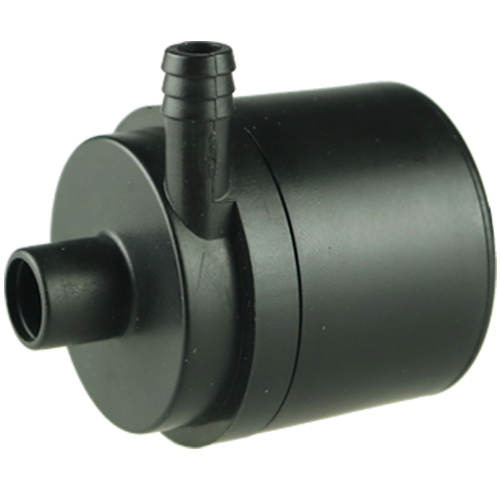
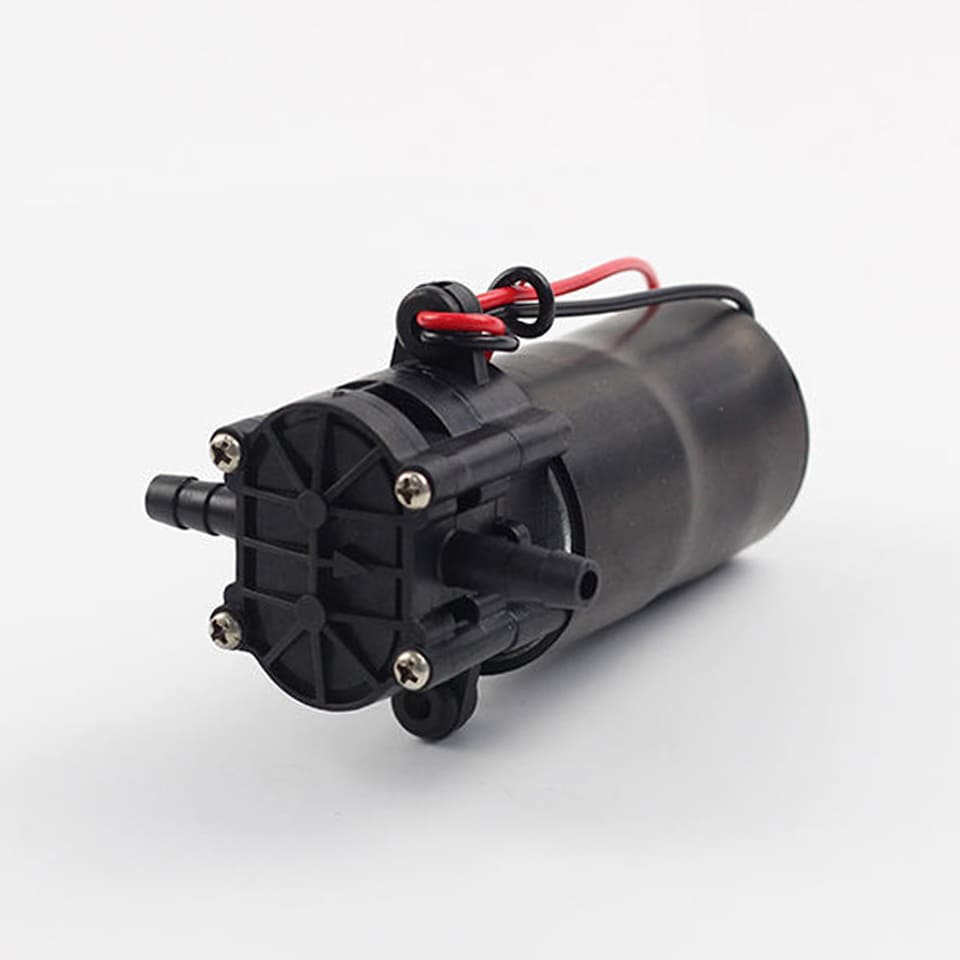
1. Micro Centrifugal Water Pumps
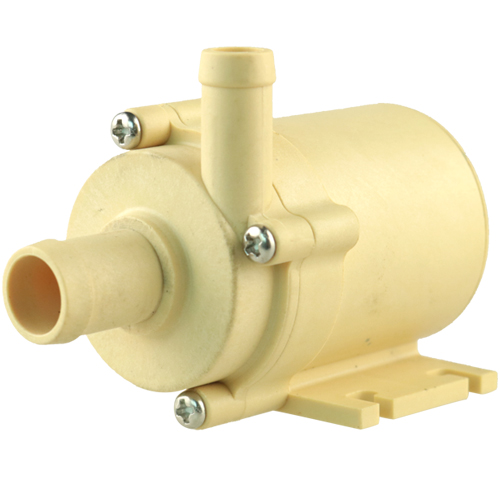
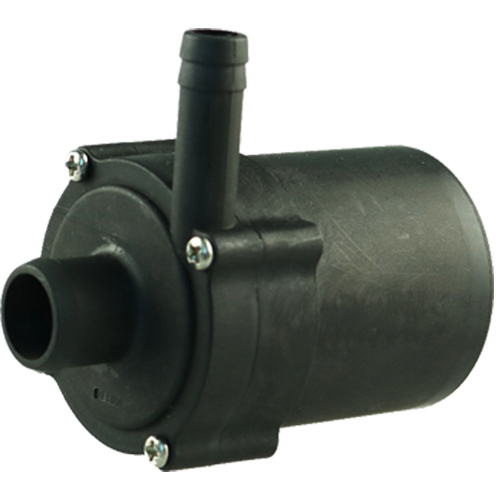
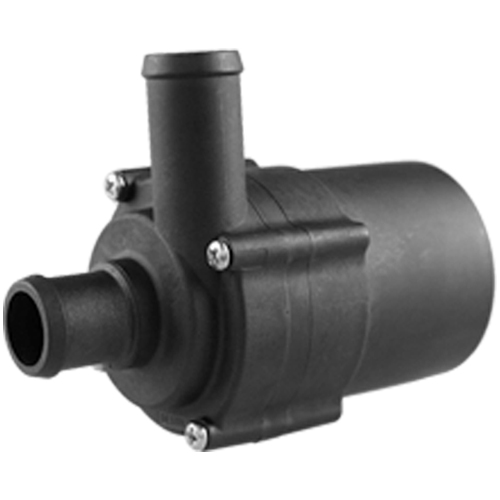
Micro centrifugal water pumps use a rotating impeller to transfer liquid. They may be suitable for applications requiring continuous liquid circulation or transfer under compatible operating conditions.
Potential laboratory-related applications include:
Water circulation in analytical equipment
Cooling loops for instrument components
Liquid transfer in supporting systems
Circulation of compatible cleaning or process liquids
When evaluating a centrifugal pump, engineers should consider the required flow rate, system resistance, inlet conditions, liquid temperature and the pump’s performance curve.
A centrifugal pump’s maximum flow rate and maximum pressure are not normally achieved at the same operating point. The actual operating condition must be checked against the system requirements.
Learn more about JIGU’s Micro Centrifugal Water Pump solutions.
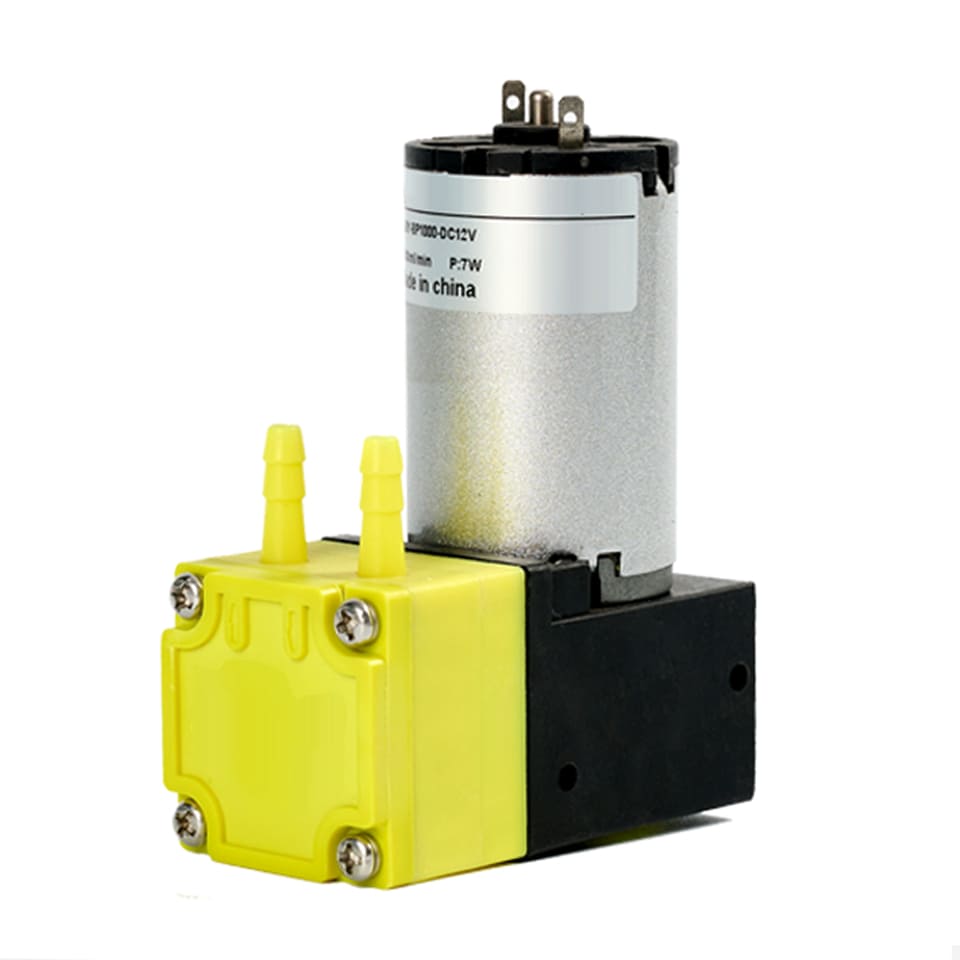
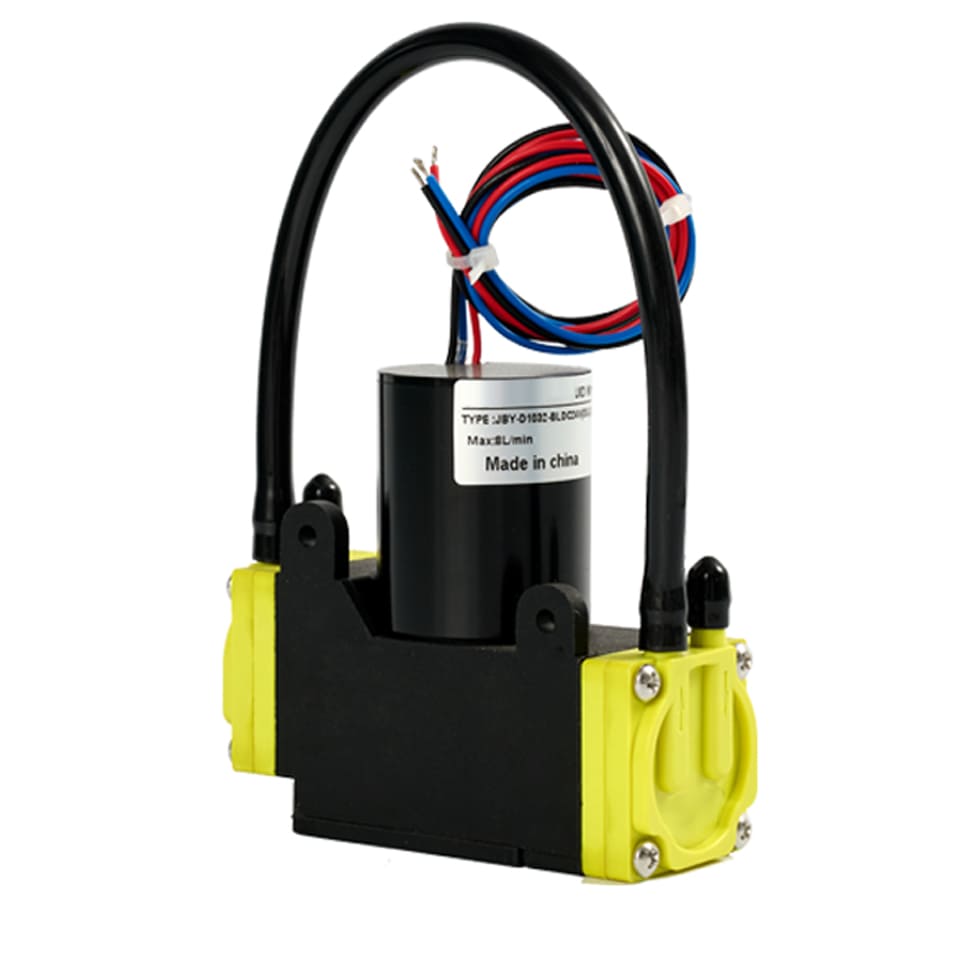
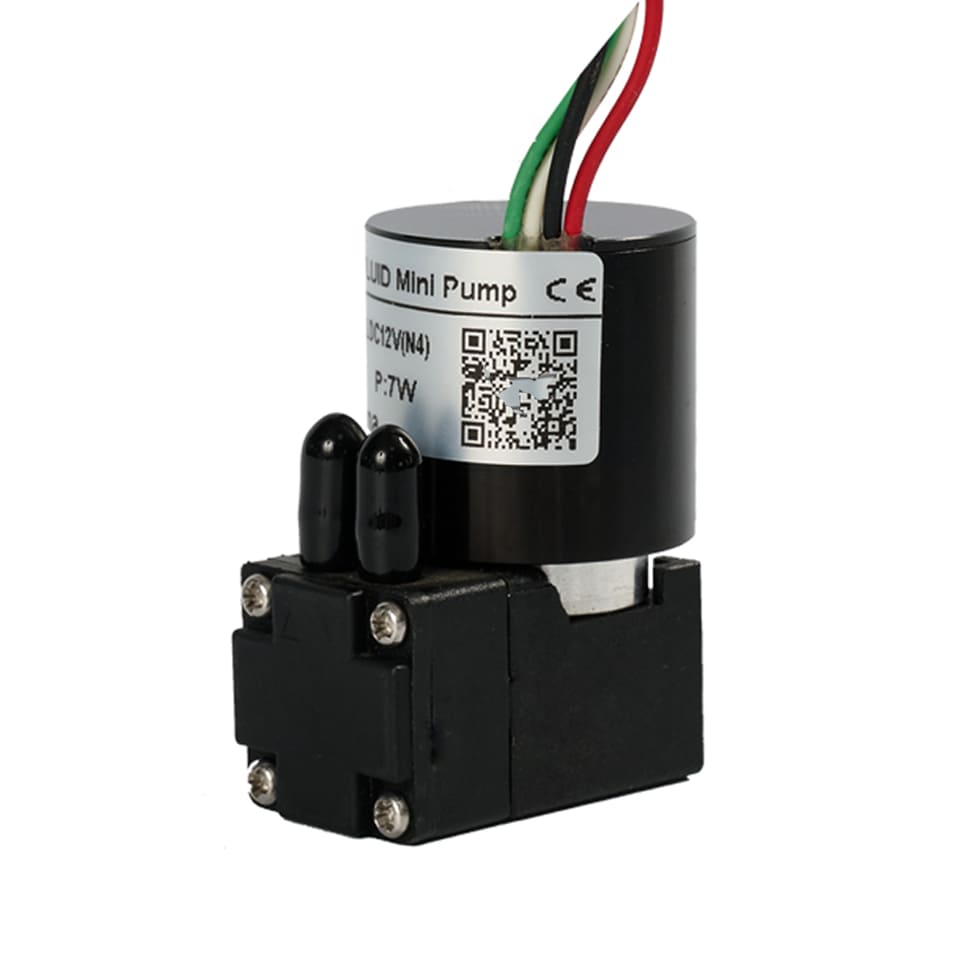
2. Micro Diaphragm Pumps
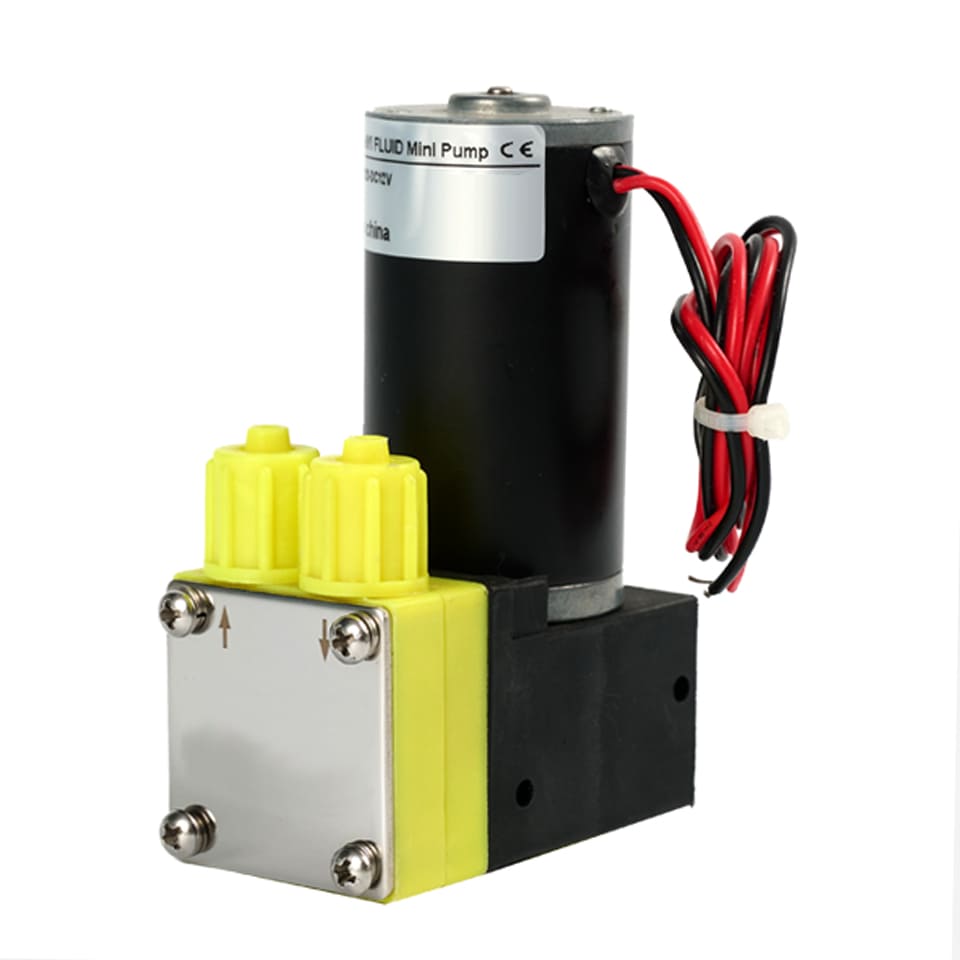
Micro diaphragm pumps use the movement of a flexible diaphragm to move gas or liquid through the pump chamber.
Depending on the pump configuration, they can be used for liquid transfer, air supply, gas sampling or vacuum generation.
Potential laboratory applications include:
Liquid transfer and cleaning
Gas sampling and transportation
Air supply for instrument functions
Vacuum-assisted sample handling
Pneumatic control in analytical equipment
Liquid and gas diaphragm pumps share a similar basic pumping principle, but their internal configurations and materials may differ according to the application.
For gas applications, the required positive pressure or vacuum performance must be checked for the selected model. Not every model supports both operating modes.
For liquid applications, engineers should pay attention to fluid compatibility, flow requirements, pressure conditions and the materials used in the pump head, diaphragm and valves.
Explore JIGU’s Micro Diaphragm Pump range for liquid and gas applications.
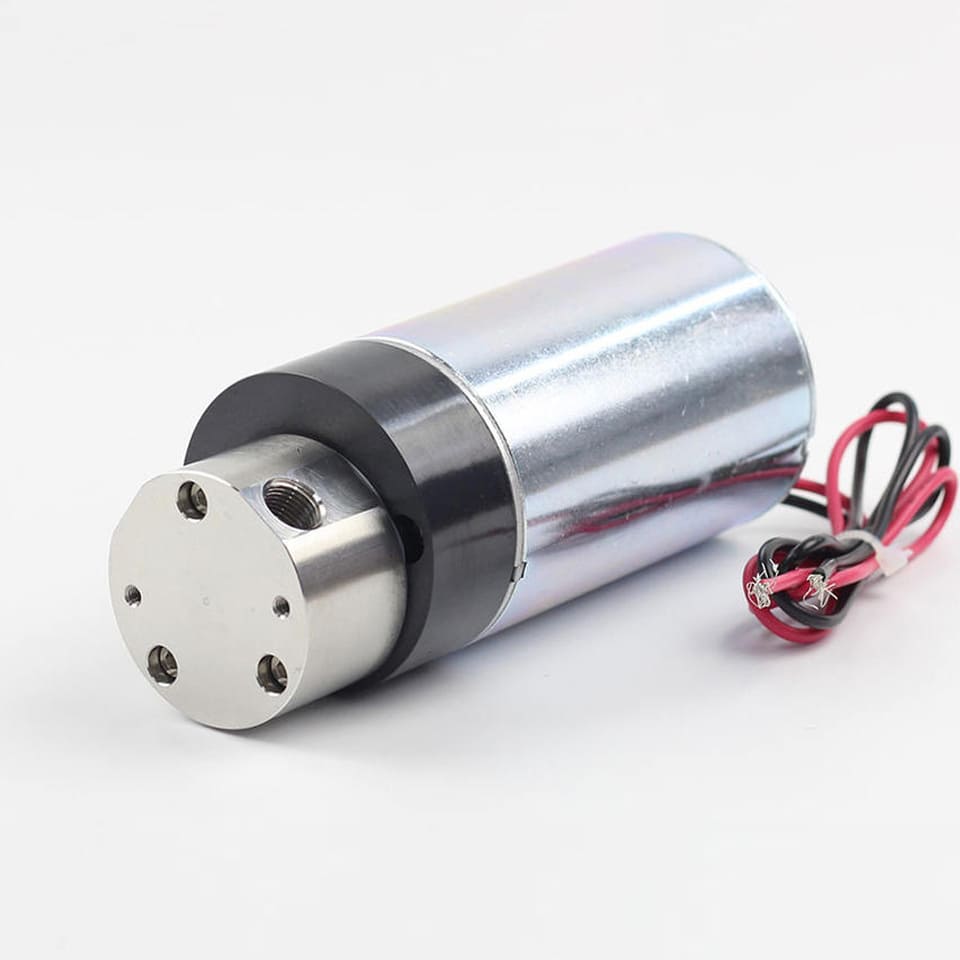
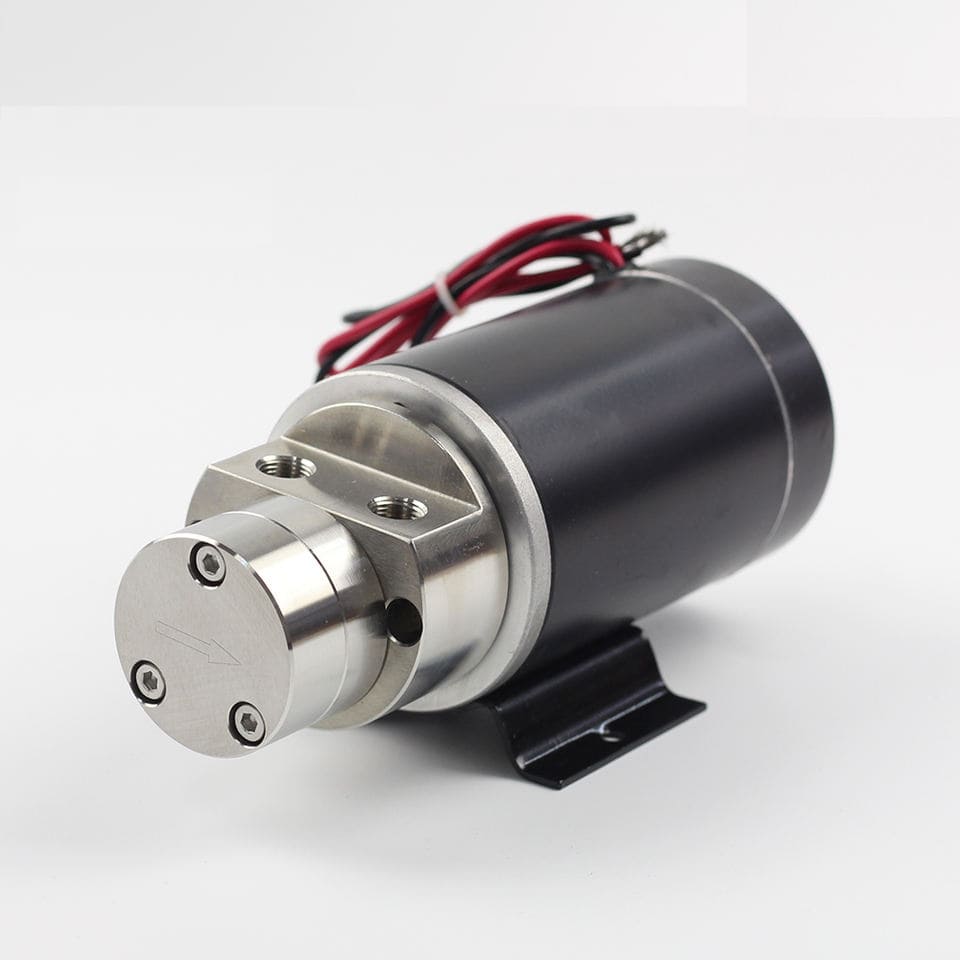
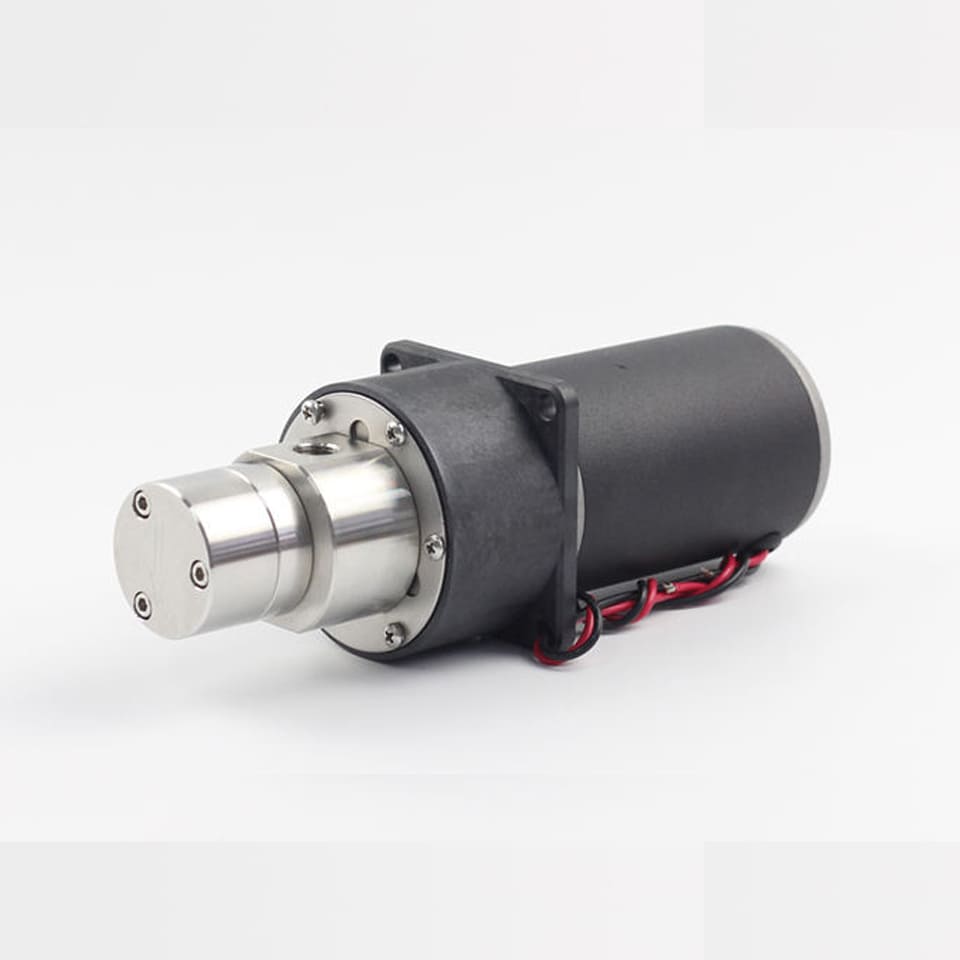
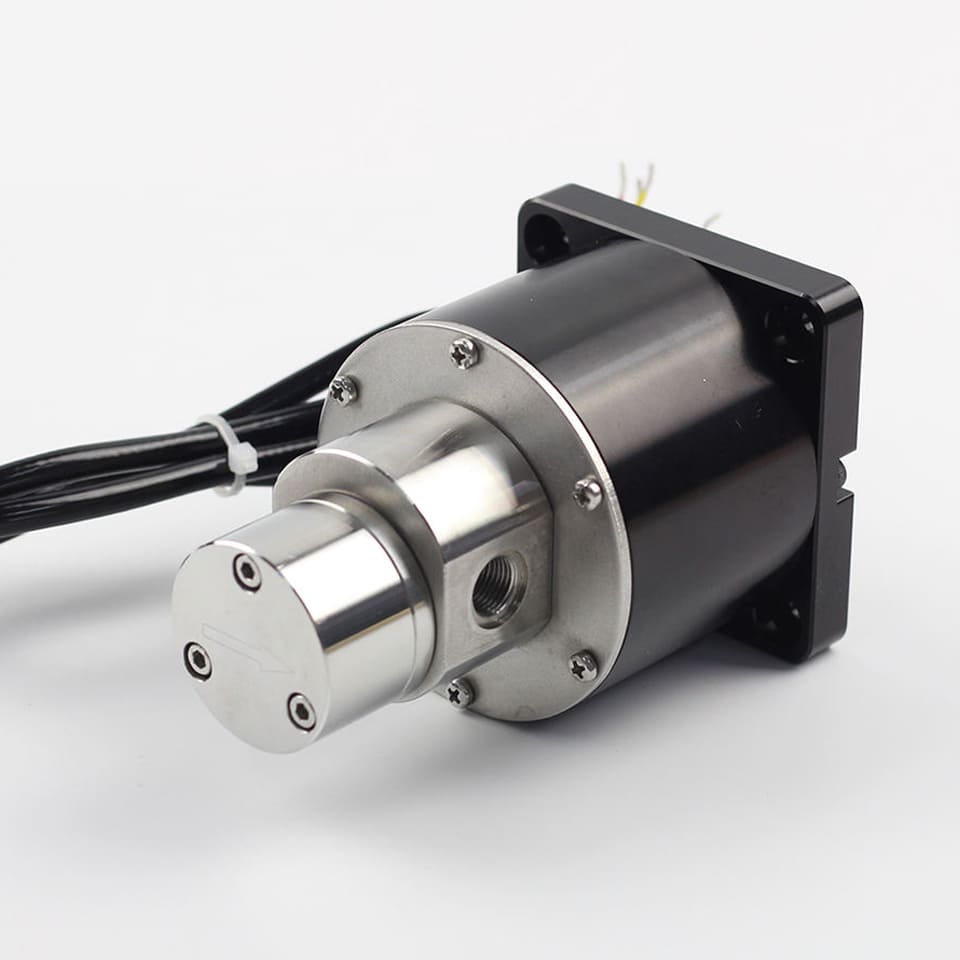
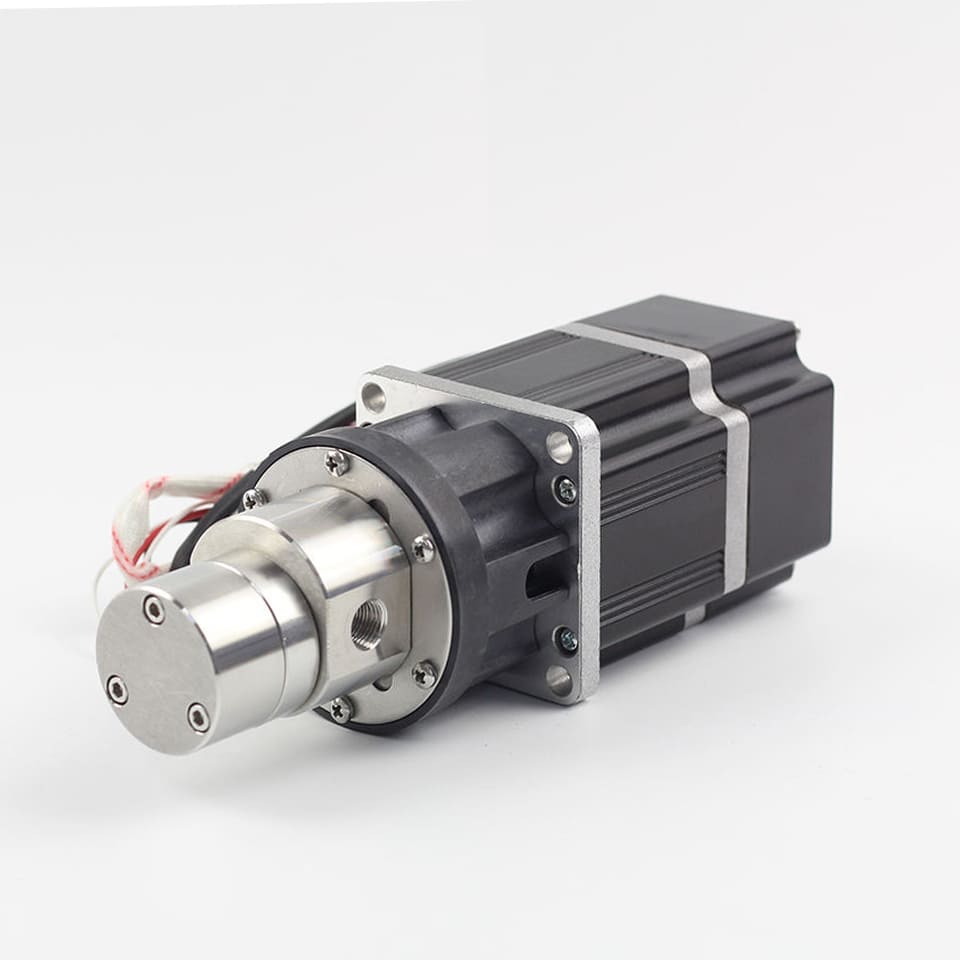
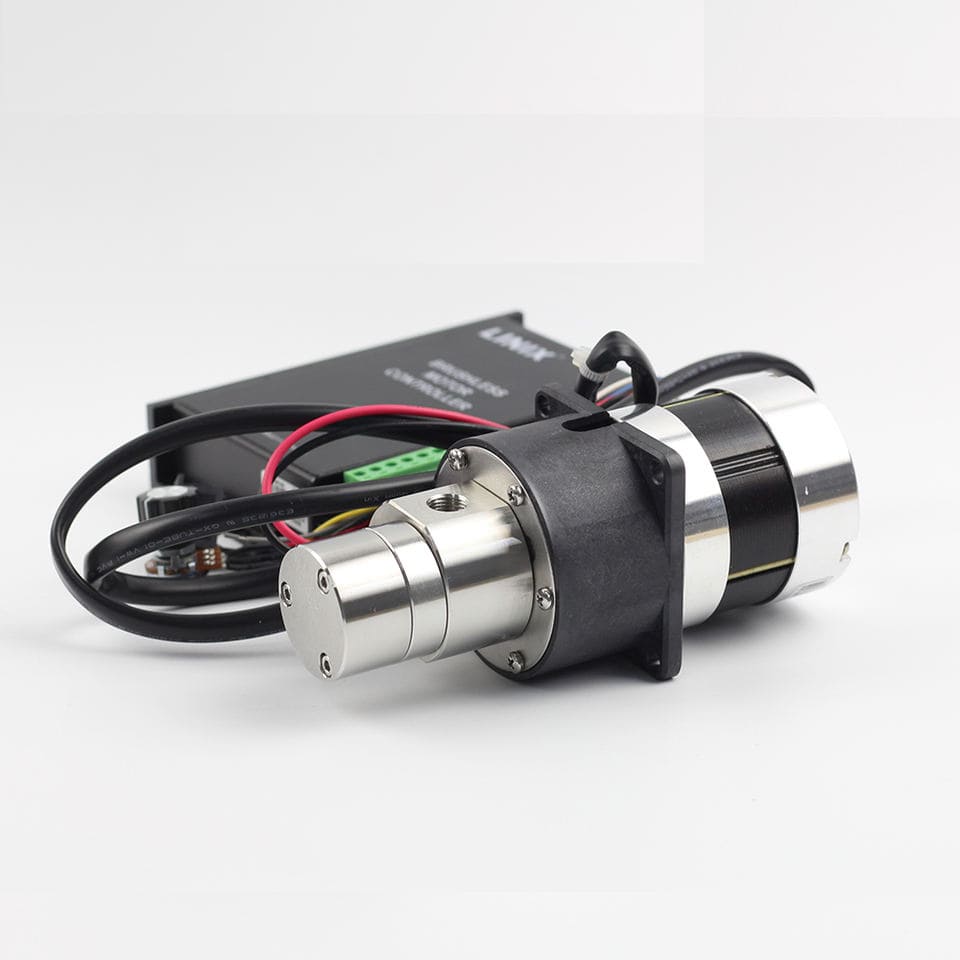
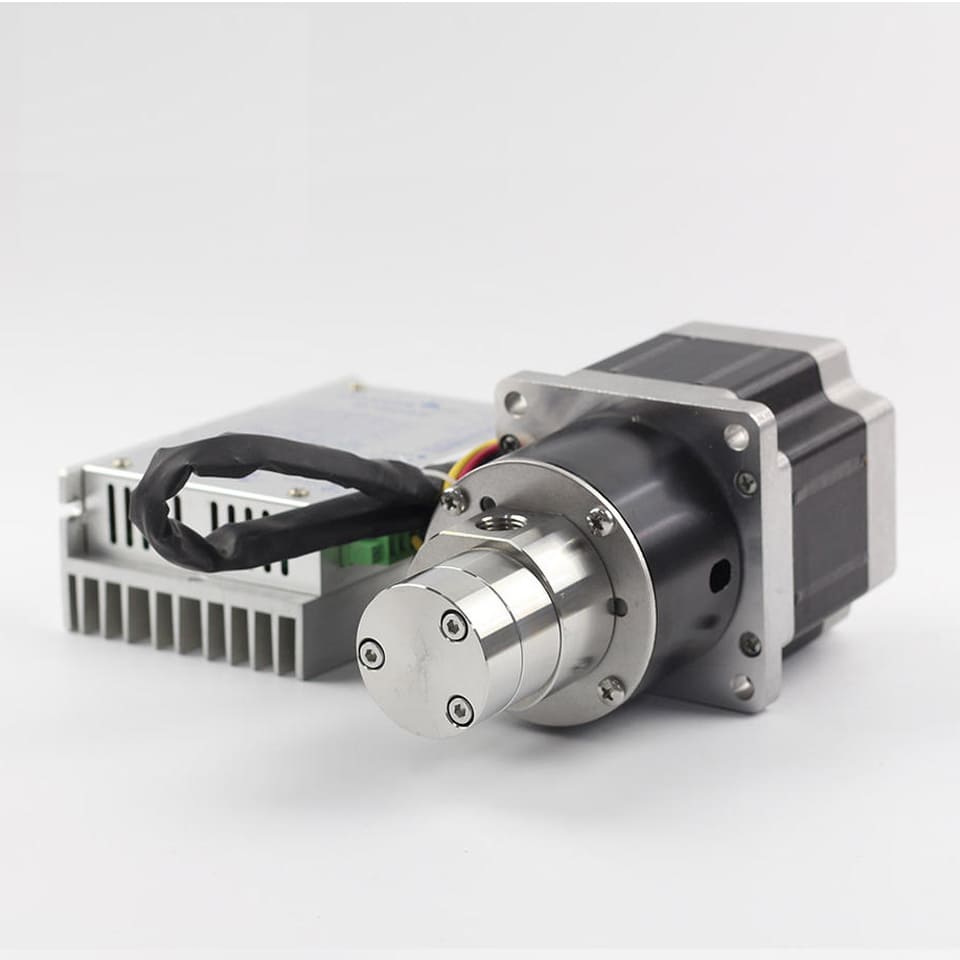
3. Magnetic Drive Gear Pumps
Magnetic drive gear pumps use rotating gears to move liquid, while magnetic coupling transfers driving torque without a conventional direct shaft connection through the pump chamber.
This design can help reduce potential leakage paths associated with conventional dynamic shaft seals. However, it does not mean that the entire pump system is guaranteed to be leak-free. Static seals, connections and other fluid-path components still require evaluation.
Potential applications in laboratory equipment may include:
Controlled liquid transfer
Circulation of compatible process liquids
Reagent or auxiliary fluid handling
Liquid supply in compact analytical systems
Gear pumps may be considered when the application requires positive-displacement liquid transfer. Their suitability depends on the specific flow and pressure requirements, liquid viscosity, material compatibility and operating conditions.
They are not automatically suitable for every reagent or analytical liquid. The chemical composition, concentration, temperature and wetted materials must be reviewed before selecting a pump.
Learn more about JIGU’s Magnetic Drive Gear Pump solutions.
For another example of pump configurations used in analytical equipment, see Micropump’s analytical equipment applications.
Key Factors When Selecting a Laboratory Micro Pump
Selecting a suitable laboratory micro pump requires a clear understanding of the instrument’s fluid handling requirements.
1. Flow Rate and Operating Pressure
Start by defining the required flow rate and operating pressure.
For example, a pump used for liquid circulation may have different requirements from one used for sample transfer or gas sampling.
OEM engineers should identify:
Required normal flow rate
Minimum and maximum flow requirements
Operating pressure or vacuum
Continuous or intermittent operation
Expected system resistance
Avoid selecting a pump only by comparing maximum flow rate or maximum pressure values. These figures may represent different operating conditions.
For more details, see our guide to Micro Pump Flow Rate and Pressure.
2. Fluid and Material Compatibility
Laboratory equipment may handle water, buffer solutions, cleaning liquids, solvents or other chemical media.
The pump’s wetted components must be compatible with the actual fluid.
Important information includes:
Fluid name and chemical composition
Concentration or mixture ratio
Operating temperature
Viscosity
Possible particles or suspended solids
Contact time and cleaning requirements
The pump head, pumping elements, seals, valves and other wetted components should all be considered.
Do not assume that a material is suitable simply because it is commonly used in laboratory equipment. Compatibility must be confirmed for the specific fluid and operating conditions.
Read our article about Micro Pump Material Compatibility for more guidance.
3. Accuracy and Flow Stability
Some laboratory applications require repeatable liquid transfer or stable gas flow.
The level of accuracy required depends on the instrument’s function. A circulation pump, for example, may have different performance requirements from a pump used for reagent dispensing.
OEM engineers should clarify whether the pump is expected to provide:
Continuous flow
Intermittent transfer
Repeated dosing
Stable gas sampling
A specific level of flow repeatability
A pump’s actual performance should be evaluated under representative system conditions. If precise metering is required, the complete fluidic system may also need suitable valves, sensors, control electronics or a dedicated metering mechanism.
4. Noise, Vibration and Installation Space
Laboratory instruments often operate in offices, laboratories or other controlled environments where excessive noise and vibration may affect the user experience.
Pump selection should consider:
Operating noise
Mechanical vibration
Mounting structure
Tubing connections
Available installation space
Heat dissipation and ventilation
The equipment housing and mounting structure can influence the noise and vibration experienced by the user. Testing the pump inside the actual instrument is therefore more meaningful than evaluating the pump alone.
5. Electrical Requirements and Control
A micro pump must also match the electrical system of the equipment.
OEM manufacturers should confirm:
Rated voltage
Current consumption
Motor type
Wiring and connector requirements
Control method
Operating cycle
Brushless DC motors may be a suitable option for applications that prioritize reduced mechanical brush wear. However, speed control and other electronic functions depend on the motor, driver and selected pump configuration.
JIGU offers brushless motor configurations as a main option for its micro water pumps, while brushless and brushed options may be considered for diaphragm and magnetic drive gear pumps, subject to model availability.
OEM Integration and Customization
A pump is only one component of a laboratory instrument. Successful integration requires the pump to work with the equipment’s mechanical structure, electrical system and fluidic design.
Depending on the selected pump model and engineering evaluation, OEM requirements may involve:
Flow rate and pressure adjustments
Motor and voltage configuration
Pump head or wetted material selection
Inlet and outlet connections
Installation dimensions
Wiring and connector arrangements
Operating mode and control requirements
Not every configuration is available for every pump model. Customization should be evaluated according to the application, technical requirements and manufacturing feasibility.
For OEM manufacturers, it is helpful to provide the equipment function, fluid information, target flow rate, pressure, voltage, installation space and connection requirements at an early stage.
If the project is still under development and some parameters are not finalized, an initial discussion can still help identify possible pump configurations.
You can also read our guide to Micro Pump Customization for more information.
Why Work with an Experienced Micro Pump Manufacturer?
For laboratory and analytical equipment manufacturers, a pump supplier should offer more than a product catalog.
A reliable OEM cooperation process should include:
Understanding the equipment’s actual application
Reviewing flow, pressure and fluid requirements
Evaluating suitable pump models
Supporting sample testing and performance verification
Reviewing installation and electrical requirements
Maintaining communication during product development
JIGU has been manufacturing micro pumps since 1990, with experience in micro centrifugal water pumps, micro diaphragm pumps and magnetic drive gear pumps.
We work with equipment manufacturers to evaluate pump requirements and identify suitable standard or customized configurations for different applications.
For laboratory equipment projects, our team can review your application and help determine whether an existing pump model or an adjusted configuration is appropriate.
Frequently Asked Questions
1. What types of micro pumps are used in laboratory equipment?
The suitable pump type depends on the fluid handling task. Centrifugal pumps may be used for compatible liquid circulation, diaphragm pumps for selected liquid or gas applications, and magnetic drive gear pumps for suitable positive-displacement liquid transfer applications.
2. Can a micro diaphragm pump be used for gas sampling?
Yes, selected micro diaphragm gas pumps can be used for gas sampling and transportation. The required flow, pressure or vacuum, gas composition and material compatibility should be confirmed for the specific model.
3. Can micro pumps handle chemical reagents?
Some micro pumps can handle selected chemical liquids, but compatibility depends on the fluid composition, concentration, temperature and pump wetted materials. The complete pump configuration should be reviewed before use.
4. How do I choose a pump for a laboratory instrument?
Start with the equipment function and identify the required fluid, flow rate, pressure, operating cycle, electrical requirements and installation space. Then compare suitable pump technologies and verify performance under representative conditions.
5. Can JIGU provide customized pumps for laboratory equipment?
JIGU can evaluate OEM requirements for its micro centrifugal water pumps, micro diaphragm pumps and magnetic drive gear pumps. Available customization options depend on the selected model and technical feasibility.
Contact JIGU for Your Laboratory Pump Project
Developing a new laboratory or analytical instrument? Share your application details and pump requirements with JIGU.
Our team can help review the operating conditions and identify suitable micro pump options for your OEM project.
Contact us to discuss your application and request a pump solution.
Related Products
Reach Out Today
Looking for a micro pump manufacturer for your project? Contact JIGU Pump to discuss your application requirements and get a suitable pump recommendation and quotation.

Share Your Requirements
Share your application requirements, technical specifications, drawings, or reference images with our team.

Receive a Solution & Quotation
Our team will review your requirements and provide a suitable pump recommendation and quotation.

Confirm & Start Production
After sample approval and order confirmation, we proceed with production and arrange shipment according to the agreed schedule.