
How to Select a Magnetic Drive Gear Pump for OEM Equipment
How to Select a Magnetic Drive Gear Pump for OEM Equipment
Selecting the right pump is an important part of designing reliable OEM equipment. A magnetic drive gear pump can be a suitable solution for applications that require controlled liquid transfer, compact installation and reduced potential leakage paths between the motor and pump chamber.
However, choosing a pump involves more than comparing its maximum flow rate and pressure. Fluid properties, operating conditions, motor configuration, material compatibility and installation dimensions all affect pump performance.
For equipment manufacturers, a proper magnetic drive gear pump selection process helps ensure that the pump matches the actual operating requirements of the equipment.
In this guide, we explain the key factors to consider when selecting a magnetic drive gear pump for OEM applications.
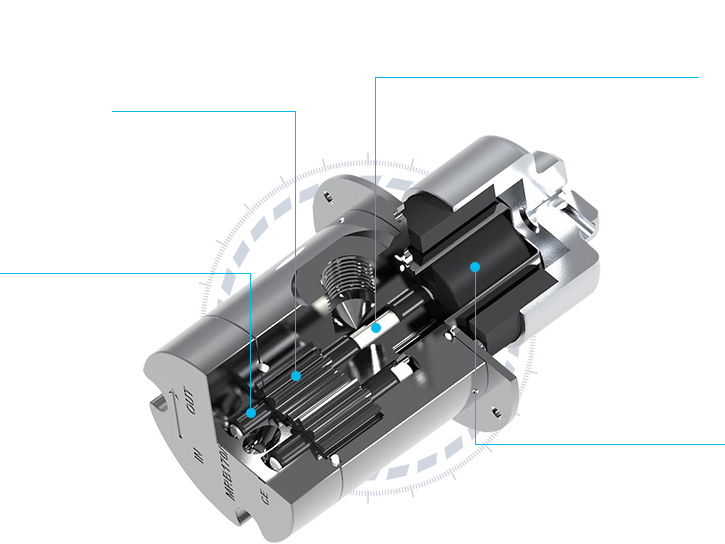
1. Understand Your Application Requirements
Before comparing pump specifications, first understand how the pump will work in your equipment.
What Is the Pump Used For?
Start by identifying the purpose of the pump and the type of equipment in which it will be installed.
Common applications may include:
Precision liquid transfer and dosing systems
Laboratory and analytical instruments
Chemical liquid handling equipment
Cooling and circulation systems
Industrial equipment requiring controlled fluid transfer
Different applications may have different requirements for flow rate, pressure, fluid compatibility and operating stability.
If you are still evaluating which pump type is suitable for your equipment, read our guide to micro pump selection for OEM equipment.
Operating Conditions
Consider how the pump will operate during normal equipment use.
Important questions include:
Will the pump run continuously or intermittently?
How many hours per day will it operate?
What are the minimum and maximum operating temperatures?
Is the pump installed indoors or in a special environment?
Does the equipment require frequent start-stop cycles?
These details help determine the appropriate pump configuration and motor requirements.
2. Determine the Required Flow Rate and Pressure
Flow rate and pressure are two of the most important factors in pump selection.
A pump should be evaluated according to the actual operating point required by the equipment, rather than its maximum specifications alone.
Required Flow Rate
Flow rate refers to the volume of liquid that the pump needs to transfer within a specific period.
Before selecting a pump, identify:
Normal operating flow rate
Minimum and maximum required flow rate
Whether the flow needs to be adjustable
Whether the application requires continuous or intermittent delivery
For gear pumps, theoretical flow is related to displacement and rotational speed. However, actual flow can also be affected by differential pressure, fluid viscosity, internal leakage and operating conditions.
If the equipment requires different flow rates, the motor speed and control configuration should be evaluated accordingly.
Working Pressure and Differential Pressure
Pressure requirements also need to be clearly defined.
It is important to distinguish between system pressure and differential pressure.
System pressure: The pressure within the overall fluid system.
Differential pressure: The pressure difference between the pump outlet and inlet.
Differential pressure affects the load on the pump and motor. The required operating pressure should therefore be evaluated together with the flow rate and fluid characteristics.
The pump must be suitable for the actual pressure conditions of the equipment, including possible changes during operation.
3. Consider Fluid Viscosity and Characteristics
The liquid being transferred has a direct influence on pump selection.
A magnetic drive gear pump may be considered for different types of liquids, but suitability depends on the specific pump design and the properties of the fluid.
How Fluid Viscosity Affects Pump Performance
Viscosity describes a liquid’s resistance to flow.
Different liquids can have significantly different viscosities, and viscosity may change with temperature.
For gear pumps, viscosity can affect:
Internal leakage and volumetric efficiency
Required motor torque
Starting performance
Operating speed
Suction conditions
Low-viscosity liquids may result in greater internal leakage under certain operating conditions. Higher-viscosity liquids may require more driving torque and careful consideration of the inlet flow conditions.
A pump designed for one viscosity range should not automatically be assumed suitable for another.
For further technical information, see Fluid-o-Tech’s guide to external gear pumps, which discusses the relationship between gear pump performance, viscosity and operating conditions.
Chemical Properties and Fluid Compatibility
Besides viscosity, consider the chemical characteristics of the liquid.
Important information includes:
Chemical composition and concentration
Acidity or alkalinity
Corrosive properties
Operating temperature
Lubricity
Whether the liquid contains suspended particles
Even when two liquids have similar viscosities, their chemical properties may require different pump materials.
For chemical liquid transfer, material compatibility should always be evaluated before confirming the pump configuration.
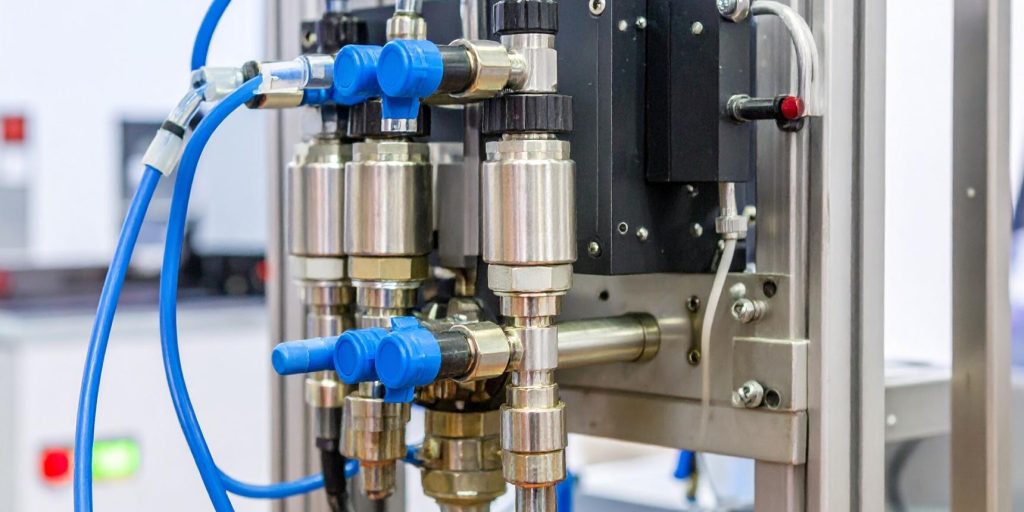
4. Select Suitable Pump Materials
Material selection is essential for pump reliability, especially when handling chemicals or liquids with specific temperature requirements.
Pump Housing and Wetted Components
The pump housing is only one part of the material selection process.
All components in contact with the liquid should be considered, including:
Pump housing
Gears
Shafts and bearings
Bushings
Other internal wetted components
The appropriate material combination depends on the fluid, operating temperature, pressure and mechanical requirements.
For example, a material that performs well with water may not necessarily be suitable for a particular solvent or chemical solution.
Check Chemical and Temperature Compatibility
When evaluating material compatibility, provide the pump manufacturer with the exact fluid name, concentration and operating temperature whenever possible.
For unfamiliar or aggressive liquids, a technical compatibility assessment is recommended.
Do not select materials based only on general descriptions such as “chemical-resistant” or “corrosion-resistant.” Compatibility must be confirmed for the actual liquid and the specific materials used in the pump.
5. Choose the Right Motor and Control Configuration
The motor is another important part of the pump selection process.
For OEM equipment, the motor should match the required flow, pressure, available power supply and control method.
Brushless DC Motor vs. Brushed DC Motor
Both brushless and brushed DC motors can be considered for micro gear pump applications, depending on the pump model and project requirements.
Brushless DC motors
No mechanical brushes to wear during normal operation
Suitable for applications requiring electronic speed control
Can be considered for equipment designed for extended operating periods
Brushed DC motors
Have a relatively simple motor structure
Can be suitable for certain cost-sensitive applications
May be considered where the operating requirements match the motor’s characteristics
The final choice should take into account operating hours, speed control, service life expectations, cost and the available control system.
JIGU mainly offers brushless motor configurations for its magnetic drive gear pumps, while brushed motor options can also be evaluated for suitable models and projects.
Voltage, Speed and Control Requirements
Before selecting the motor, confirm:
Rated operating voltage
Available power supply
Required rotational speed
Speed adjustment requirements
Starting and stopping control
Electrical connection and wiring requirements
If the equipment uses a control board, the motor and pump configuration should be checked against the electrical and control specifications of the system.
6. Check Installation Dimensions and Connections
A pump may meet the hydraulic requirements but still be unsuitable if it cannot fit into the equipment.
Mechanical integration should therefore be considered early in the design process.
Pump Dimensions and Mounting
Check the available installation space and confirm:
Overall pump dimensions
Mounting hole positions
Fixing method
Pump orientation
Clearance for tubing and electrical connections
For compact OEM equipment, installation dimensions can be just as important as flow and pressure.
Inlet and Outlet Connections
The inlet and outlet connections must match the equipment’s fluid circuit.
Confirm the required connection type, port dimensions, tubing size and installation direction.
The inlet piping should also be designed to provide suitable liquid supply conditions. Excessive restrictions, narrow tubing or unnecessary bends may affect pump performance.
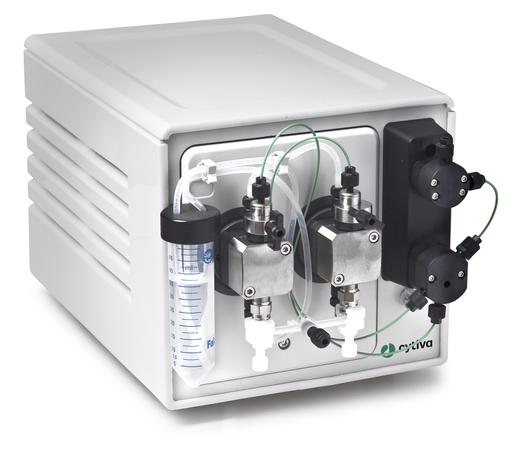
7. Prepare the Information for OEM Pump Selection
Once the application and operating conditions are understood, prepare the basic information for the pump manufacturer.
The following checklist can help make the selection process more efficient.
| Information | Details to Provide |
| Application | Equipment type and pump function |
| Fluid | Liquid name, composition and concentration |
| Flow rate | Required normal and maximum flow |
| Pressure | Operating pressure and differential pressure |
| Viscosity | Fluid viscosity at operating temperature |
| Temperature | Normal and maximum liquid temperature |
| Motor | Voltage, speed and control requirements |
| Installation | Available space, mounting and port connections |
| Quantity | Estimated sample and production quantities |
You do not need to have every technical detail finalized before contacting a manufacturer.
If you are still developing your equipment, you can start by sharing the application, fluid type, target flow rate and available installation space.
JIGU can review the initial requirements and help evaluate suitable pump options.
For more details, see our guide on what information is needed for a custom micro pump quote.
8. Why Choose JIGU for Your OEM Magnetic Drive Gear Pump?
JIGU manufactures micro magnetic drive gear pumps for liquid transfer applications in OEM equipment.
We offer different pump configurations to address project requirements, including:
Brushless DC motor options as the main configuration
Brushed DC motor options for suitable models
Different flow and pressure configurations
Pump and motor options based on application requirements
Evaluation of fluid-contact materials
Support for installation dimensions and connection requirements
Our team can work with equipment manufacturers to evaluate pump requirements based on the actual application.
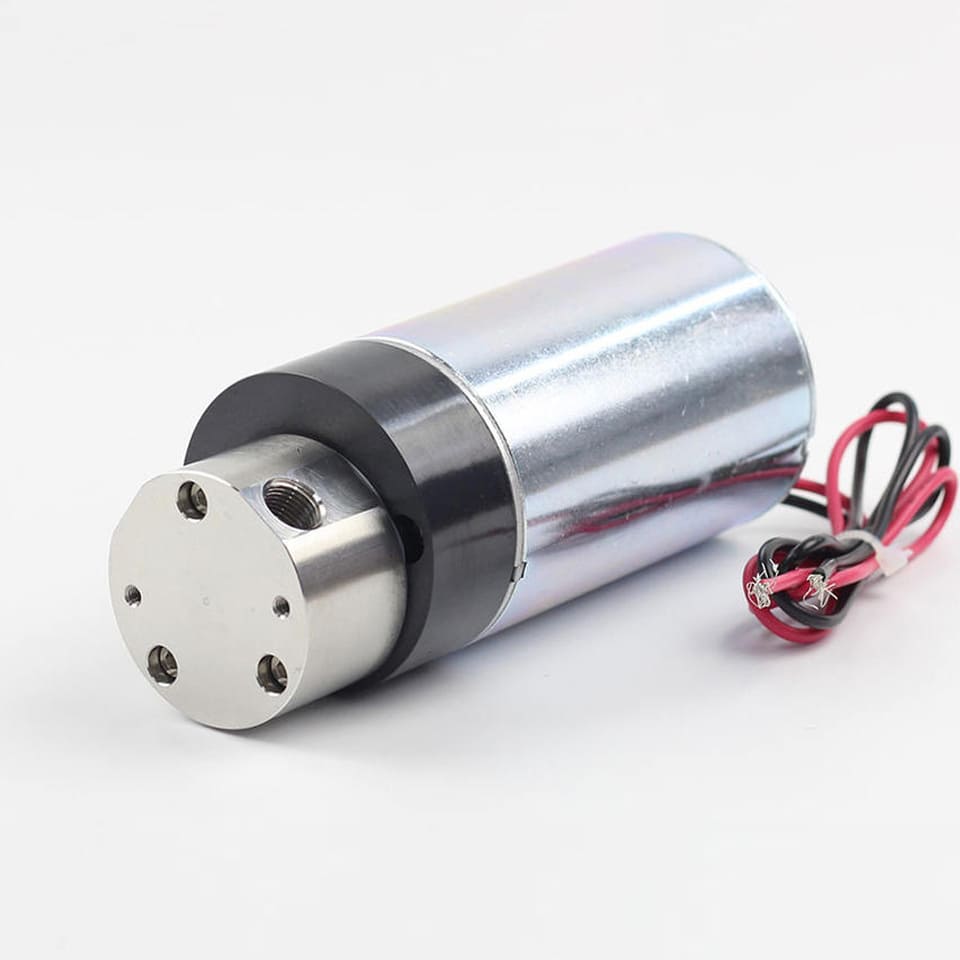
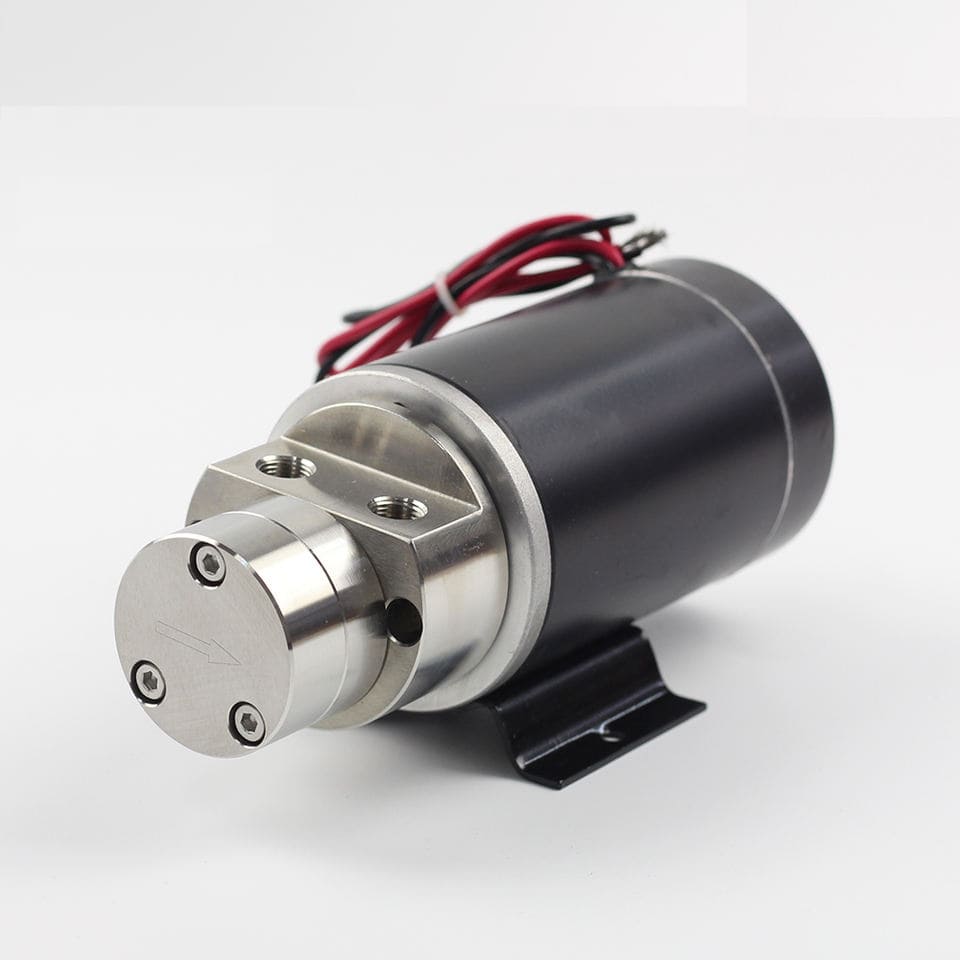
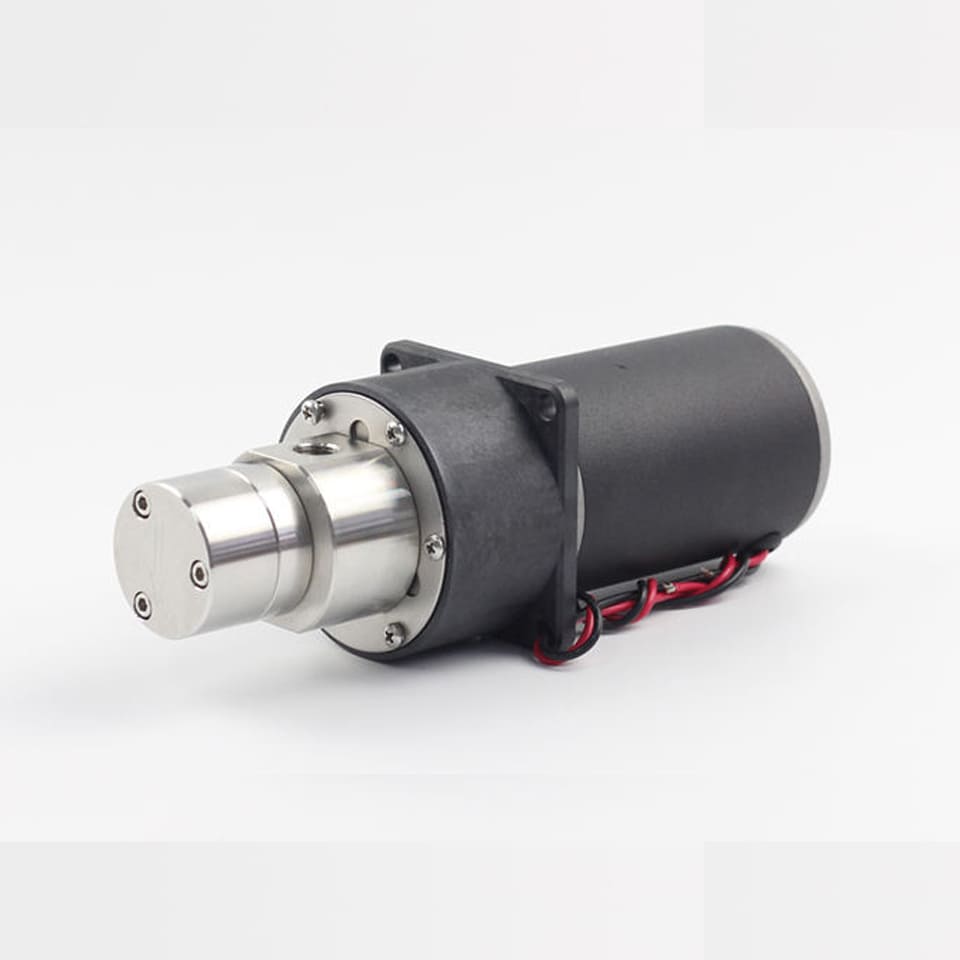
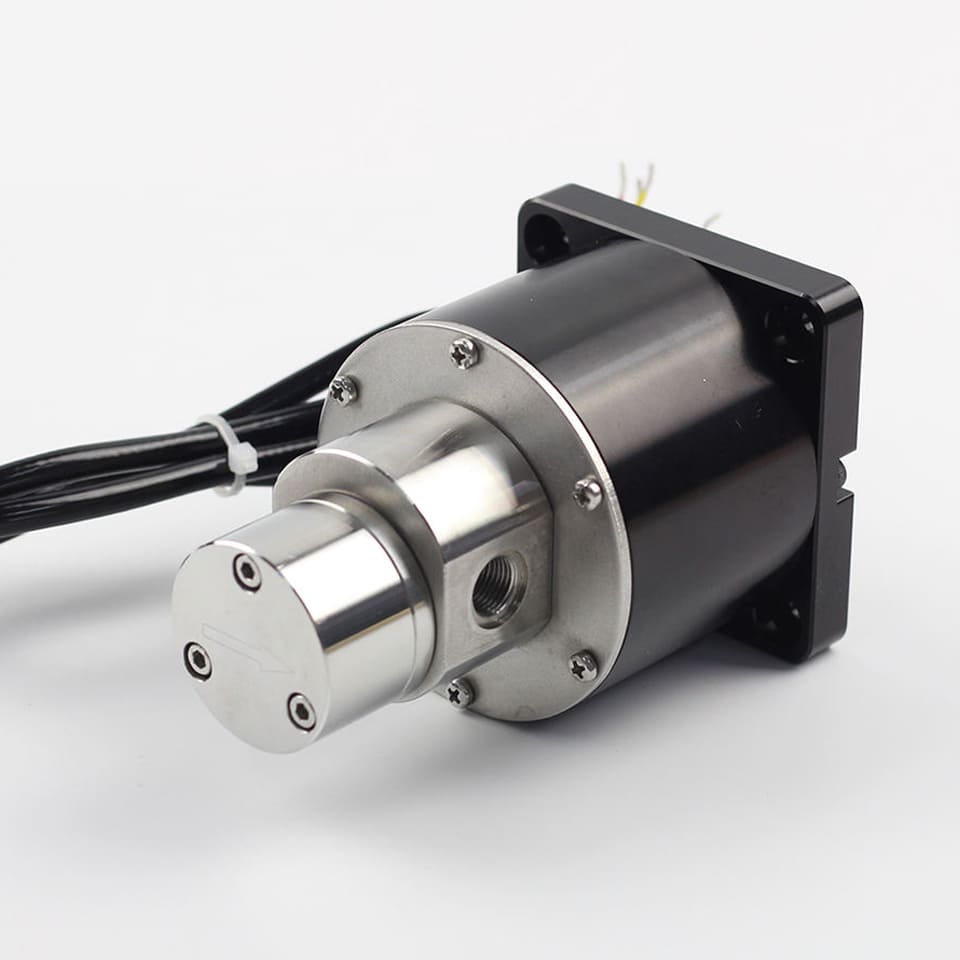
You can also explore our magnetic drive gear pump product range to learn more about JIGU’s available solutions.
Frequently Asked Questions
What Information Is Needed to Select a Magnetic Drive Gear Pump?
The basic information includes the application, fluid type, required flow rate, operating pressure, viscosity, temperature, motor voltage and installation dimensions. More detailed information helps the manufacturer evaluate the most suitable configuration.
Can a Magnetic Drive Gear Pump Handle Different Types of Liquids?
Magnetic drive gear pumps can be considered for various liquid transfer applications. However, suitability depends on the fluid’s chemical properties, viscosity, temperature and the compatibility of all wetted pump materials. The specific model and configuration should be confirmed before use.
How Does Viscosity Affect Magnetic Drive Gear Pump Performance?
Viscosity affects internal leakage, volumetric efficiency, motor torque and suction conditions. Higher viscosity may require lower operating speed or a different configuration, while low-viscosity liquids may increase internal leakage under certain pressure conditions.
Can the Motor and Pump Dimensions Be Customized?
Customization depends on the pump model and project requirements. Motor voltage, electrical connections, installation dimensions and other configuration details can be evaluated during the OEM development process.
Contact JIGU for OEM Magnetic Drive Gear Pump Solutions
Choosing the right magnetic drive gear pump requires a clear understanding of the fluid, operating conditions and equipment requirements.
If you are developing new equipment or looking for a pump solution for an existing system, contact JIGU with your application details.
Our team can help evaluate the requirements and discuss suitable micro magnetic drive gear pump configurations for your project.
Contact JIGU to discuss your OEM pump requirements.
Related Products
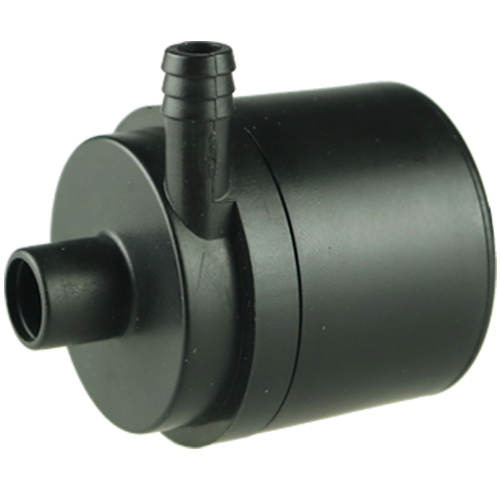
Reach Out Today
Looking for a micro pump manufacturer for your project? Contact JIGU Pump to discuss your application requirements and get a suitable pump recommendation and quotation.

Share Your Requirements
Share your application requirements, technical specifications, drawings, or reference images with our team.

Receive a Solution & Quotation
Our team will review your requirements and provide a suitable pump recommendation and quotation.

Confirm & Start Production
After sample approval and order confirmation, we proceed with production and arrange shipment according to the agreed schedule.