
How to Select a Micro Diaphragm Pump for OEM Equipment
How to Select a Micro Diaphragm Pump for OEM Equipment
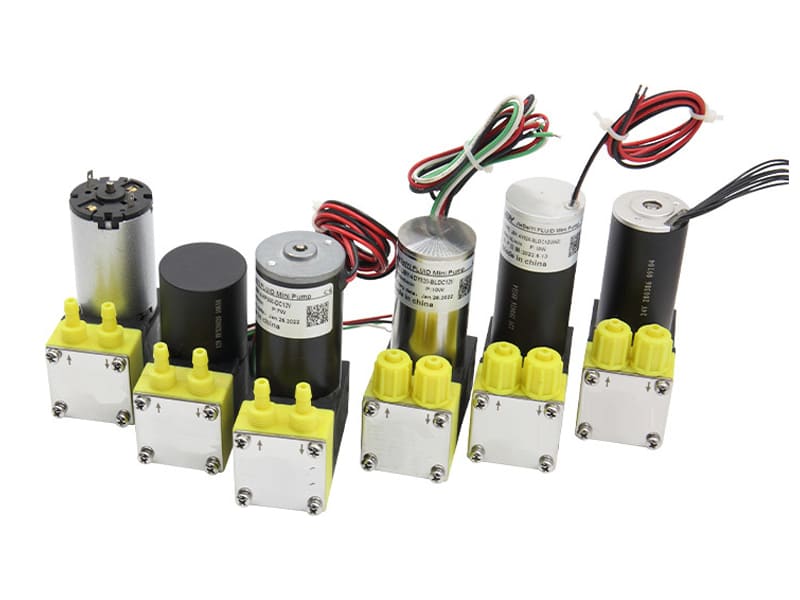
Choosing the right pump is an important step in developing reliable OEM equipment. A micro diaphragm pump can be used for liquid transfer, air supply, gas sampling and vacuum generation, depending on its configuration and design.
However, not all diaphragm pumps are designed for the same purpose. Liquid diaphragm pumps and air diaphragm pumps have different operating requirements, even though they share the same basic pumping principle.
For equipment manufacturers, proper micro diaphragm pump selection involves evaluating the application, required flow rate, working pressure, fluid or gas characteristics, motor configuration and installation conditions.
In this guide, we explain the key factors to consider when selecting a micro diaphragm pump for OEM equipment.
1. Understand Your Application Requirements
Before comparing pump specifications, first identify what the pump needs to do in your equipment.
A clear understanding of the application is the starting point for effective micro diaphragm pump selection, especially when choosing between liquid and gas configurations.
What Is the Pump Used For?
A micro diaphragm pump may be used for different purposes depending on its configuration.
Common applications include:
Liquid transfer in compact equipment
Water and other liquid circulation
Air supply for pneumatic functions
Gas sampling and transportation
Vacuum generation
Pressure or suction functions in laboratory instruments
The first step is to determine whether your application requires liquid pumping or gas pumping.
If you are still comparing different pump technologies, read our guide to micro pump selection for OEM equipment.
Continuous or Intermittent Operation
Operating conditions also affect pump selection.
Consider the following questions:
Will the pump operate continuously or intermittently?
How many hours per day will it run?
How frequently will the pump start and stop?
What are the normal and maximum operating temperatures?
Does the equipment require stable performance over extended operating periods?
These details help determine the suitable pump and motor configuration.
2. Choose Between Liquid and Gas Diaphragm Pumps
One of the first decisions in micro diaphragm pump selection is whether the application requires a liquid pump or a gas pump.
Although both use a diaphragm-driven mechanism, their flow paths, internal configurations and performance requirements are different.
For additional information on gas and liquid diaphragm pump technologies, see Thomas’ overview of diaphragm pumps.
Micro Liquid Diaphragm Pumps
A micro liquid diaphragm pump is designed to transfer liquids through the movement of a flexible diaphragm.
During operation, the diaphragm changes the volume of the pumping chamber. Inlet and outlet valves control the direction of liquid flow.
Typical applications may include:
Liquid transfer in medical and care equipment
Laboratory instruments
Water sampling systems
Compact liquid circulation equipment
Chemical liquid handling systems
When selecting a liquid diaphragm pump, consider the liquid’s viscosity, chemical properties, temperature and compatibility with all wetted materials.
The required flow rate and working pressure should also be evaluated together.
Micro Air Diaphragm Pumps
A micro air diaphragm pump is designed to move air or other compatible gases.
It uses a similar diaphragm movement principle, but the internal design is configured for gas handling rather than liquid transfer.
Common applications include:
Air supply in compact equipment
Gas sampling instruments
Laboratory analytical equipment
Air circulation and ventilation functions
Pneumatic control systems
Gas pump selection should consider the required flow rate, pressure or vacuum level, gas composition and operating conditions.
Positive Pressure and Vacuum Requirements
Some micro air diaphragm pump configurations are designed to generate positive pressure, while others are designed for vacuum applications.
Certain models may support both functions, but this should not be assumed for every pump.
Before selecting a model, clarify whether the equipment requires:
Positive pressure supply
Vacuum suction
Both positive pressure and vacuum
A specific pressure or vacuum operating range
It is also important to distinguish between absolute pressure and gauge pressure when discussing vacuum requirements.
The required operating conditions should be confirmed against the performance specifications of the specific pump model.
For a closer look at different applications, see our article about micro diaphragm pump applications in OEM equipment.
3. Determine the Required Flow Rate and Pressure
Flow rate and pressure are two important parameters in micro diaphragm pump selection. Both should be evaluated under the actual operating conditions of the equipment.
However, maximum flow rate and maximum pressure are not necessarily available at the same operating point. The actual performance depends on the pump design and working conditions.
Required Flow Rate
Flow rate refers to the volume of liquid or gas transferred within a specific period.
Before selecting a pump, identify:
Normal operating flow rate
Maximum required flow rate
Minimum flow requirements
Whether the flow needs to be adjustable
Whether stable flow is required throughout operation
For gas applications, flow rate can vary with pressure conditions and the measurement reference. When comparing specifications, confirm whether the stated flow is measured at free flow, a defined operating pressure or another specified condition.
For liquid applications, consider the required flow under the actual system pressure and piping conditions.
Pressure and Vacuum Requirements
Pressure requirements differ between liquid and gas applications.
For liquid diaphragm pumps, evaluate the required working pressure and the pressure losses in the fluid circuit.
For air diaphragm pumps, determine the required positive pressure or vacuum level.
The pump should be evaluated at the actual operating conditions rather than selected only by its maximum pressure or maximum vacuum specification.
If the equipment requires adjustable output, the motor speed and control method should also be considered.
4. Consider Fluid and Gas Characteristics
The characteristics of the medium being transferred can affect pump reliability, performance and material selection.
Liquid Compatibility
For liquid diaphragm pumps, important factors include:
Liquid composition
Viscosity
Chemical concentration
Operating temperature
Corrosive properties
Suspended particles, if any
All wetted components should be compatible with the liquid under the intended operating conditions.
A pump suitable for water is not automatically suitable for every chemical liquid or solvent.
For unfamiliar liquids, the compatibility of the diaphragm, valves, pump chamber and other wetted materials should be evaluated before confirming the pump model.
Gas Compatibility
For air diaphragm pumps, the gas composition also needs to be considered.
Important questions include:
Is the gas ordinary air or another gas?
Does it contain corrosive components?
Is the gas humid or dry?
Could liquid droplets or particles enter the pump?
What is the operating temperature?
Certain gases may require special material considerations. Compatibility should be checked for the specific pump configuration and gas composition.
5. Select the Right Motor and Electrical Configuration
The motor affects the pump’s operating speed, power consumption, control options and suitability for the equipment.
For OEM applications, the electrical configuration should be considered together with the required pump performance.
Brushless DC Motor vs. Brushed DC Motor
Both brushless and brushed DC motors can be considered for micro diaphragm pump applications, depending on the pump model and project requirements.
Brushless DC motors
Do not use mechanical brushes during normal operation
Can support electronic speed control
May be suitable for equipment requiring extended operating periods
Require an appropriate electronic control arrangement
Brushed DC motors
Have a relatively simple motor structure
Can be suitable for certain cost-sensitive applications
May be considered when the operating requirements match the motor’s characteristics
The choice should take into account operating hours, speed control, service life expectations, cost and the equipment’s electrical system.
JIGU mainly offers brushless motor configurations for micro diaphragm pumps, while brushed motor options can also be evaluated for suitable models and projects.
Voltage, Speed and Control Requirements
Before selecting the motor, confirm:
Rated operating voltage
Available power supply
Required rotational speed
Speed adjustment requirements
Starting and stopping control
Electrical connections and wiring
If the pump is controlled by the equipment’s main control board, make sure the motor configuration is compatible with the control system.
6. Check Installation Dimensions and Connections
A pump that meets the performance requirements may still be unsuitable if it cannot fit into the equipment.
Mechanical integration should therefore be considered early in the design process.
Pump Dimensions and Mounting
Check the following details:
Overall pump dimensions
Mounting hole positions
Fixing method
Installation orientation
Clearance for tubing and electrical connections
For compact equipment, available installation space can be a major factor in pump selection.
Inlet and Outlet Connections
The inlet and outlet connections must match the equipment’s fluid or gas circuit.
Confirm the required port dimensions, tubing size, connection type and installation direction.
For liquid applications, the inlet piping should provide suitable liquid supply conditions.
For gas applications, the tubing and connection design should avoid unnecessary restrictions that could affect the required flow or pressure.
7. Prepare the Information for OEM Pump Selection
Once the application and operating conditions are understood, prepare the basic information for the pump manufacturer.
The following checklist can help make the selection process more efficient.
| Information | Details to Provide |
| Application | Equipment type and pump function |
| Pump type | Liquid diaphragm pump or air diaphragm pump |
| Medium | Liquid or gas name and characteristics |
| Flow rate | Required normal and maximum flow |
| Pressure | Working pressure or required vacuum |
| Temperature | Normal and maximum operating temperature |
| Motor | Voltage, speed and control requirements |
| Installation | Available space, mounting and connections |
| Quantity | Estimated sample and production quantities |
You do not need to have every technical detail finalized before contacting a manufacturer.
If you are still developing your equipment, you can start by sharing the application, medium, target flow rate and available installation space.
JIGU can review the initial requirements and help evaluate suitable pump options.
For more details, see our guide on what information is needed for a custom micro pump quote.
8. Why Choose JIGU for Your OEM Micro Diaphragm Pump?
JIGU manufactures micro diaphragm pumps for liquid and gas applications in OEM equipment.
Different pump configurations are available to address different equipment requirements, including:
Micro liquid diaphragm pump solutions
Micro air diaphragm pump solutions
Brushless DC motor options as the main configuration
Brushed DC motor options for suitable models
Different flow and pressure configurations
Evaluation of fluid-contact materials
Support for installation dimensions and connection requirements
For air applications, positive-pressure and vacuum capabilities depend on the specific pump model and configuration.
Our team can work with equipment manufacturers to evaluate pump requirements based on the actual application.
You can explore our micro diaphragm pump product range to learn more about JIGU’s available solutions.
Frequently Asked Questions
What Is the Difference Between a Liquid and an Air Diaphragm Pump?
Both use a diaphragm-driven pumping mechanism, but they are designed for different media. Liquid diaphragm pumps transfer liquids, while air diaphragm pumps move gases. Their internal configurations and performance requirements are different.
Can a Micro Air Diaphragm Pump Provide Both Positive Pressure and Vacuum?
Some models can support both functions, while others are designed for positive pressure or vacuum applications separately. The actual capability depends on the specific pump design and performance specifications.
What Factors Affect Micro Diaphragm Pump Flow Rate?
Flow rate can be affected by operating pressure, vacuum conditions, motor speed, medium characteristics, inlet and outlet restrictions and the specific pump design. Actual flow should be evaluated under the intended operating conditions.
Can Micro Diaphragm Pumps Be Customized for OEM Equipment?
Customization depends on the pump model and project requirements. Motor voltage, electrical connections, installation dimensions, flow and pressure configurations can be evaluated during the OEM development process.
Contact JIGU for OEM Micro Diaphragm Pump Solutions
Choosing the right micro diaphragm pump requires a clear understanding of the medium, operating conditions and equipment requirements.
If you are developing new equipment or looking for a pump solution for an existing system, contact JIGU with your application details.
Our team can help evaluate the requirements and discuss suitable micro diaphragm pump configurations for your project.
Proper micro diaphragm pump selection requires a clear understanding of the medium, operating conditions and equipment requirements.
Contact JIGU to discuss your OEM pump requirements.
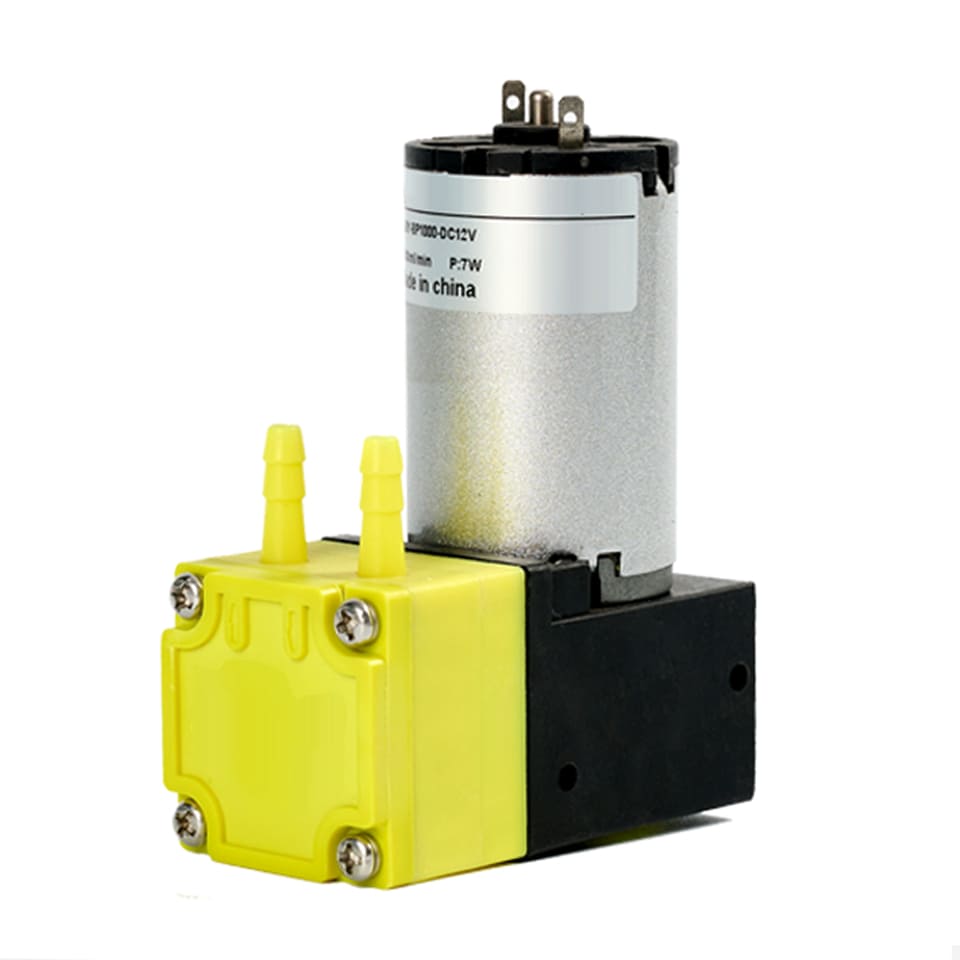
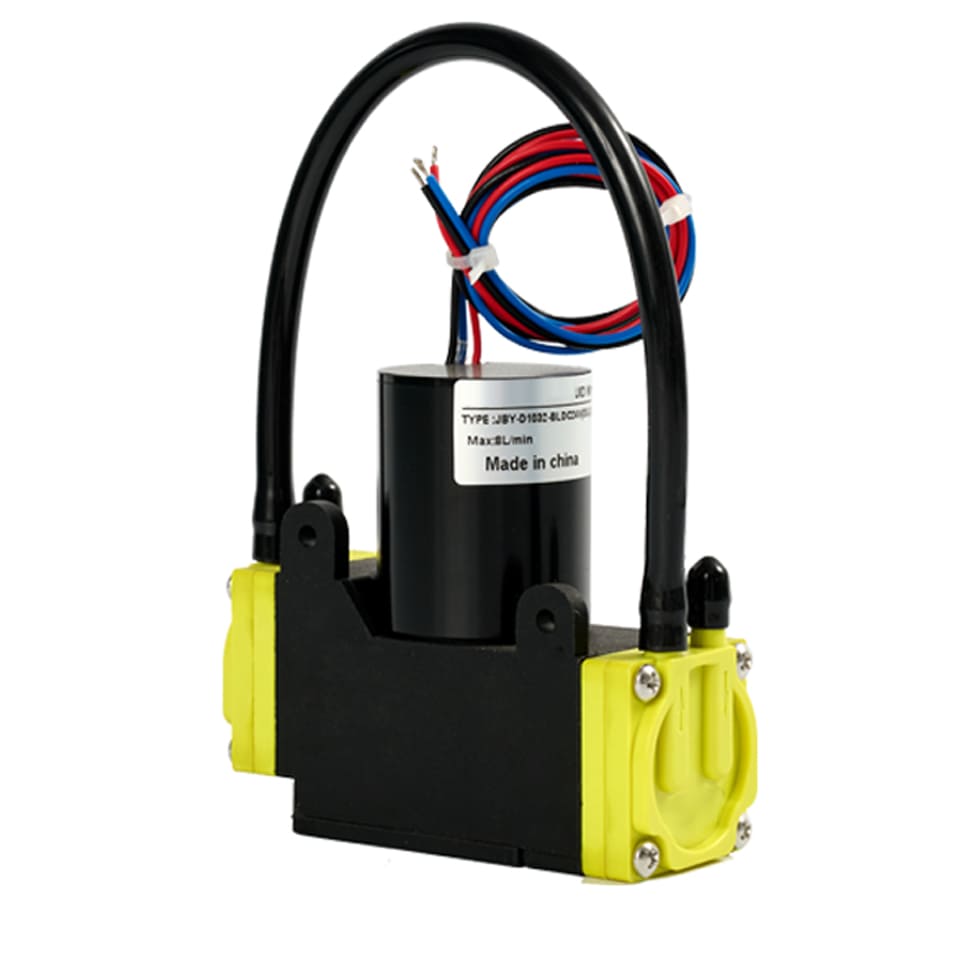
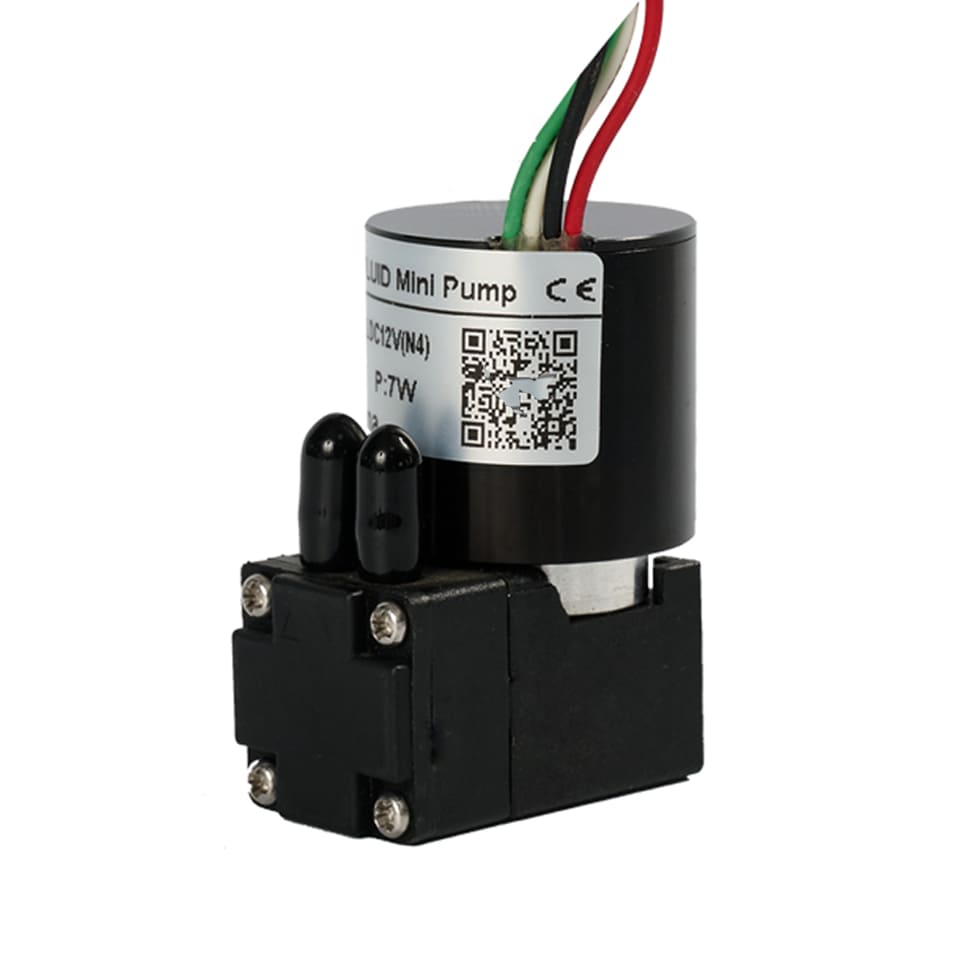
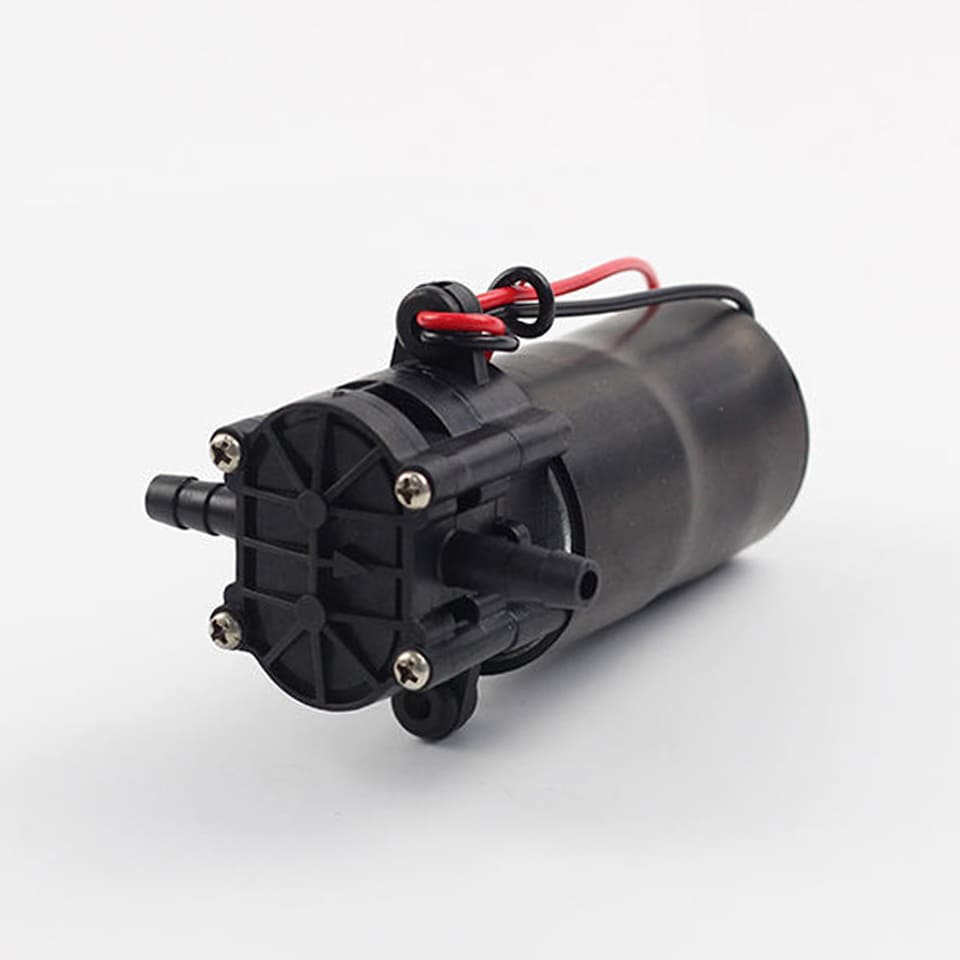
Related Products
Reach Out Today
Looking for a micro pump manufacturer for your project? Contact JIGU Pump to discuss your application requirements and get a suitable pump recommendation and quotation.

Share Your Requirements
Share your application requirements, technical specifications, drawings, or reference images with our team.

Receive a Solution & Quotation
Our team will review your requirements and provide a suitable pump recommendation and quotation.

Confirm & Start Production
After sample approval and order confirmation, we proceed with production and arrange shipment according to the agreed schedule.