
Micro Pump MOQ: What OEM Buyers Should Know About Minimum Order Quantities
Micro Pump MOQ: What OEM Buyers Should Know About Minimum Order Quantities
When purchasing micro pumps for OEM equipment, minimum order quantity (MOQ) is one of the practical factors buyers need to consider. However, the required quantity can vary depending on the pump model, configuration, materials and project requirements.
For equipment manufacturers, a suitable supplier should not only offer the right pump performance but also understand the purchasing needs of different projects. A new product under development may initially require only a small quantity, while an established production line may need regular orders in larger volumes.
Micro pump MOQ should therefore be discussed in the context of the actual application rather than treated as a fixed requirement for every project.
In this guide, we explain what affects minimum order quantities, how to plan purchasing quantities for OEM projects and what buyers should discuss with a pump manufacturer when evaluating order flexibility.
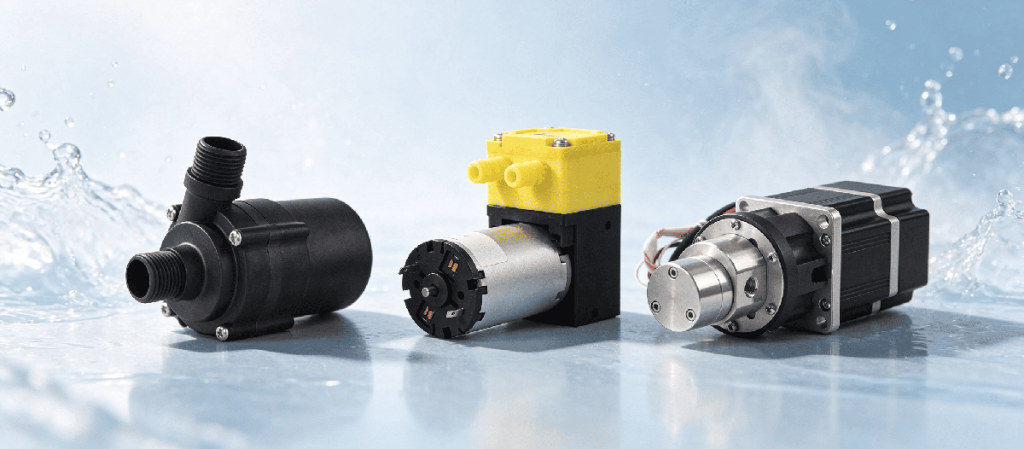
What Is MOQ in Micro Pump Purchasing?
MOQ stands for Minimum Order Quantity. It refers to the minimum quantity a supplier is prepared to accept for a particular order or product configuration.
In micro pump purchasing, MOQ may depend on factors such as:
Whether the pump is an existing standard model.
Whether special materials or components are required.
Whether the order involves customized specifications.
Production scheduling and component availability.
Packaging, labeling and other order requirements.
The expected frequency of repeat orders.
It is important to distinguish MOQ from sample quantity and the quantity required for mass production.
For example, an OEM project may begin with a few samples for engineering evaluation, followed by a small trial order and then regular production orders. These stages serve different purposes and do not necessarily have the same purchasing requirements.
MOQ is also different from an order quantity that offers the most economical unit price. A supplier may be able to discuss a smaller order, while a larger quantity may provide different pricing or production arrangements.
The appropriate quantity should be evaluated according to the project rather than determined by MOQ alone.
What Factors Affect Micro Pump MOQ?
There is no single MOQ that applies to every micro pump. Several factors may influence the quantity a supplier can reasonably arrange.
1. Standard Models vs. Customized Pump Configurations
The first consideration is whether the buyer needs an existing standard model or a customized configuration.
For a standard micro pump, the design and main product configuration may already be established. This can make it easier to discuss different order quantities.
A customized project may involve additional considerations, such as:
Different flow rate or pressure requirements.
Special motor or voltage configurations.
Specific wetted materials.
Modified inlet and outlet connections.
Different installation dimensions.
Customized wiring or electrical connectors.
However, customization does not automatically mean that a large MOQ is required.
Some OEM requirements can be evaluated using an existing model or a configuration already available from the manufacturer. Other changes may involve special components or additional preparation.
The order quantity should therefore be discussed after the supplier understands the actual customization requirements.
For more information, see our guide to Micro Pump Customization: OEM Options and Solutions.
2. Material and Component Requirements
Material and component requirements can also influence order arrangements.
For example, a standard pump configuration may use regularly available components, while a project requiring special wetted materials, seals, diaphragms, motors or connectors may need additional sourcing and preparation.
The supplier may need to consider:
Component availability.
Material purchasing requirements.
Whether the components are shared with existing models.
Whether special parts can be used across future orders.
Whether additional engineering or verification is necessary.
This does not mean every special material requires a high MOQ. The practical arrangement depends on the exact component, sourcing conditions and project requirements.
For fluid handling applications, material selection should also be confirmed against the actual liquid properties and operating conditions.
Our article on Micro Pump Materials and Fluid Compatibility explains the main factors involved.
3. Production Setup and Manufacturing Arrangements
Production planning is another factor that may influence the quantity and timing of an order.
Different models and configurations may require different assembly processes, components and inspection arrangements.
A supplier may need to consider whether the requested quantity can be arranged within an existing production schedule or whether additional preparation is necessary.
For OEM projects, it is useful to discuss both the initial order and the possibility of repeat purchases.
A small initial order may be suitable for product testing or early production. If the project develops into regular demand, future orders can be planned according to the actual purchasing forecast.
The important point is to find a practical arrangement that matches the project rather than assuming that every order must follow the same production quantity.
4. Order Frequency and Long-Term Demand
The expected frequency of orders can be just as important as the quantity of a single order.
Consider two purchasing situations:
An equipment manufacturer needs a small quantity for an initial project, with no confirmed repeat order yet.
Another manufacturer needs a similar quantity every month as part of an established production program.
Although the individual order quantities may be similar, the long-term purchasing patterns are different.
When discussing MOQ, buyers should consider sharing:
Initial order quantity.
Estimated monthly or quarterly demand.
Expected repeat order frequency.
Possible future changes in demand.
Whether the project is still in development or already in regular production.
A demand forecast does not need to be exact. Even an approximate estimate can help the supplier understand the project and discuss possible purchasing arrangements.
The ASCM guide to demand and supply planning explains how demand forecasts and supply planning help businesses coordinate inventory and production decisions.
5. Packaging and Special Requirements
Packaging and order-specific requirements may also affect purchasing arrangements.
Examples include:
Individual product packaging.
Special labels or product identification.
Customized cartons.
Protective foam or other packaging materials.
Pallet requirements.
Special documentation or inspection records.
Standard packaging may be easier to arrange across different quantities. Customized packaging may require additional preparation or purchasing of packaging materials.
Buyers should communicate these requirements early so the supplier can evaluate the complete order rather than considering the pump quantity alone.
Are Small Quantity Micro Pump Orders Possible?
Yes, smaller quantities can be considered for many OEM projects, depending on the selected model, configuration and production requirements.
Not every equipment manufacturer starts with a large purchasing volume. A new project may need samples first, followed by a small trial order before moving into regular production.
A flexible purchasing discussion can be useful in several situations:
New equipment development
The buyer may need a limited quantity to evaluate pump performance and complete the equipment design.
Initial production runs
A manufacturer may want to start with a smaller order to confirm the production process and market demand.
Product testing and validation
Engineering teams may need additional pumps for testing under different operating conditions.
Low-volume or specialized equipment
Some equipment models have relatively limited production volumes, making flexible purchasing arrangements important.
Early-stage OEM cooperation
A buyer and supplier may need to establish the product configuration and purchasing pattern before discussing long-term supply arrangements.
At JIGU, order quantities are relatively flexible and can be discussed according to the actual project. We do not apply one rigid quantity requirement to every customer or every pump configuration.
The practical arrangement still depends on factors such as the standard or customized model, component and material requirements, production scheduling and project needs.
If your initial requirement is relatively small, it is still worth discussing the project with the manufacturer rather than assuming that the order cannot be considered.
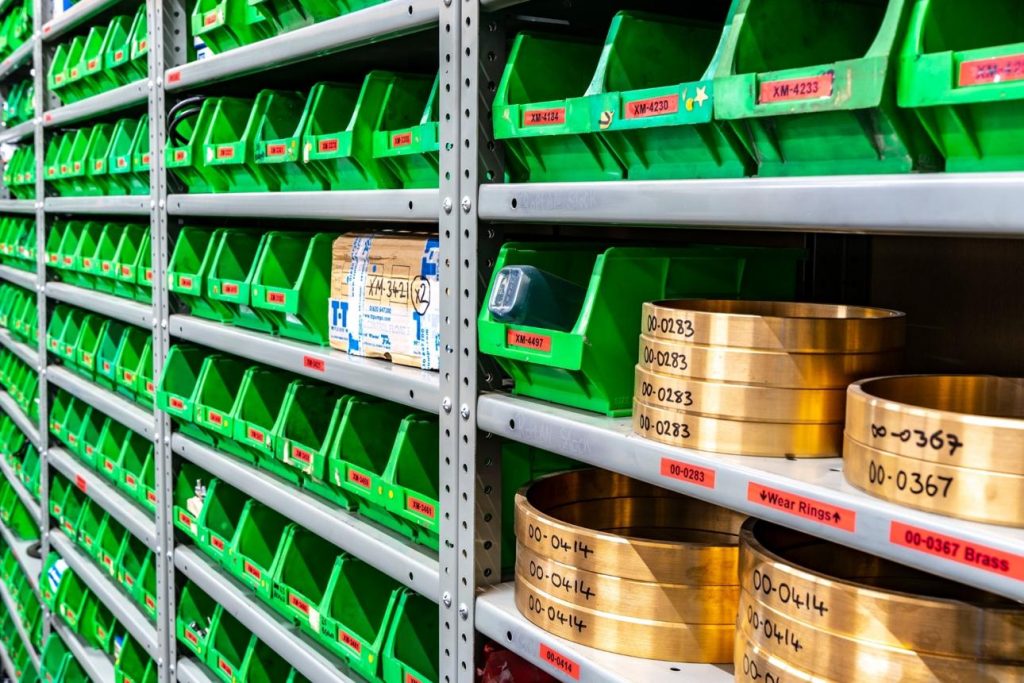
Standard Micro Pump Orders vs. Customized OEM Orders
Standard and customized pump orders may involve different preparation requirements, but neither automatically determines a fixed MOQ.
| Consideration | Standard model | Customized OEM configuration |
| Product design | Existing model and specifications | May require configuration review |
| Components | Established component selection | May involve specific or additional components |
| Technical confirmation | Confirm model suitability | Evaluate requested changes |
| Sample evaluation | Check performance and installation | Check performance and customized details |
| Sample evaluation | Check performance and installation | Check performance and customized details |
| Order quantity | Discuss according to project needs | Discuss according to configuration and preparation |
| Repeat purchasing | Based on actual demand | May depend on the stability of the approved configuration |
For example, an OEM customer may need a standard micro centrifugal water pump in a relatively small quantity for a new machine. Another customer may require a customized diaphragm pump with specific electrical connections and materials.
The two projects have different requirements, but the appropriate order quantities should be evaluated individually.
A customized project does not necessarily require a large order, and a standard model does not automatically mean every quantity can be arranged without further evaluation.
The best approach is to share the application and requirements first, then discuss a suitable purchasing arrangement with the supplier.
How to Plan Your Micro Pump Order Quantity
Choosing an appropriate purchasing quantity can help OEM buyers balance development needs, inventory and purchasing costs.
A practical approach is to consider the project in several stages.
1. Start with Sample Evaluation
Before placing a production order, obtain samples for technical evaluation where necessary.
The sample quantity depends on the testing objectives. Buyers may need more than one unit if they plan to compare configurations, test repeatability or evaluate different equipment conditions.
See our guide to Micro Pump Sample Testing for a more detailed testing checklist.
2. Consider a Trial Order
After sample approval, a smaller initial production order may help the equipment manufacturer verify the pump in its actual production process.
This stage can help confirm:
Equipment assembly compatibility.
Production performance.
Quality inspection requirements.
Packaging and handling.
Initial market or customer demand.
The quantity should be discussed according to the project and the supplier’s production arrangements.
3. Estimate Regular Purchasing Demand
When the equipment enters regular production, buyers can estimate future pump requirements based on expected equipment output.
For example, if each machine uses one pump, the estimated pump demand can be calculated from the planned equipment production volume, with additional consideration for service parts or replacement requirements.
Sharing this forecast with the supplier can help both sides discuss production planning and future orders.
4. Avoid Unnecessary Inventory
Ordering a very large quantity simply to obtain a lower unit price may not always be the best decision.
Excess inventory can tie up working capital and create storage or obsolescence risks, especially if the equipment design or pump configuration may change.
On the other hand, ordering too little without considering future demand may lead to repeated purchasing and additional coordination.
The goal is to balance order quantity, purchasing cost, inventory and supply requirements.
ASCM’s overview of inventory management explains how businesses balance stock availability with the cost and risks of holding inventory.
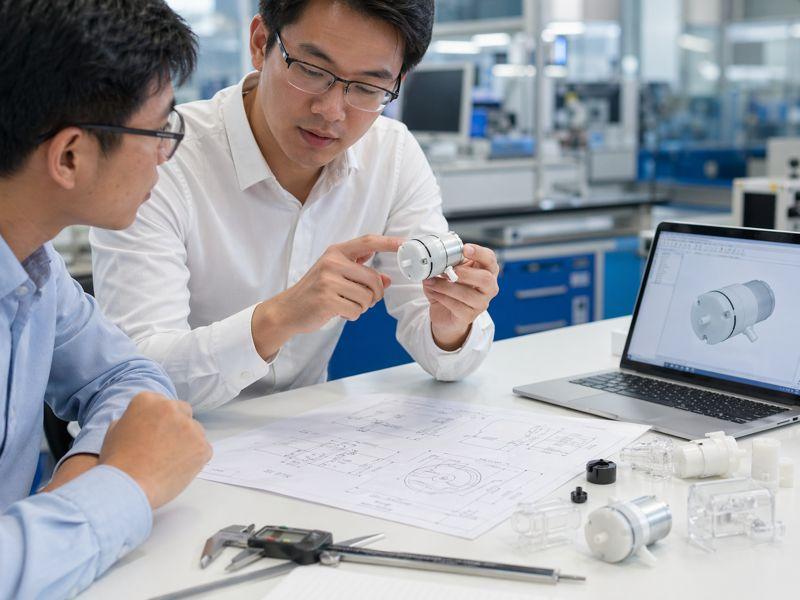
How to Discuss MOQ with a Micro Pump Manufacturer
When contacting a pump manufacturer, buyers can provide a few basic details to make the discussion more productive.
1. Pump type or product requirement
Identify whether the project requires a centrifugal water pump, diaphragm pump or magnetic drive gear pump.
2. Application
Explain the equipment and the intended function of the pump.
3. Technical requirements
Share available information about flow rate, pressure, voltage, fluid properties and installation dimensions.
4. Initial quantity
State how many samples or production units are currently required.
5. Expected future demand
If possible, provide an approximate monthly or annual purchasing forecast.
6. Customization requirements
Explain whether the project needs special materials, motor configurations, connections, wiring or mechanical dimensions.
7. Project stage
Clarify whether the project is still under development, entering trial production or already in regular manufacturing.
Even if some specifications are not yet available, initial project information can help the supplier understand the requirements and discuss possible options.
For a practical inquiry checklist, see What Information Is Needed for a Custom Micro Pump Quote?.
Common Mistakes When Evaluating MOQ
When comparing micro pump suppliers, buyers should avoid focusing on minimum order quantity alone.
Assuming every supplier has the same MOQ
Different manufacturers have different product ranges, production arrangements and sourcing conditions. A quantity requirement from one supplier may not apply to another.
Assuming customized pumps always require large orders
Some customization requests can be handled using existing product platforms. The actual requirements should be evaluated before deciding whether a larger quantity is necessary.
Choosing quantity based only on unit price
A lower unit price at a higher quantity may not provide the best overall purchasing result if the buyer does not need the additional inventory.
Ignoring future purchasing demand
A small initial order may be suitable for development, but repeat orders should also be considered when planning long-term cooperation.
Not explaining the project stage
A supplier may give a more relevant response when they understand whether the requirement is for samples, trial production or regular orders.
Comparing MOQ without considering total purchasing arrangements
Price, packaging, production scheduling, material requirements and delivery arrangements should be evaluated together.
A suitable supplier should be willing to understand the buyer’s actual requirements and discuss a practical solution.
Flexible OEM Cooperation with JIGU
JIGU has been manufacturing micro pumps since 1990, supporting equipment manufacturers with different fluid handling requirements.
Our main product categories include:
Micro Centrifugal Water Pumps for selected liquid circulation and transfer applications.
Micro Diaphragm Pumps for liquid, air and vacuum-related applications, depending on the model configuration.
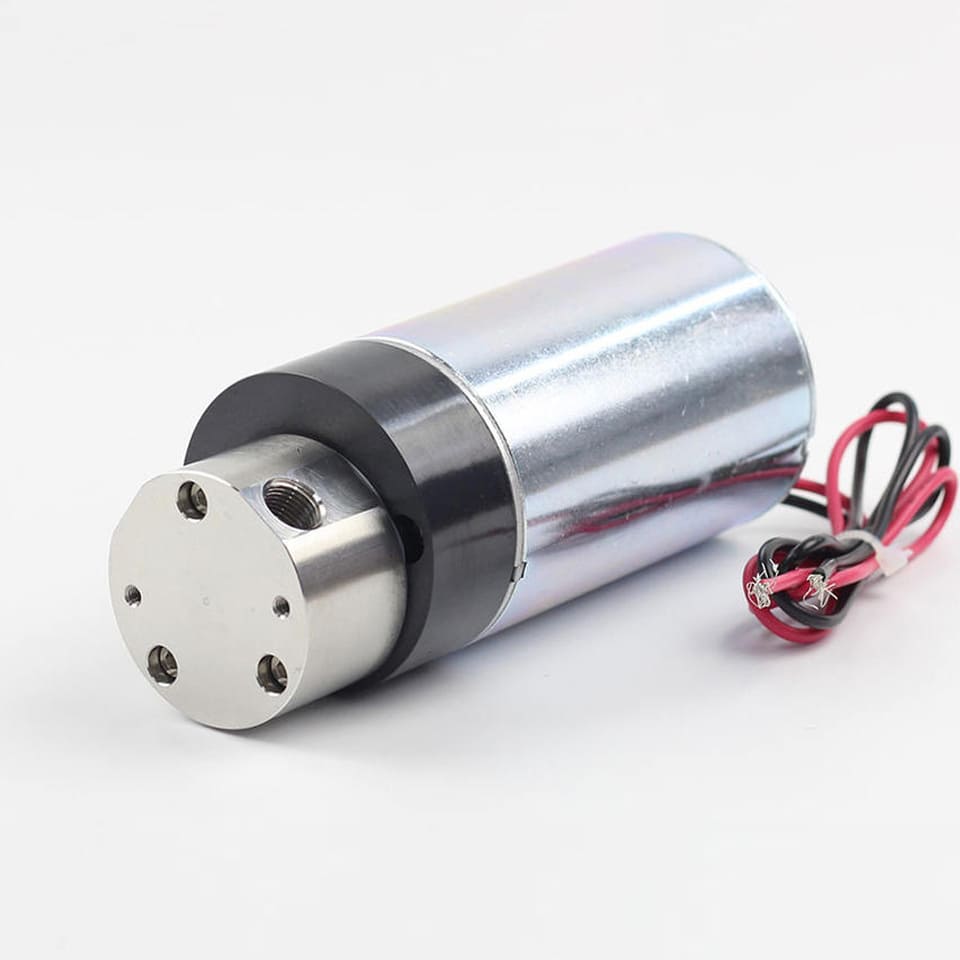
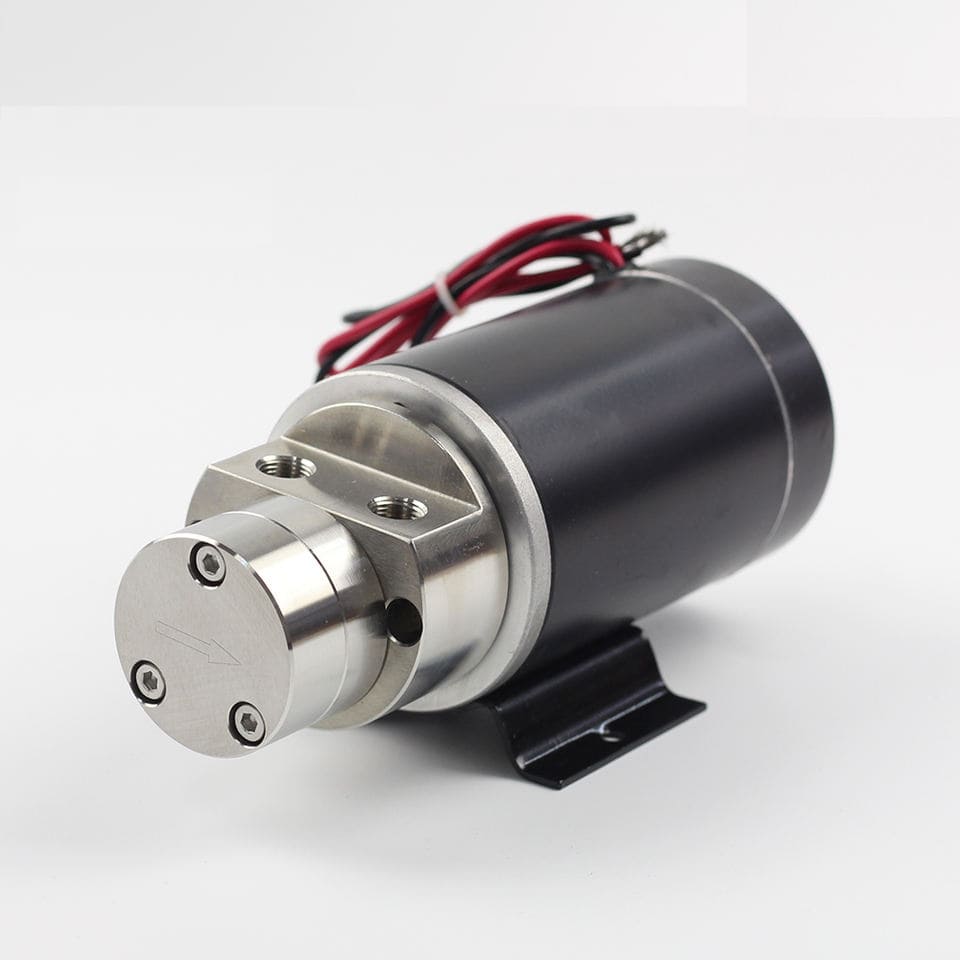
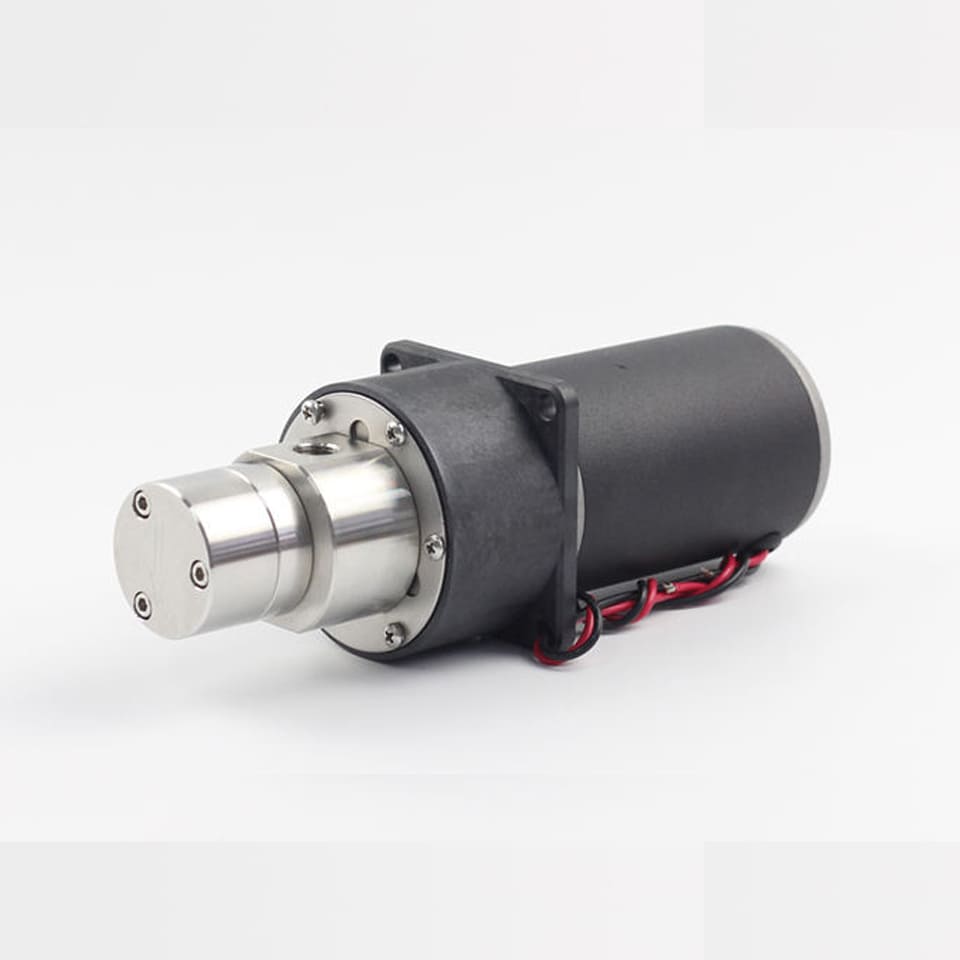
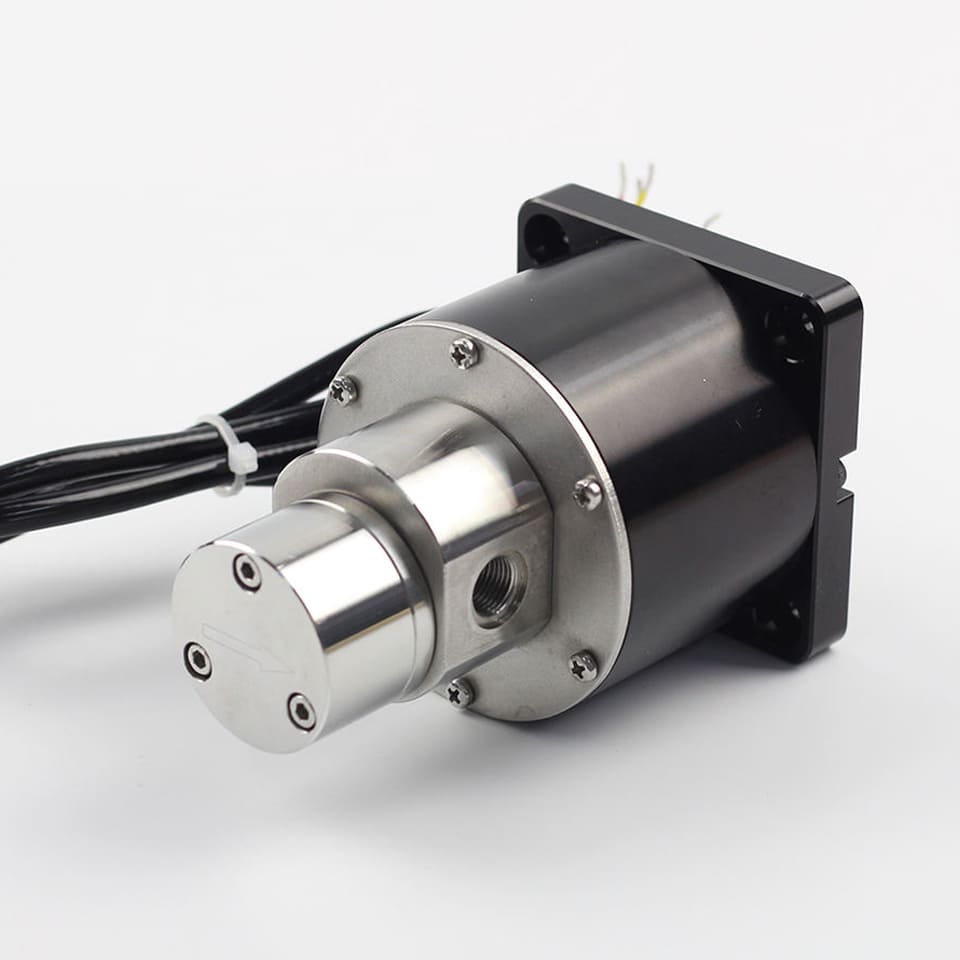
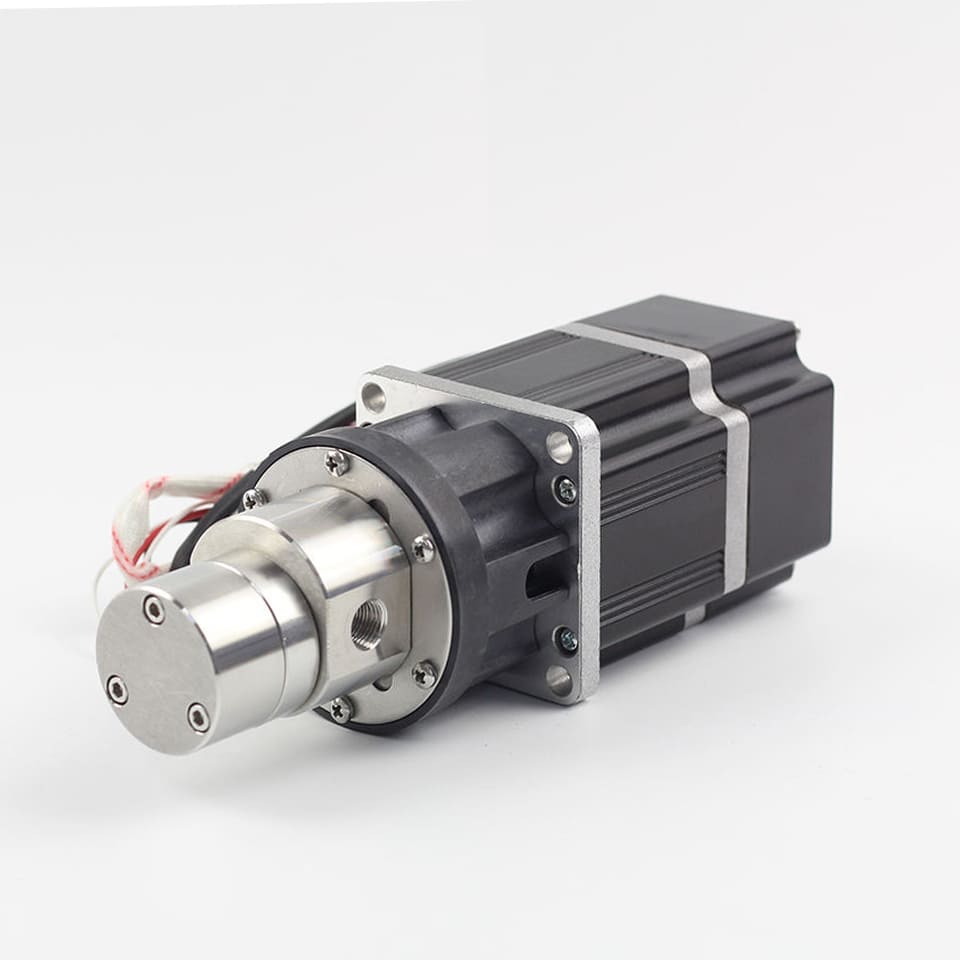
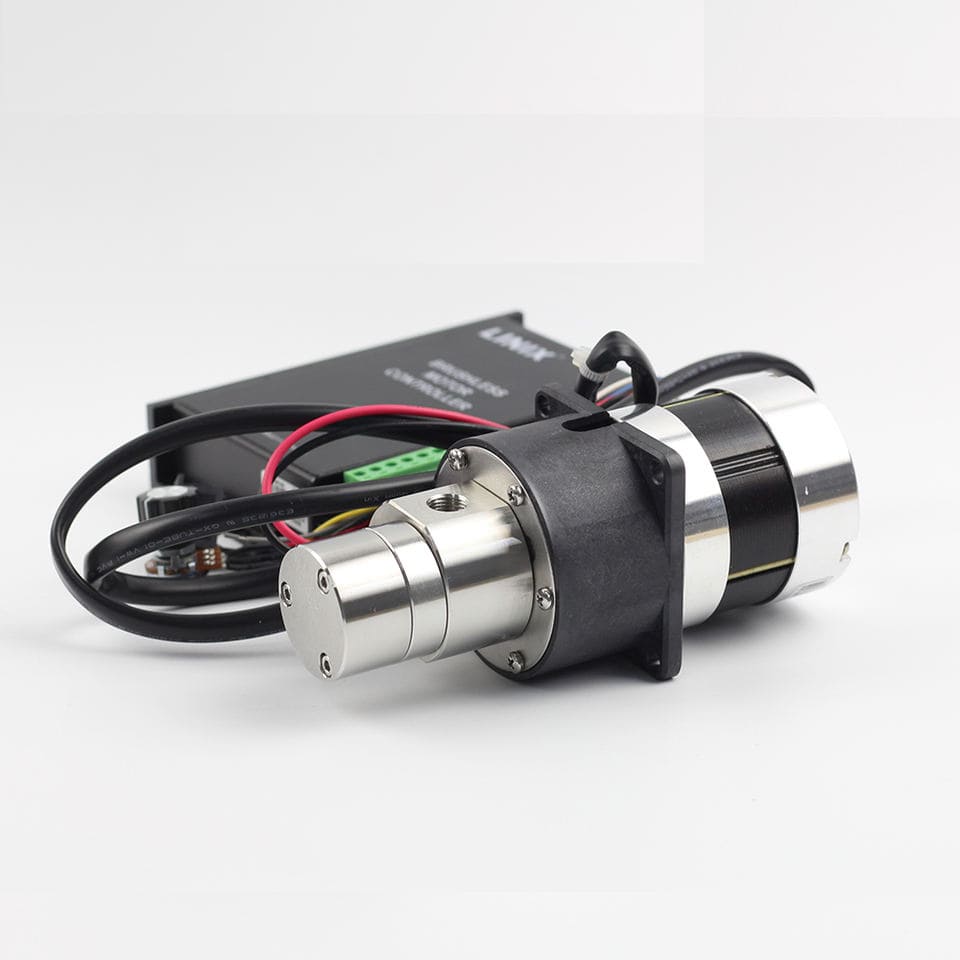
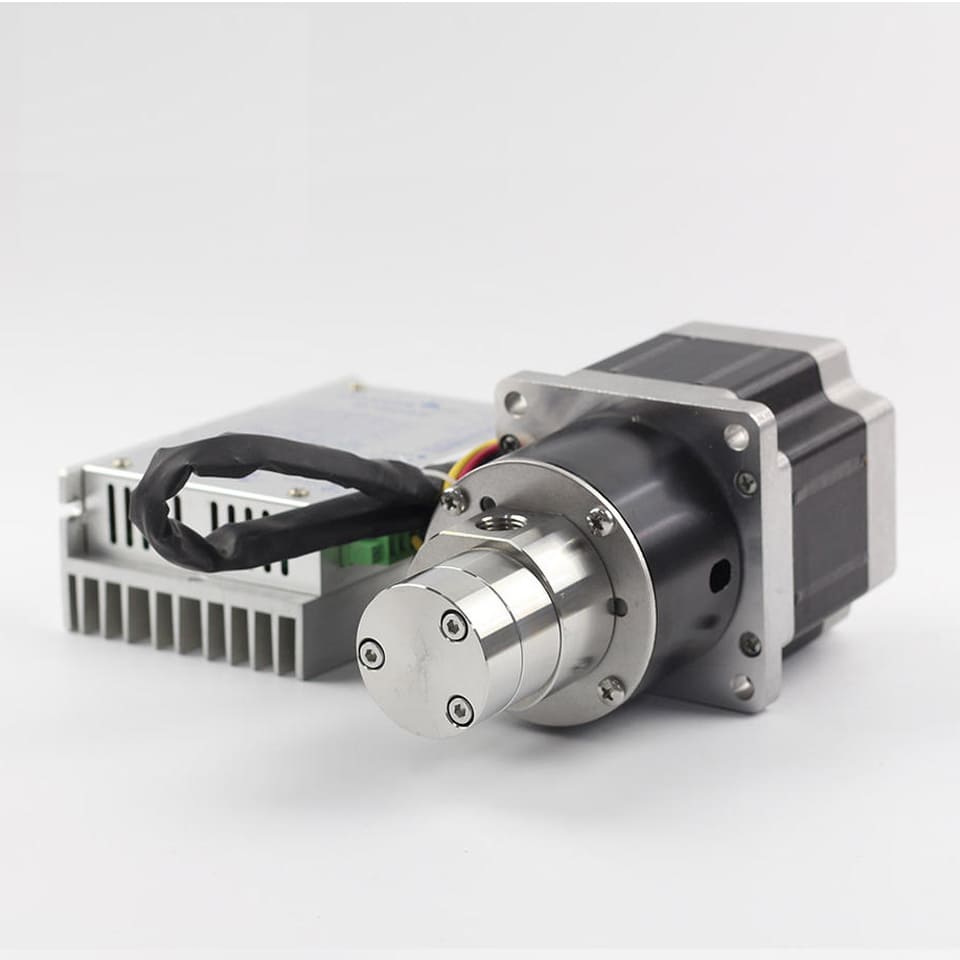
Magnetic Drive Gear Pumps for selected fluid transfer applications where the fluid properties and operating conditions are suitable.
We understand that OEM projects can have different purchasing requirements.
Some customers need a small quantity for initial equipment development, while others require regular orders for established production. Some projects use standard pump models, while others involve specific configurations or customization.
JIGU takes a flexible approach to order quantities. Rather than applying one rigid MOQ to every project, we discuss purchasing requirements according to factors such as:
Standard or customized pump configuration.
Required materials and components.
Initial and expected future order quantities.
Production arrangements.
Specific project requirements.
This approach allows us to evaluate different OEM purchasing situations and discuss practical cooperation arrangements.
If you are developing new equipment or looking for a micro pump supplier for an existing product line, you are welcome to share your application and estimated purchasing requirements.
Even if your initial order quantity is not large, you can contact our team to discuss the project.
Contact JIGU to discuss your micro pump requirements.
Frequently Asked Questions
1. What is the MOQ for micro pumps?
There is no universal MOQ for all micro pumps. It depends on the manufacturer, product model, configuration, materials and production arrangements. Buyers should discuss their actual requirements with the supplier.
2. Can I order a small quantity of micro pumps?
Smaller quantities may be possible depending on the selected model and project requirements. Some OEM projects begin with samples or a small trial order before moving into regular production. It is best to explain your application and expected demand to the manufacturer.
3. Does a customized micro pump require a higher MOQ?
Not necessarily. Some customized requirements can be handled through existing models or available configurations. Other changes may involve special materials or components. The appropriate quantity should be evaluated according to the actual customization requirements.
4. Is the MOQ the same for samples and production orders?
Not necessarily. Samples are generally used for evaluation and technical verification, while production orders involve different manufacturing and purchasing arrangements. The quantity for each stage should be discussed separately.
5. Does ordering more micro pumps always reduce the unit price?
Larger quantities may offer different pricing because of purchasing and production arrangements. However, the actual price depends on the product configuration, materials, quantity and other order requirements. Buyers should compare total purchasing cost rather than unit price alone.
6. Can I start with a small order and increase the quantity later?
This is a common approach for OEM equipment projects. Buyers may begin with samples or a smaller initial order and increase purchasing quantities as the equipment enters regular production. Future arrangements should be discussed according to demand and the supplier’s production planning.
7. What information should I provide when asking about MOQ?
Useful information includes the pump type, application, required specifications, initial quantity, customization requirements and estimated future demand. If some details are not yet available, you can still provide the basic project information for an initial discussion.
Final Thoughts
Minimum order quantity is an important purchasing consideration, but it should not be the only factor when choosing a micro pump supplier.
For OEM projects, the appropriate order quantity depends on the product model, configuration, materials, production arrangements and expected demand.
A flexible discussion can help buyers move from initial samples to trial orders and regular production without committing to an unsuitable purchasing quantity too early.
If you are looking for a micro pump supplier, share your application and purchasing requirements first. A practical order arrangement should be based on the actual project rather than a fixed assumption about quantity.
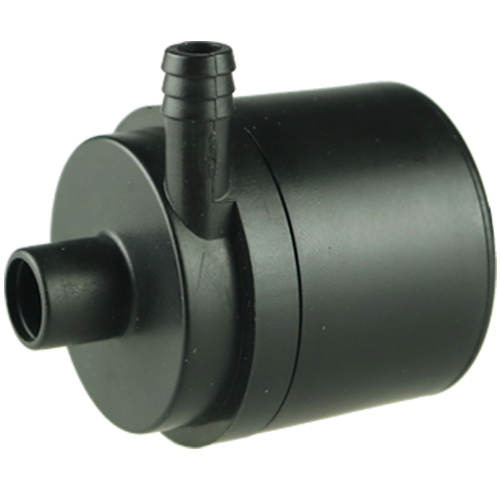
Related Products
Reach Out Today
Looking for a micro pump manufacturer for your project? Contact JIGU Pump to discuss your application requirements and get a suitable pump recommendation and quotation.

Share Your Requirements
Share your application requirements, technical specifications, drawings, or reference images with our team.

Receive a Solution & Quotation
Our team will review your requirements and provide a suitable pump recommendation and quotation.

Confirm & Start Production
After sample approval and order confirmation, we proceed with production and arrange shipment according to the agreed schedule.