
Micro Pumps for Chemical Processing and Fluid Handling
Micro Pumps for Chemical Processing and Fluid Handling
Chemical processing and fluid handling equipment often requires compact pumps to transfer, circulate or dispense different types of liquids. From laboratory chemical handling systems to industrial fluid control equipment, small pumps can play an important role in moving liquids between containers, process units and dispensing points.
However, chemical liquid handling involves more than selecting a pump with the required flow rate. The chemical composition, concentration, viscosity, temperature and compatibility of wetted materials must all be considered.
For OEM equipment manufacturers, choosing the right pump technology is essential for achieving reliable fluid handling and integrating the pump into a compact system.
This guide explores common applications of micro pumps in chemical processing, compares different pump technologies and explains the key factors to consider when selecting a pump for chemical liquids.
Why Are Micro Pumps Used in Chemical Processing?
Many chemical handling systems do not require large industrial pumps. Instead, compact equipment may need a smaller pump to transfer controlled quantities of liquid or maintain circulation within a relatively small fluid system.
Micro pumps can be considered for applications where:
Installation space is limited
Small or controlled liquid volumes need to be transferred
Compact fluid circulation is required
Equipment needs an integrated pumping component
The pump must work with a specific liquid and operating cycle
OEM manufacturers need a customized pump configuration
Potential applications include laboratory instruments, chemical dosing equipment, liquid analysis systems, cleaning equipment and compact industrial processing devices.
The main advantage of a micro pump is its suitability for compact equipment design. However, the pump must still meet the required chemical compatibility, flow, pressure and operating conditions.
Common Applications of Micro Pumps in Chemical Processing
Micro pumps may support different fluid handling functions depending on the liquid properties and equipment design.
1. Chemical Liquid Transfer
Chemical transfer is one of the most common requirements in compact fluid handling equipment.
A micro pump may be used to move liquids between:
Storage containers and processing units
Chemical supply tanks and dispensing modules
Laboratory containers and analysis systems
Internal fluid circuits
Compact chemical handling equipment
Magnetic drive gear pumps and diaphragm pumps may be considered for different liquid transfer applications.
The suitable pump depends on the chemical composition, required flow rate, pressure, viscosity and material compatibility.
A pump designed for water transfer should not automatically be assumed suitable for chemical liquids.
2. Chemical Dosing and Dispensing
Some chemical processing equipment requires controlled delivery of liquids during production, testing or preparation.
Potential applications include:
Chemical dispensing equipment
Cleaning solution delivery
Reagent handling systems
Compact liquid preparation equipment
Automated fluid supply modules
Gear pumps may be considered when the system requires controlled liquid transfer and the fluid properties are suitable.
However, a gear pump does not automatically guarantee precise dosing accuracy.
Actual dispensing performance depends on pump displacement, rotational speed, fluid viscosity, operating pressure, control method and the complete system design.
If a project requires accurate or repeatable dosing, the pump and dispensing system should be tested and calibrated under the intended operating conditions.
3. Laboratory and Analytical Fluid Handling
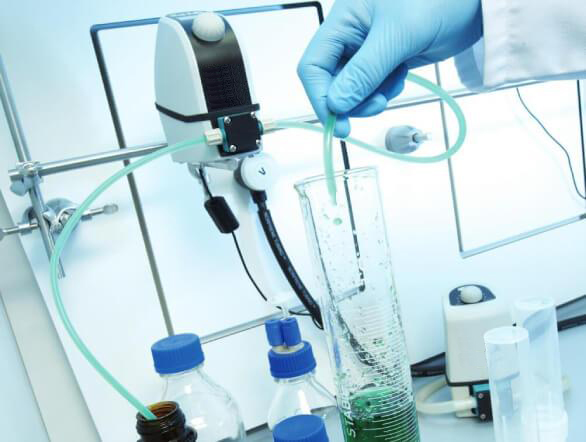
Laboratory and analytical equipment often uses compact pumps to transfer samples, reagents or other process liquids.
Examples include:
Liquid sample transfer
Reagent supply
Chemical analysis equipment
Water quality testing instruments
Compact laboratory fluid circuits
Micro diaphragm pumps, centrifugal pumps and magnetic drive gear pumps may all be considered for different applications.
The selection depends on the required liquid volume, pressure, chemical properties and the internal design of the instrument.
For more information, see our article on Micro Pumps for Laboratory and Analytical Equipment.
4. Industrial Liquid Circulation
Some compact industrial equipment requires continuous or intermittent circulation of chemical liquids.
Potential applications include:
Small liquid circulation systems
Chemical equipment cooling
Auxiliary fluid supply
Compact process equipment
Specialized industrial fluid handling modules
A centrifugal pump may be suitable when the system requires liquid circulation within its performance range.
For applications involving different chemical liquids, the pump’s wetted materials must be checked carefully before use.
5. Cleaning and Specialized Fluid Systems
Cleaning equipment and specialized processing systems may use water-based cleaning solutions, solvents or other chemical liquids.
A compact pump may be considered for transferring or circulating these liquids within the equipment.
However, cleaning chemicals can vary significantly in composition and concentration. Compatibility with the pump housing, internal components, seals and tubing must be confirmed.
The intended cleaning temperature, contact time and operating cycle should also be considered.
Which Micro Pump Technology Is Suitable for Chemical Liquids?
Different pump technologies have different operating characteristics. The correct choice depends on the liquid, system requirements and equipment design.
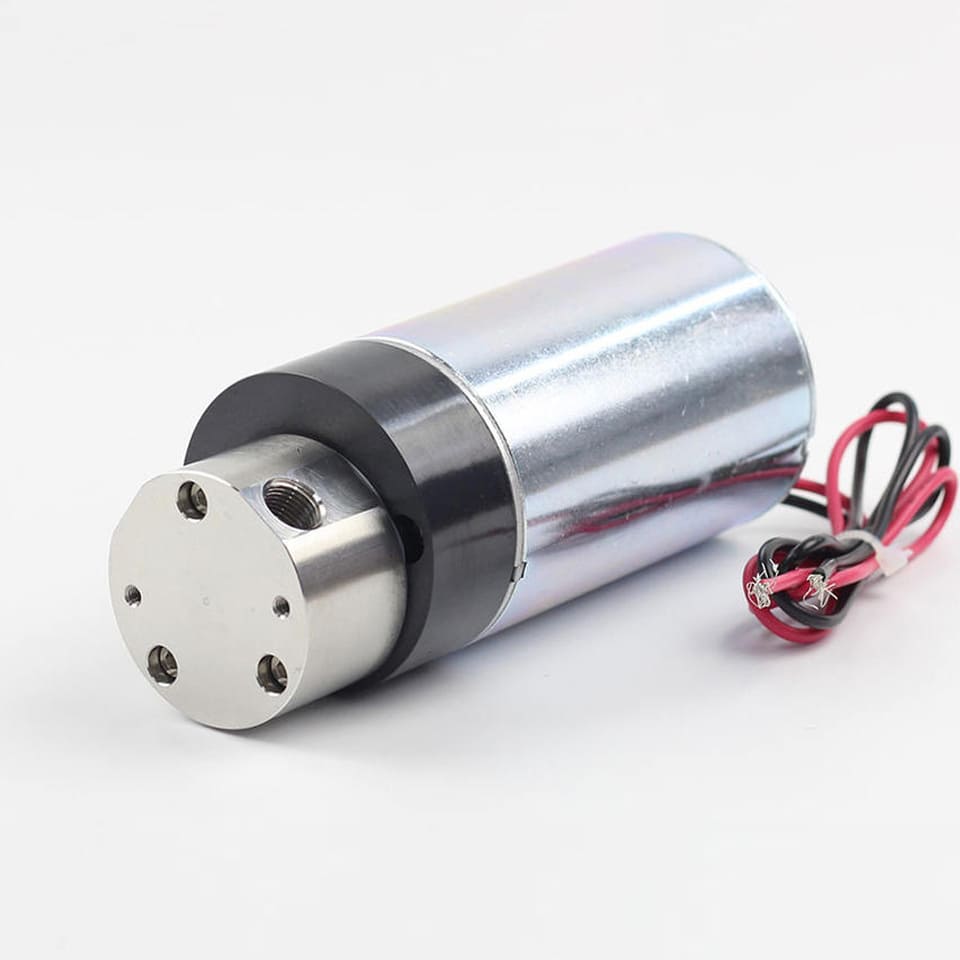
Magnetic Drive Gear Pumps
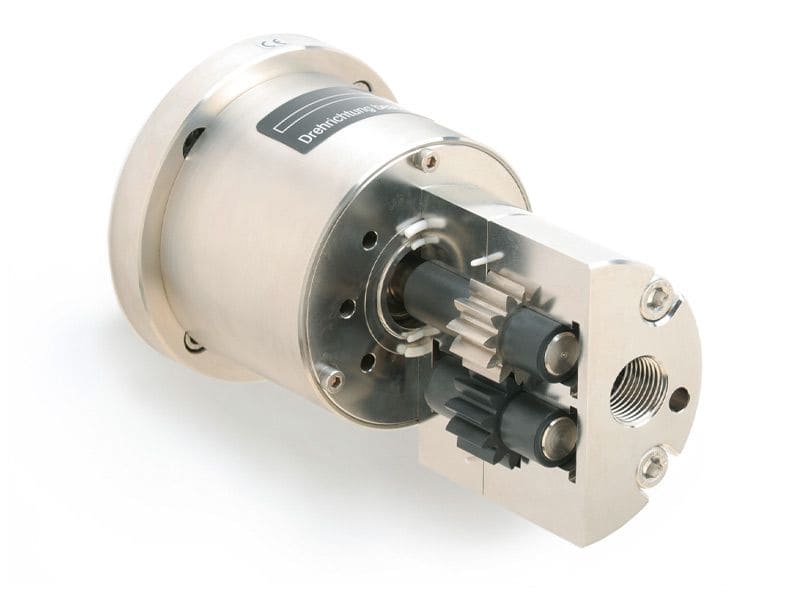
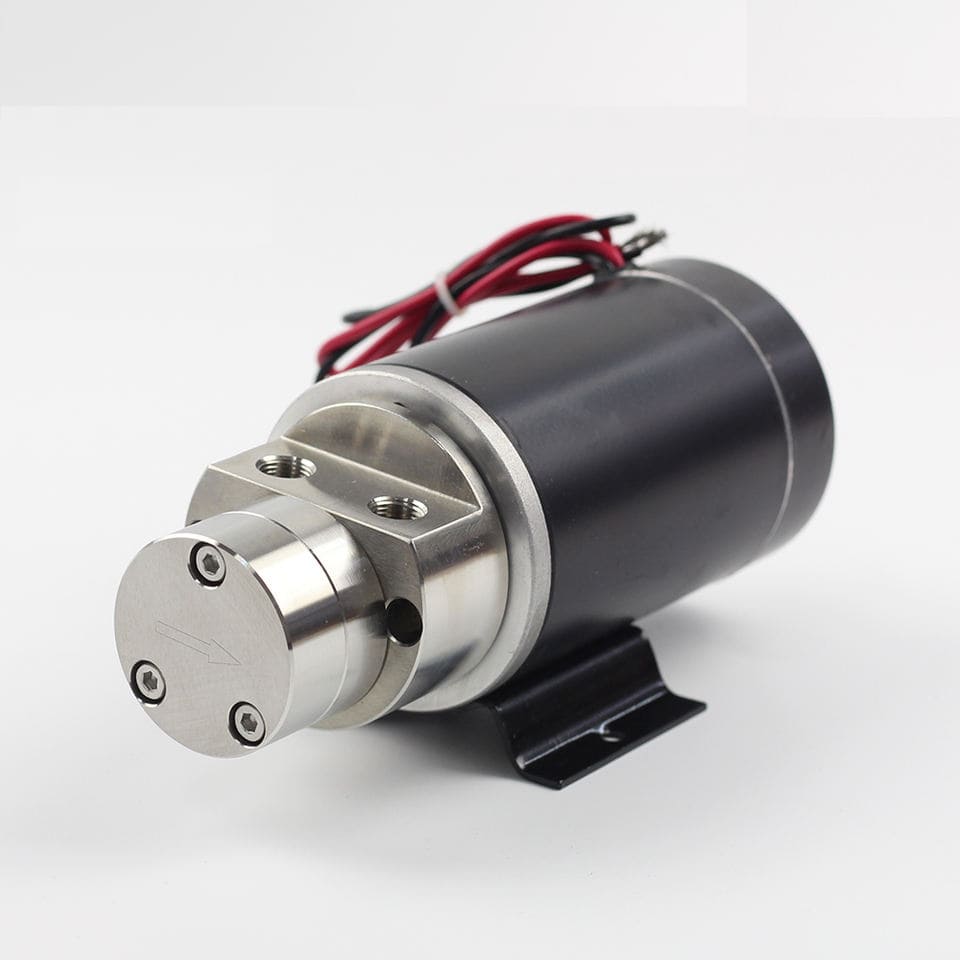
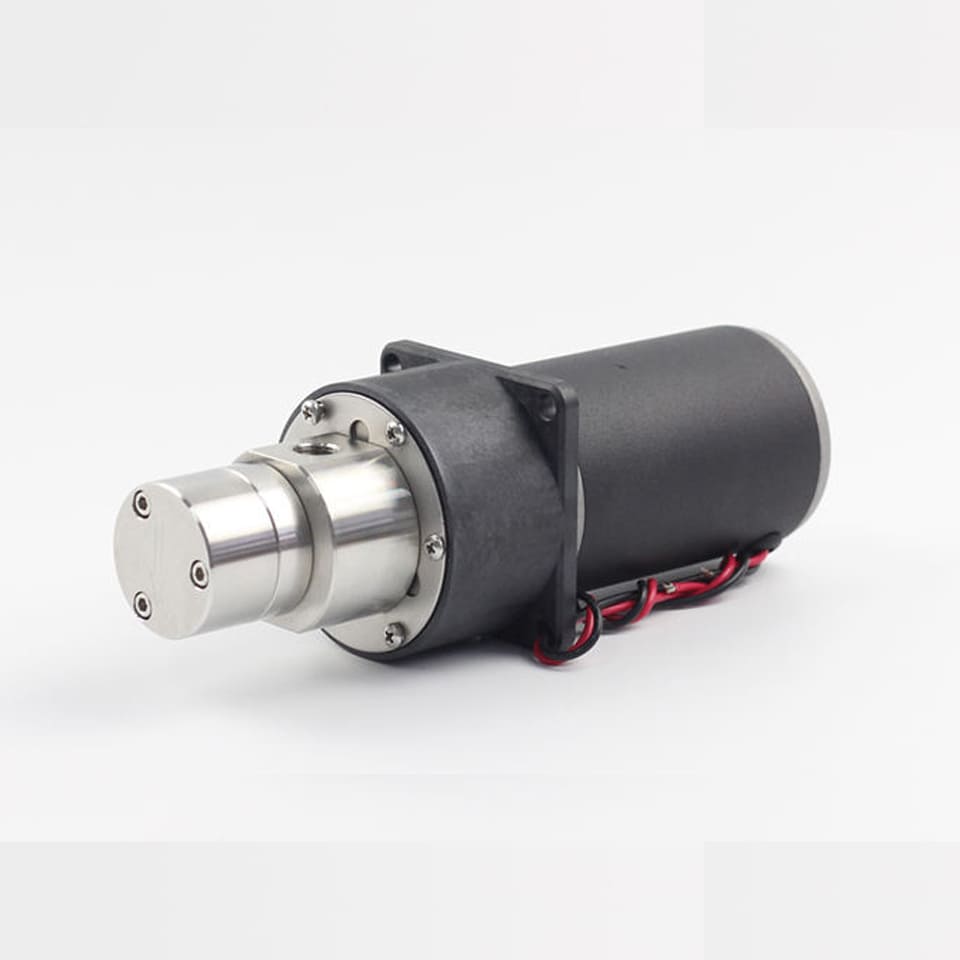
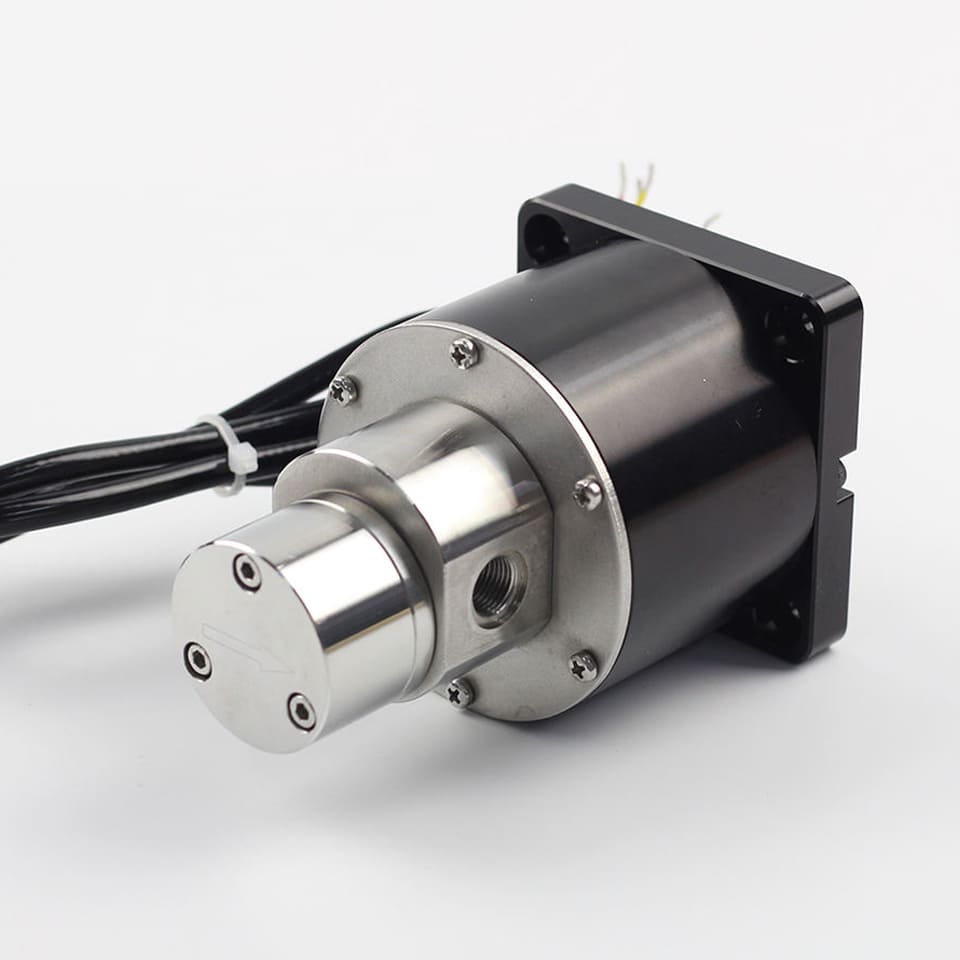
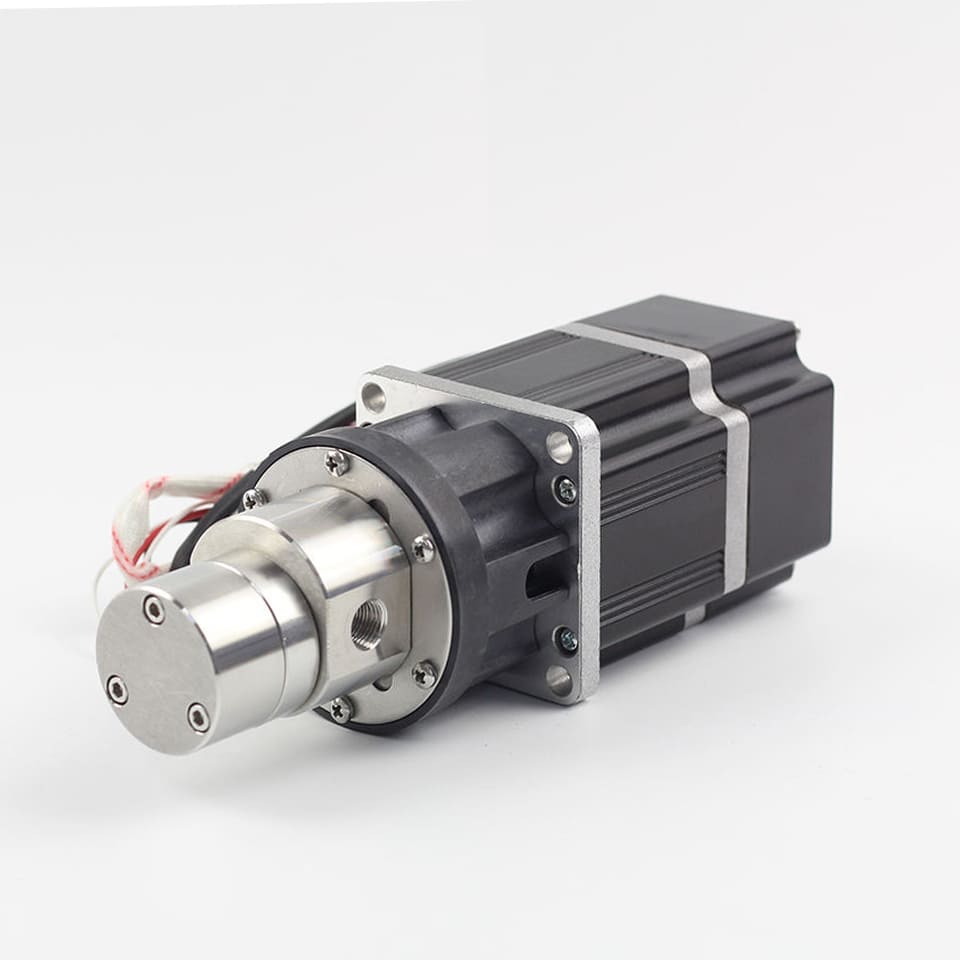
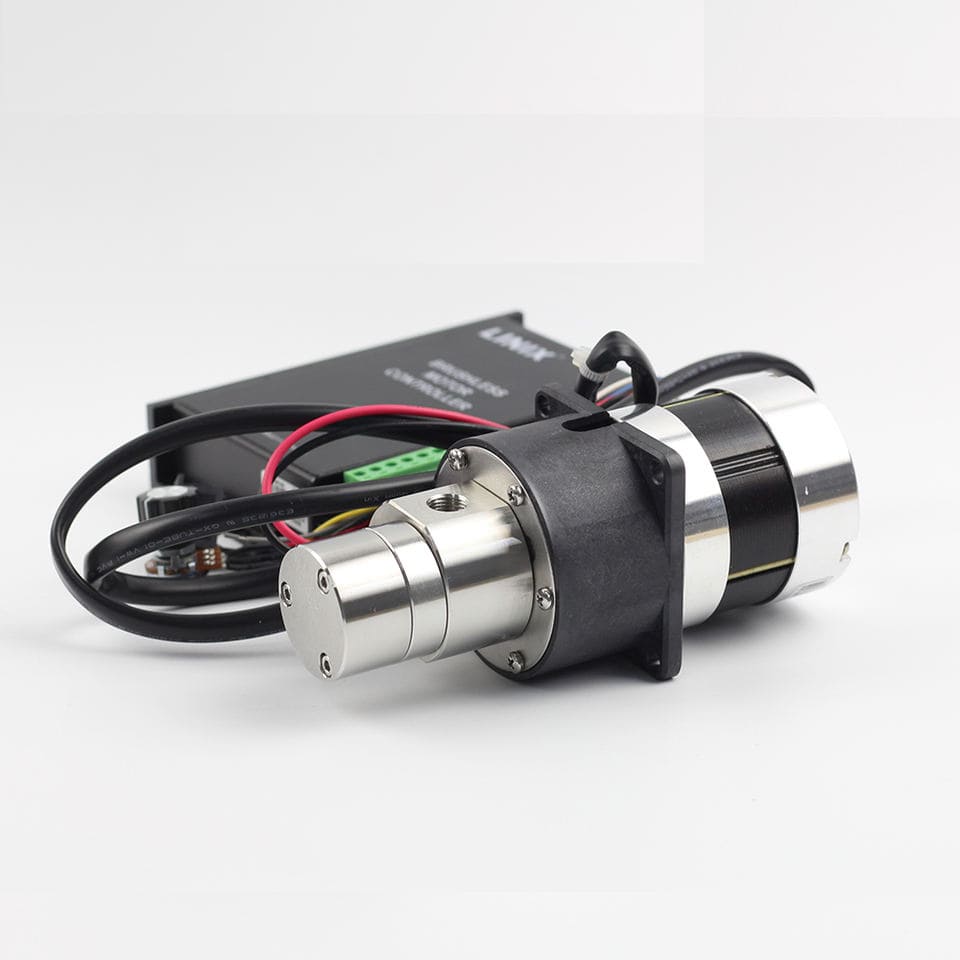
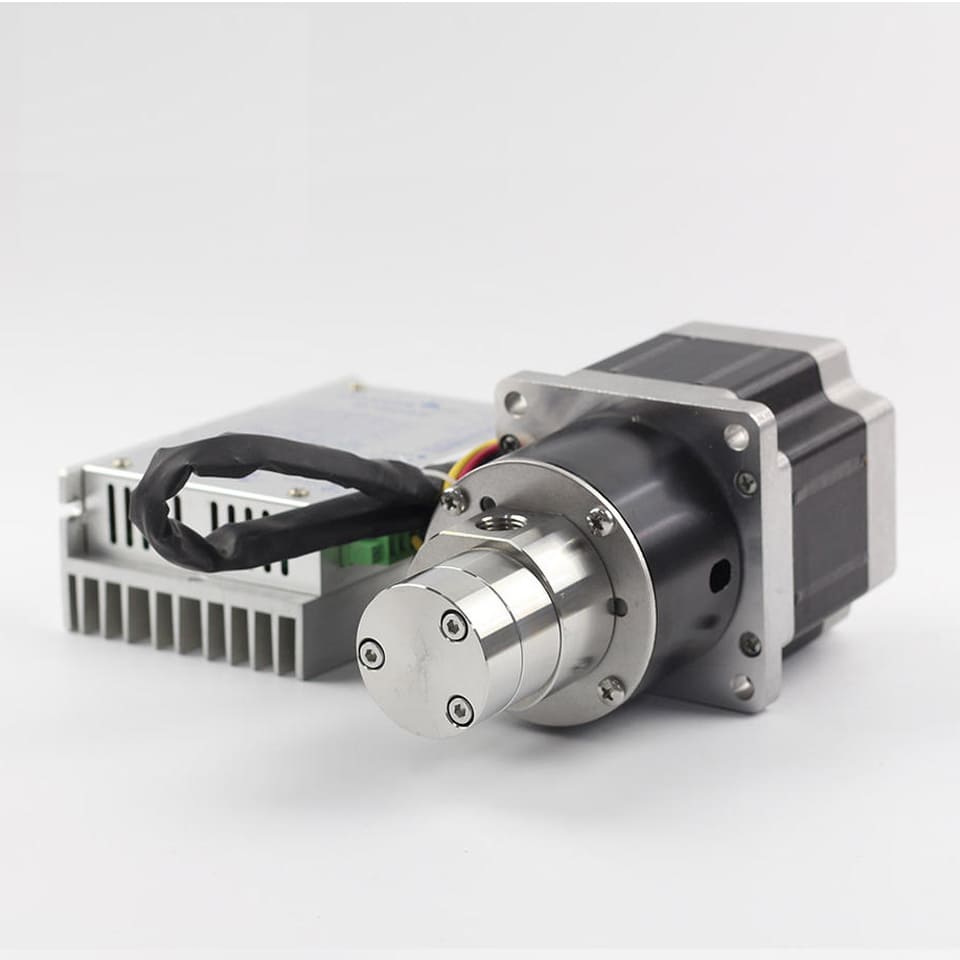
Magnetic drive gear pumps are an important option to consider for selected chemical liquid transfer applications.
They use gear movement to transfer liquid, while magnetic coupling transmits torque from the motor to the pump mechanism.
Potential advantages include:
Compact gear-based pumping structure
Controlled liquid transfer
No conventional dynamic shaft seal between the motor and pump chamber
Brushless or brushed motor configurations, depending on the model
The magnetic coupling arrangement can help reduce potential leakage paths associated with conventional dynamic shaft seals.
However, it does not mean that the complete pump system is absolutely leak-free. Static seals, connections and other wetted components still require proper evaluation.
Magnetic drive gear pumps may be considered for selected chemical liquid applications, but their suitability depends on:
Chemical composition and concentration
Wetted material compatibility
Liquid viscosity
Operating temperature
Required flow rate and pressure
Operating conditions
JIGU mainly offers brushless magnetic drive gear pump configurations, with brushed options also available for selected models.
Explore JIGU Magnetic Drive Gear Pumps
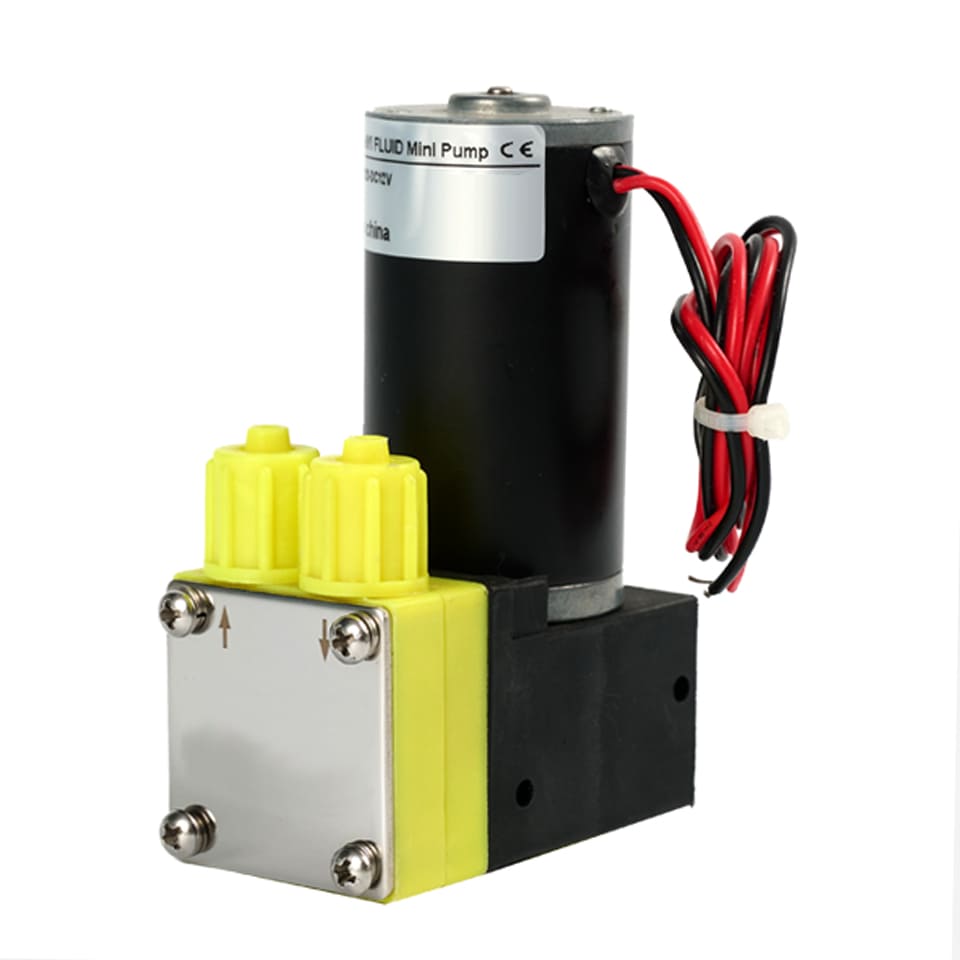
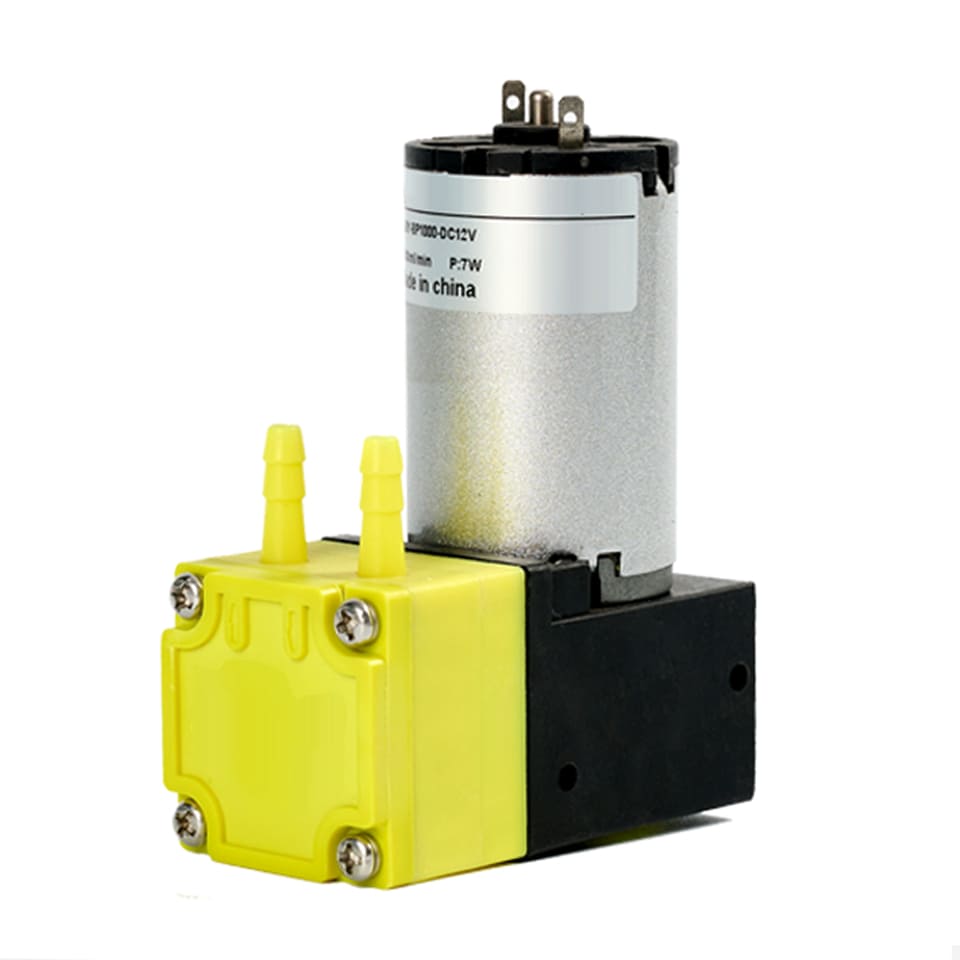
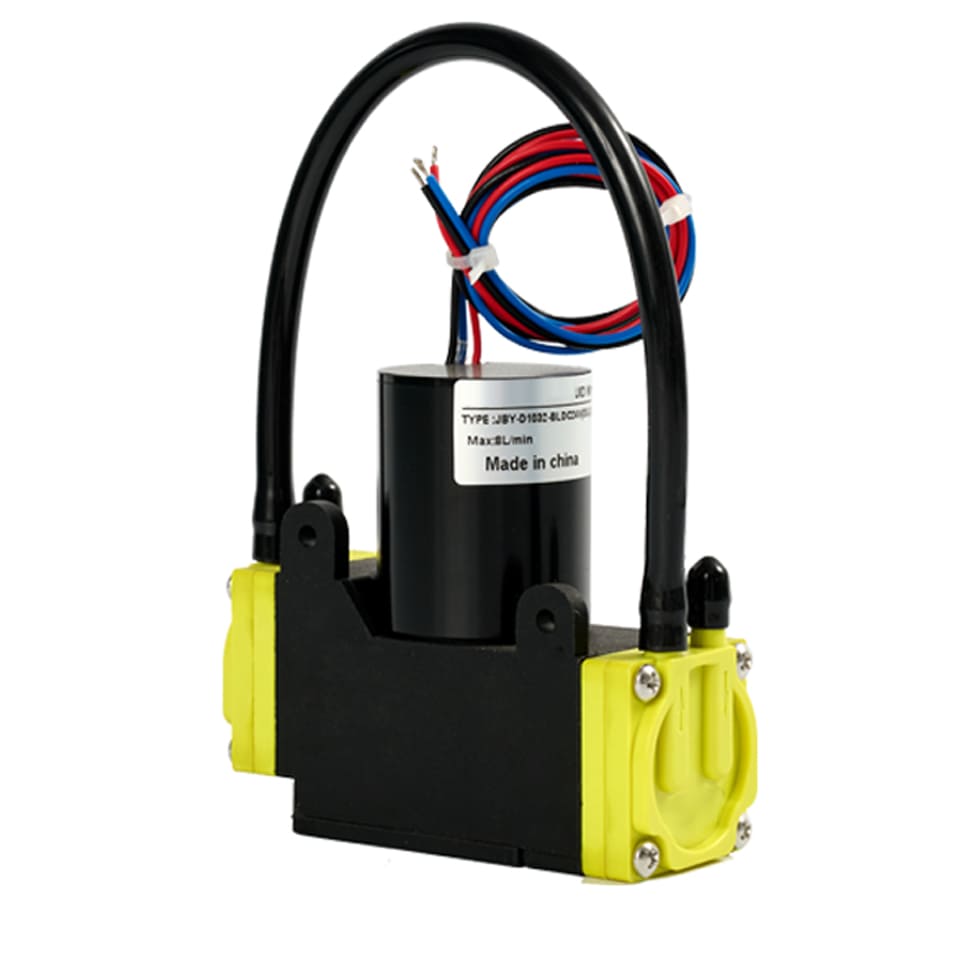
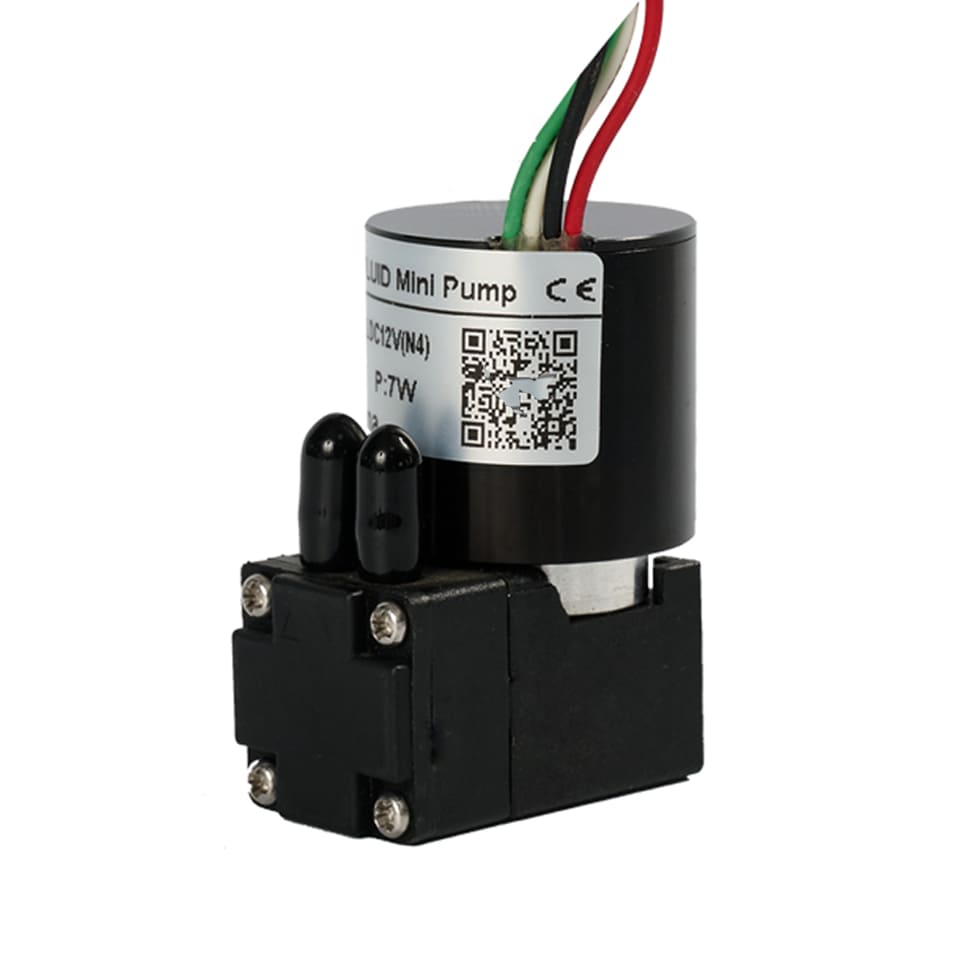
Micro Diaphragm Pumps
Micro diaphragm pumps use the movement of a flexible diaphragm to transfer liquid or gas.
Depending on the configuration, they may be considered for:
Selected chemical liquid transfer applications
Laboratory fluid handling
Liquid supply modules
Air supply and vacuum functions in chemical equipment
One important consideration is the diaphragm and valve material.
Even if the pump housing is chemically compatible with a liquid, the diaphragm, valves and other wetted components may have different chemical resistance characteristics.
The selected model must therefore be evaluated as a complete pump assembly.
JIGU mainly offers brushless diaphragm pump configurations, while brushed motor options are available for selected models.
Explore JIGU Micro Diaphragm Pumps
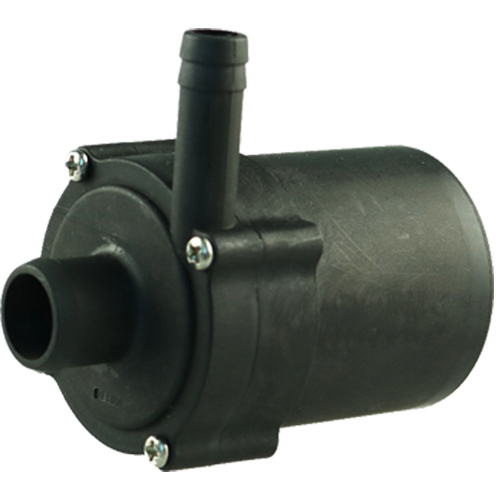
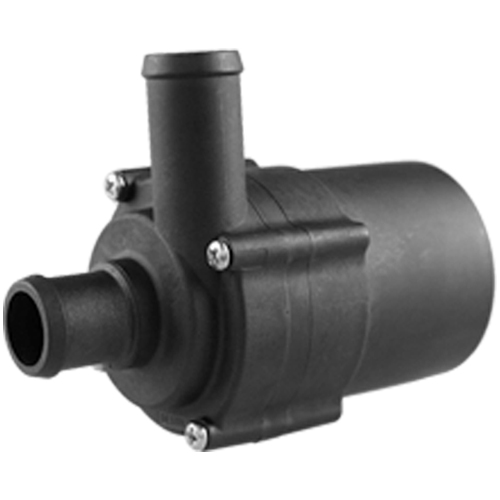
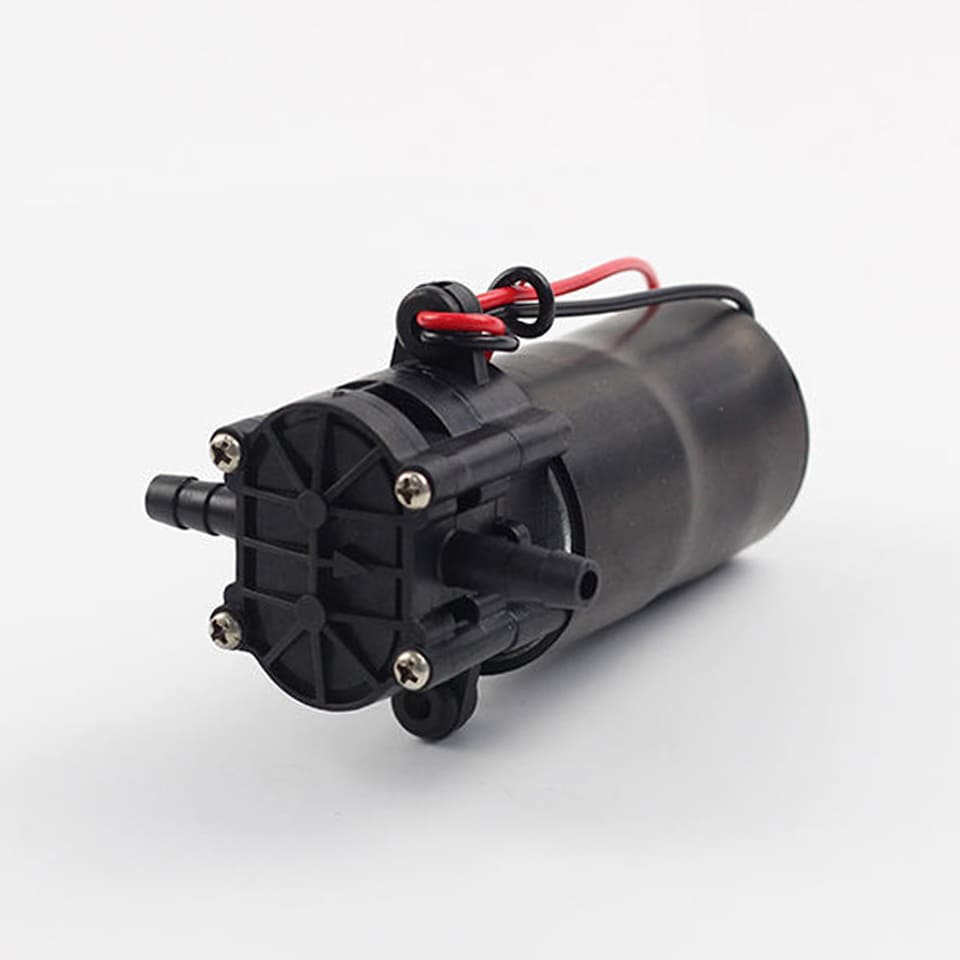
Micro Centrifugal Water Pumps
Micro centrifugal pumps use a rotating impeller to move liquid.
They may be suitable for selected applications involving:
Water-based chemical solutions
General liquid circulation
Auxiliary fluid transfer
Compact liquid handling systems
However, not every chemical liquid is suitable for a standard centrifugal water pump.
The pump’s wetted materials, fluid properties, operating temperature and required pressure must be evaluated before selecting a model.
JIGU’s micro water pumps use brushless DC motors.
Explore JIGU Micro Centrifugal Water Pumps
Key Factors When Selecting a Chemical Transfer Micro Pump
Choosing a pump for chemical processing requires a detailed understanding of the fluid and operating conditions.
The following factors should be considered before making a selection.
1. Chemical Composition and Concentration
The exact chemical composition is one of the most important factors in pump selection.
Different chemicals can react differently with plastics, metals, elastomers and other materials.
Before selecting a pump, identify:
Chemical name
Chemical concentration
Whether the liquid is a pure substance or a mixture
Possible additives or impurities
Whether the fluid composition changes during operation
Two liquids with similar names may have different chemical properties because of differences in concentration or formulation.
Therefore, compatibility should be evaluated using the actual liquid specification rather than a general chemical category.
2. Wetted Material Compatibility
All components that come into contact with the liquid must be chemically compatible with it.
These may include:
Pump housing
Internal gear or impeller components
Diaphragm and valves
Shafts and bearings, where exposed to the fluid
O-rings and seals
Inlet and outlet connections
Common engineering materials used in fluid handling equipment include plastics, metals, ceramics and elastomers.
Examples may include PP, PVDF, POM, stainless steel, EPDM, FKM and PTFE. However, these are general industry material examples, not a statement that every material is available in every JIGU pump model.
The actual compatibility of each material depends on the chemical, concentration, temperature and exposure conditions.
For a general reference, the U.S. Environmental Protection Agency’s Chemical Resistance Guide provides material resistance information for various plastics, elastomers and metals.
Compatibility charts should be treated as preliminary references rather than final approval for a specific pump application. Actual operating conditions and the manufacturer’s material specifications must also be checked.
For a more detailed discussion, see our guide to Micro Pump Materials and Fluid Compatibility.
3. Viscosity and Other Fluid Properties
Chemical liquids can have very different viscosity and flow characteristics.
Before selecting a pump, consider:
Liquid viscosity
Density
Flow characteristics
Suspended particles
Possible crystallization or precipitation
Changes in viscosity with temperature
Gear pumps may be considered for certain liquids where controlled gear-based transfer is required, but the actual viscosity range and operating limits must be confirmed for the selected model.
Similarly, centrifugal and diaphragm pumps have their own operating characteristics and limitations.
The pump should be selected according to the actual liquid rather than assuming one pump technology is suitable for every chemical.
4. Flow Rate and Operating Pressure
The required flow rate and pressure should be determined from the complete fluid system.
Consider:
Required flow under normal operating conditions
Minimum and maximum operating pressure
Tubing length and diameter
Valves and filters
System resistance
Pressure changes during different operating stages
A pump’s maximum flow rate and maximum pressure are not necessarily available at the same operating point.
For a more detailed explanation, read our guide to Micro Pump Flow Rate and Pressure.
5. Temperature and Operating Conditions
Chemical compatibility can change significantly with temperature.
A material that performs well at room temperature may not remain suitable when exposed to a higher process temperature.
Other important conditions include:
Ambient temperature
Liquid temperature
Operating duration
Start-stop frequency
Continuous or intermittent operation
Installation environment
The pump’s allowable operating temperature and pressure must be checked together with the chemical compatibility of all wetted components.
6. Leakage Risk and System Design
When handling chemical liquids, leakage prevention is an important part of equipment design.
Magnetic drive pumps eliminate the need for a conventional dynamic shaft seal between the motor and pump chamber. This can help reduce one potential leakage path.
However, other parts of the system still require attention, including:
Static seals
Inlet and outlet connections
Tubing joints
Pump housing interfaces
Installation and mounting conditions
The overall leakage risk depends on the complete pump and fluid system, not only the pump’s drive arrangement.
For applications involving hazardous or corrosive chemicals, the equipment manufacturer should also evaluate the appropriate containment, ventilation and safety requirements.
OEM Customization for Chemical Fluid Handling Equipment
For OEM equipment manufacturers, selecting a suitable pump often requires coordination between fluid performance, material compatibility and mechanical integration.
Depending on the selected model and technical evaluation, OEM requirements may involve:
Flow rate and pressure
Brushless or brushed motor configuration
Voltage and electrical connections
Pump housing and wetted materials
Inlet and outlet connections
Installation dimensions
Wiring and connector arrangements
Not every option is available for every pump model. Customization should be evaluated according to the actual application and engineering feasibility.
A practical OEM development process generally includes:
1. Reviewing the chemical liquid and equipment application
2. Confirming the required flow rate and pressure
3. Evaluating material compatibility
4. Selecting a suitable standard pump model
5. Reviewing installation and electrical requirements
6. Testing samples under representative operating conditions
If the complete specifications are not yet available, customers can initially provide the chemical name, concentration, equipment application, target flow rate and operating temperature.
Drawings, photographs or existing pump samples can also help with the initial evaluation.
For more information, read our guide to Micro Pump Customization for OEM Applications.
Common Mistakes When Selecting Chemical Transfer Pumps
Several common mistakes can lead to pump damage, unstable performance or unexpected maintenance requirements.
Choosing a Pump Based Only on Housing Material
Chemical compatibility must be checked for all wetted components, not only the external pump housing.
Diaphragms, valves, seals and internal components may have different material requirements.
Assuming One Material Is Compatible with All Chemicals
No single material should be assumed suitable for every chemical.
Compatibility depends on chemical composition, concentration, temperature and exposure conditions.
Ignoring Changes in Fluid Properties
A chemical mixture may behave differently from its individual components.
Changes in concentration, temperature or formulation can affect both compatibility and pump performance.
Selecting a Pump Based Only on Maximum Flow
The actual operating point depends on pressure and system resistance.
The pump must be evaluated under the intended operating conditions.
Assuming Magnetic Drive Means Zero Leakage
Magnetic coupling removes the conventional dynamic shaft seal between the motor and pump chamber, but other sealing interfaces remain.
The complete fluid system must still be evaluated for leakage risk.
Why Consider JIGU for OEM Chemical Fluid Handling Projects?
JIGU is a micro pump manufacturer based in Ningbo, China, with manufacturing experience dating back to 1990.
The company offers three main product categories:
Micro centrifugal water pumps
Micro diaphragm pumps
Magnetic drive gear pumps
Among these products, magnetic drive gear pumps are an important option for evaluating selected chemical liquid transfer applications.
Depending on the fluid properties and technical requirements, diaphragm pumps and centrifugal pumps may also be considered for other chemical fluid handling functions.
JIGU focuses on OEM cooperation and can evaluate customer requirements involving flow rate, pressure, motor configuration, materials, electrical connections and installation dimensions.
Micro water pumps use brushless motors. Brushless motor configurations are also the main offering for diaphragm pumps and magnetic drive gear pumps, with brushed options available for selected models.
For chemical handling projects, the actual liquid specification is particularly important.
Customers are encouraged to provide:
Chemical name and concentration
Operating temperature
Required flow rate and pressure
Expected working cycle
Available installation space
Expected order quantity
The JIGU team can then evaluate possible pump configurations and discuss suitable standard models or customization options.
Final pump selection should be confirmed through technical review and sample testing under representative operating conditions.

Frequently Asked Questions
What type of micro pump is suitable for chemical liquid transfer?
The suitable pump depends on the chemical properties, required flow rate, pressure, viscosity and material compatibility.
Magnetic drive gear pumps, diaphragm pumps and centrifugal pumps may all be considered for different applications.
Can magnetic drive gear pumps handle chemical liquids?
Magnetic drive gear pumps may be suitable for selected chemical liquid applications.
However, compatibility must be confirmed for the pump housing, internal components, bearings, seals and all other wetted materials under the actual operating conditions.
Are magnetic drive gear pumps leak-free?
Magnetic coupling eliminates the need for a conventional dynamic shaft seal between the motor and pump chamber, helping reduce potential leakage paths.
However, it does not guarantee that the complete pump system is absolutely leak-free. Static seals and fluid connections must also be considered.
How do I check whether a micro pump is compatible with my chemical?
Start by identifying the exact chemical composition, concentration and operating temperature.
Then check the compatibility of every wetted component, including the housing, internal parts, seals and connections.
For demanding applications, material confirmation and testing under representative conditions are recommended.
Can JIGU customize micro pumps for chemical processing equipment?
JIGU can evaluate OEM requirements involving flow rate, pressure, motor configuration, wetted materials, electrical connections and installation dimensions.
Available customization options depend on the selected pump model and technical feasibility.
What information should I provide for a chemical pump inquiry?
Useful information includes:
Chemical name and concentration
Required flow rate
Operating pressure
Liquid temperature
Viscosity, if known
Operating cycle
Required voltage
Installation dimensions
Expected order quantity
A technical data sheet or safety data sheet (SDS) for the liquid can also help with the initial evaluation.
Contact JIGU for Your OEM Chemical Pump Project
Looking for a compact pump for chemical processing or fluid handling equipment?
Contact JIGU to discuss your application and technical requirements.
Our team can help evaluate suitable micro centrifugal water pumps, diaphragm pumps and magnetic drive gear pumps for your OEM project.
Share your chemical specifications and equipment requirements to start evaluating a suitable pump solution.
Related Products
Reach Out Today
Looking for a micro pump manufacturer for your project? Contact JIGU Pump to discuss your application requirements and get a suitable pump recommendation and quotation.

Share Your Requirements
Share your application requirements, technical specifications, drawings, or reference images with our team.

Receive a Solution & Quotation
Our team will review your requirements and provide a suitable pump recommendation and quotation.

Confirm & Start Production
After sample approval and order confirmation, we proceed with production and arrange shipment according to the agreed schedule.