
Micro Pump Reliability and Service Life: What OEM Manufacturers Should Know
Micro Pump Reliability and Service Life: What OEM Manufacturers Should Know
When selecting a micro pump for OEM equipment, performance is only part of the decision. Manufacturers also need to consider how reliably the pump will operate over time and how its service life may affect equipment maintenance, product quality and operating costs.
A pump that meets the required flow rate and pressure during initial testing may perform differently after extended operation. Factors such as motor design, internal components, fluid properties, operating pressure, temperature and installation conditions can all influence long-term reliability.
For OEM manufacturers, understanding these factors early can help reduce unexpected failures and improve the overall reliability of the finished equipment.
This article explains what affects micro pump reliability and service life, compares the considerations for different pump types, and introduces practical approaches to evaluating pump durability during product development.
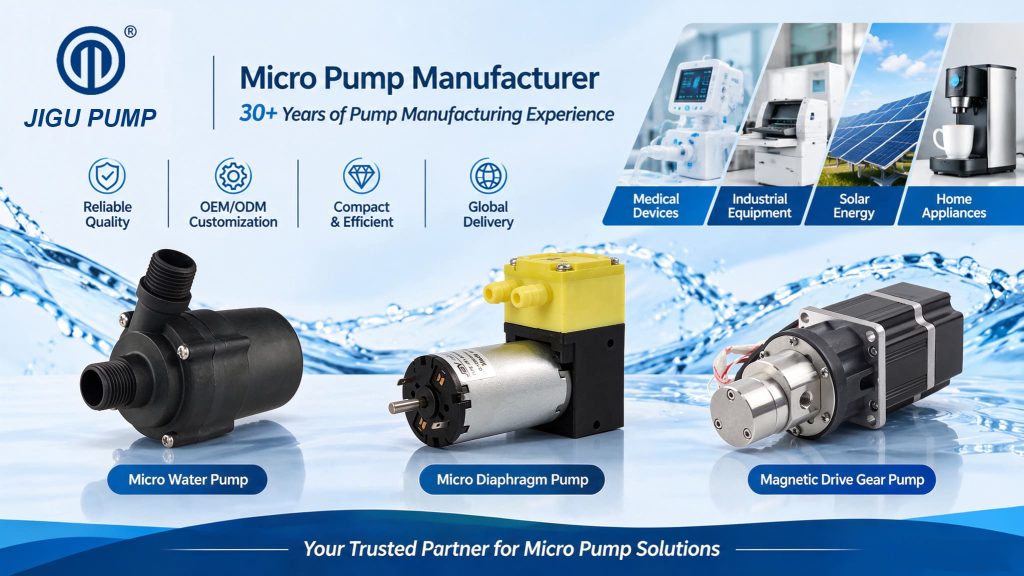
1. What Do Micro Pump Reliability and Service Life Mean?
Reliability and service life are related, but they describe different aspects of pump performance.
Reliability
Reliability refers to the ability of a pump to perform its required function under specified operating conditions over a defined period.
For an OEM application, this may mean maintaining the required flow rate and pressure without unacceptable leakage, abnormal noise, electrical problems or mechanical failure.
Reliability should always be evaluated against clearly defined operating conditions and acceptance criteria.
Service Life
Service life refers to how long a pump can remain suitable for its intended application before it reaches a defined failure or performance limit.
Depending on the product and test method, service life may be expressed in:
Operating hours
Pumping cycles
Start-stop cycles
Calendar time under specified conditions
These measurements are not interchangeable. For example, a pump used intermittently may accumulate fewer operating hours but experience many startup cycles.
Continuous Operation Is Not the Same as Service Life
A pump described as suitable for continuous operation is designed to operate without scheduled rest periods under specified conditions.
However, continuous-duty capability does not mean unlimited operating life. Actual service life still depends on operating load, fluid properties, temperature, electrical conditions and the durability of internal components.
When evaluating a pump, OEM manufacturers should ask not only whether it supports continuous operation, but also under what conditions its service life has been tested.
2. Key Factors That Affect Micro Pump Service Life
There is no single factor that determines the service life of a micro pump. Several mechanical, electrical and fluid-related conditions work together.
Operating Pressure and Flow Rate
Operating pressure and flow rate directly affect the workload of a pump.
A pump operating continuously near demanding pressure or flow conditions may experience greater mechanical and thermal stress than one operating under a lighter load.
For positive-displacement pumps, excessive pressure can increase the load on the motor and internal components. For centrifugal pumps, unsuitable operating conditions may lead to hydraulic problems such as cavitation or internal recirculation.
Pump selection should therefore be based on the actual operating point rather than only the maximum rated flow rate or pressure.
Operating Temperature
Temperature can affect motors, bearings, seals, diaphragms, valves and other materials.
High operating temperatures may accelerate material aging, affect lubrication and increase electrical stress. Temperature changes can also alter the viscosity and vapor pressure of the pumped liquid.
Both ambient temperature and fluid temperature should be considered during pump selection and testing.
Fluid or Gas Properties
The properties of the working medium can significantly influence pump durability.
For liquid applications, important factors include:
Chemical compatibility
Viscosity
Temperature
Corrosiveness
Suspended particles or contaminants
Tendency to crystallize or leave deposits
For gas applications, moisture, dust, corrosive components and operating pressure may affect internal components and valve performance.
The pump’s wetted materials and internal design should be evaluated against the actual medium rather than assuming that a pump is compatible with every liquid or gas.
Operating Cycle and Frequency of Starts
Not every OEM application requires continuous operation.
Some equipment operates for several hours at a time, while other devices switch the pump on and off frequently.
Repeated startup and shutdown may introduce additional electrical and mechanical stress. For diaphragm pumps, repeated pressure cycles also affect the diaphragm and valve assembly.
When evaluating service life, it is important to consider both accumulated running hours and the number of operating cycles.
Installation and System Design
Poor installation can create unnecessary stress even when the pump itself is correctly selected.
Potential problems include:
Excessive force on inlet and outlet connections
Restricted inlet or outlet passages
Unstable fluid supply
Excessive vibration
Poor heat dissipation
Incorrect mounting orientation
Inadequate support for connected tubing
The pump should be evaluated as part of the complete equipment system, not as an isolated component.
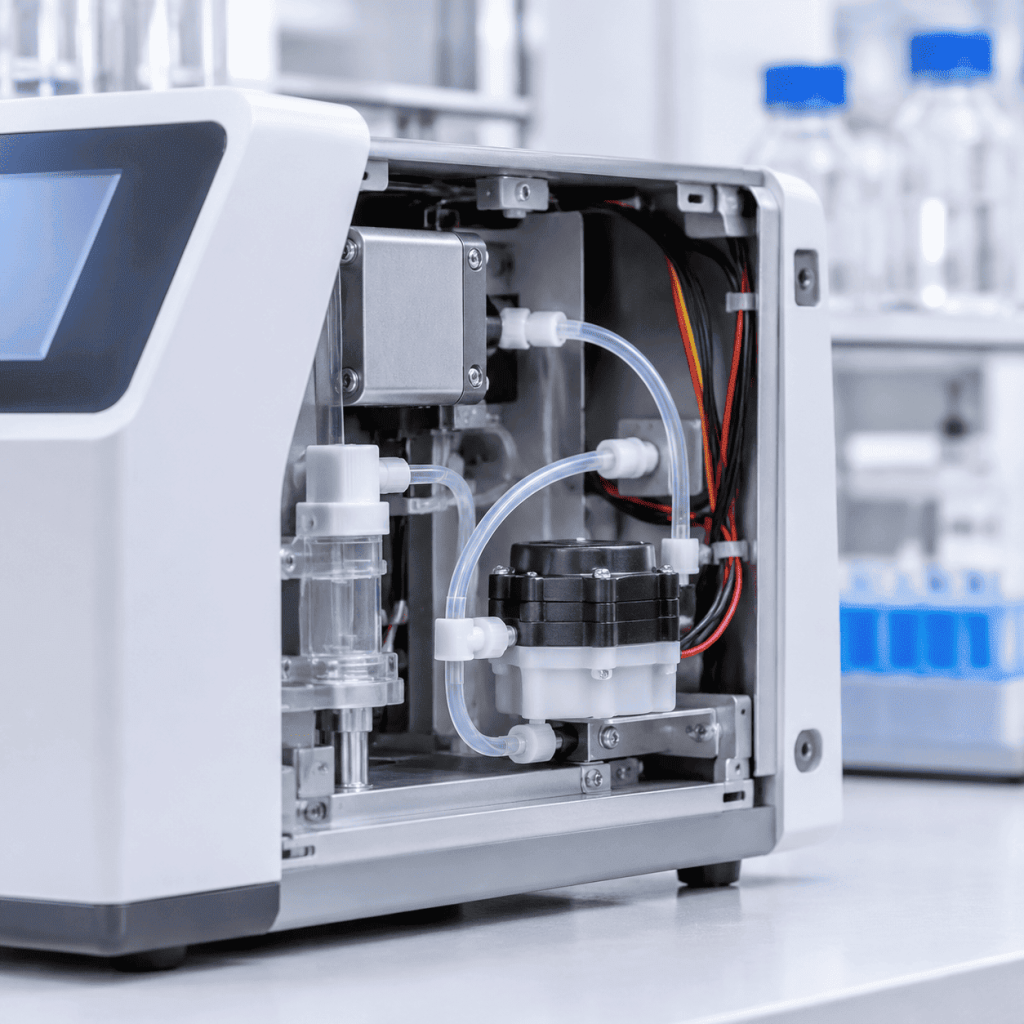
3. How Different Micro Pump Types Affect Reliability
Different pumping mechanisms have different internal components and potential wear mechanisms. Understanding these differences helps OEM manufacturers evaluate the most relevant reliability factors.
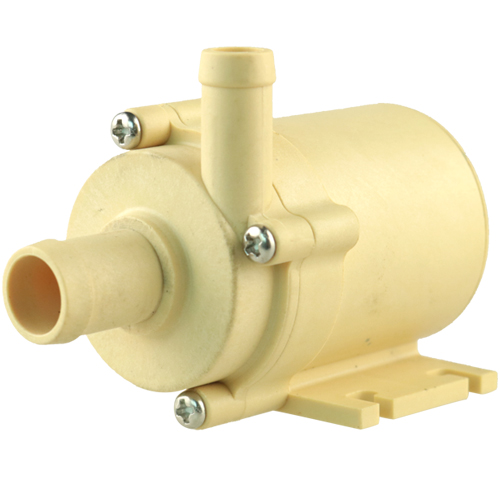
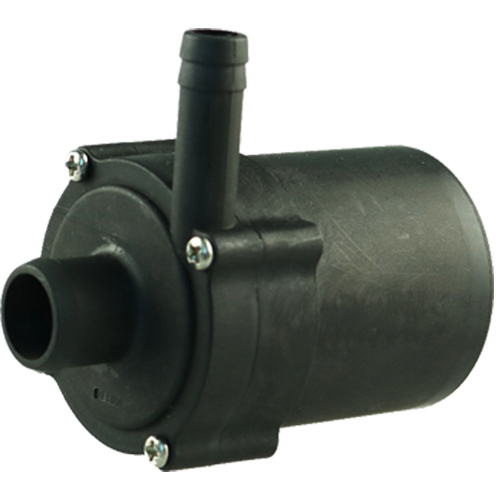
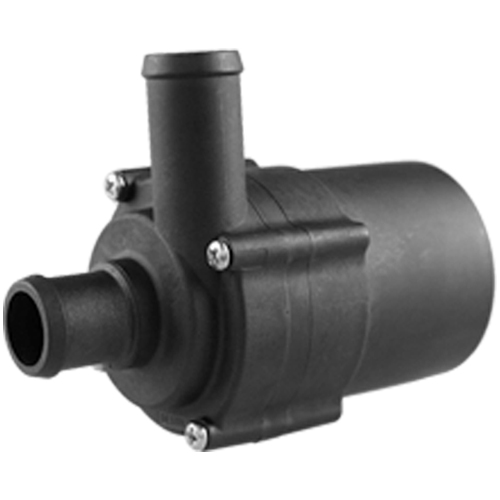
Micro Centrifugal Water Pumps
Micro centrifugal water pumps use a rotating impeller to transfer liquid.
Their reliability may be influenced by:
Motor and bearing durability
Impeller and housing design
Liquid cleanliness
Inlet pressure and suction conditions
Operating temperature
Cavitation and internal recirculation
For example, inadequate inlet conditions can cause cavitation in centrifugal pumps. Sustained cavitation may damage the impeller and contribute to vibration and bearing wear.
The U.S. Department of Energy’s Improving Pumping System Performance guide explains how cavitation and unsuitable operating conditions can affect pump reliability.
For OEM applications, proper inlet design, suitable operating conditions and compatible materials are important for long-term performance.
Explore JIGU micro centrifugal water pumps for compact liquid circulation and cooling applications.
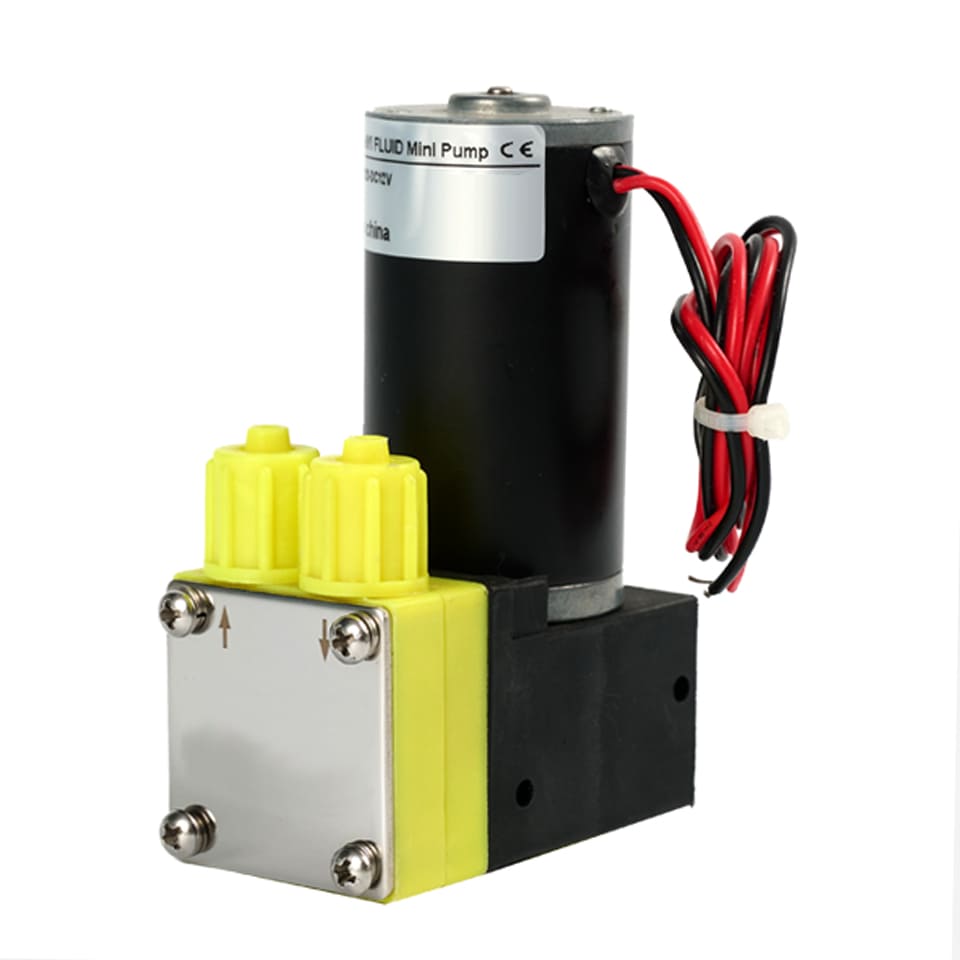
Micro Diaphragm Pumps
Micro diaphragm pumps use repeated diaphragm movement to transfer liquid or gas.
Their service life may be influenced by:
Diaphragm material and mechanical fatigue
Inlet and outlet valve performance
Operating pressure
Frequency of start-stop cycles
Fluid or gas compatibility
Motor and bearing durability
For liquid diaphragm pumps, chemical compatibility and the condition of the pumped liquid are particularly important.
For gas diaphragm pumps, operating pressure, vacuum requirements, contamination and valve conditions should also be evaluated.
The diaphragm is an important wear-related component, but it is not necessarily the only factor limiting the life of the complete pump.
Explore JIGU micro diaphragm pumps for liquid transfer, air supply and vacuum applications.
Magnetic Drive Gear Pumps
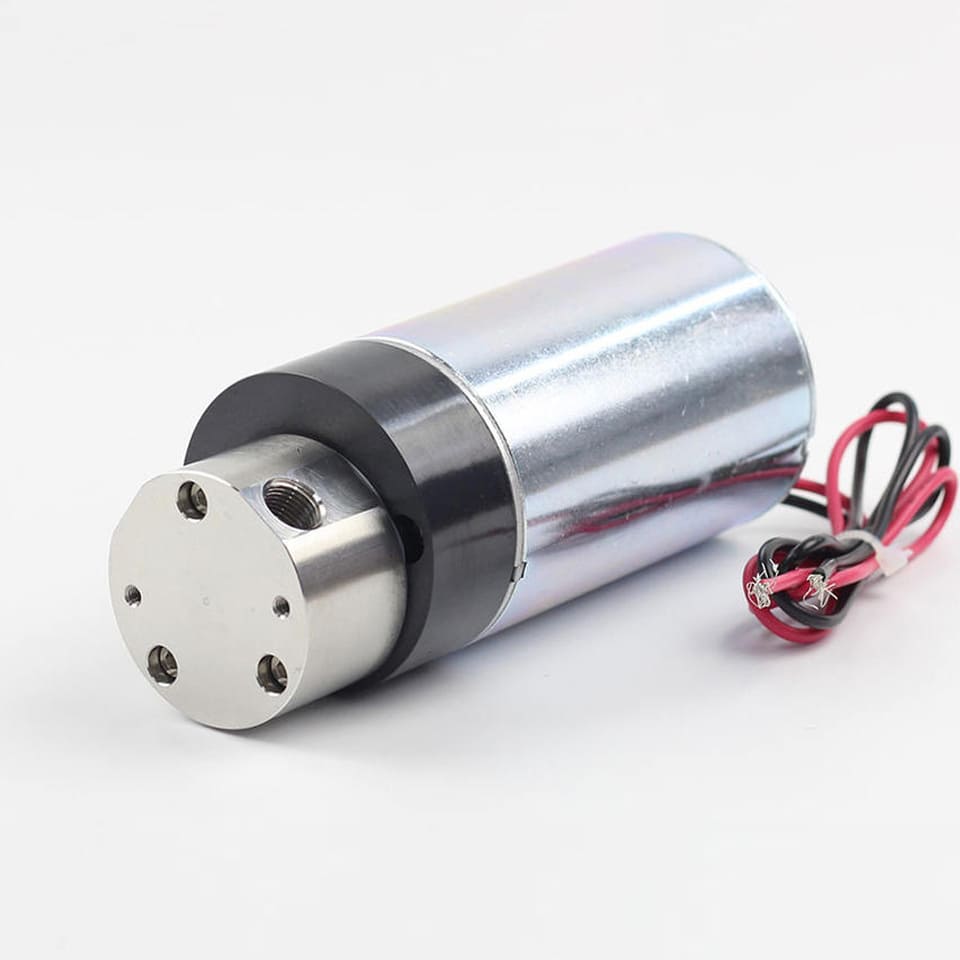
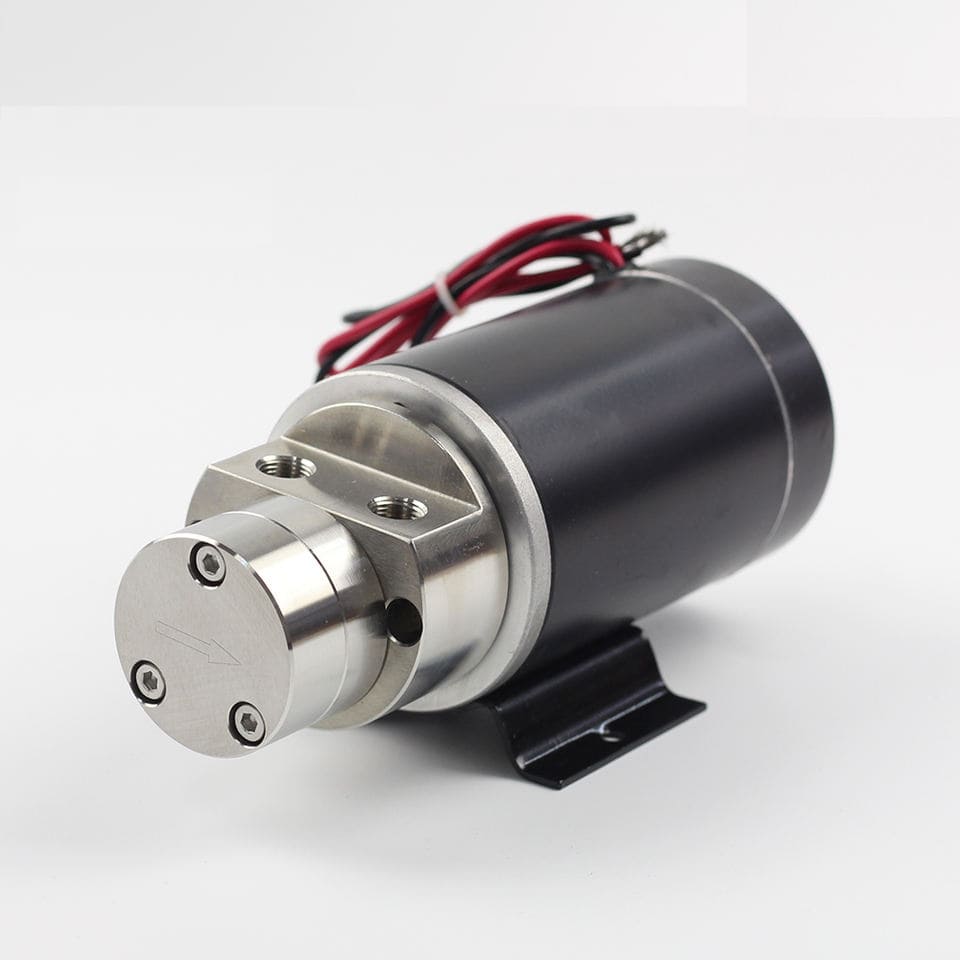
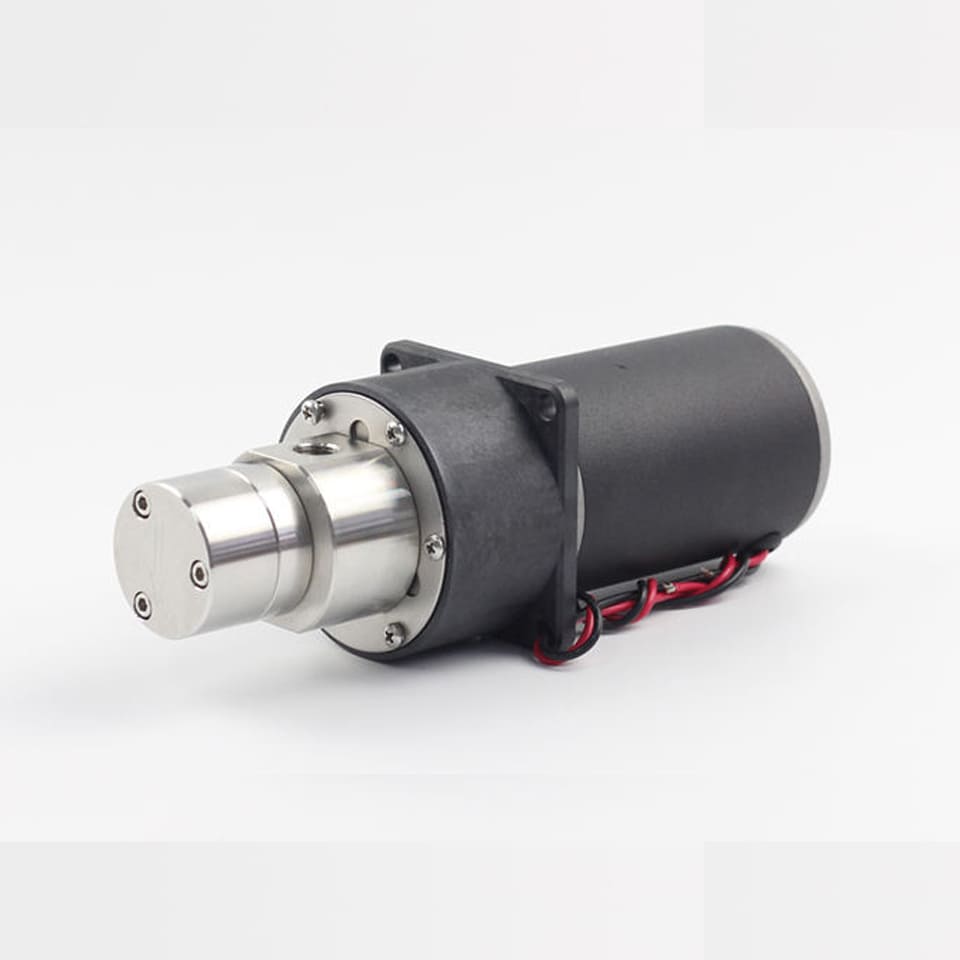
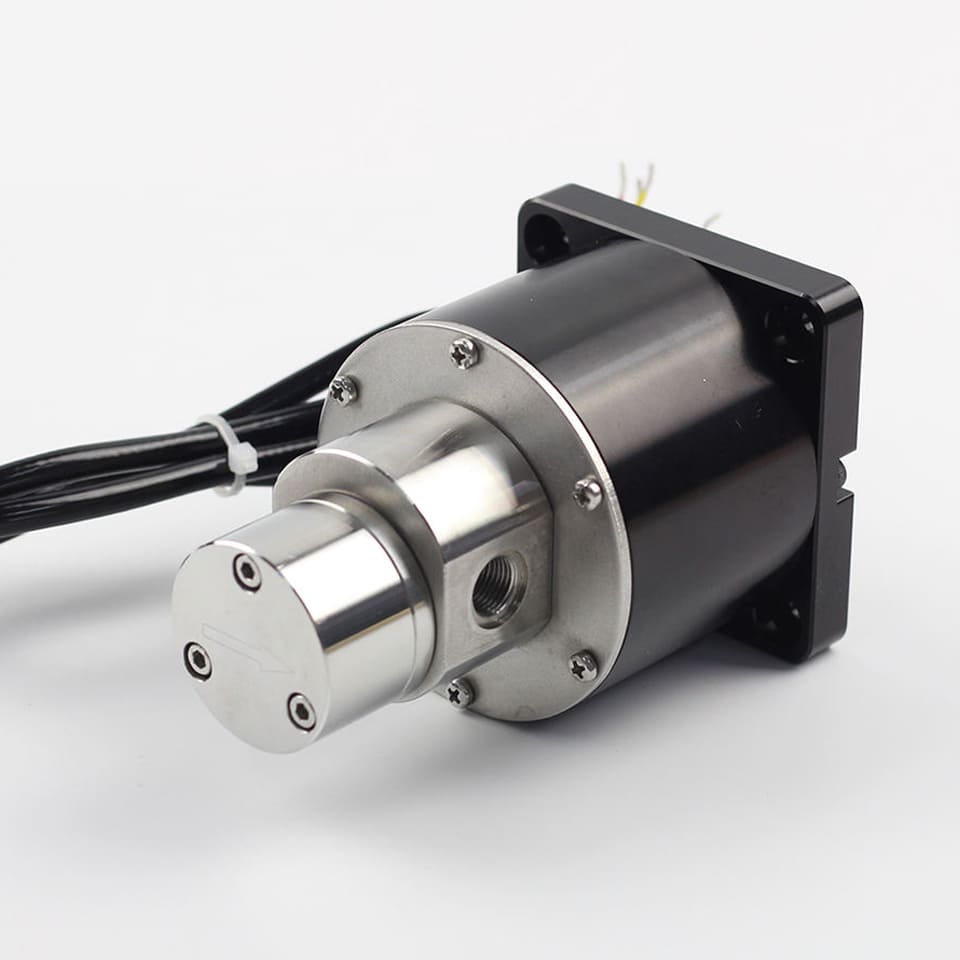
Magnetic drive gear pumps combine a magnetic coupling with a gear pumping mechanism.
Their reliability may depend on:
Gear and bearing materials
Magnetic coupling design
Liquid viscosity
Chemical compatibility
Operating pressure and speed
Fluid cleanliness
Temperature and lubrication conditions
Gear pumps may experience internal wear if the liquid contains unsuitable particles or if the operating conditions exceed the design limits.
The magnetic coupling eliminates the need for a conventional dynamic shaft seal between the motor and pump chamber, helping reduce one potential leakage path. However, it does not eliminate wear in the internal pumping mechanism or the need to evaluate static seals and fluid connections.
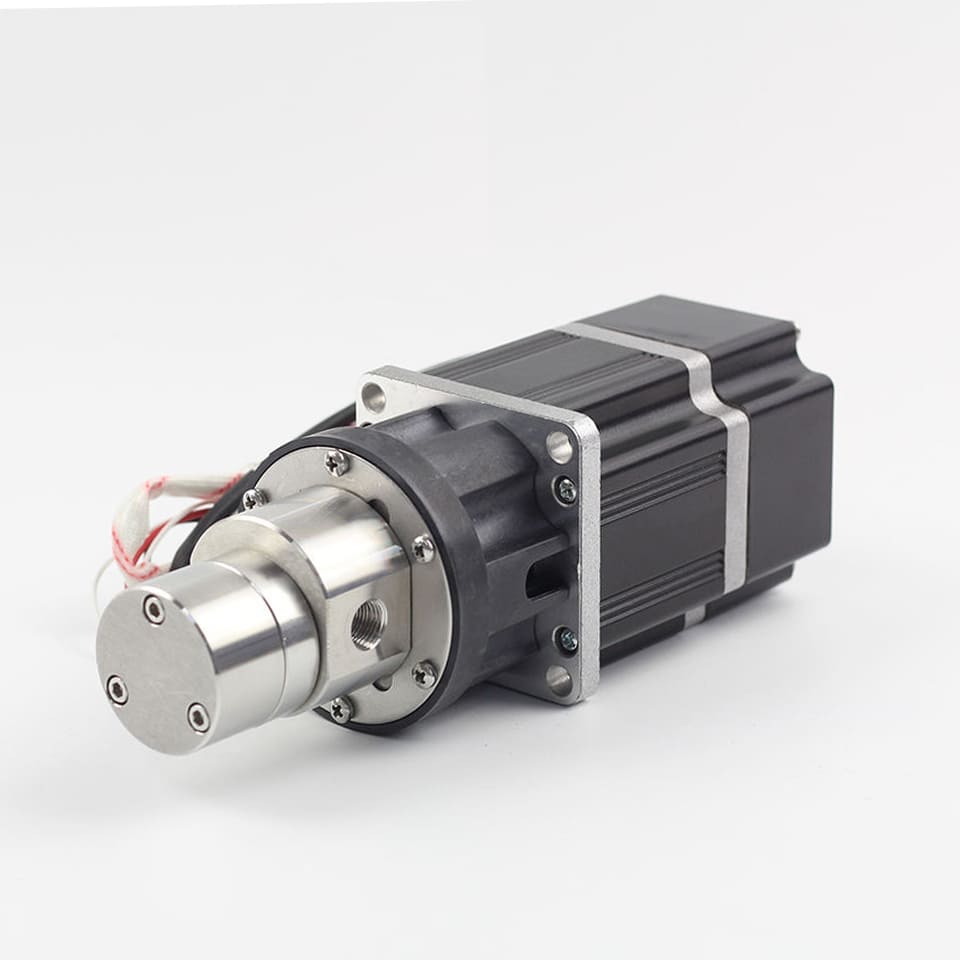
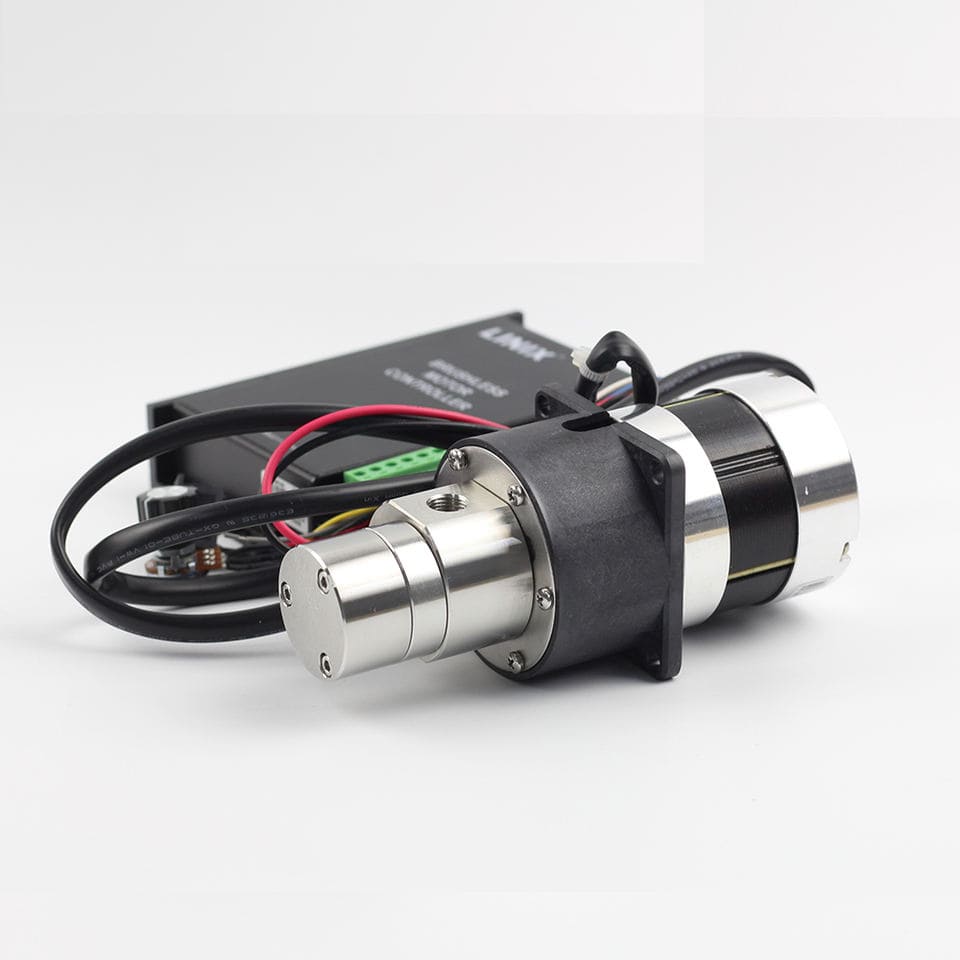
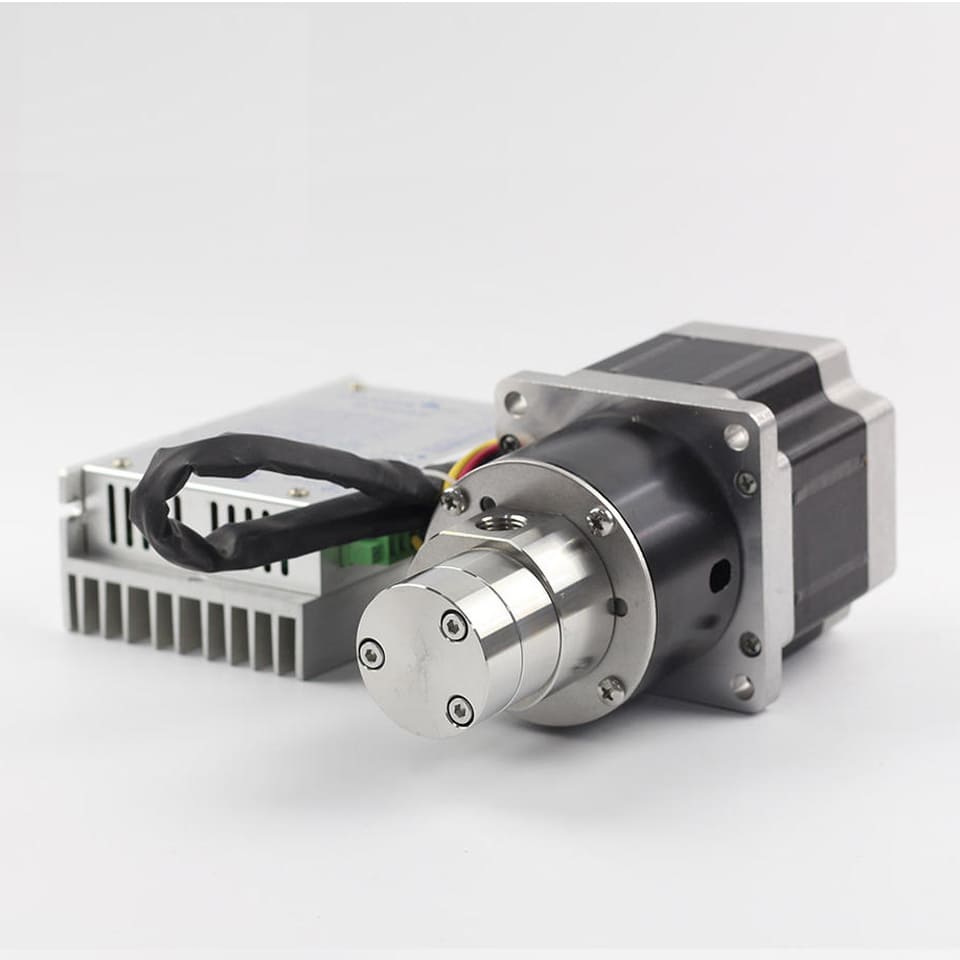
Explore JIGU magnetic drive gear pumps for compact OEM liquid transfer applications.
4. Brushless vs. Brushed Motors: What Does Motor Type Mean for Pump Life?
Motor configuration is an important consideration when evaluating micro pump reliability..
Brushless and brushed DC motors use different commutation methods, which create different wear mechanisms and maintenance considerations.
Brushed DC Motors
Brushed DC motors use physical brushes and a commutator to transfer electrical current to the rotating part of the motor.
Because the brushes make mechanical contact during operation, they gradually wear over time.
Potential considerations include:
Brush and commutator wear
Electrical contact conditions
Operating speed
Motor temperature
Running hours and startup frequency
For applications with moderate operating hours and straightforward control requirements, a suitable brushed motor may still be a practical option.
Brushless DC Motors
Brushless DC motors use electronic commutation instead of mechanical brushes.
Removing brush contact eliminates one mechanical wear mechanism and can make brushless motors suitable for applications requiring extended operation or reduced brush-related maintenance.
Other potential advantages include:
No mechanical brush replacement
Electronic speed control, where supported
Reduced brush-related electrical noise
Suitability for certain long-running applications
However, a brushless motor does not automatically guarantee a longer service life for the complete pump.
Bearings, windings, drive electronics and the pump’s internal mechanical components can still determine overall durability.
Choosing the Right Motor Configuration
The right motor configuration depends on the application rather than motor type alone.
OEM manufacturers should consider:
Required operating hours
Startup and shutdown frequency
Available power supply
Speed control requirements
Installation environment
Maintenance expectations
Total equipment cost
For long-running equipment or applications where pump replacement is difficult, brushless configurations may be worth evaluating.
However, the complete pump should always be tested under the intended operating conditions before making a service-life judgment.
5. How to Evaluate Micro Pump Reliability and Durability
A pump’s reliability should be supported by testing rather than assumptions based only on its design or motor type.
For OEM projects, several types of testing may be useful.
Continuous Running Tests
A continuous running test evaluates whether a pump can operate for an extended period under specified conditions.
The test should define:
Supply voltage
Flow rate
Working pressure or vacuum
Fluid or gas
Ambient temperature
Medium temperature
Operating speed, where applicable
Test duration
Performance should be monitored during the test rather than checking only whether the motor continues running.
Start-Stop Cycle Tests
For equipment that operates intermittently, start-stop testing may be more representative than continuous operation alone.
The test should consider the expected startup frequency, operating duration and shutdown interval.
This is particularly relevant for equipment that activates the pump automatically according to a sensor, control program or user operation.
Performance Stability Tests
A pump may continue operating while its performance gradually changes.
Useful parameters to monitor include:
Flow rate
Pressure or vacuum performance
Operating current
Temperature
Noise and vibration
Leakage or abnormal fluid behavior
Comparing initial and final measurements can help identify performance changes during extended operation.
Testing Under Actual Application Conditions
A laboratory test under one set of conditions cannot represent every possible application.
For example, a pump tested with clean water at room temperature may behave differently when handling another liquid at a higher temperature or viscosity.
For OEM equipment, validation should reproduce the expected working conditions as closely as practical.
The Hydraulic Institute’s pump FAQs also discuss the importance of monitoring operating conditions, vibration, noise and temperature when maintaining pumping systems.
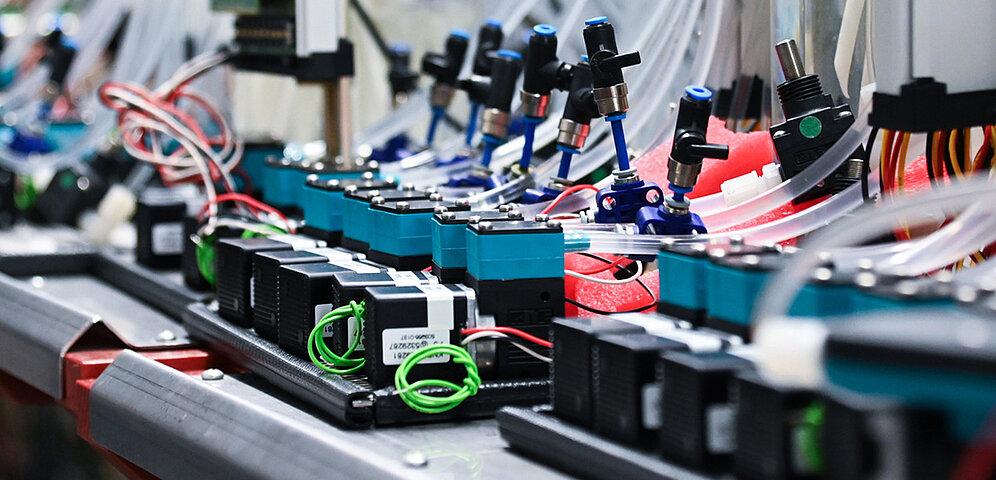
6. How OEM Manufacturers Can Improve Pump Reliability
Pump reliability should be considered during equipment development, not only after a failure occurs.
The following practices can help reduce unnecessary stress and improve long-term operating stability.
Select the Pump Based on Actual Requirements
Avoid selecting a pump only by its maximum flow rate or pressure.
Instead, define the required operating point and consider the full system resistance, inlet conditions and operating cycle.
A pump that operates within a suitable performance range is generally a better starting point for reliability than one selected without considering the actual system.
Confirm Material Compatibility
Confirm that the pump’s wetted materials are suitable for the intended medium.
This includes the pump housing, diaphragm, valves, seals, gears and other components that may contact the fluid.
Chemical compatibility should be evaluated together with concentration, temperature and exposure time.
Provide Suitable Installation Conditions
Ensure that the pump is installed according to its mechanical and fluid connection requirements.
Avoid unnecessary stress on ports and tubing, provide adequate ventilation and consider vibration isolation where appropriate.
Good installation helps prevent problems that may otherwise be incorrectly attributed to pump quality.
Define a Realistic Operating Profile
Provide the pump manufacturer with a clear description of how the equipment will operate.
Important information includes:
Daily operating hours
Continuous or intermittent operation
Expected start-stop frequency
Required flow and pressure
Ambient and medium temperatures
Expected service environment
This information helps the manufacturer evaluate whether a proposed pump configuration is suitable for the intended duty.
Validate the Complete Equipment
Whenever possible, test the pump after it has been integrated into the final equipment.
The mounting structure, tubing, electrical control system and surrounding components may affect operating temperature, vibration and performance.
Testing the complete system can reveal problems that are not visible during standalone pump testing.
7. What Should OEM Buyers Ask a Micro Pump Manufacturer?
When evaluating a micro pump for a new project, buyers should ask more than simply how many hours the pump can operate.
The following questions can help clarify the actual reliability requirements.
1. Under what conditions was the pump’s service life evaluated?
2. Was the test performed under continuous or intermittent operation?
3. What flow rate and pressure were used during testing?
4. Which fluid or gas was used?
5. What were the ambient and medium temperatures?
6. Were the results based on motor life or complete pump life?
7. Were multiple samples tested?
8. What performance changes were monitored during the test?
9. Are any internal components considered wear-related parts?
10. Can the pump be evaluated under the intended OEM application conditions?
These questions help buyers compare technical information more accurately and avoid relying on service-life figures without understanding their test conditions.
8. Why Work with JIGU for OEM Micro Pump Solutions?
JIGU manufactures micro centrifugal water pumps, micro diaphragm pumps and magnetic drive gear pumps for OEM equipment manufacturers.
With experience in micro pump development and manufacturing, JIGU can help customers evaluate pump configurations according to their application requirements.
For OEM projects, relevant considerations include:
Required flow rate and pressure
Motor configuration
Fluid or gas properties
Material compatibility
Installation dimensions
Inlet and outlet connections
Operating conditions
Expected service requirements
JIGU’s micro water pumps use brushless DC motors. Brushless configurations are also a main option for diaphragm pumps and magnetic drive gear pumps, while brushed motor options can be considered for the latter two product types depending on the model.
If your equipment requires extended operating hours, specific performance stability or particular fluid compatibility, these requirements should be discussed during the initial pump selection process.
JIGU can evaluate available standard models and discuss possible customization according to the actual application and technical requirements.
Contact JIGU to discuss your OEM micro pump project.
9. Frequently Asked Questions
1. How long does a micro pump usually last?
There is no universal service-life value for all micro pumps. Actual life depends on pump construction, motor configuration, operating pressure, flow rate, medium, temperature and operating cycle. Always evaluate a service-life figure together with its test conditions.
2. Does a brushless micro pump last longer than a brushed pump?
Brushless motors eliminate mechanical brush wear, which can be beneficial for certain long-running applications. However, the service life of the complete pump also depends on bearings, internal pumping components, materials, operating conditions and drive electronics.
3. Can a micro pump operate continuously?
Some micro pumps are designed for continuous operation under specified conditions. However, continuous-duty capability does not mean that the pump can operate indefinitely or under any pressure, temperature or medium conditions. Confirm the manufacturer’s operating specifications for the selected model.
4. What factors can shorten the service life of a micro diaphragm pump?
Potential factors include unsuitable fluid or gas conditions, excessive pressure, frequent start-stop cycles, high temperature, diaphragm fatigue and valve wear. Correct pump selection and application testing are important for evaluating expected service life.
5. Does fluid compatibility affect pump reliability?
Yes. An incompatible liquid can damage wetted materials, seals, diaphragms or other internal components. Compatibility should be evaluated according to the medium’s chemical properties, concentration, temperature and exposure conditions.
6. Is a continuous running test enough to confirm pump reliability?
Not necessarily. Continuous testing provides useful information about extended operation, but other tests may be required depending on the application. These can include start-stop cycling, performance stability, leakage, temperature and testing under actual operating conditions.
Conclusion
Micro pump reliability depends on the complete pump design and its operating environment. Motor configuration, internal components, fluid properties, pressure, temperature and installation conditions all contribute to long-term performance.
For OEM manufacturers, the best approach is to define the actual operating requirements early, select a suitable pump configuration and validate performance under representative application conditions.
By considering reliability during the equipment development process, manufacturers can make better pump selection decisions and reduce the risk of unexpected operating problems.
Related Products
Reach Out Today
Looking for a micro pump manufacturer for your project? Contact JIGU Pump to discuss your application requirements and get a suitable pump recommendation and quotation.

Share Your Requirements
Share your application requirements, technical specifications, drawings, or reference images with our team.

Receive a Solution & Quotation
Our team will review your requirements and provide a suitable pump recommendation and quotation.

Confirm & Start Production
After sample approval and order confirmation, we proceed with production and arrange shipment according to the agreed schedule.