
Micro Pump Customization: What Can Be Customized for OEM Applications?
Micro Pump Customization: What Can Be Customized for OEM Applications?
When integrating a micro pump into a piece of equipment, a standard model may meet most of the application requirements but still need some adjustments. The required flow rate, operating pressure, fluid compatibility, electrical connection or installation dimensions may differ from the standard configuration.
This is where micro pump customization becomes important for OEM equipment manufacturers.
Instead of developing a completely new pump from the beginning, many OEM projects can start with an existing pump model and evaluate whether selected components or specifications can be adjusted to better match the equipment.
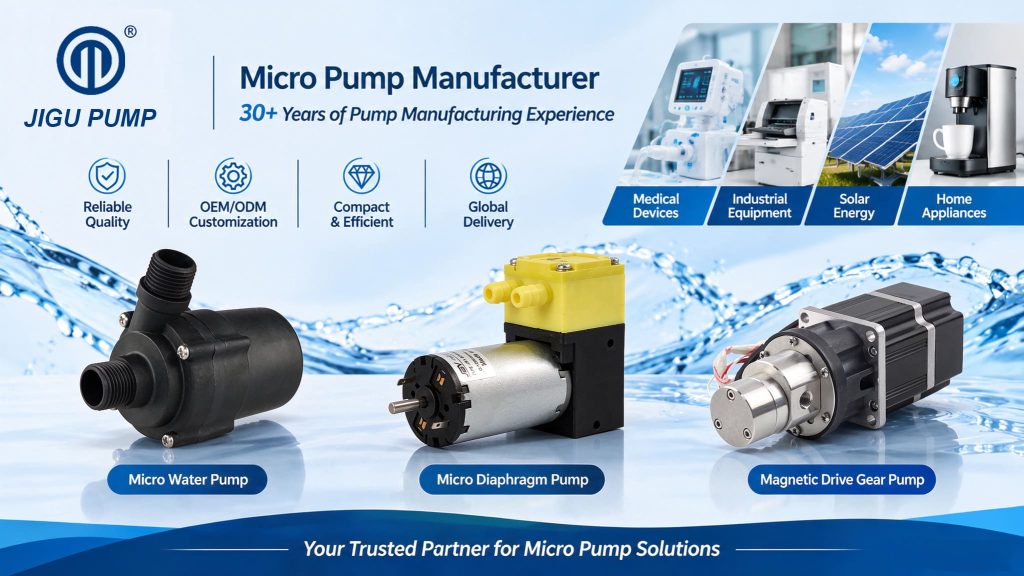
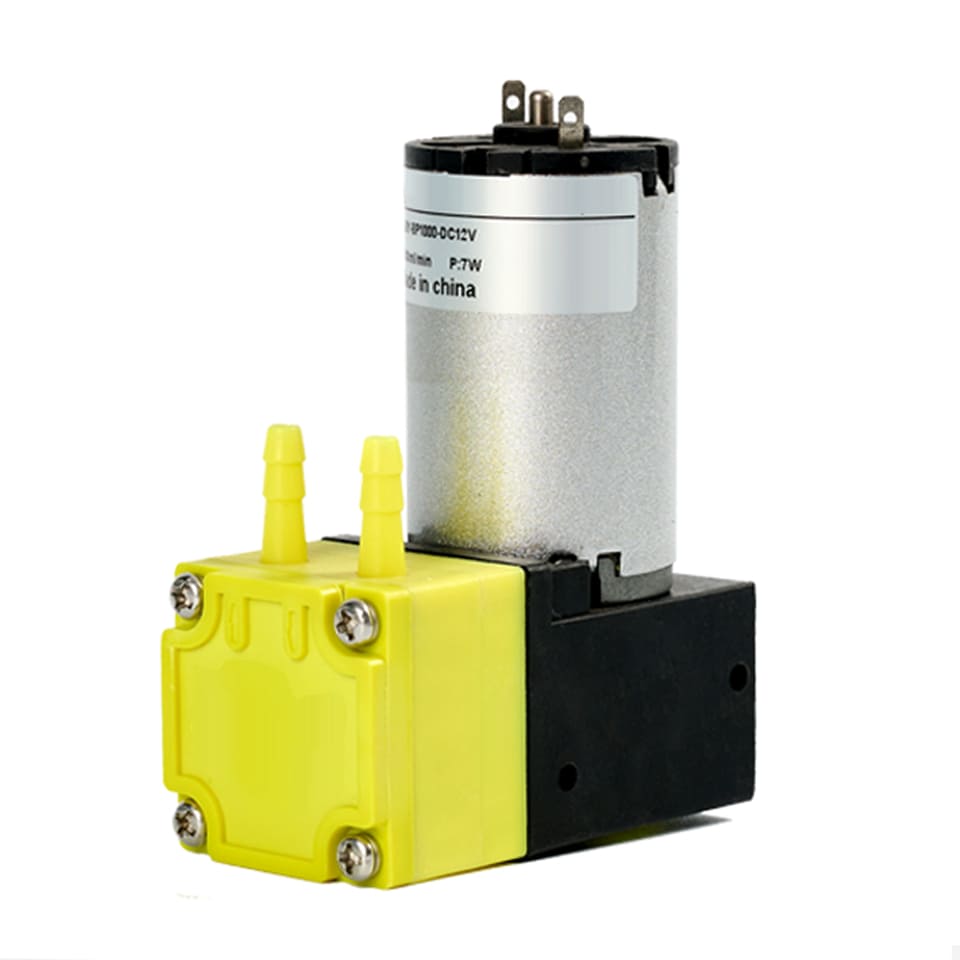
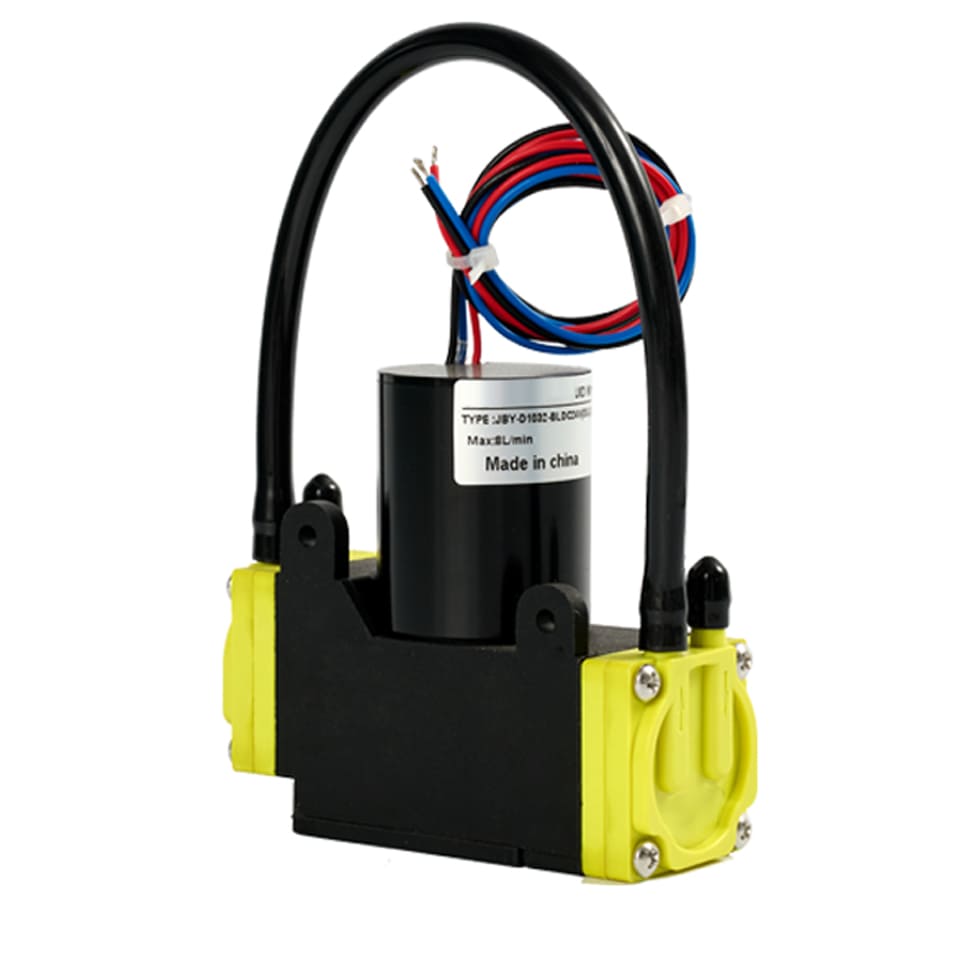
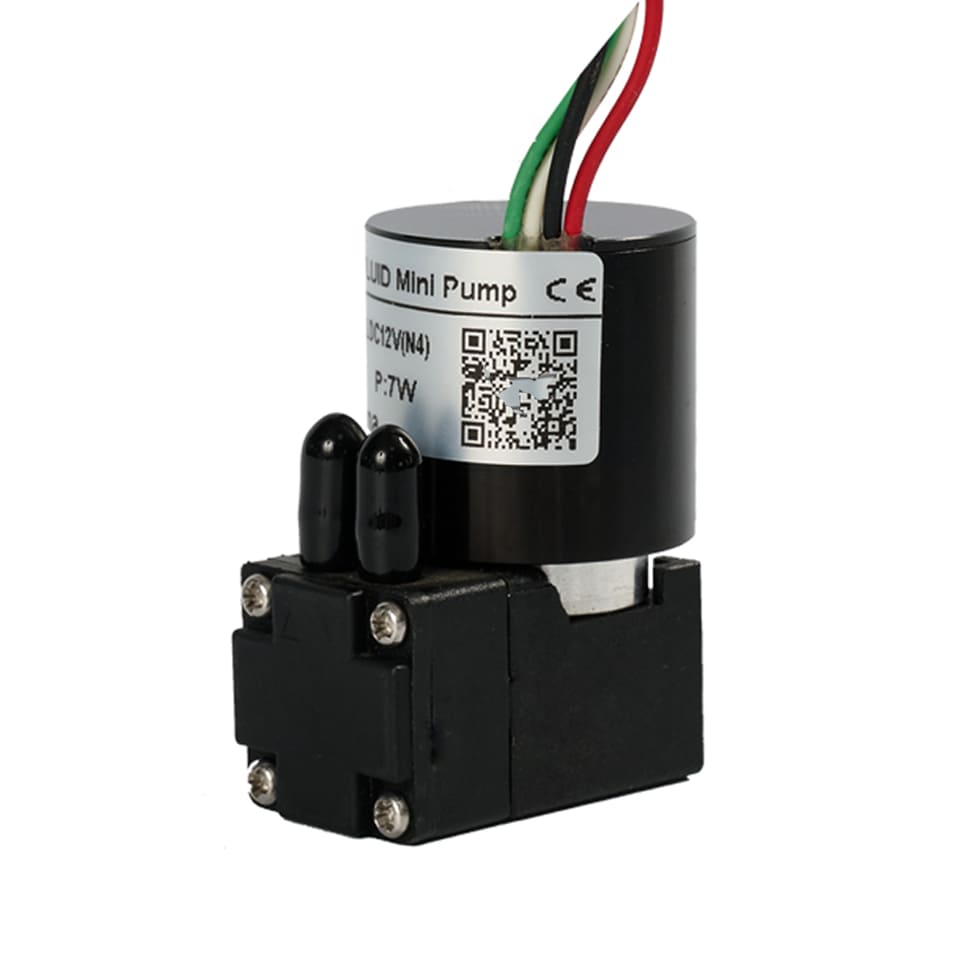
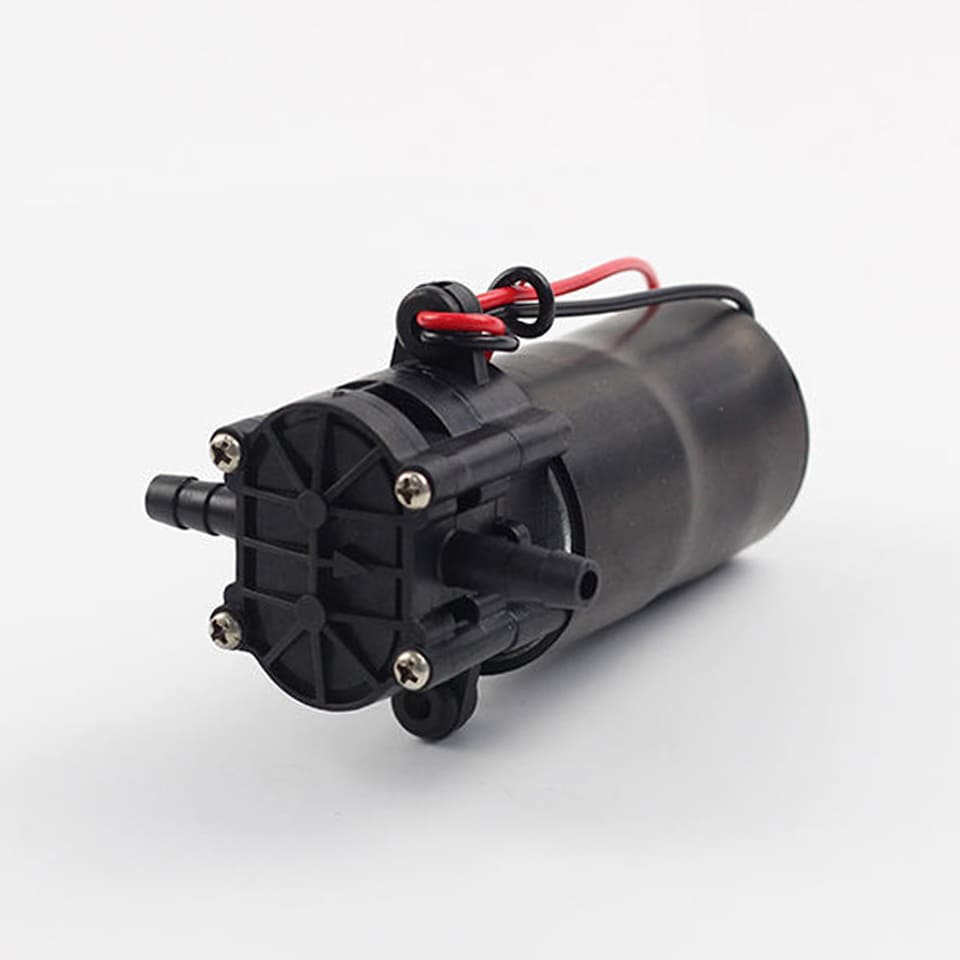
At JIGU Pump, we provide micro centrifugal water pumps, micro diaphragm pumps and magnetic drive gear pumps for OEM applications. Depending on the pump model and technical requirements, different performance, material, electrical and mechanical options can be evaluated.
1. Pump Performance: Flow Rate and Pressure
Pump performance is usually one of the first considerations in an OEM customization project.
A pump that delivers sufficient flow under one operating condition may not provide the required performance when connected to the customer’s actual system. The operating point depends on both the pump characteristics and the resistance of the complete fluid circuit.
Depending on the pump type and model, the following performance requirements may be evaluated:
Target flow rate
Operating pressure or discharge head
Required vacuum level for applicable air pump models
Operating point under actual system conditions
Continuous or intermittent operating requirements
For example, a water circulation system may require a specific flow rate at a certain head, while a liquid transfer system may need to maintain a target flow against a defined back pressure.
It is important to evaluate flow rate and pressure together rather than treating the maximum values as independently available under every condition.
For more details, see our guide to micro pump flow rate and pressure.
2. Motor and Electrical Configuration
The motor and electrical configuration determine how the pump operates and how it connects to the customer’s control system.
Depending on the pump family and available model options, electrical customization may include:
Brushless or Brushed DC Motors
Brushless DC motors are the main motor configuration offered for JIGU micro water pumps. For micro diaphragm pumps and magnetic drive gear pumps, brushless motors are the main option, while brushed motor configurations may also be considered for applicable models.
The choice depends on the required operating characteristics, control method, cost target and equipment design.
Voltage and Electrical Requirements
The operating voltage should match the equipment’s power supply. Current consumption, startup conditions and electrical interfaces should also be considered during integration.
Typical requirements to confirm include:
Rated operating voltage
Current and power requirements
Startup and operating conditions
Motor control requirements
Available control signals, where supported
Wires and Connectors
The cable length, wire arrangement and connector type can affect installation and production efficiency.
For OEM projects, the electrical connection may be evaluated to better fit the equipment’s wiring harness and assembly process. The available options depend on the pump model and production requirements.
| Information | Details to Provide |
| Application | Equipment type and pump function |
| Liquid | Water, coolant or other liquid |
| Flow rate | Required flow in L/min or L/h |
| Head or pressure | Required operating head or system pressure |
| Power supply | Voltage and available current |
| Operating mode | Continuous or intermittent |
| Installation | Available space, mounting and connections |
| Environment | Operating temperature and surrounding conditions |
| Quantity | Sample quantity and estimated annual demand |
3. Wetted Materials and Fluid Compatibility
The materials in contact with the pumped fluid are critical to pump reliability and application suitability.
Different fluids may have different chemical properties, concentrations, viscosities and operating temperatures. A material that works well with water may not be suitable for a particular solvent or chemical solution.
Depending on the pump structure and available configurations, material evaluation may involve:
Pump housing or pump head
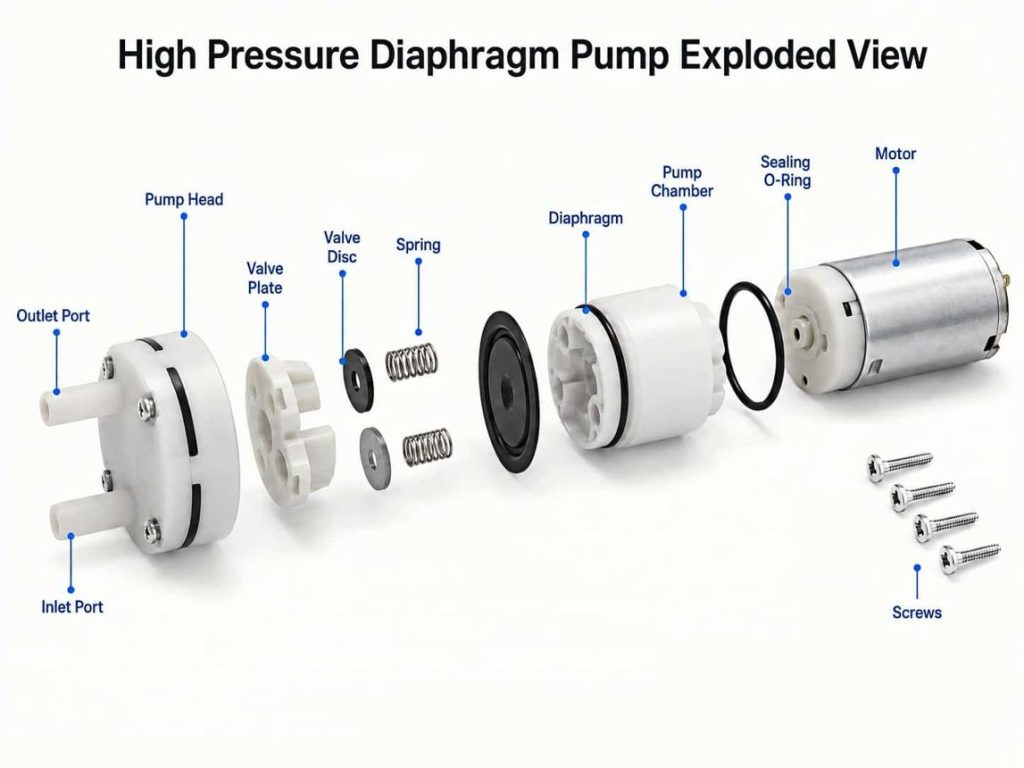
Diaphragm and valves
Gears and internal components
Seals and other wetted parts
Inlet and outlet connection materials
For example, a micro diaphragm pump used for chemical liquid transfer requires careful evaluation of the diaphragm, valve and pump-head materials. A magnetic drive gear pump requires compatibility checks for its gears, housing and other wetted components.
Material selection should always be based on the actual fluid, concentration, temperature and operating conditions. Not every material option is available for every pump model.
You can also read our guide to micro pump materials and fluid compatibility.
4. Mechanical Design and Installation Dimensions
A pump may meet the required performance specifications but still be difficult to integrate if its dimensions or connection positions do not fit the equipment.
For this reason, mechanical integration is another important part of OEM pump customization.
Depending on the existing pump structure, the following details may be evaluated:
Overall pump dimensions
Mounting holes and installation positions
Inlet and outlet locations
Port size and connection type
Tubing or hose connections
Cable exit direction and installation clearance
In some projects, adapting the connection or installation arrangement can make integration easier without requiring a completely new pump design.
However, changes to the pump housing, internal structure or mounting features may involve tooling, engineering validation or additional development costs. These possibilities need to be reviewed according to the specific model.
5. Operating Conditions, Noise and Vibration
The pump must work reliably under the conditions inside the customer’s equipment, not just under laboratory test conditions.
Several operating requirements may need to be considered during customization and evaluation.
Continuous or Intermittent Operation
Some equipment requires continuous pump operation, while other applications use short operating cycles with frequent starts and stops.
The duty cycle, operating duration and expected service conditions should be clarified before selecting or modifying a pump.
Noise and Vibration
Noise and vibration can affect the overall user experience, especially in medical equipment, laboratory instruments and household appliances.
Potential improvement areas may include pump selection, mounting arrangements, tubing layout and system design. The actual result depends on the pump structure and the equipment environment.
Temperature and Environmental Conditions
Ambient temperature, fluid temperature and installation conditions can influence material selection and pump performance.
These conditions should be included in the technical evaluation rather than considered only after the pump has been installed.
6. Customization Options for Different Micro Pump Types
JIGU offers three main micro pump product categories. Each pump type has different operating principles and structural characteristics, so the available customization options are not exactly the same.
Micro Centrifugal Water Pumps
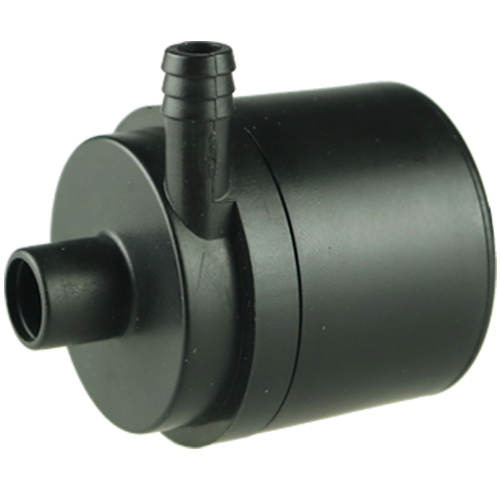
JIGU micro centrifugal water pumps use brushless DC motors and are designed for water circulation and liquid transfer applications.
Depending on the model and application, evaluation may focus on:
Flow rate and discharge head
Pump body and wetted material compatibility
Inlet and outlet connections
Installation dimensions
Electrical wiring and connector requirements
Explore our micro centrifugal water pump solutions.
Micro Diaphragm Pumps
Micro diaphragm pumps are available for both liquid and gas applications. The basic pumping principle is similar, but the configurations differ according to the pumped medium and application.
For applicable models, customization may involve:
Liquid or gas pump configuration
Flow rate and operating pressure
Positive pressure or vacuum requirements for gas pump models
Diaphragm, valve and pump-head material selection
Brushless or brushed motor options
Electrical and tubing connections
Not every gas pump model supports both positive pressure and vacuum operation. The required operating mode should be confirmed during model selection.
Explore our micro diaphragm pump solutions.
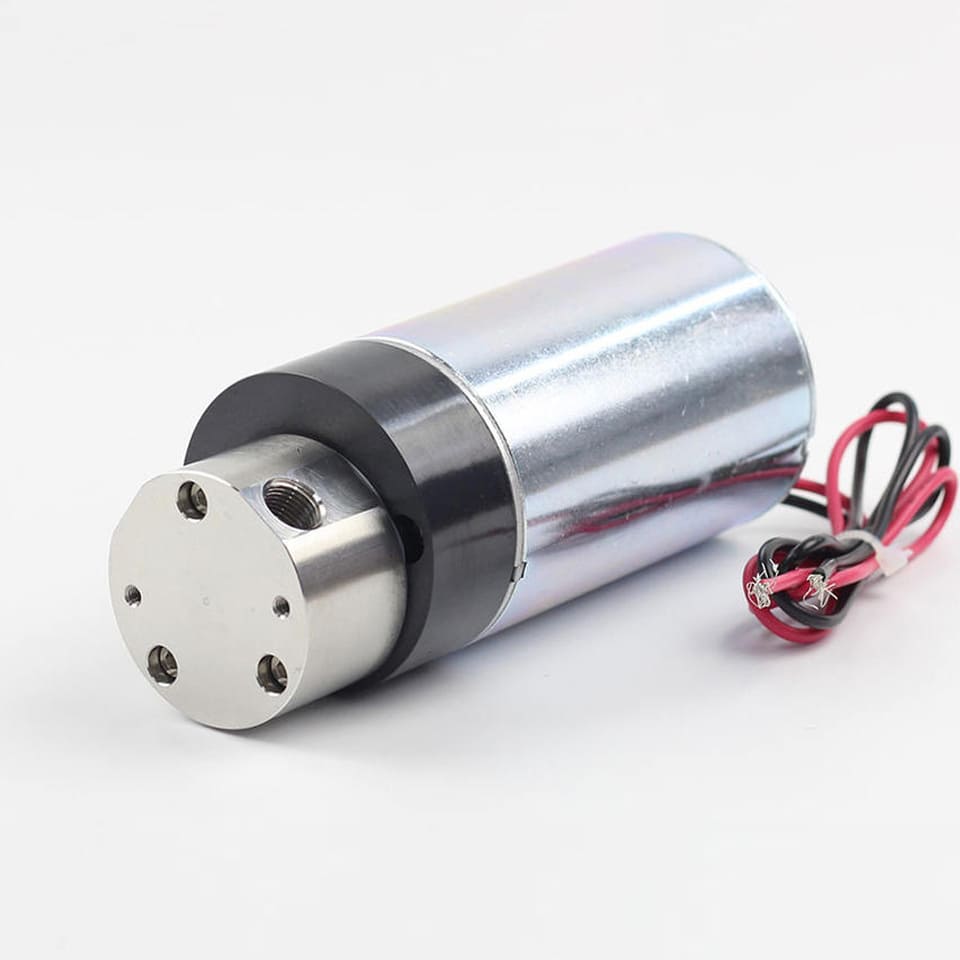
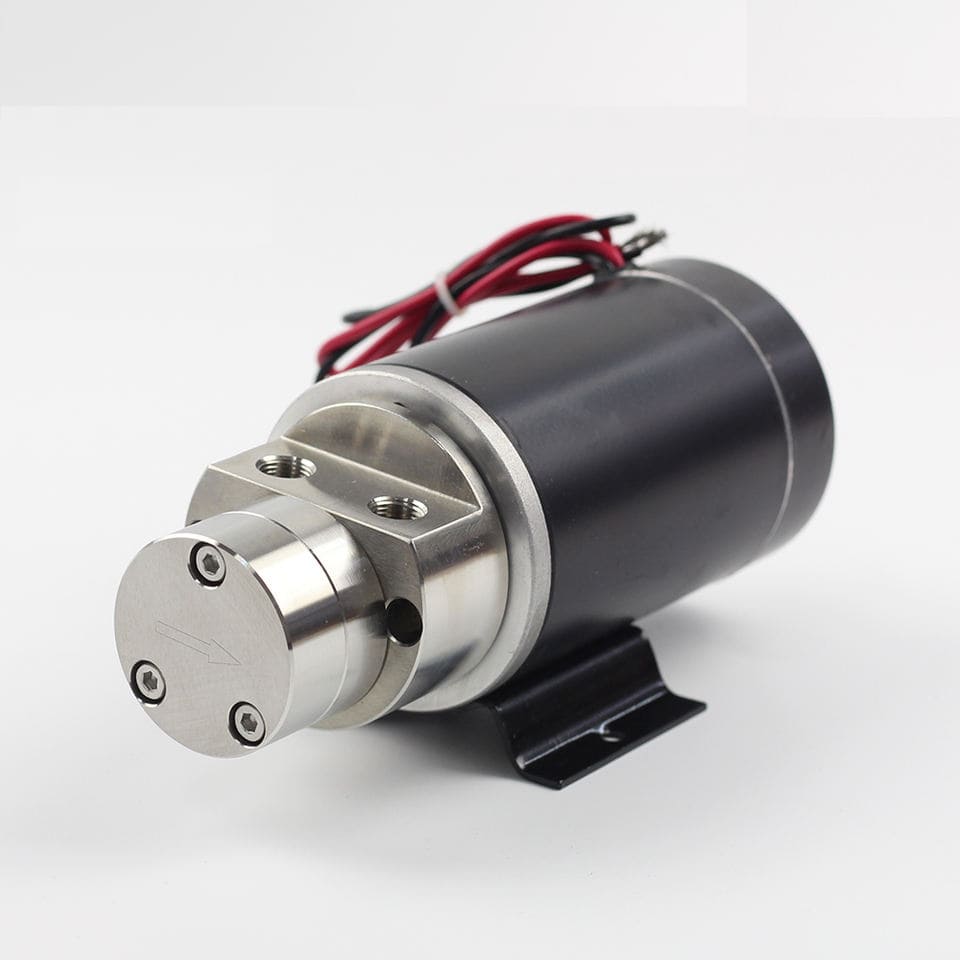
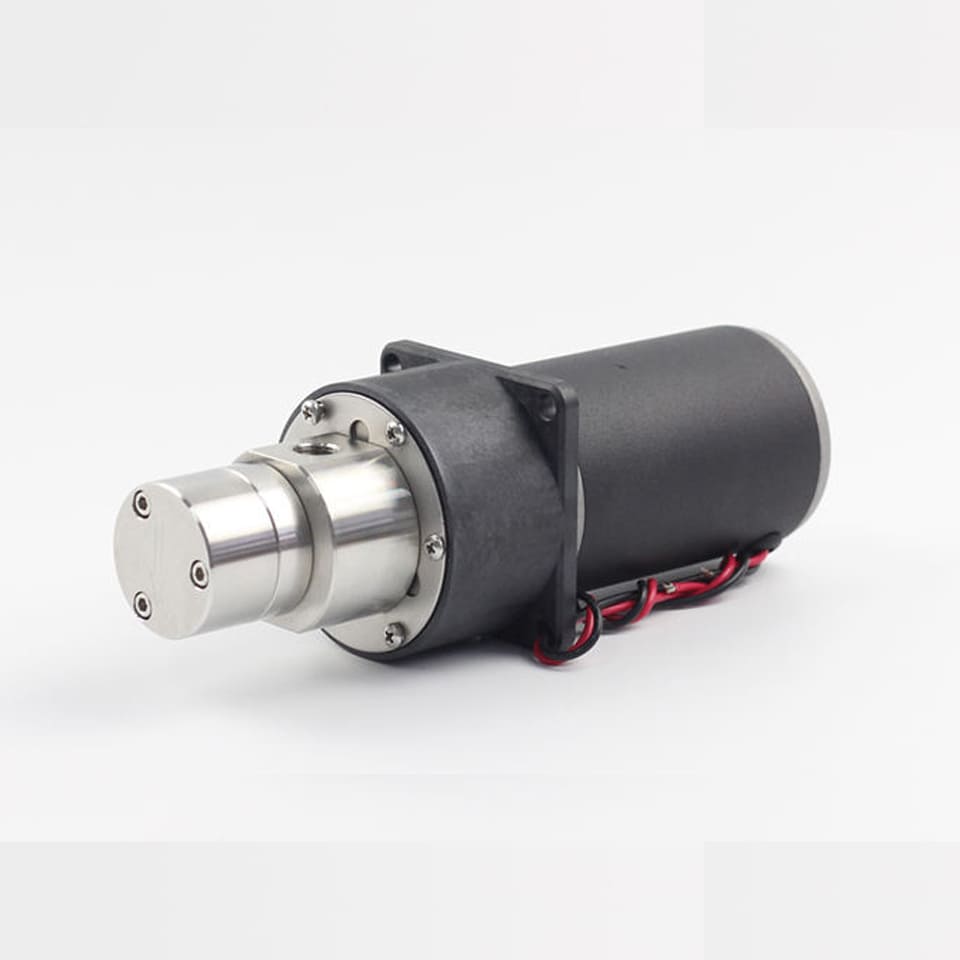
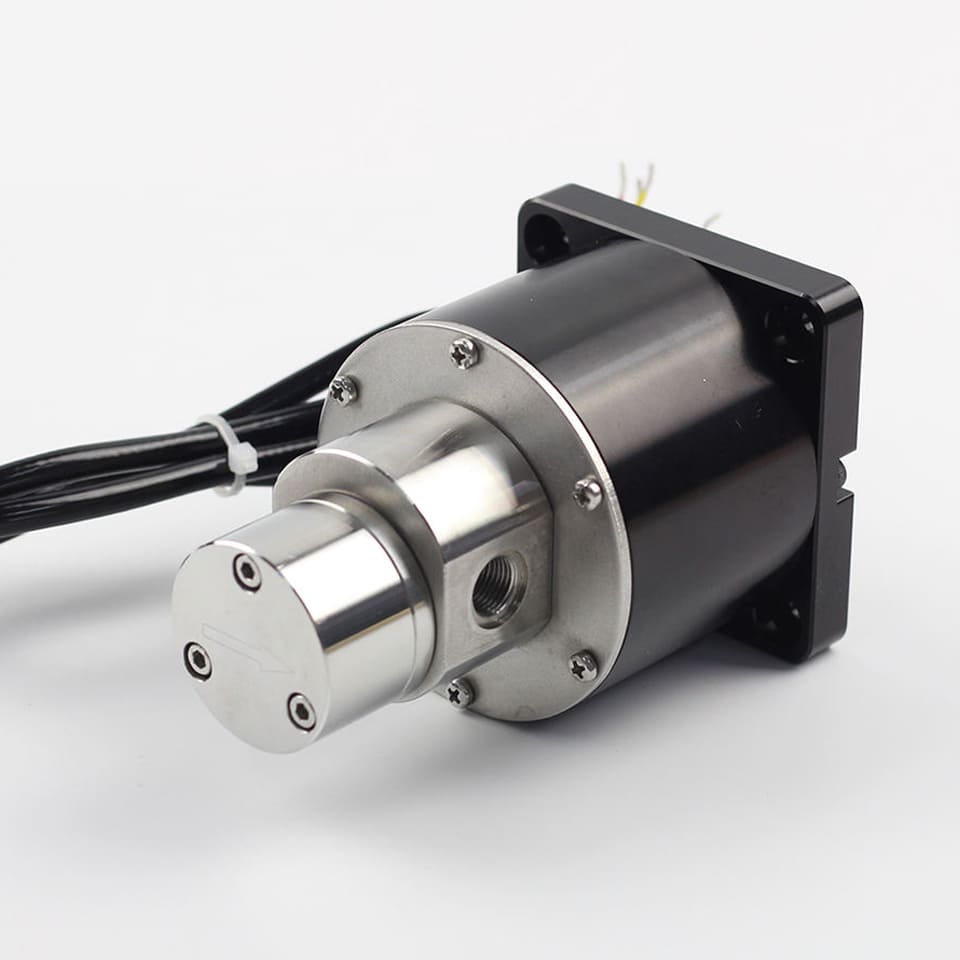
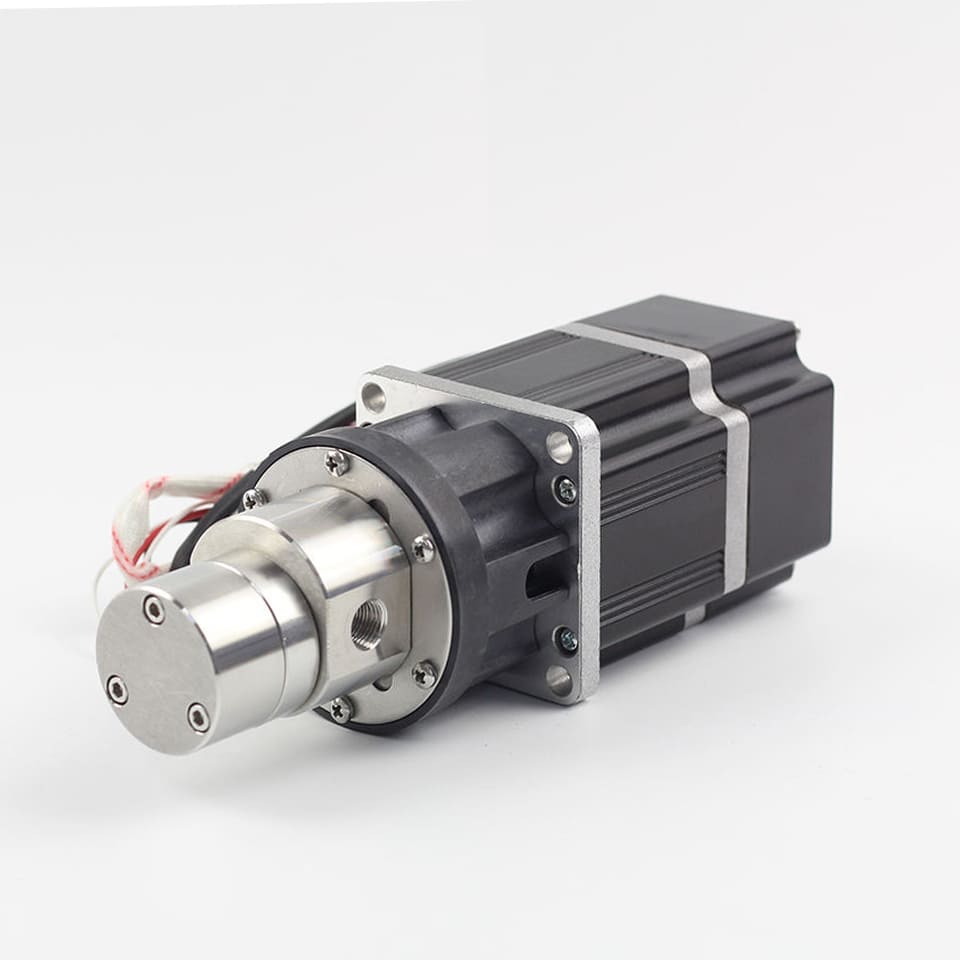
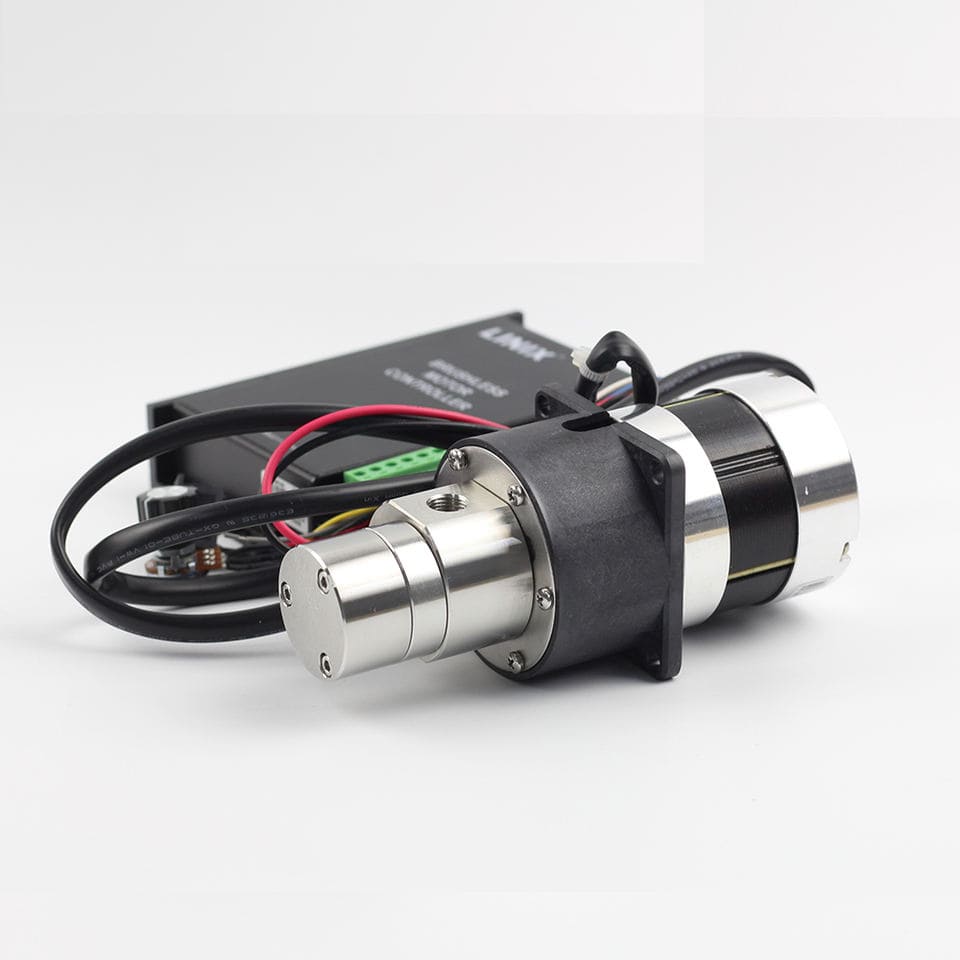
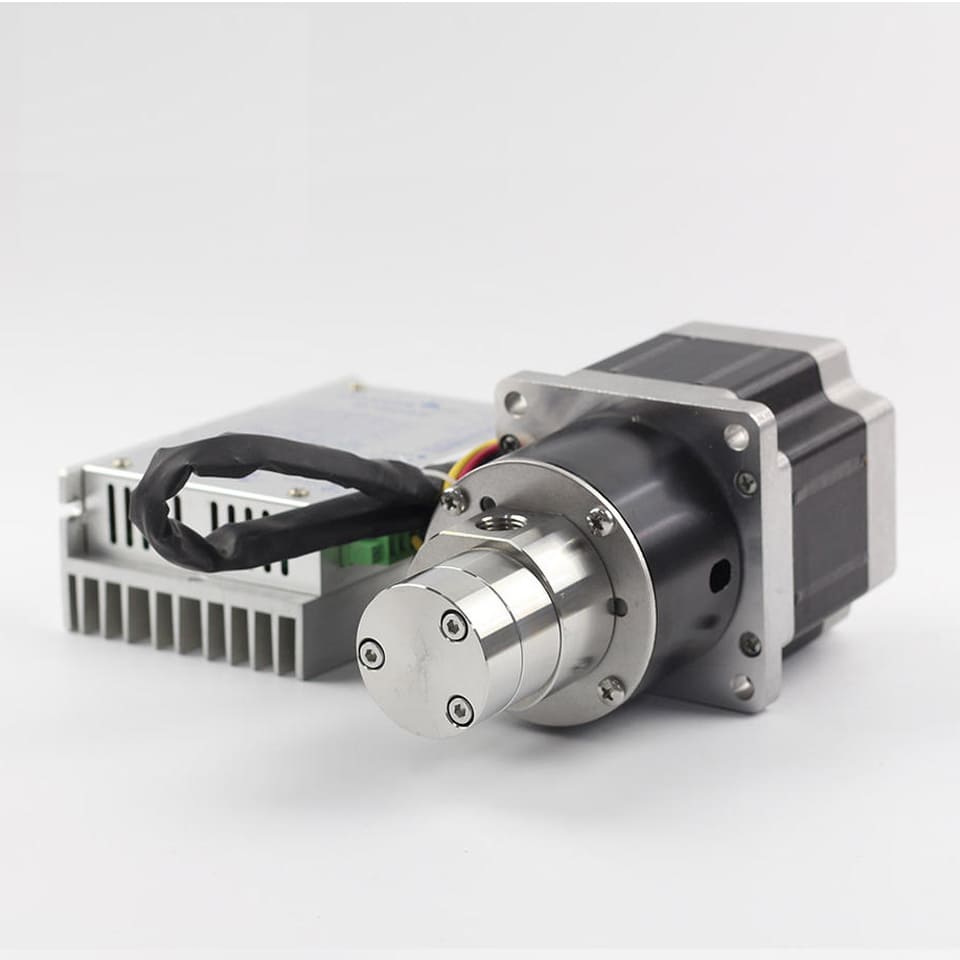
Magnetic Drive Gear Pumps
Magnetic drive gear pumps are used for controlled liquid transfer in OEM and industrial equipment.
Depending on the model and fluid requirements, customization may involve:
Flow rate and operating pressure
Gear and housing material selection
Fluid compatibility
Brushless or brushed motor options
Inlet and outlet connections
Installation and electrical arrangements
For chemical or specialized liquids, material compatibility should be carefully evaluated based on the actual fluid composition and operating conditions.
Explore our magnetic drive gear pump solutions.
7. From Standard Models to OEM Pump Solutions
Not every OEM project requires a completely new pump design.
In many cases, starting with an existing standard model is a more practical approach. The pump can first be selected according to its basic performance and structure, then evaluated for possible adjustments.
A typical OEM project may follow these steps:
Application review: Understand the equipment, pumped medium and operating conditions.
Initial model selection: Identify a suitable standard pump based on the required performance and pump type.
Customization evaluation: Review the required changes to performance, materials, motor, connections and installation.
Sample testing: Evaluate pump performance in the customer’s actual or simulated application.
Design confirmation: Confirm the selected configuration and technical requirements.
Production preparation: Review quality requirements, production details and order quantities before mass production.
This approach helps both the pump manufacturer and the equipment manufacturer identify potential technical issues before moving into regular production.
The customization process used by other established pump manufacturers also illustrates how existing standard designs and modular options can support application-specific OEM requirements. For example, KNF’s customized pump solutions describe adaptations involving pump mechanics, materials, motors and connections.
8. What Information Should You Provide for a Custom Micro Pump Project?
To evaluate a customization request efficiently, it is helpful to provide as much application information as possible.
The following details are particularly useful:
Equipment name and application
Pumped liquid or gas
Required flow rate and pressure
Voltage and power supply
Operating cycle and working environment
Installation dimensions and available space
Required materials and connection types
Expected order quantity
If you have an existing pump, technical drawing, product photo or sample, these can also help us understand the required configuration.
You do not need to have every technical detail ready before contacting us. If you can explain what the pump needs to do and how it will be installed, our team can help review the possible pump options.
For a more detailed inquiry checklist, read What Information Is Needed for a Custom Micro Pump Quote?.
9. Why Work with JIGU for OEM Micro Pump Projects?
JIGU Pump has been engaged in micro pump development and manufacturing for more than 30 years. We provide micro centrifugal water pumps, micro diaphragm pumps and magnetic drive gear pumps for equipment manufacturers and OEM customers.
Our approach is to start with the application and identify a suitable pump solution based on the customer’s actual requirements.
Depending on the selected model and project feasibility, we can evaluate adjustments to pump performance, motor configuration, wetted materials, electrical connections and mechanical installation details.
Whether you are developing new equipment or looking for an alternative pump for an existing design, we welcome the opportunity to review your application.
Contact JIGU to discuss your OEM micro pump requirements and request a suitable solution.
Frequently Asked Questions
Can a standard micro pump be customized for OEM equipment?
In many cases, yes. An existing standard model may be used as the starting point, with selected performance, material, motor or connection requirements evaluated for adjustment. The feasibility depends on the pump model and application.
What parts of a micro pump can be customized?
Potential customization areas include flow rate, pressure, motor configuration, voltage, wetted materials, wiring, connectors, inlet and outlet connections, and installation dimensions. Available options vary by pump type and model.
Can I request a custom micro pump if I do not have complete technical specifications?
Yes. You can begin by sharing the equipment application, pumped medium, required function and any available photos or drawings. The technical requirements can then be reviewed together.
Does OEM pump customization require a new mold or completely new design?
Not necessarily. Some projects can be handled by selecting or adjusting existing models and components. More substantial structural changes may require additional engineering work or tooling, depending on the design.
Can JIGU customize all three types of micro pumps?
JIGU offers micro centrifugal water pumps, micro diaphragm pumps and magnetic drive gear pumps. Customization possibilities differ between these pump types and individual models. Each request is evaluated according to its technical requirements.
Can I test samples before placing a bulk order?
Sample evaluation can be discussed as part of the OEM project. Testing the pump in the actual equipment or a representative test setup is recommended to confirm that the selected configuration meets the application requirements.
Related Products
Reach Out Today
Looking for a micro pump manufacturer for your project? Contact JIGU Pump to discuss your application requirements and get a suitable pump recommendation and quotation.

Share Your Requirements
Share your application requirements, technical specifications, drawings, or reference images with our team.

Receive a Solution & Quotation
Our team will review your requirements and provide a suitable pump recommendation and quotation.

Confirm & Start Production
After sample approval and order confirmation, we proceed with production and arrange shipment according to the agreed schedule.