
Micro Pumps for Agricultural Applications: Irrigation and Fluid Handling
Micro Pumps for Agricultural Applications: Irrigation and Fluid Handling
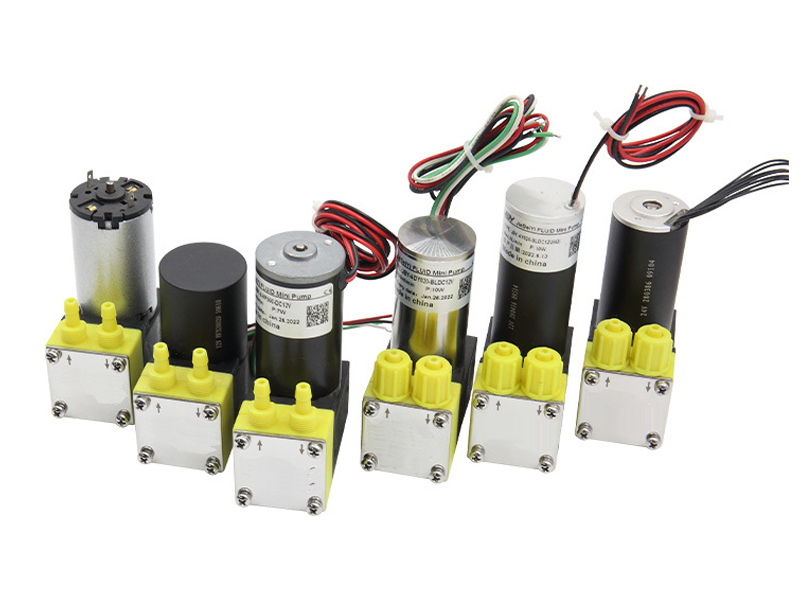
Agricultural equipment increasingly relies on compact fluid handling systems to deliver water, circulate nutrient solutions and manage liquids in controlled growing environments. In these systems, a micro pump can serve as an important component, especially when the equipment requires a compact design, controlled liquid transfer or integration into a small automated unit.
Micro pumps may be considered for selected agricultural applications such as small-scale irrigation equipment, fertilizer and nutrient delivery systems, hydroponics and agricultural monitoring devices. However, the right pump depends on the actual operating conditions. A compact pump designed for an instrument or small circulation system should not automatically be treated as a replacement for a conventional agricultural irrigation pump.
For OEM equipment manufacturers, pump selection should consider flow rate, pressure, liquid properties, material compatibility, operating cycle and installation requirements.
Why Are Micro Pumps Used in Agricultural Equipment?
Many agricultural systems include compact modules that handle water or other liquids. Examples include automated watering units, nutrient circulation devices, small dosing systems and portable testing equipment.
A micro pump may be suitable when the equipment requires:
Compact dimensions and flexible installation
A defined flow rate for a small fluid circuit
Water or liquid circulation within an enclosed system
Integration with electronic controls
A pump component that can be evaluated for OEM customization
The pump is only one part of the complete fluid system. Tubing, filters, valves, reservoirs, nozzles and control components all affect the final operating point. Therefore, selecting a pump based only on its maximum flow rate is not sufficient.
Common Agricultural Applications for Micro Pumps
1. Small-Scale Irrigation and Water Delivery
Micro pumps may be considered for compact irrigation equipment, localized watering devices and small automated water delivery systems.
Potential examples include:
Small greenhouse watering units
Compact irrigation controllers with integrated fluid circuits
Localized water delivery modules
Portable plant watering equipment
Small circulation systems used in controlled growing environments
The required flow and pressure depend on the number of outlets, tubing dimensions, elevation difference, filters and other system restrictions.
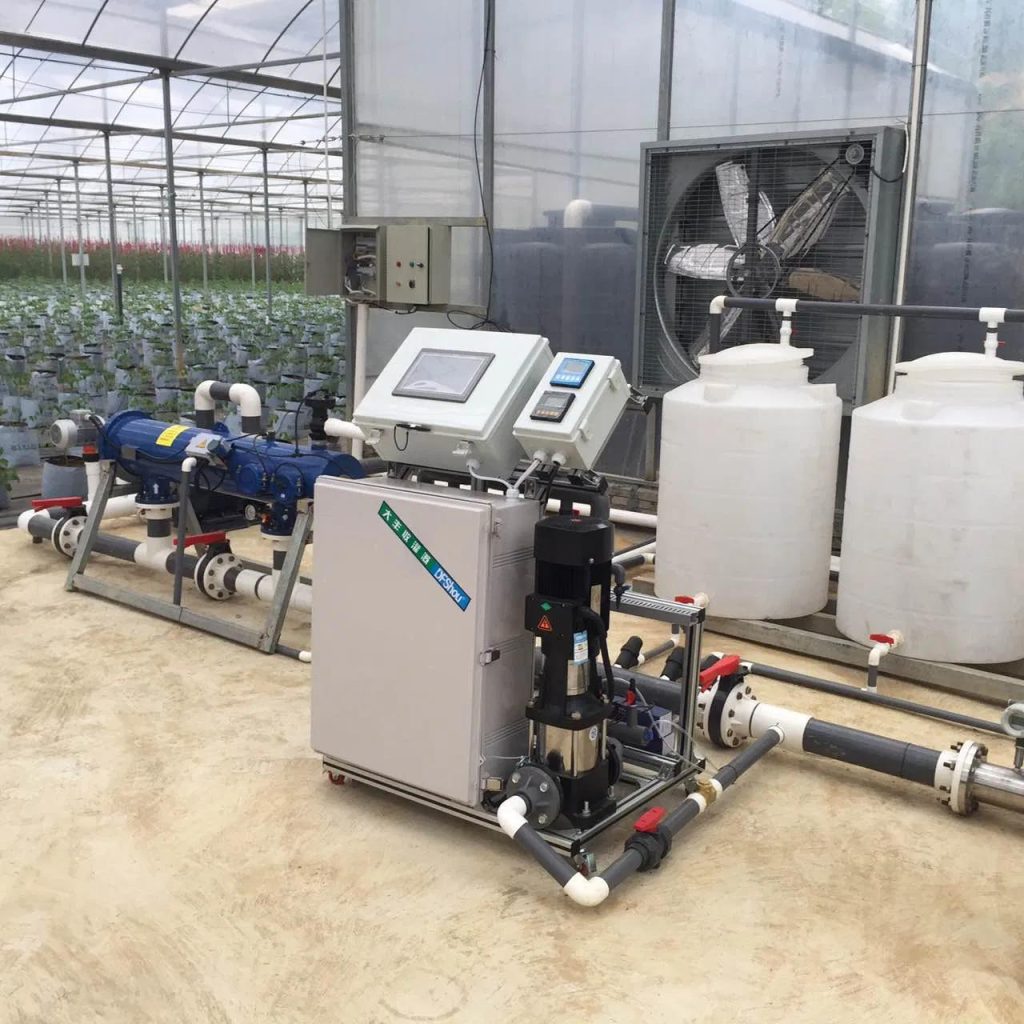
A micro pump is not necessarily suitable for large fields, high-flow irrigation networks or high-pressure sprinkler systems. Those applications normally require pumps designed for substantially different flow and pressure conditions.
For background on irrigation system selection, see the FAO guide to irrigation practices.
2. Fertilizer and Nutrient Liquid Delivery
Some agricultural equipment transfers liquid fertilizer or nutrient solutions into a water supply or growing system.
Micro pumps may be evaluated for small liquid delivery circuits in:
Greenhouse nutrient supply equipment
Compact fertigation devices
Hydroponic nutrient circulation systems
Automated plant care equipment
Agricultural liquid monitoring and treatment units
The chemical properties of the liquid are important. Fertilizer solutions may contain dissolved salts, additives or concentrated ingredients that can affect pump materials and internal components.
Before selecting a pump, confirm:
Chemical composition and concentration
Liquid viscosity and operating temperature
Compatibility of all wetted materials
Whether the liquid contains undissolved particles
Required flow rate and operating pressure
Do not assume that a pump suitable for clean water can also handle every fertilizer or nutrient concentrate. Material compatibility should be evaluated for the actual formulation and operating conditions.
3. Agricultural Spraying and Cleaning Equipment
Compact pumps may also be considered in selected agricultural spraying or cleaning devices, particularly where the equipment uses a small liquid circuit.
Possible applications include portable equipment, compact cleaning units and specialized liquid delivery modules.
However, spraying performance depends on more than pump flow rate. The nozzle design, required spray pattern, pressure, liquid properties and system resistance all influence the result.
A standard micro centrifugal water pump should not automatically be considered suitable for high-pressure agricultural spraying. The required pressure and flow must be checked against the performance curve and operating limits of the specific pump model.
For applications involving concentrated chemicals or pesticides, the pump’s material compatibility and the equipment manufacturer’s chemical-handling requirements must also be reviewed.
4. Hydroponic and Controlled-Environment Agriculture
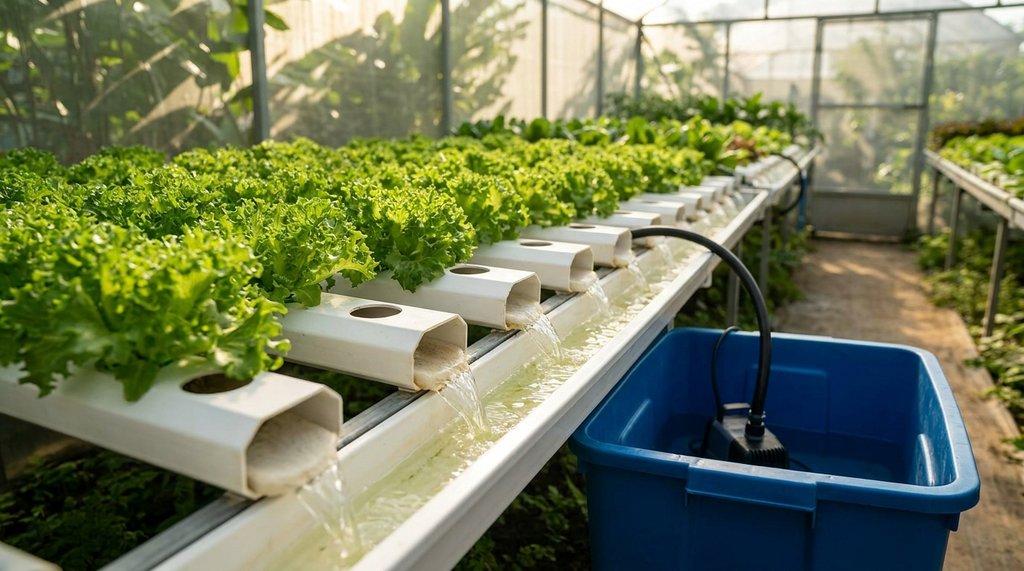
Hydroponic systems circulate water-based nutrient solutions without relying on conventional soil cultivation. Depending on the system design, pumps may supply nutrient solution to growing channels, circulate liquid through a reservoir or deliver water to individual growing areas.
Micro pumps may be suitable for selected compact hydroponic equipment, including:
Small nutrient film technique (NFT) systems
Compact indoor growing units
Small-scale vertical farming modules
Laboratory or plant research equipment
Controlled-environment growing devices
In a recirculating system, the pump must provide sufficient flow through the channels and tubing while operating against the resistance of the complete circuit.
Water quality also matters. Nutrient precipitation, algae, mineral deposits and plant debris can restrict small passages or affect pump operation. Filtration and regular maintenance may therefore be necessary.
The University of Minnesota Extension guide to small-scale hydroponics discusses the use of pumps and tubing in hydroponic systems, as well as nutrient solution and water management.
5. Agricultural Monitoring and Testing Equipment
Agricultural monitoring devices may need to move small amounts of water, nutrient solution or other liquid samples through internal fluid circuits.
Examples include:
Water quality testing equipment
Nutrient analysis instruments
Portable agricultural testing devices
Soil and water analysis equipment
Automated sampling modules
These applications may place greater emphasis on compact size, stable flow, repeatable operation and compatibility with the sampled liquid than on high overall pumping capacity.
The pump must be evaluated together with the instrument’s sampling method, tubing, sensors and control sequence. Where measurement accuracy is important, the complete fluid handling system should be tested rather than assuming that the pump alone determines dosing or sampling accuracy.
Which Micro Pump Technology Is Suitable for Agricultural Equipment?
Different pump technologies have different operating characteristics. The most suitable option depends on the liquid, required performance and equipment design.
Micro Centrifugal Water Pumps
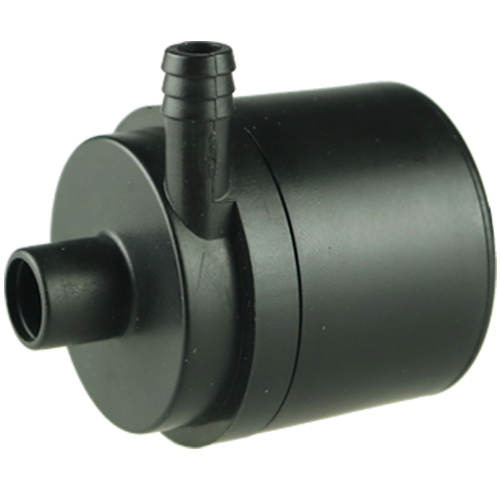
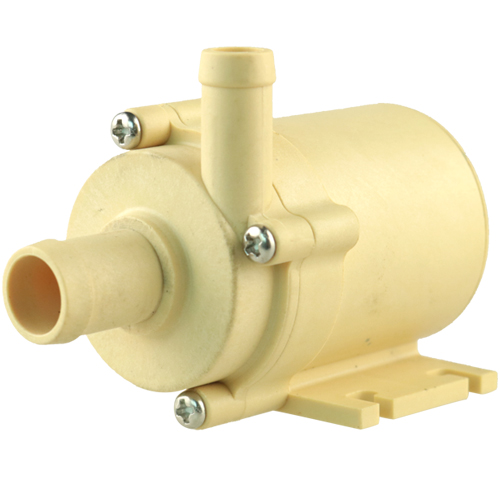
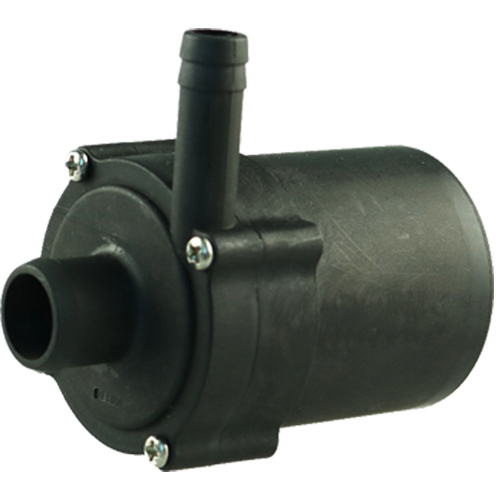
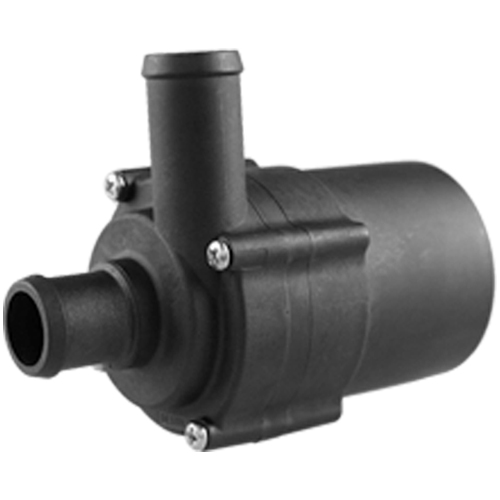
A micro centrifugal water pump uses a rotating impeller to transfer liquid. It may be considered for applications involving water circulation and continuous liquid movement.
Potential agricultural equipment applications include:
Small water circulation units
Compact hydroponic systems
Greenhouse equipment
Water delivery modules
Selected liquid cooling or circulation devices
Centrifugal pumps are generally evaluated by their flow-pressure performance curve. Actual flow depends on the resistance of the complete system, including tubing, filters, valves and elevation changes.
JIGU’s micro centrifugal water pumps use brushless DC motors. For product details, see JIGU Micro Centrifugal Water Pumps.
Micro Diaphragm Pumps
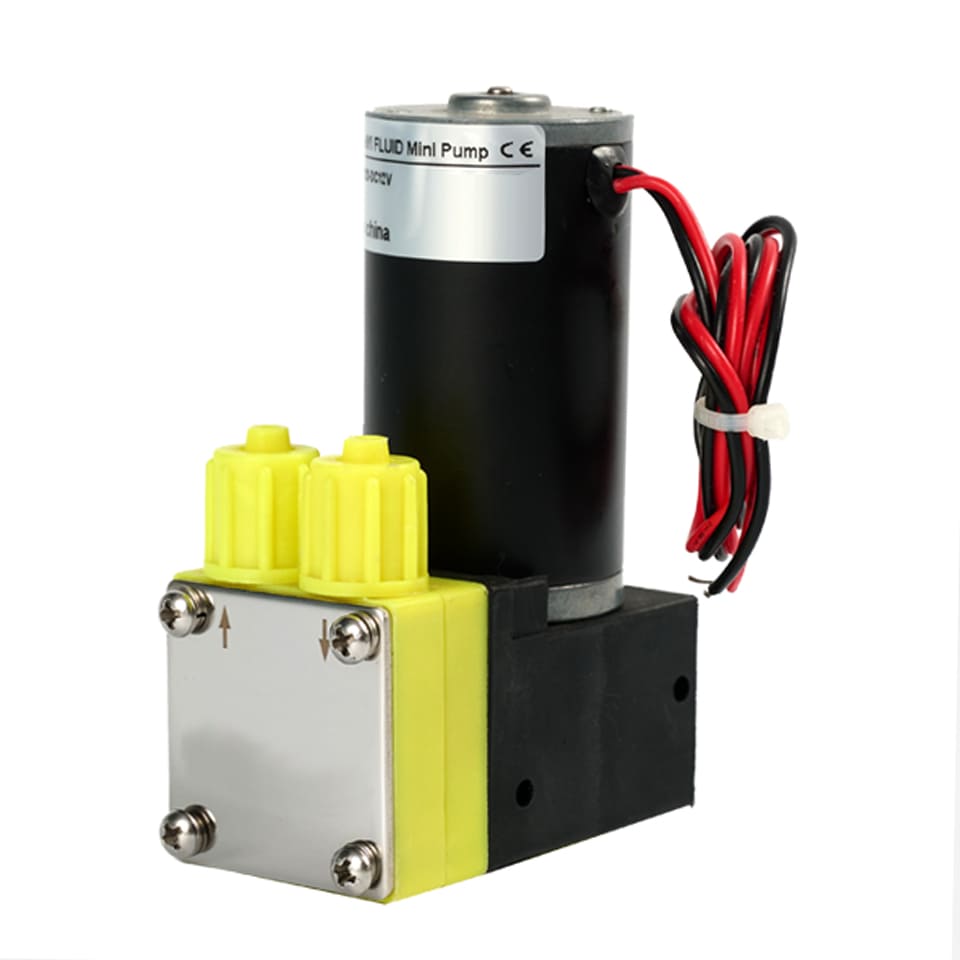
A micro diaphragm pump uses the reciprocating movement of a diaphragm and valve system to move liquid or gas, depending on its configuration.
Liquid diaphragm pumps may be evaluated for selected agricultural liquid transfer or sampling applications. Air diaphragm pumps may also be considered for pneumatic functions in certain agricultural devices.
The liquid and air versions require different configurations even though they share the same basic pumping principle. For air pumps, positive-pressure and vacuum capabilities depend on the specific model.
Before choosing a diaphragm pump, confirm the required flow, pressure or vacuum, liquid compatibility and operating cycle.
Learn more about JIGU Micro Diaphragm Pumps.
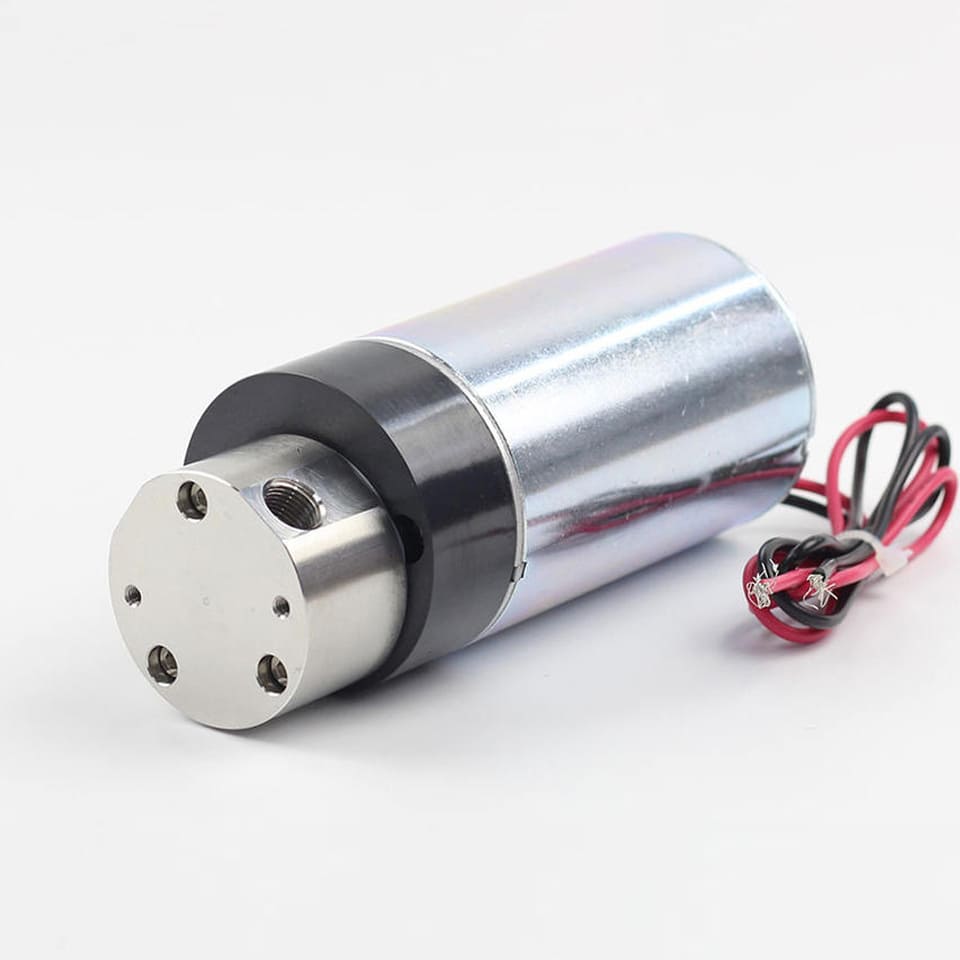
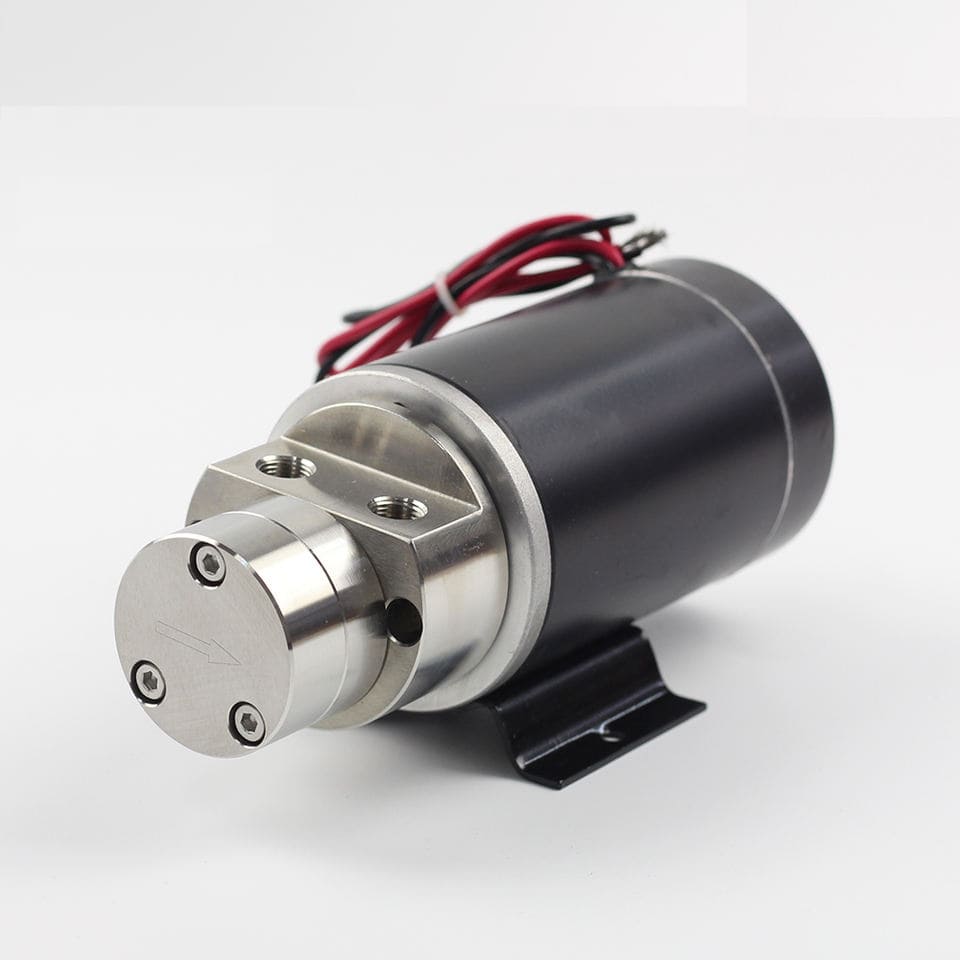
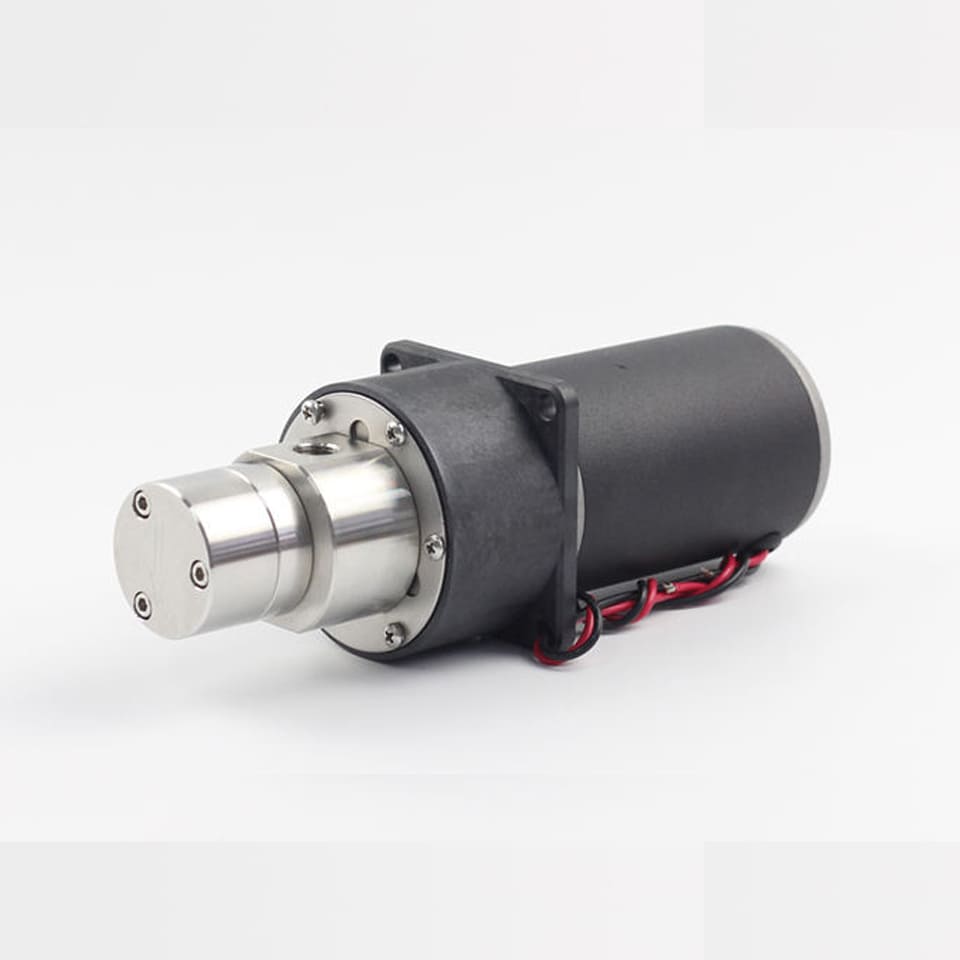
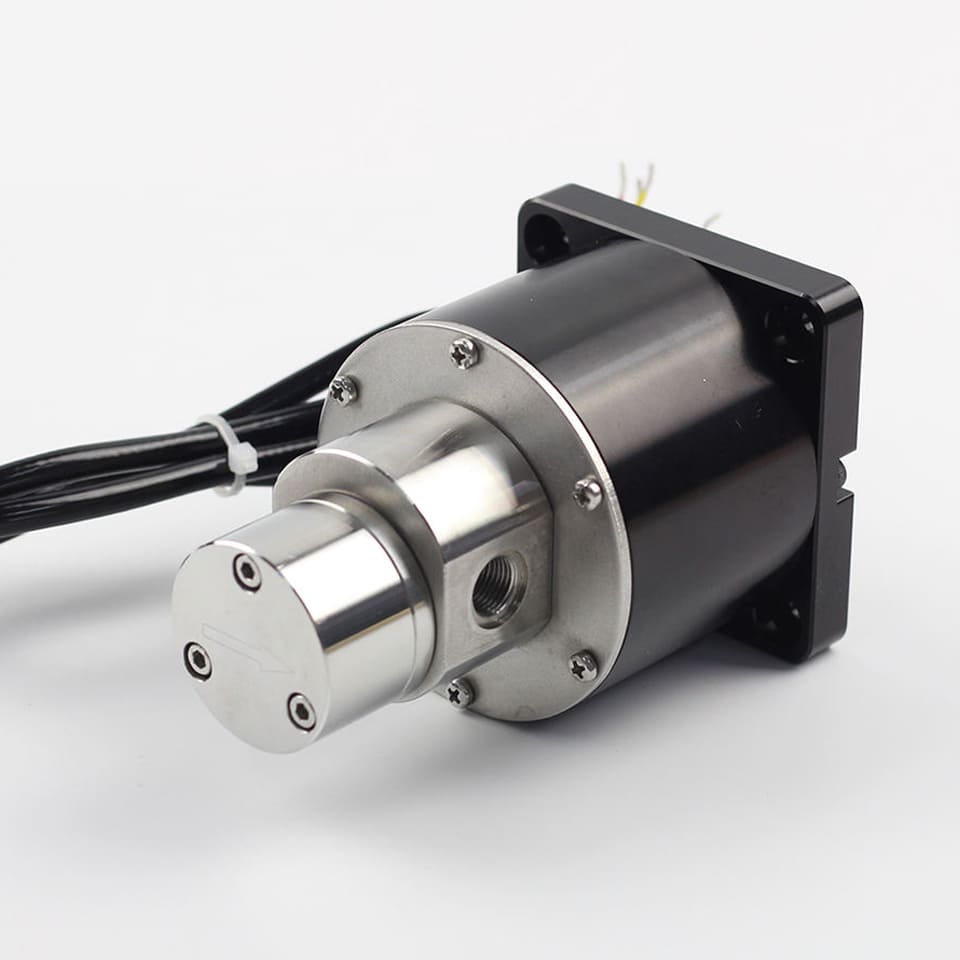
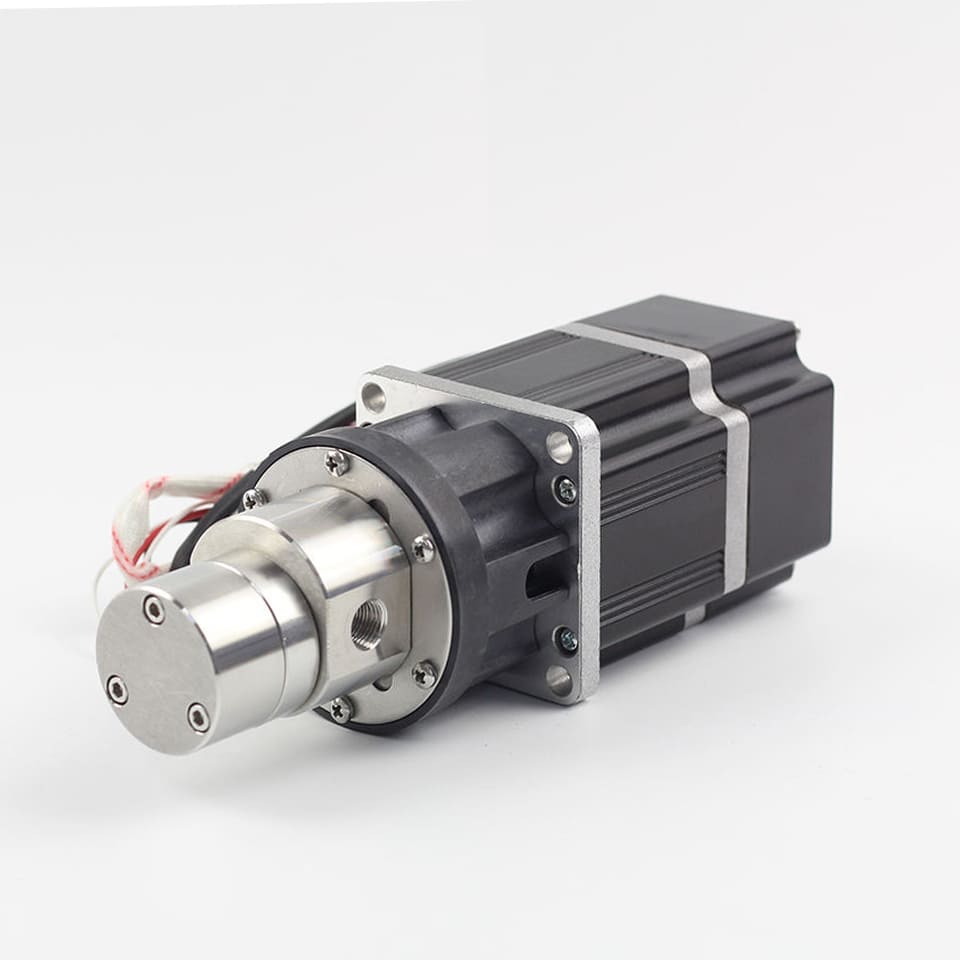
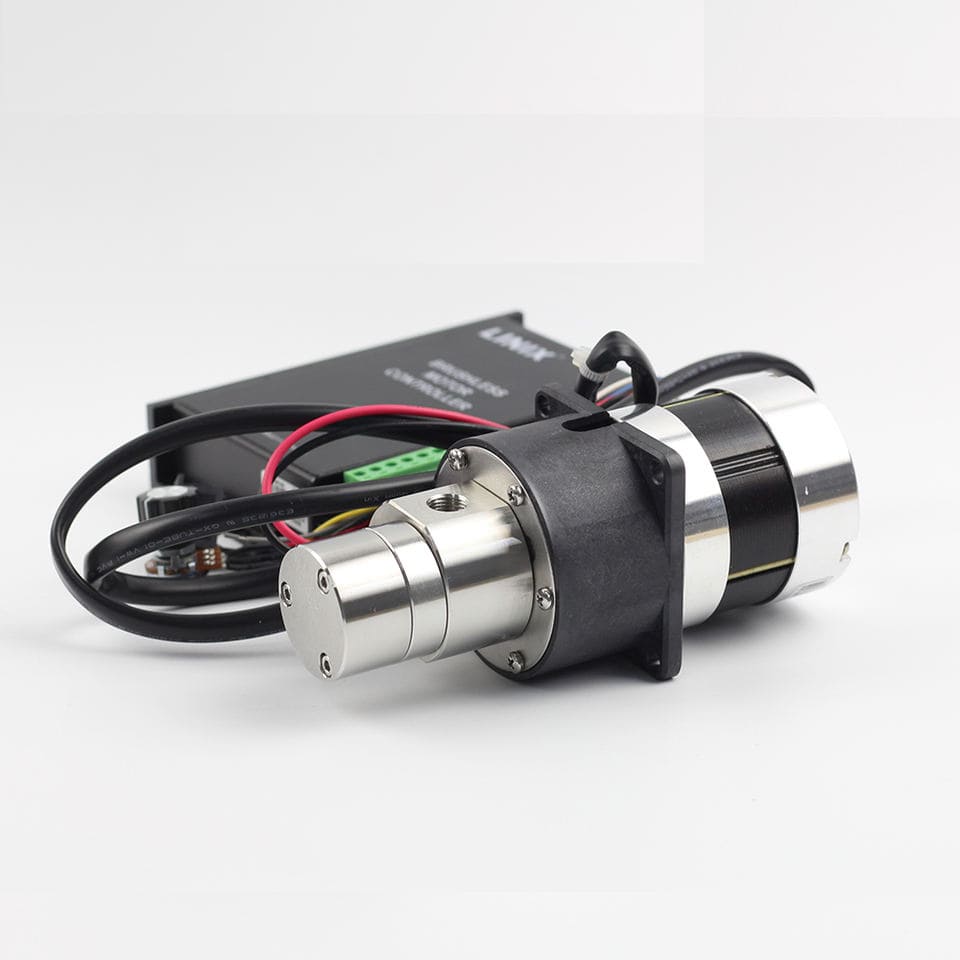
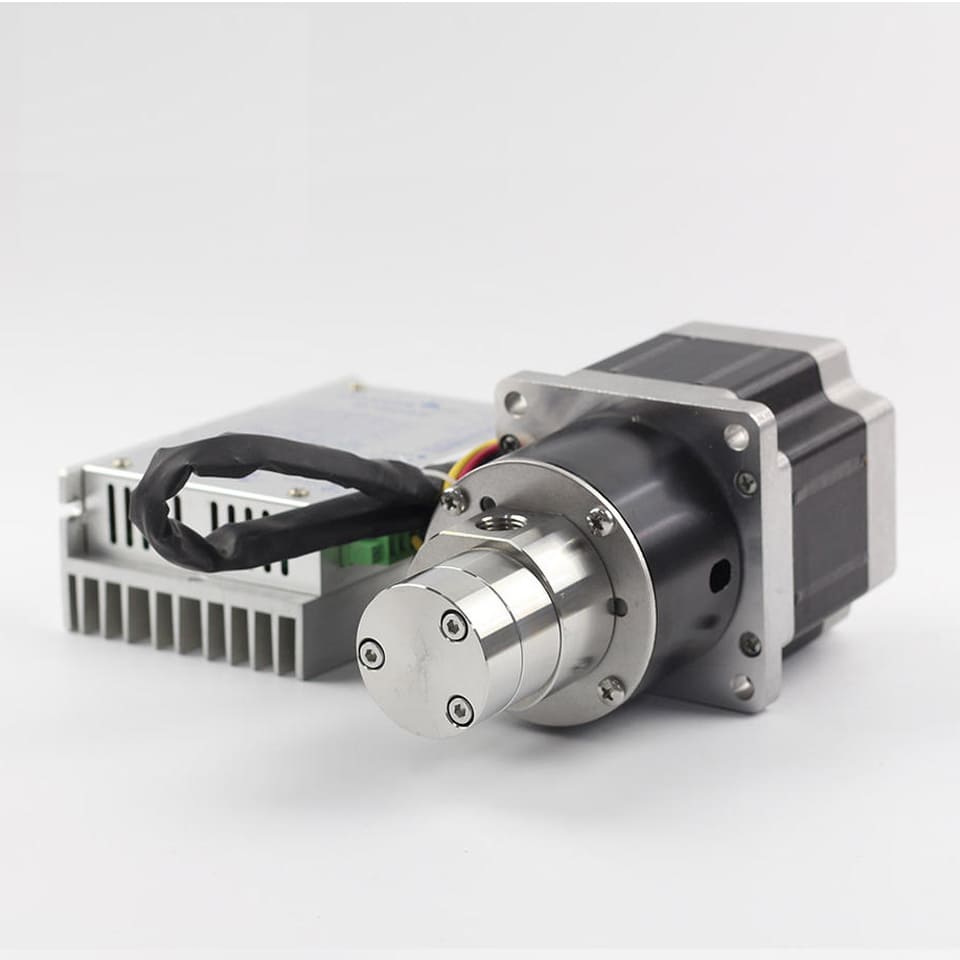
Magnetic Drive Gear Pumps
A magnetic drive gear pump may be considered for selected applications requiring controlled liquid transfer, especially where the liquid properties and system requirements are compatible with the pump design.
Potential uses may include:
Small chemical liquid transfer modules
Nutrient solution handling equipment
Specialized agricultural fluid systems
Compact liquid supply devices
The magnetic coupling avoids the need for a conventional dynamic shaft seal between the motor and pump chamber, helping reduce one potential leakage path. However, it does not mean that the complete pump system is guaranteed to be leak-free. Static seals, fittings and connections still require appropriate evaluation.
Chemical compatibility must be confirmed for the actual liquid, concentration, temperature, viscosity and all wetted materials.
JIGU offers Magnetic Drive Gear Pumps for selected OEM fluid handling applications.
Key Factors When Selecting a Micro Pump for Agricultural Applications
1. Required Flow Rate and Pressure
Start by defining the required flow rate and operating pressure at the actual working point.
Consider:
Required liquid volume per minute or hour
Number of outlets or delivery points
Tubing length and internal diameter
Filters, valves and nozzles in the system
Elevation difference between the liquid source and outlet
Expected operating pressure
Maximum flow and maximum pressure are not necessarily available at the same operating point. Review the pump’s performance information and evaluate it against the complete system requirements.
For more guidance, read our article on Micro Pump Flow Rate and Pressure.
2. Water Quality and Liquid Properties
Agricultural liquids are not always clean water. They may contain dissolved fertilizers, salts, additives, cleaning agents or suspended particles.
Provide the pump manufacturer with information about:
Liquid composition
Concentration and pH, where relevant
Viscosity
Operating temperature
Suspended solids or particles
Whether the liquid may crystallize, precipitate or leave deposits
A pump should not be assumed to handle muddy water, abrasive particles or thick suspensions unless its design has been confirmed for those conditions.
3. Material Compatibility
All wetted components must be compatible with the liquid being transferred. This includes the pump chamber, impeller or gears, diaphragm, valves, seals and internal connections.
For fertilizer solutions and other agricultural chemicals, compatibility should be checked using the exact formulation and concentration rather than relying only on a general material name.
Read more about Micro Pump Materials and Fluid Compatibility.
4. Operating Environment and Duty Cycle
Agricultural equipment may operate in greenhouses, indoor growing facilities, portable devices or outdoor environments. These conditions can differ significantly.
Consider:
Ambient and liquid temperature
Daily operating hours
Continuous or intermittent operation
Start-stop frequency
Exposure to moisture, dust or chemicals
Maintenance and cleaning requirements
Do not assume that a compact pump is automatically suitable for outdoor exposure or harsh agricultural environments. Ingress protection, environmental resistance and operating limits must be confirmed for the selected model.
5. Electrical and Control Requirements
The pump must match the equipment’s electrical system.
Confirm the available supply voltage, current requirements, wiring arrangement, connector type and control method. If the equipment requires variable flow or speed control, verify that the selected pump model and its drive electronics support the intended control interface.
JIGU’s micro water pumps use brushless DC motors. Brushless motor configurations are also the main offering for diaphragm and magnetic drive gear pumps, while brushed options may be considered depending on the model and project requirements.
OEM Pump Integration and Customization
For agricultural equipment manufacturers, pump selection is part of the overall equipment development process. A suitable pump must fit both the fluid handling requirements and the mechanical and electrical design of the equipment.
Depending on the model and engineering evaluation, OEM requirements may include:
Flow rate and pressure adjustment
Motor and voltage configuration
Pump dimensions and mounting arrangement
Inlet and outlet connection design
Wetted material selection
Cable length and connector options
Operating mode and control requirements
Not every option is available for every pump model. Customization should be assessed against the product’s structure, performance limits and production feasibility.
If the project is still at an early stage, a complete technical specification is not always necessary. Equipment manufacturers can begin by sharing the application, liquid type, target flow rate, pressure requirements, available installation space and expected operating cycle.
JIGU can review the application and help evaluate whether an existing standard model or a customized solution is more appropriate.
For more information, see Micro Pump Customization for OEM Applications.
Common Mistakes When Selecting Agricultural Micro Pumps
Several selection mistakes can lead to poor system performance or unnecessary development costs.
Choosing by maximum flow rate alone
The pump must meet the required flow at the actual system pressure, not just its free-flow maximum.
Using a general-purpose water pump for every agricultural liquid
Fertilizers, nutrient concentrates and cleaning liquids may require different wetted materials. Compatibility must be checked.
Assuming a micro pump can replace a conventional irrigation pump
Large-scale irrigation and high-pressure spraying may require much higher flow or pressure than a compact micro pump can provide.
Ignoring particles and deposits
Small internal passages, valves and tubing can be affected by suspended solids, precipitation or mineral buildup.
Overlooking the complete equipment design
Tubing, filters, nozzles, valves, reservoirs and control systems all influence pump performance. The complete circuit should be tested under representative conditions.
Why Consider JIGU for Agricultural OEM Pump Projects?
JIGU is a micro pump manufacturer based in Ningbo, China, with manufacturing experience dating back to 1990.
The company offers three main product categories:
Micro centrifugal water pumps
Micro diaphragm pumps
Magnetic drive gear pumps
These products can be evaluated for selected agricultural equipment and compact fluid handling applications, depending on the required flow, pressure, liquid compatibility and operating conditions.
JIGU supports OEM customers with standard pump models and project-based customization assessments. The engineering discussion can cover pump performance, motor configuration, materials, connections and installation requirements.
If you are developing agricultural equipment, hydroponic devices, nutrient delivery systems or other compact fluid handling products, contact JIGU to discuss your application and identify a suitable pump option.
Frequently Asked Questions
Can micro pumps be used in irrigation systems?
Yes, micro pumps may be used in selected small-scale irrigation equipment, localized watering devices and compact water delivery systems. Their suitability depends on the required flow rate, pressure, system resistance and operating conditions. They are not automatically suitable for large agricultural irrigation networks.
Can a micro pump transfer fertilizer or nutrient solutions?
Some micro pumps may be suitable for fertilizer or nutrient solution transfer. However, the liquid composition, concentration, viscosity, temperature and material compatibility must be checked before selecting a pump.
Are micro pumps suitable for hydroponic systems?
Micro pumps may be considered for compact hydroponic systems that circulate water-based nutrient solutions. The required flow, tubing resistance, water quality and risk of deposits or blockages should be evaluated.
Which pump type is best for agricultural equipment?
There is no single best pump type for every agricultural application. Centrifugal pumps may suit selected water circulation tasks, diaphragm pumps may suit certain liquid or pneumatic functions, and magnetic drive gear pumps may be evaluated for compatible liquid transfer applications. The choice depends on the actual operating requirements.
Can JIGU customize micro pumps for agricultural equipment?
JIGU can evaluate OEM requirements based on the selected pump model and project conditions. Potential options may include performance, motor, materials, connections and installation dimensions. The available customization scope must be confirmed through technical evaluation.
What information should I provide when requesting an agricultural micro pump?
Useful information includes the application, liquid type, target flow rate, required pressure, operating temperature, duty cycle, available voltage, installation dimensions and connection requirements. Photos, drawings or an existing pump sample can also help with the initial evaluation.
Looking for a micro pump for your agricultural equipment project? Contact JIGU with your application details to discuss a suitable pump solution.
Related Products
Reach Out Today
Looking for a micro pump manufacturer for your project? Contact JIGU Pump to discuss your application requirements and get a suitable pump recommendation and quotation.

Share Your Requirements
Share your application requirements, technical specifications, drawings, or reference images with our team.

Receive a Solution & Quotation
Our team will review your requirements and provide a suitable pump recommendation and quotation.

Confirm & Start Production
After sample approval and order confirmation, we proceed with production and arrange shipment according to the agreed schedule.