
Micro Pumps for Coffee and Beverage Machines: OEM Applications and Selection
Micro Pumps for Coffee and Beverage Machines: OEM Applications and Selection
Micro pumps for coffee machines and beverage equipment help deliver water, transfer liquids and support internal fluid circulation. They are used in different types of compact beverage systems, including automatic coffee machines, water dispensers, beverage preparation equipment and selected commercial appliances.
For OEM equipment manufacturers, pump selection depends on the machine’s working principle, required flow rate, operating pressure, water temperature and installation conditions.
Not all coffee machines use the same type of pump. A pump for general water circulation has different requirements from a high-pressure pump used in espresso extraction. Understanding these differences is important when selecting a suitable pump for a new equipment design.
This guide explores common applications of micro pumps in coffee and beverage machines, compares different pump technologies and explains the main considerations for OEM integration.
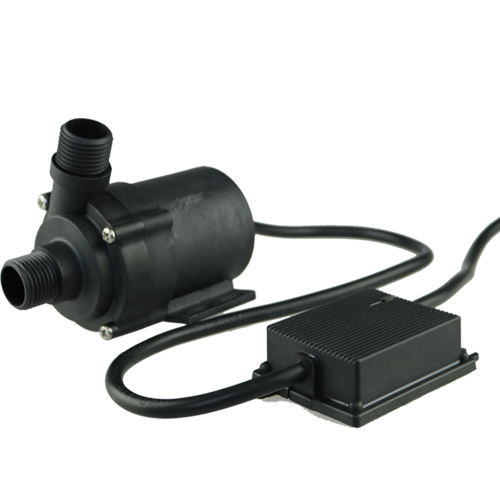
Why Are Micro Pumps Used in Coffee and Beverage Machines?
Coffee machines and beverage equipment often contain several components that need a controlled water supply or liquid transfer function.
Depending on the machine design, a pump may supply water to a heating system, move liquid between internal components or support a circulation process.
Micro pumps are considered for compact beverage equipment because they can offer:
Compact dimensions: Suitable for equipment with limited internal installation space.
Flexible DC motor configurations: Electrical options that can be evaluated according to the equipment design.
Application-specific performance: Flow and pressure characteristics matched to the intended fluid handling function.
Flexible connections: Different inlet, outlet and tubing arrangements, depending on the selected model.
OEM integration: Pump configurations that can be evaluated together with the machine’s mechanical and electrical systems.
However, the pump must be selected according to its actual function. A water circulation pump, an ingredient transfer pump and an espresso extraction pump may have very different performance requirements.
Common Applications of Micro Pumps in Coffee and Beverage Equipment
Micro pumps can support different fluid handling functions in coffee and beverage machines. Their suitability depends on the machine’s working principle and the required operating conditions.
1. Automatic Coffee Machines
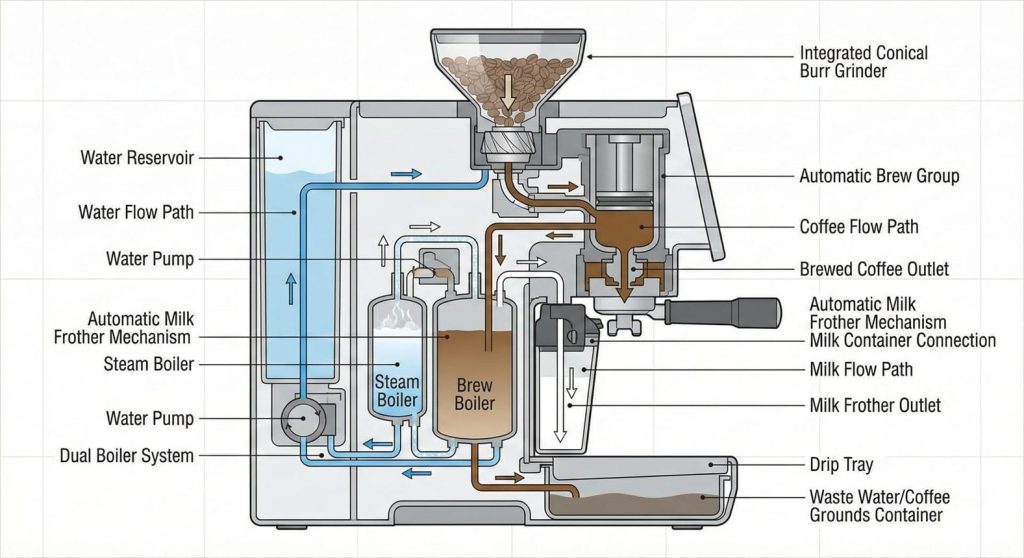
Automatic coffee machines combine water supply, heating, brewing and beverage preparation functions in a compact structure.
Depending on the design, pumps may be used for:
Water transfer to internal heating components
Water supply to brewing units
Internal water circulation
Auxiliary water delivery
Selected cleaning and flushing functions
OEM manufacturers should consider the required flow rate, operating pressure, water temperature and expected operating frequency.
The pump also needs to work reliably with the machine’s tubing, valves, heating components and control system.
2. Espresso Coffee Machines
Espresso machines require water to pass through finely ground coffee under controlled brewing conditions.
The pressure and flow requirements depend on the machine design, brewing system and extraction process.
It is important to distinguish between a pump used for general water circulation and a dedicated espresso extraction pump.
Traditional espresso machines commonly use specialized high-pressure pump designs, such as vibration pumps or rotary pumps. A general-purpose micro centrifugal water pump should not be assumed suitable for this application.
For OEM manufacturers developing espresso equipment, the pump must be evaluated against:
Required brewing pressure
Water flow during extraction
Operating cycle and frequency
Temperature conditions
Pressure stability
Mechanical and electrical integration
JIGU’s standard micro centrifugal water pumps should not be presented as direct replacements for dedicated high-pressure espresso pumps without model-specific technical verification.
3. Commercial Beverage Dispensers
Commercial beverage dispensers are used in restaurants, offices, hotels and other food service environments.
Depending on the machine design, pumps may support:
Water supply to beverage preparation modules
Liquid transfer between internal containers
Water circulation
Dispensing system operation
Auxiliary cleaning functions
Different beverage machines may handle water, concentrated ingredients or prepared liquids. These fluids can have different viscosity and material compatibility requirements.
When selecting a pump, OEM manufacturers should identify the exact liquid being transferred and whether the pump is in direct contact with the finished beverage or only supplies water to another component.
4. Hot and Cold Beverage Equipment
Some beverage machines include heating or cooling functions in addition to liquid transfer.
Examples include:
Hot water dispensers
Automatic tea preparation equipment
Cold beverage dispensers
Compact drink preparation machines
Temperature-controlled beverage equipment
A pump may support water delivery, internal circulation or selected liquid handling functions.
Temperature is particularly important in these applications. A pump suitable for room-temperature water may not be suitable for hot water or repeated exposure to elevated temperatures.
OEM designers should verify the temperature limits of the pump, motor, housing, seals and other wetted components.
5. Compact Water and Beverage Preparation Equipment
Other compact beverage equipment may use micro pumps for internal water delivery or liquid transfer.
Potential applications include:
Automatic beverage preparation appliances
Compact hot water systems
Beverage ingredient dispensing modules
Specialized drink preparation equipment
Integrated water supply modules
The pump’s function should be clearly defined during the equipment design stage.
For example, transferring clean water, circulating water and dosing a concentrated beverage ingredient are different tasks. They may require different pump technologies and material configurations.
Which Pump Type Is Suitable for Coffee and Beverage Machines?
Different pump technologies have different operating characteristics. The most suitable choice depends on the fluid, flow rate, pressure, temperature and intended function.
1. Micro Centrifugal Water Pumps
Micro centrifugal water pumps are commonly considered for water circulation and liquid transfer applications.
An impeller rotates inside the pump to transfer energy to the liquid. The resulting flow and pressure depend on the pump design and the resistance of the connected system.
Potential applications in beverage equipment include:
Internal water circulation
Water supply for selected machine modules
Liquid transfer in compact beverage appliances
Auxiliary water delivery
Selected cooling or circulation circuits
When evaluating a centrifugal pump, OEM manufacturers should consider:
Required flow rate at the operating pressure
Water temperature
Inlet conditions
Wetted material compatibility
Installation dimensions
Electrical requirements
Operating frequency
JIGU’s micro water pumps use brushless DC motors. The specific flow, pressure and temperature limits should be confirmed for the selected model.
Explore JIGU Micro Centrifugal Water Pumps for more information.
2. Micro Diaphragm Pumps
Micro diaphragm pumps use reciprocating diaphragm movement and valve operation to move fluids.
Depending on their configuration, diaphragm pumps can be designed for liquid transfer or gas handling.
For beverage equipment, liquid diaphragm pump configurations may be considered for selected water supply and liquid transfer functions.
Potential advantages include:
Compact pump construction
Different flow and pressure configurations
DC motor options
Application-specific liquid handling designs
However, performance depends on the specific model. Flow rate, operating pressure, temperature, valve design and wetted materials must all be evaluated.
JIGU offers micro diaphragm pumps for liquid and gas applications. Brushless DC motors are a main offering, while brushed motor options may also be available depending on the model.
Learn more about JIGU Micro Diaphragm Pumps.
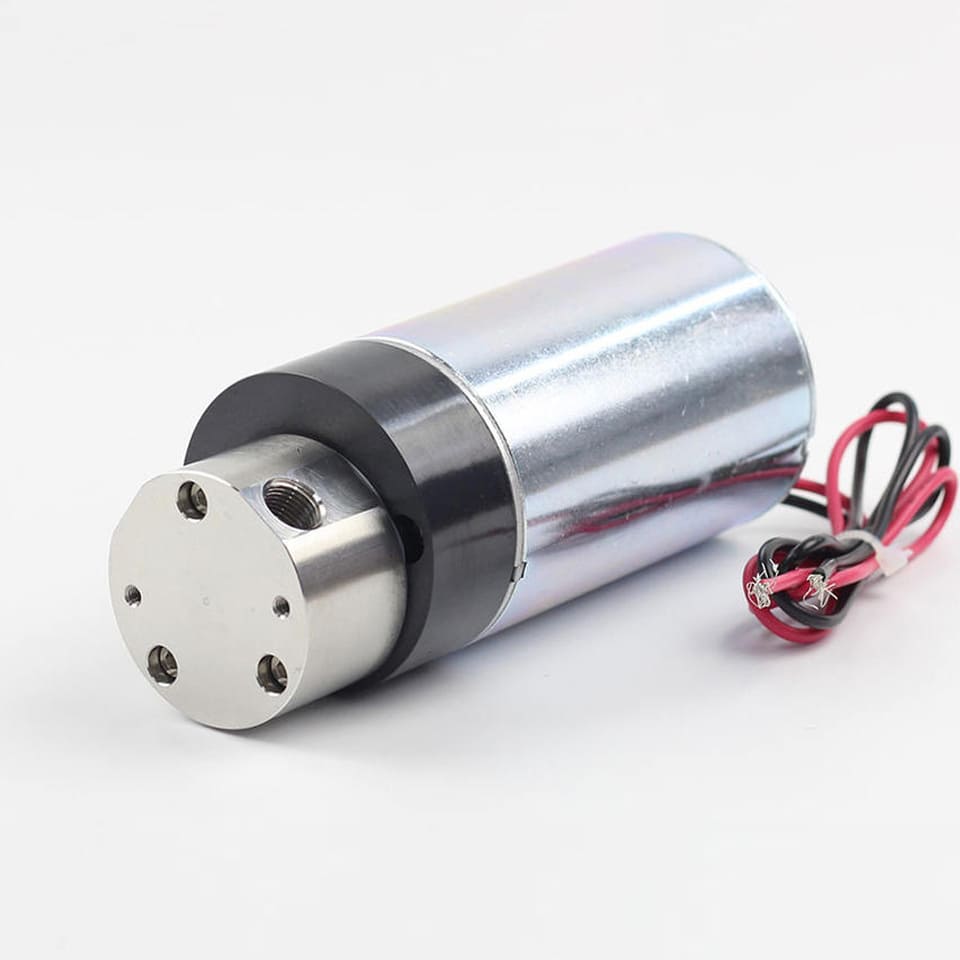
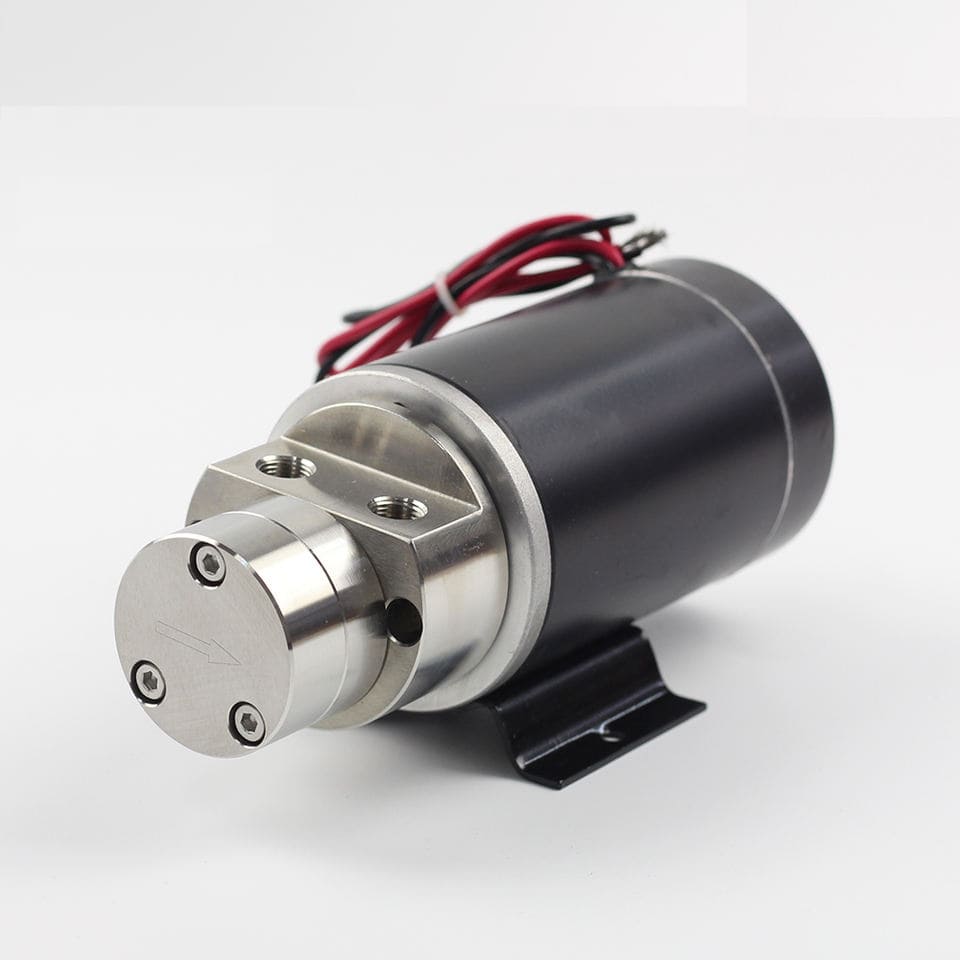
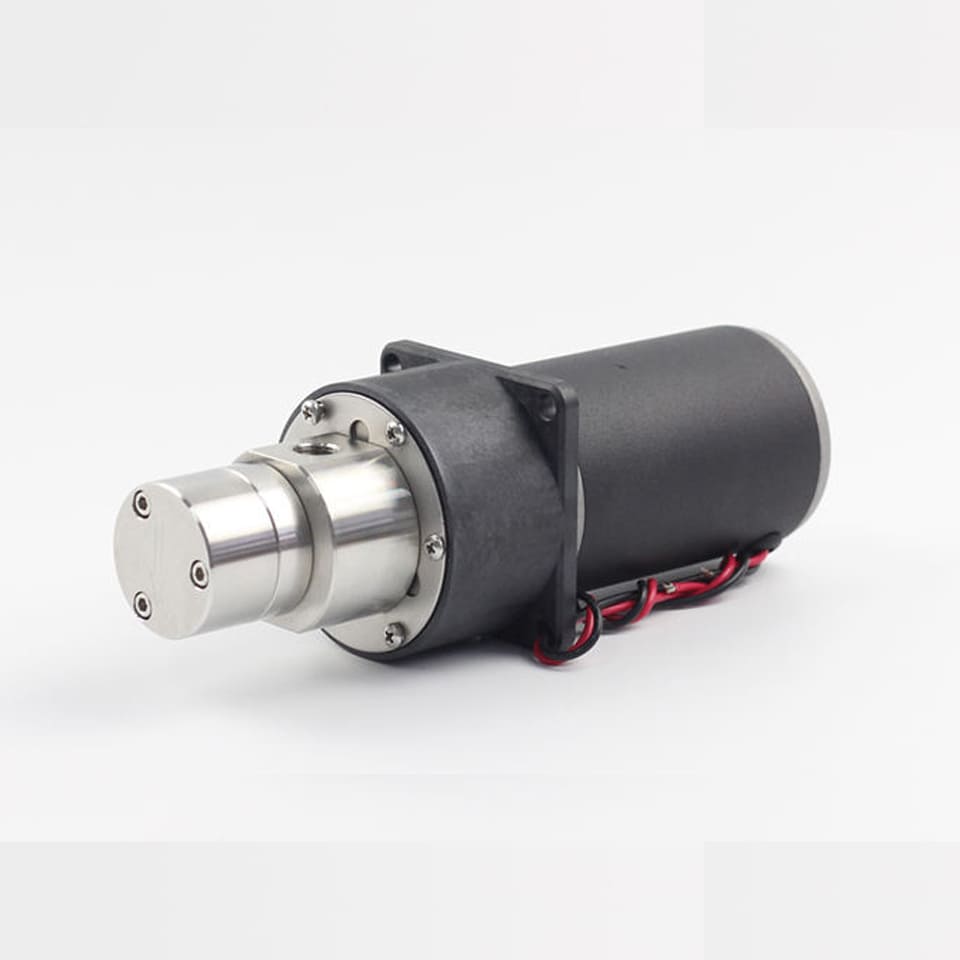
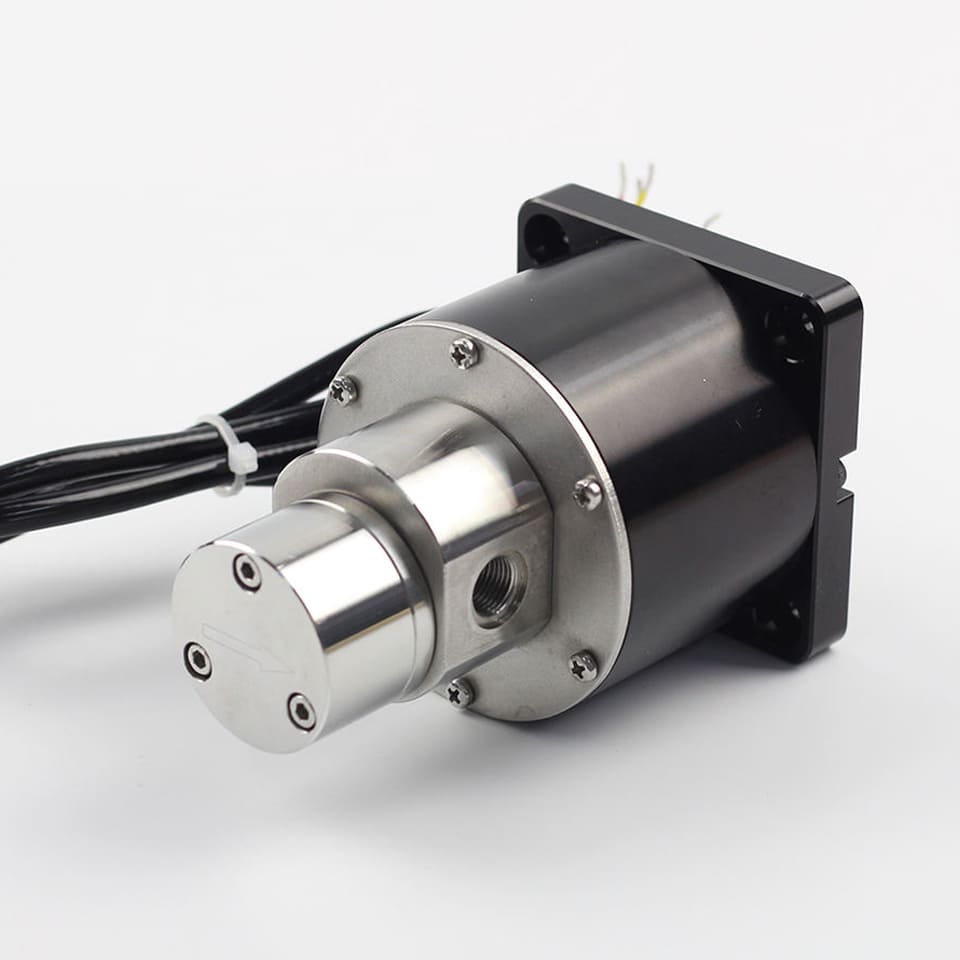
3. Magnetic Drive Gear Pumps
Magnetic drive gear pumps may be considered for selected liquid transfer applications where their operating characteristics match the equipment requirements.
The magnetic coupling transfers torque from the motor to the pump mechanism without requiring a conventional dynamic shaft seal between the motor and pump chamber. This helps reduce potential leakage paths associated with a traditional shaft seal.
For beverage equipment, however, a magnetic drive gear pump is not automatically suitable for direct beverage contact.
Before considering this pump type, OEM manufacturers should evaluate:
Liquid composition and viscosity
Required flow and operating pressure
Wetted material compatibility
Operating temperature
Internal clearances and liquid cleanliness
Applicable food-contact requirements
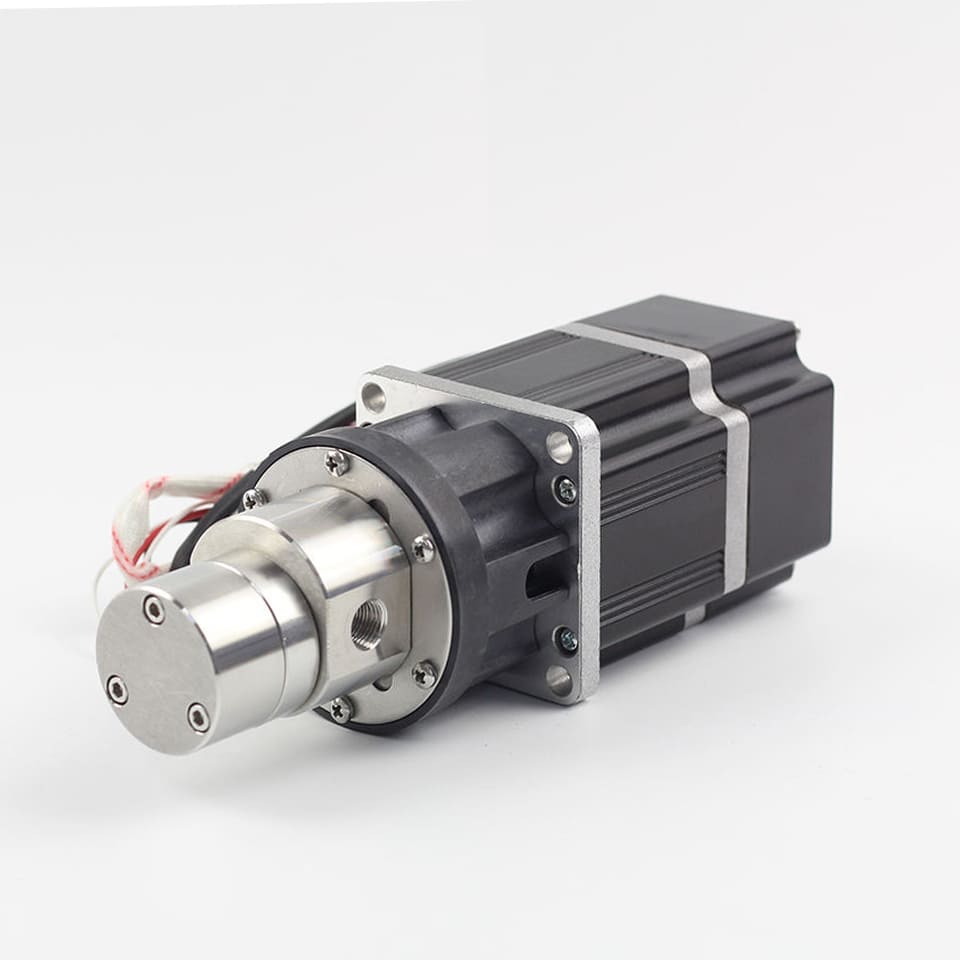
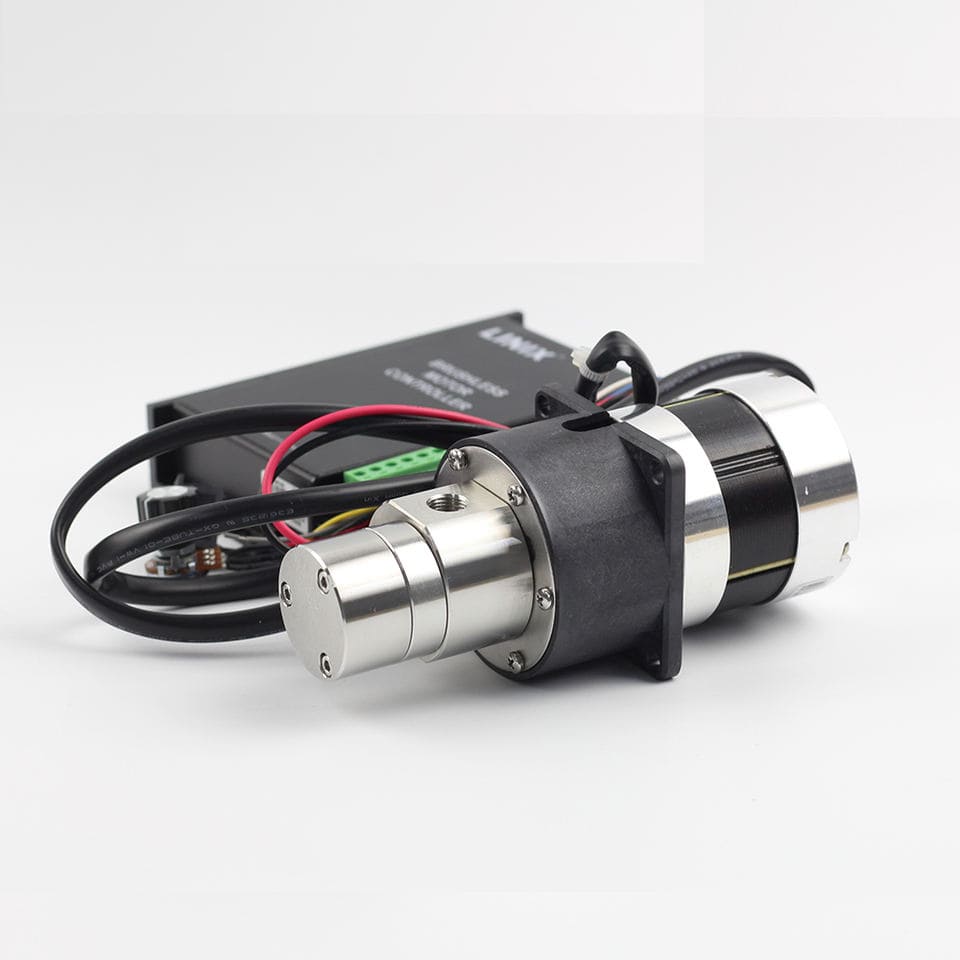
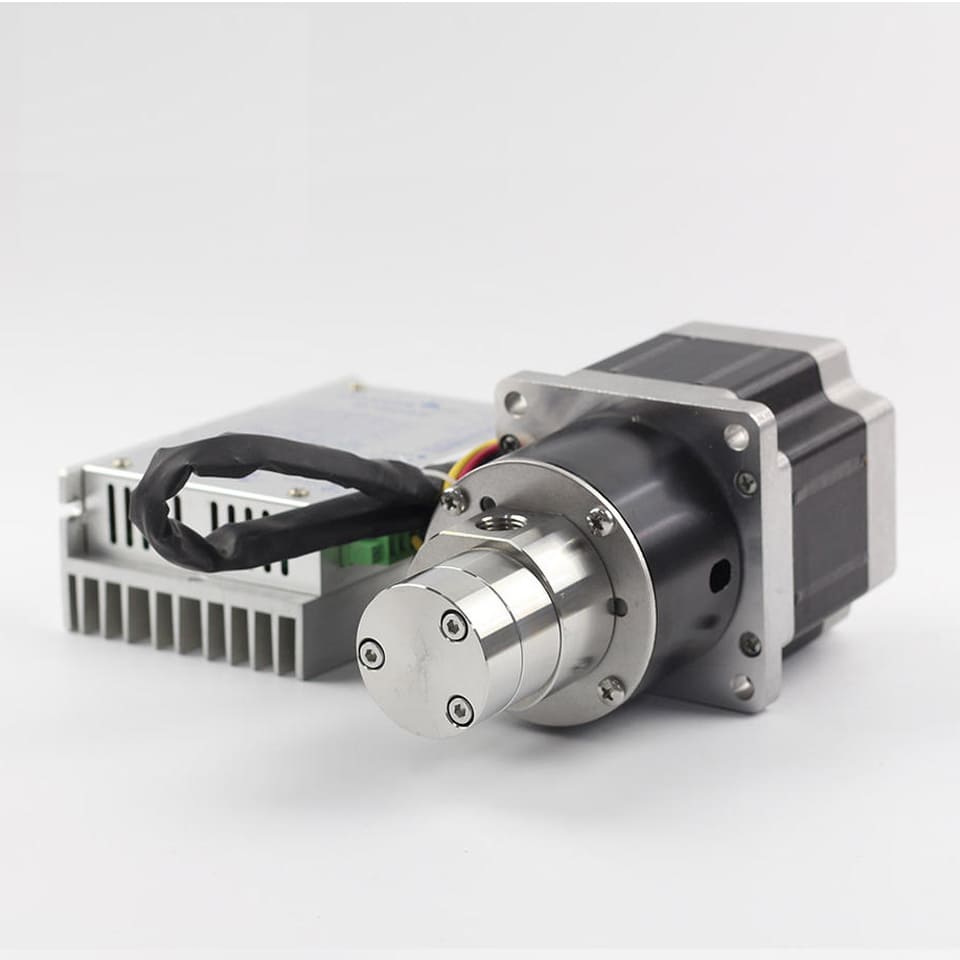
JIGU offers magnetic drive gear pumps with brushless DC motors as a main configuration. Brushed motor options may also be available depending on the selected model.
Explore JIGU Magnetic Drive Gear Pumps for more information.
Key Factors When Selecting a Micro Pump for Beverage Equipment
Choosing a suitable pump requires understanding the complete beverage preparation process and the conditions under which the pump will operate.
1. Flow Rate and Operating Pressure
Flow rate determines how much liquid the pump can deliver over a given period. Operating pressure determines whether the pump can overcome the resistance of the connected system.
The required values depend on the machine’s design and the function performed by the pump.
For example, an internal water circulation circuit may require different performance from a water supply circuit or an espresso extraction system.
OEM designers should identify the required flow at the actual operating pressure rather than selecting a pump based only on its maximum flow rating.
Maximum flow and maximum pressure are not necessarily available at the same operating point.
For more information, see our guide to Micro Pump Flow Rate and Pressure.
2. Water Temperature and Operating Conditions
Coffee and beverage machines may expose pumps to different temperature conditions.
Some pumps handle cold or room-temperature water, while others may operate in systems where water temperature increases during the preparation process.
Important considerations include:
Normal operating water temperature
Maximum temperature exposure
Ambient temperature around the pump
Startup and shutdown frequency
Continuous or intermittent operation
Heat transfer from nearby heating components
Temperature limits should be confirmed for the complete pump assembly, including the housing, seals, valves, motor and other relevant components.
A pump should not be assumed suitable for hot water simply because it can handle ordinary water.
3. Food Contact Materials and Fluid Compatibility
For beverage equipment, material compatibility is an important part of pump selection.
If the pump comes into direct contact with water or beverage ingredients, all wetted components need to be evaluated for the intended application.
These may include:
Pump housing
Internal fluid-contact components
Seals and gaskets
Diaphragms and valves
Inlet and outlet connections
Tubing and other connected components
The evaluation should consider liquid composition, temperature, contact conditions and the requirements of the target market.
Water and beverage ingredients are not necessarily interchangeable from a material compatibility perspective. Syrups, concentrates and other ingredients may have different viscosity and chemical properties.
For additional guidance, see our article on Micro Pump Materials and Fluid Compatibility.
4. Noise and Vibration
Noise is particularly important in household coffee machines, office beverage equipment and other appliances used near customers or employees.
Potential noise sources include:
Motor operation
Mechanical vibration
Fluid movement
Pump mounting and structural resonance
Tubing contact with the equipment enclosure
OEM manufacturers should consider pump mounting, vibration isolation, tubing arrangement and operating conditions during equipment development.
Brushless motors eliminate mechanical brush wear, but this does not mean the complete pump operates without noise or vibration.
Testing the pump inside the actual equipment is important because the machine enclosure can amplify certain frequencies.
See our guide to Micro Pump Noise and Vibration.
5. Reliability and Operating Frequency
Coffee and beverage equipment may operate many times throughout the day.
The pump’s suitability should be evaluated according to the expected operating cycle, including:
Number of daily operating cycles
Duration of each pumping cycle
Startup and shutdown frequency
Water temperature
Operating pressure
Maintenance requirements
Brushless motors eliminate mechanical brush wear, but overall pump service life also depends on other components and operating conditions.
For example, diaphragm pumps require consideration of diaphragm and valve wear, while centrifugal pumps need to be evaluated under their intended hydraulic and thermal conditions.
For more information, see Micro Pump Reliability and Service Life.
6. Installation Space and Electrical Requirements
Compact beverage machines often have limited internal installation space.
The pump needs to fit the equipment structure while maintaining suitable inlet and outlet connections and allowing for electrical wiring.
Important details include:
Pump dimensions
Mounting position and orientation
Inlet and outlet direction
Tubing and connector size
Supply voltage and current
Startup current
Wiring and electrical connectors
Motor control requirements
If the equipment requires speed adjustment or special control functions, these must be confirmed for the specific pump model and its electrical interface.
OEM Pump Integration and Customization
For coffee machine and beverage equipment manufacturers, pump selection should be considered during the early stages of product development.
The pump needs to work with the equipment’s water supply, heating components, valves, tubing and electrical control system.
Depending on the selected pump model and engineering evaluation, OEM requirements may involve:
Flow rate and pressure configuration
Brushless or brushed motor options
Supply voltage
Pump housing and wetted material selection
Inlet and outlet connection design
Installation dimensions
Wiring and electrical connectors
Control requirements
Not every model supports every customization option. Each requirement needs to be evaluated against the pump design and intended operating conditions.
When discussing an OEM pump project, equipment manufacturers can provide:
Type of coffee or beverage machine
Pump function within the equipment
Required flow rate and operating pressure
Water or beverage liquid temperature
Liquid composition and material requirements
Available installation dimensions
Electrical supply and control requirements
Expected operating cycle
If complete specifications are not available, equipment photos, a system diagram or an existing pump sample can help start the technical discussion.
JIGU works with OEM equipment manufacturers to evaluate micro pump requirements. Read our guide to Micro Pump Customization for more information about possible customization considerations.
Important Considerations for Beverage and Drinking Water Applications
When a pump is used in coffee machines or beverage equipment, the requirements may go beyond ordinary liquid handling.
If the pump comes into contact with drinking water or beverage ingredients, the suitability of the wetted materials needs to be evaluated against the relevant requirements for the target market and equipment type.
OEM manufacturers should pay attention to three areas.
1. Food-contact material suitability
The pump’s wetted materials, seals, tubing and connectors should be reviewed for the intended liquid, temperature and contact conditions.
For example, NSF/ANSI 51 Food Equipment Materials addresses materials and finishes used in commercial food equipment. Its scope includes components such as tubing, sealants, gaskets and valves.
2. Applicable food-contact regulations
Requirements vary by country and application.
For the U.S. market, the FDA’s Inventory of Food Contact Substances Listed in 21 CFR provides information about substances authorized for specified food-contact uses and conditions.
A material’s general chemical identity alone does not establish that it is suitable for every food-contact application. The intended use and applicable conditions must be considered.
3. Complete equipment evaluation
A pump component’s material suitability does not automatically establish that the finished coffee machine or beverage dispenser complies with all applicable food safety, sanitation or certification requirements.
The equipment manufacturer is responsible for determining the requirements for the finished product and validating the complete system.
Any food-contact or certification claims for a pump should be supported by the relevant documentation for the actual model and material configuration.
Common Mistakes When Selecting a Coffee Machine Pump
Several mistakes can lead to poor pump selection or problems during equipment integration.
1. Treating all coffee machines as the same application
Automatic coffee machines, espresso machines and beverage dispensers have different pumping functions and performance requirements.
2. Selecting a pump only by maximum flow rate
The actual flow depends on operating pressure and system resistance. The required operating point should be considered.
3. Ignoring water temperature
A pump suitable for room-temperature water may not be suitable for hot water or repeated temperature exposure.
4. Overlooking food-contact requirements
The pump’s wetted materials need to be evaluated for the actual liquid and target market.
5. Testing the pump separately from the equipment
A pump that performs well in a basic test setup may behave differently after installation. Testing should include representative tubing, valves, heating components and operating cycles.
Frequently Asked Questions
1. What Type of Pump Is Used in a Coffee Machine?
Coffee machines use different pump technologies depending on their design and function.
Automatic coffee machines may use pumps for water supply and internal fluid handling. Espresso machines commonly use dedicated high-pressure pump designs for brewing.
The appropriate pump depends on the machine’s required flow, pressure and operating conditions.
2. Can a Micro Centrifugal Pump Be Used in a Coffee Machine?
A micro centrifugal pump may be suitable for selected water circulation or water transfer functions in coffee and beverage equipment.
However, it should not automatically be considered suitable for high-pressure espresso extraction. The pump’s performance must be checked against the actual application.
3. What Pressure Is Required for an Espresso Coffee Machine?
The required brewing pressure depends on the espresso machine design and its brewing system.
A dedicated high-pressure pump is normally used for espresso extraction. OEM manufacturers should refer to the brewing system specifications and evaluate the pump’s pressure and flow performance under actual operating conditions.
4. What Materials Are Suitable for Beverage Equipment Pumps?
Material suitability depends on the liquid, temperature, contact conditions and applicable food-contact requirements.
Pump housings, internal components, seals and connections should all be evaluated. Materials should not be assumed suitable for beverage contact without appropriate documentation.
5. Can Micro Pumps Handle Hot Water?
Some micro pumps may be suitable for selected hot water applications, but the allowable temperature depends on the specific model and material configuration.
The pump housing, seals, valves, motor and other components should be evaluated at the intended operating temperature.
6. Can JIGU Customize Pumps for Coffee and Beverage Machines?
JIGU provides micro pump solutions for OEM equipment manufacturers.
Depending on the selected model and engineering evaluation, requirements such as motor configuration, voltage, connections, installation dimensions and performance may be discussed.
OEM manufacturers can share their equipment design and technical requirements for an initial evaluation.
Looking for a Micro Pump for Your Coffee or Beverage Equipment?
Selecting a suitable pump is an important part of developing reliable coffee machines and beverage equipment.
The right solution depends on the pump’s function, required flow and pressure, liquid temperature, material compatibility and equipment integration requirements.
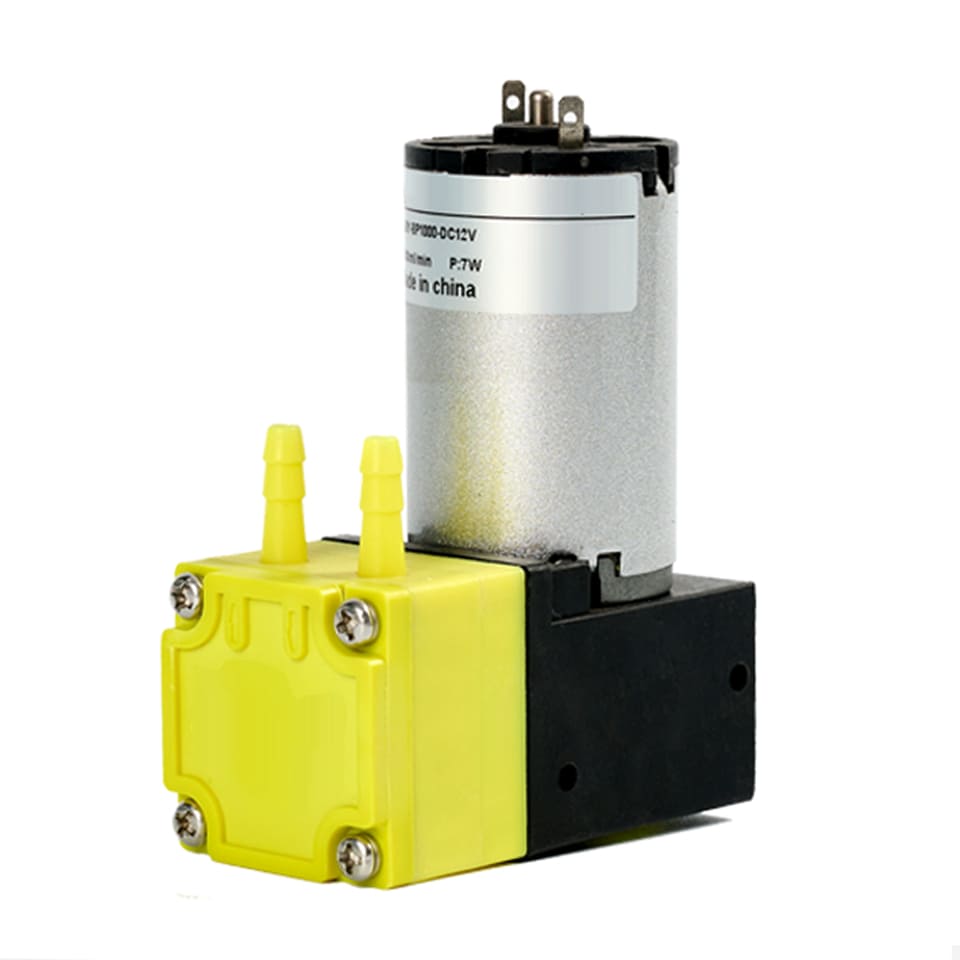
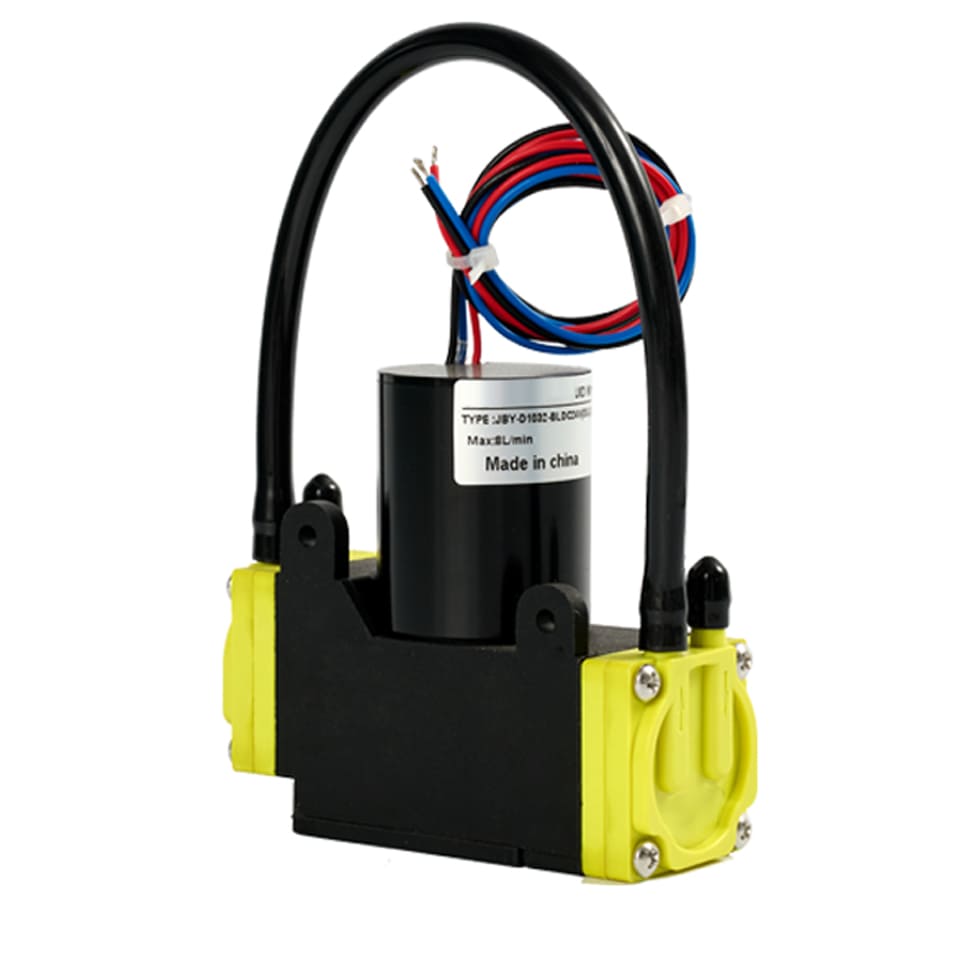
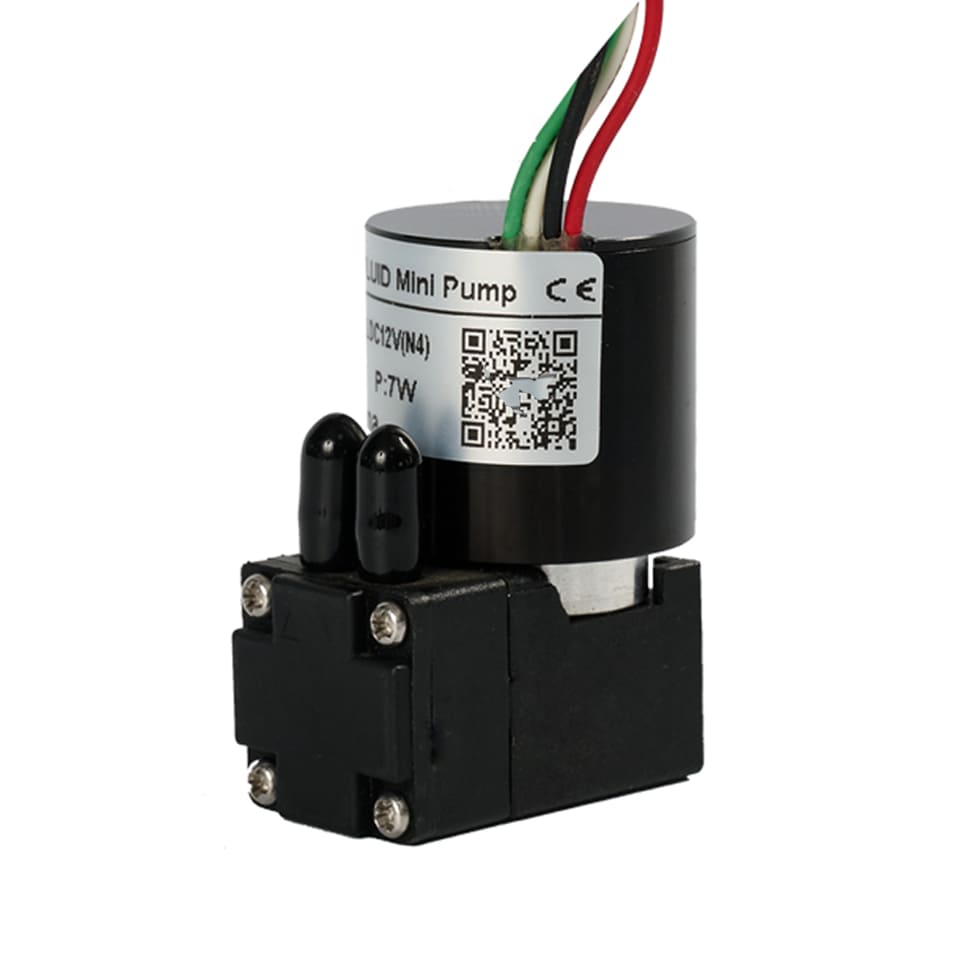
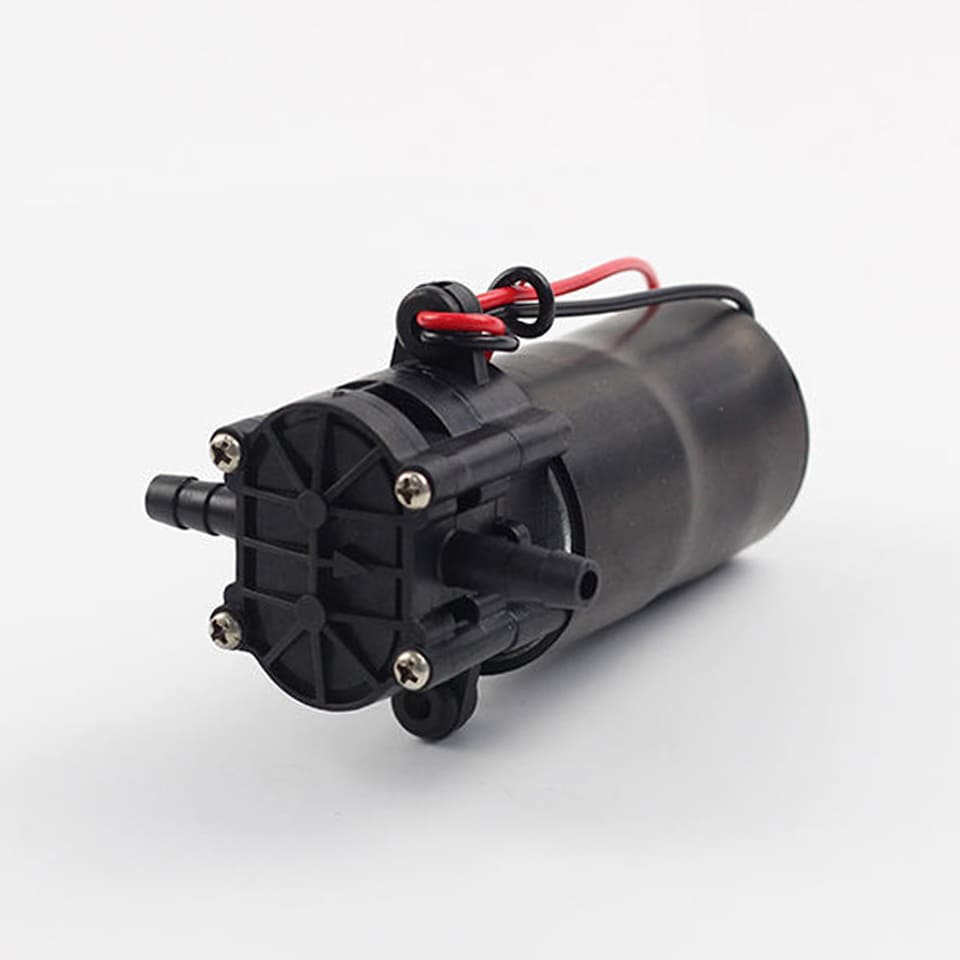
JIGU manufactures micro centrifugal water pumps, micro diaphragm pumps and magnetic drive gear pumps for different OEM applications.
If you are developing a coffee machine, beverage dispenser or other compact liquid handling equipment, contact our team to discuss your application and pump requirements.
Contact JIGU for OEM Micro Pump Solutions
Related Products
Reach Out Today
Looking for a micro pump manufacturer for your project? Contact JIGU Pump to discuss your application requirements and get a suitable pump recommendation and quotation.

Share Your Requirements
Share your application requirements, technical specifications, drawings, or reference images with our team.

Receive a Solution & Quotation
Our team will review your requirements and provide a suitable pump recommendation and quotation.

Confirm & Start Production
After sample approval and order confirmation, we proceed with production and arrange shipment according to the agreed schedule.