
Micro Pumps for Water Purification and Filtration Systems
Micro Pumps for Water Purification and Filtration Systems
Micro pumps for water purification systems help move water through compact filtration equipment, support liquid circulation and provide fluid transfer for different treatment processes. They can be found in selected residential water purifiers, commercial filtration units, laboratory water systems and other OEM equipment.
For equipment manufacturers, choosing a suitable pump involves more than comparing flow rates. The pump must match the system’s pressure requirements, filtration process, water quality, material compatibility and installation conditions.
Different water purification technologies also have different pumping requirements. A pump used for general water circulation may not be suitable for supplying the high pressure required by a reverse osmosis (RO) membrane.
This guide explains common applications of micro pumps in water purification equipment, compares relevant pump technologies and outlines important considerations for OEM pump selection and integration.
Why Are Micro Pumps Used in Water Purification Systems?
Water purification and filtration equipment often needs to move water through multiple treatment stages. Depending on the system design, these stages may include sediment filtration, activated carbon filtration, membrane separation, ultraviolet treatment and other processes.
A pump can provide the flow or pressure needed to move water between different components.
Micro pumps are considered in compact water purification equipment because they can offer:
Compact installation: Suitable dimensions for equipment with limited internal space.
Controlled water transfer: Flow and pressure characteristics that can be matched to a particular system.
DC motor options: Electrical configurations that can be evaluated for different equipment designs.
Flexible connections: Different inlet, outlet and tubing arrangements, depending on the pump model.
OEM integration: The ability to evaluate pump performance together with filters, valves, membranes and other system components.
Not every water purification system requires a pump. Some filtration devices operate using available water pressure or gravity, while others need additional pumping to achieve their intended performance.
The pump requirement should therefore be determined by the actual treatment process and system design.
Common Applications of Micro Pumps in Water Purification
Micro pumps may be used in different types of water purification and filtration equipment. Their specific role depends on the system architecture and the pressure required at each treatment stage.
1. Residential Water Purifiers
Residential water purifiers include under-sink systems, countertop units and compact drinking water equipment.
Depending on the design, a pump may support:
Water supply to filtration components
Internal water transfer between treatment stages
Pressure supply for selected filtration processes
Water circulation in compact equipment
Auxiliary flushing or cleaning functions
Some residential water purifiers operate using the available incoming water pressure. Others incorporate a pump when additional pressure or controlled water delivery is required.
For OEM manufacturers, important considerations include the available installation space, noise level, water pressure, electrical supply and connection design.
The pump must also be compatible with the water-contact components and the intended drinking water application.
2. Reverse Osmosis (RO) Water Purification Systems
Reverse osmosis is a membrane separation process in which pressure forces water through a semi-permeable membrane. The process produces treated water, known as permeate, and a separate concentrate or reject water stream.
The U.S. Environmental Protection Agency’s explanation of point-of-use RO systems provides an overview of this process.
In an RO system, pumping requirements depend on the membrane design, feed water pressure, required production rate and system configuration.
It is important to distinguish between different pumping functions:
RO membrane feed pumping: Supplies the pressure required to drive water through the membrane. This often requires a dedicated high-pressure pump designed for the membrane’s operating conditions.
General water transfer: Moves water between components or storage sections where the required pressure is lower.
Auxiliary circulation: Supports selected water movement or flushing functions, depending on the equipment design.
A compact micro pump should not automatically be considered suitable for RO membrane feed pressure. Its pressure capability must be verified against the actual membrane requirements.
For OEM manufacturers developing RO equipment, the pump, membrane, pre-filters, valves and tubing should be evaluated as one complete system.
3. Commercial Water Filtration Equipment
Commercial water filtration equipment is used in offices, restaurants, beverage equipment and other locations requiring treated water.
Examples include:
Commercial drinking water dispensers
Compact water filtration units
Beverage preparation equipment
Point-of-use filtration systems
Specialized water supply equipment
Depending on the equipment design, a micro pump may provide water transfer or support circulation through the filtration system.
The selection process should consider the required delivery rate, inlet conditions, operating pressure and expected usage frequency.
For equipment used frequently throughout the day, pump reliability, noise and operating temperature are also important.
4. Water Circulation and Filter Flushing Systems
Some filtration systems require water circulation or flushing to support their operating and maintenance processes.
A pump may be used for selected functions such as:
Moving water through an internal circulation loop
Supporting filter flushing
Transferring water between different chambers
Supplying water to auxiliary cleaning circuits
The required pump characteristics depend on the flushing method, flow direction, pressure and frequency of operation.
For example, a system that operates only during occasional flushing may have different duty-cycle requirements from one that circulates water continuously.
OEM designers should confirm whether the pump is expected to operate continuously, intermittently or only during specific cleaning cycles.
5. Laboratory and Specialized Water Treatment Equipment
Laboratory and specialized water treatment equipment may require controlled water delivery for different treatment or preparation processes.
Potential applications include:
Laboratory water purification units
Compact water preparation equipment
Specialized filtration instruments
Water supply modules for analytical equipment
In these applications, flow consistency, water quality, material compatibility and contamination control may be important.
The pump must be selected according to the actual water quality and the intended use of the treated water.
A pump suitable for general water circulation should not automatically be assumed suitable for ultrapure water systems or applications with special cleanliness requirements.

Which Pump Type Is Suitable for Water Purification Equipment?
Different pump technologies can serve different functions in water purification systems. The correct choice depends on the required pressure, flow, water quality and system configuration.
1. Micro Diaphragm Pumps
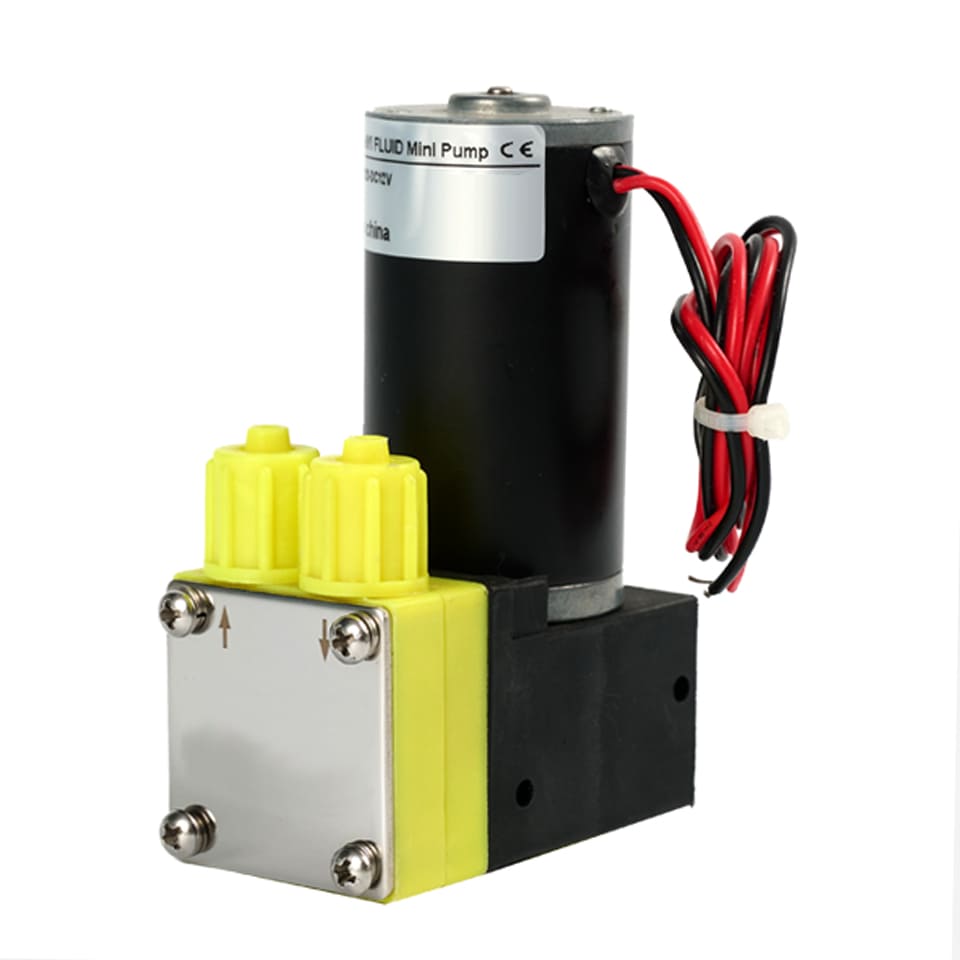
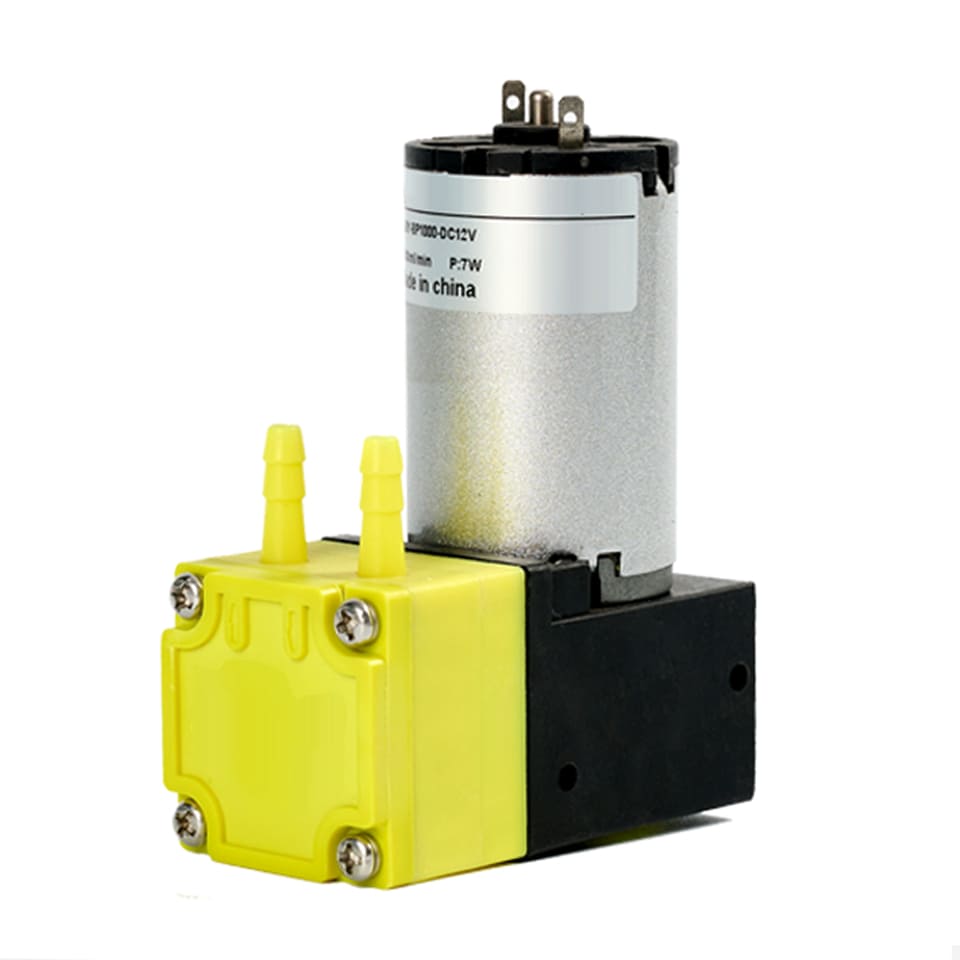
Micro diaphragm pumps use a reciprocating diaphragm and valve arrangement to move fluid. Depending on the design, they can be configured for liquid transfer or gas handling.
For water purification equipment, liquid diaphragm pump configurations may be considered for selected water supply and pressure delivery applications.
Potential advantages include:
Compact pump configurations
Different flow and pressure characteristics
DC motor options
Suitability for selected liquid transfer applications
However, the performance of a diaphragm pump depends on its specific configuration. Flow rate, pressure, operating cycle, valve design and wetted materials must all be checked.
For RO membrane feed applications, the pump must be specifically designed and rated for the required pressure. A general-purpose micro diaphragm pump should not be assumed to meet this requirement.
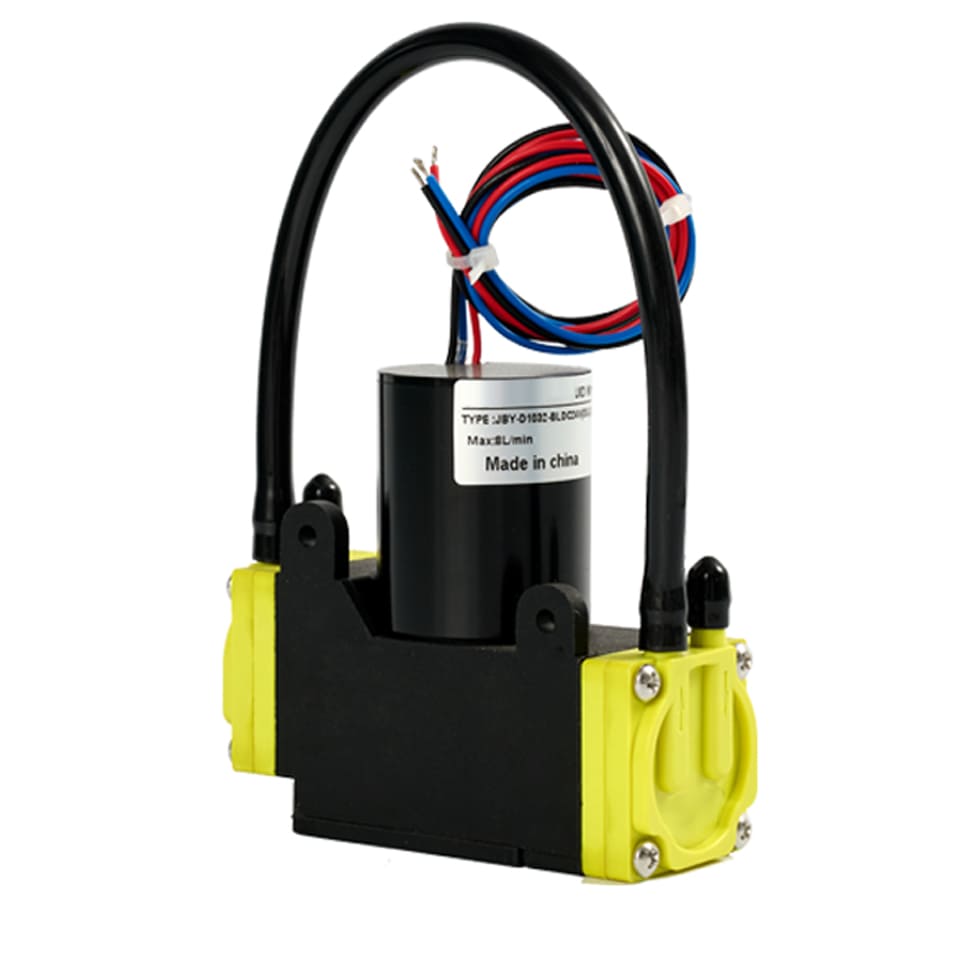
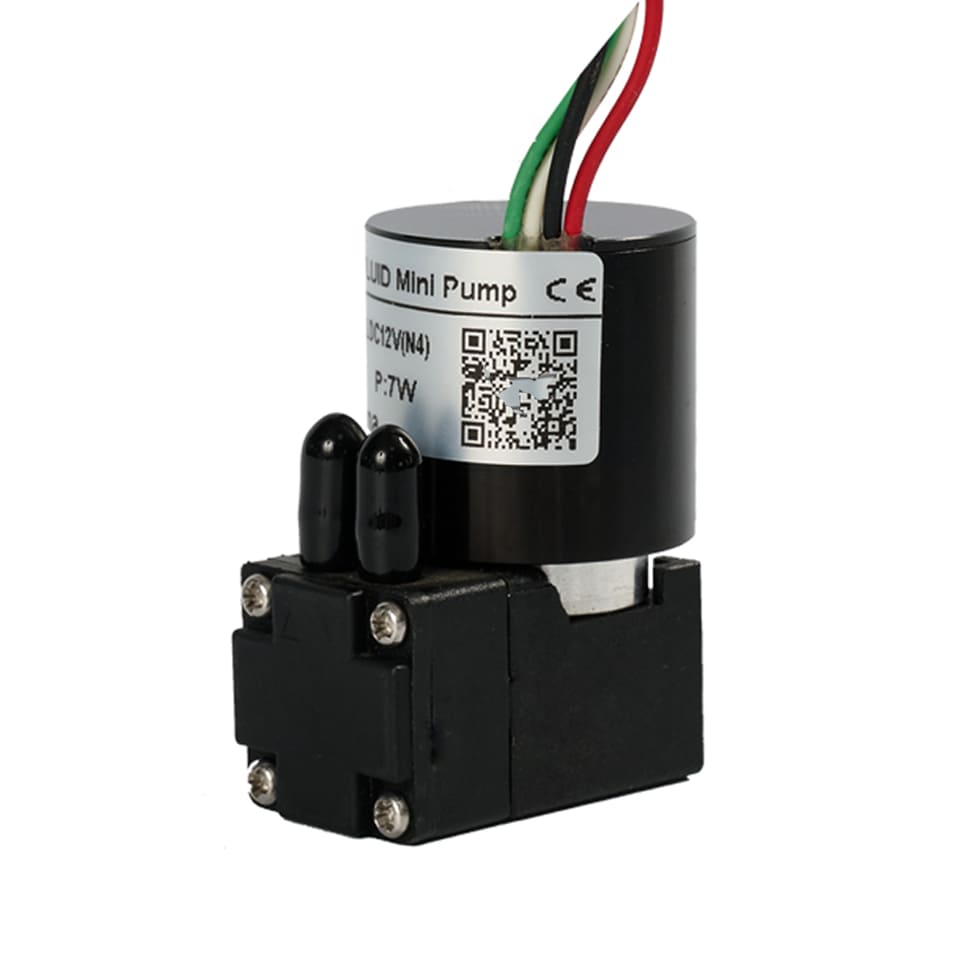
JIGU offers micro diaphragm pump configurations for liquid and gas applications, with brushless DC motors as a main offering and brushed options also available depending on the model.
Learn more about JIGU Micro Diaphragm Pumps.
2. Micro Centrifugal Water Pumps
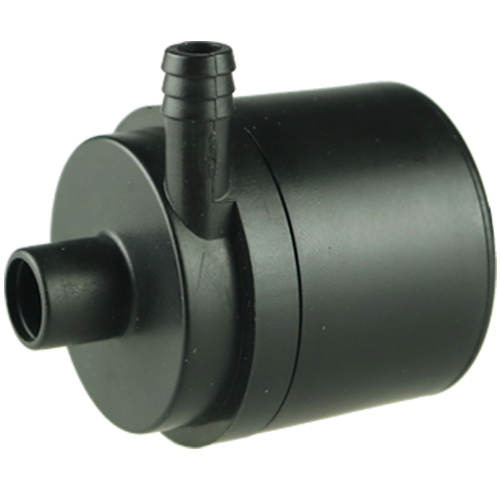
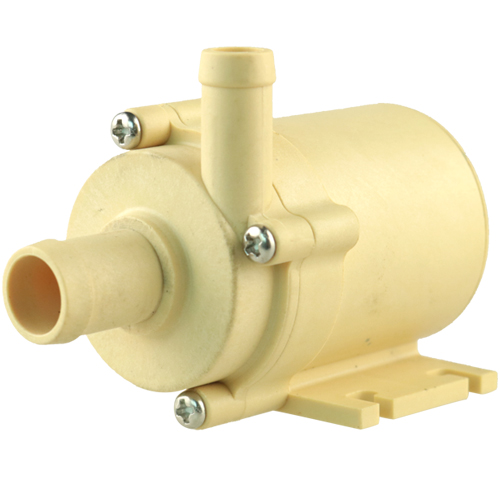
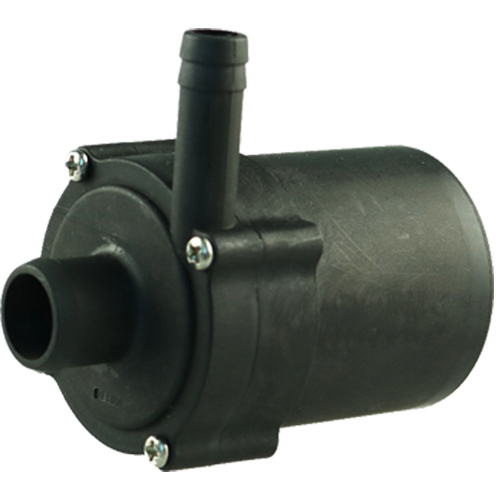
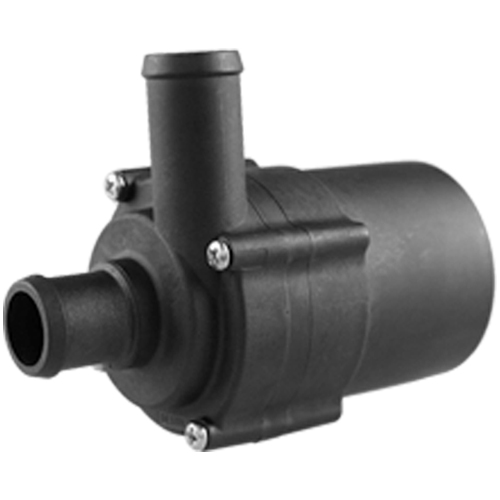
Micro centrifugal water pumps are commonly used for water circulation and liquid transfer.
An impeller rotates inside the pump to transfer energy to the liquid. The resulting flow and pressure depend on the pump design and the resistance of the connected system.
Potential applications in water purification equipment include:
Internal water circulation
Water transfer between system components
Compact filtration equipment
Auxiliary water supply
Selected flushing and circulation circuits
When evaluating a centrifugal pump, OEM manufacturers should consider:
Required flow rate at the operating pressure
System resistance
Water temperature
Inlet conditions
Pump housing and wetted material compatibility
Installation space and connection design
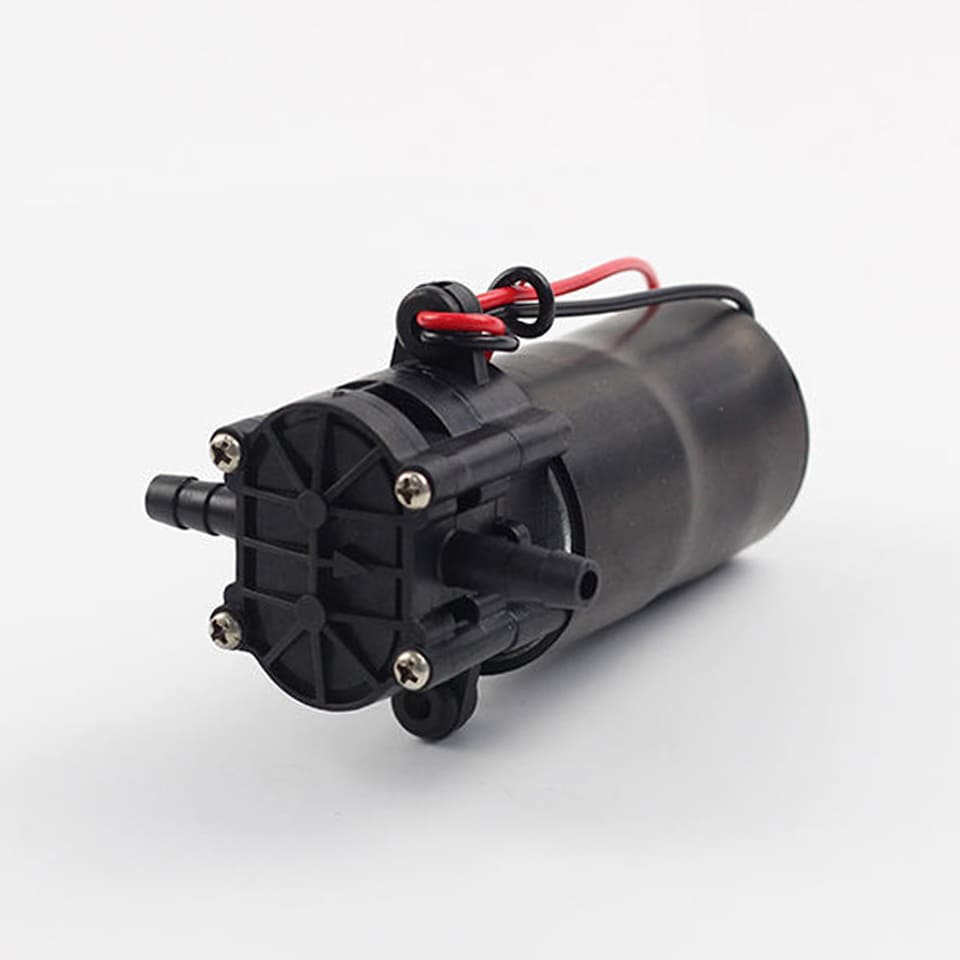
JIGU’s micro water pumps use brushless DC motors. The actual flow, pressure and water compatibility should be confirmed for the selected model.
Explore JIGU Micro Centrifugal Water Pumps for more information.
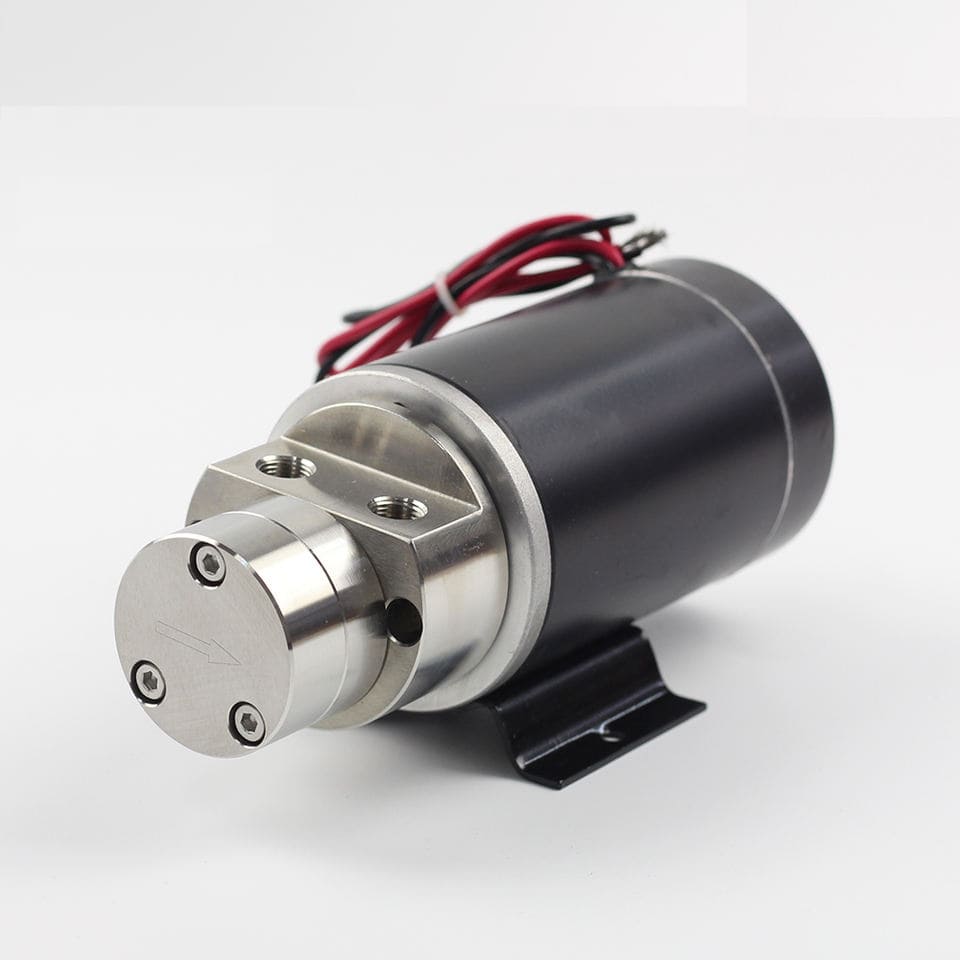
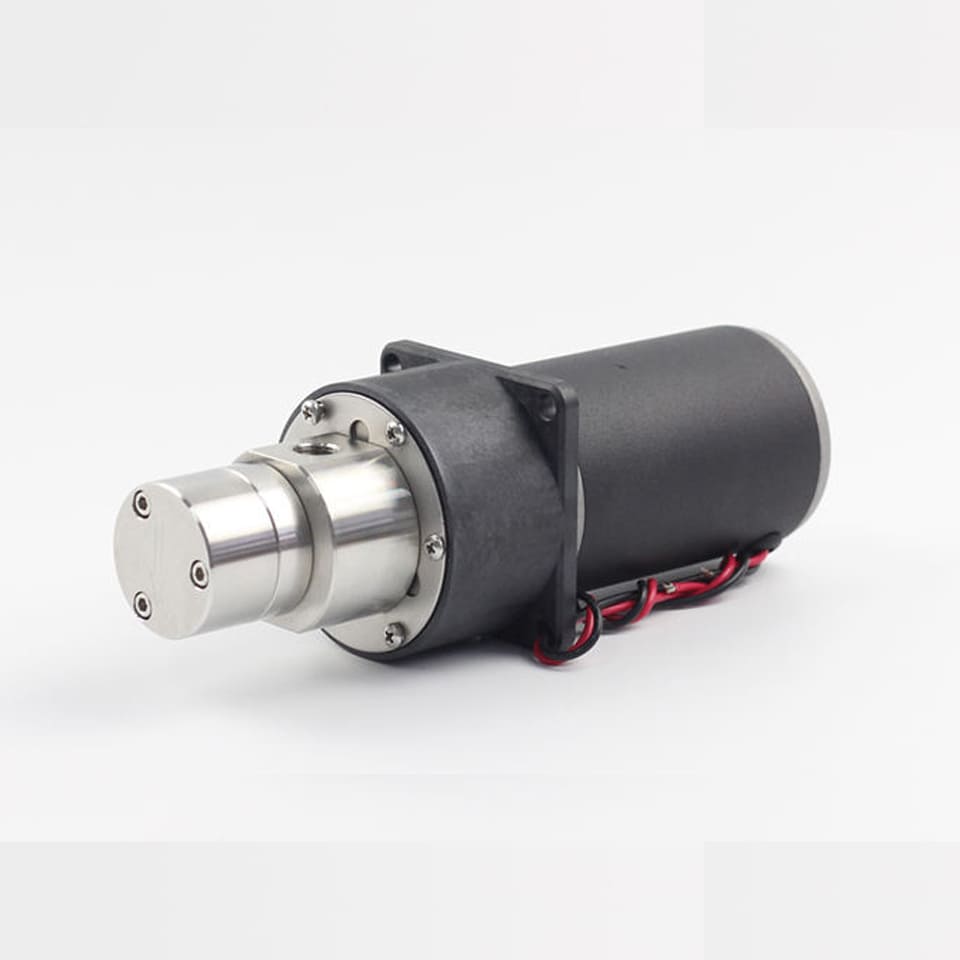
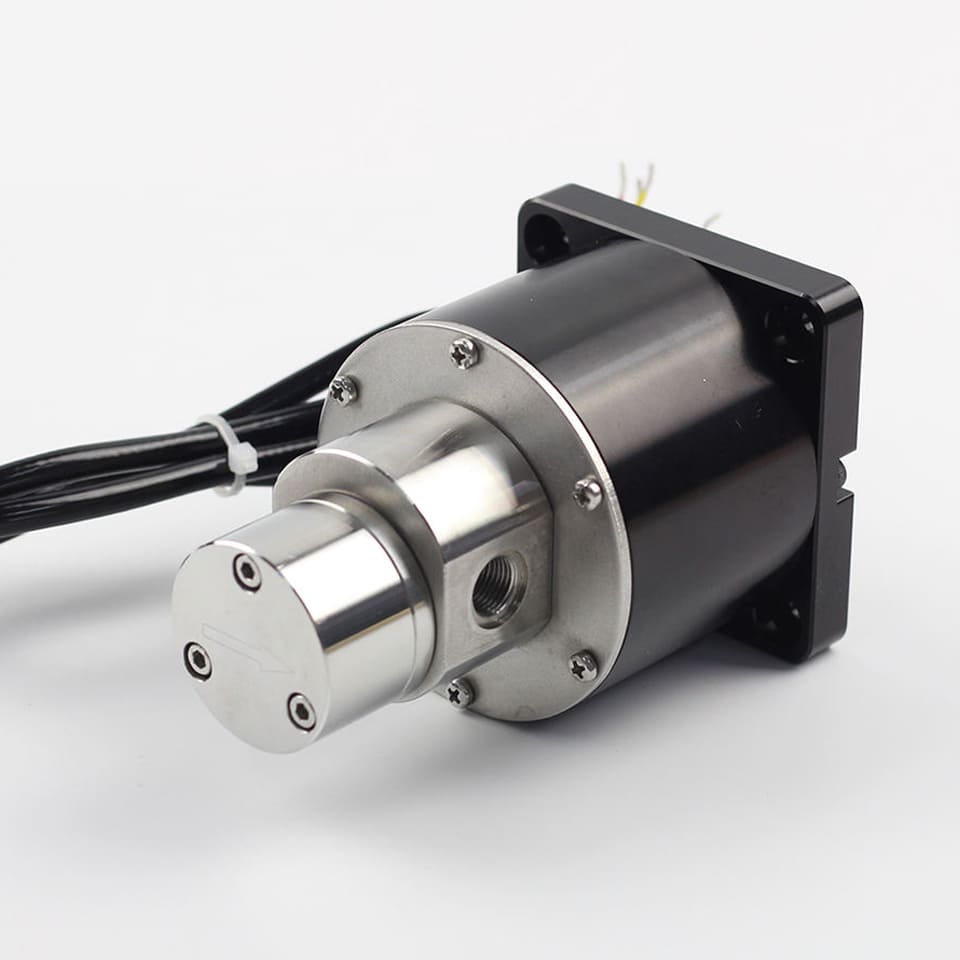
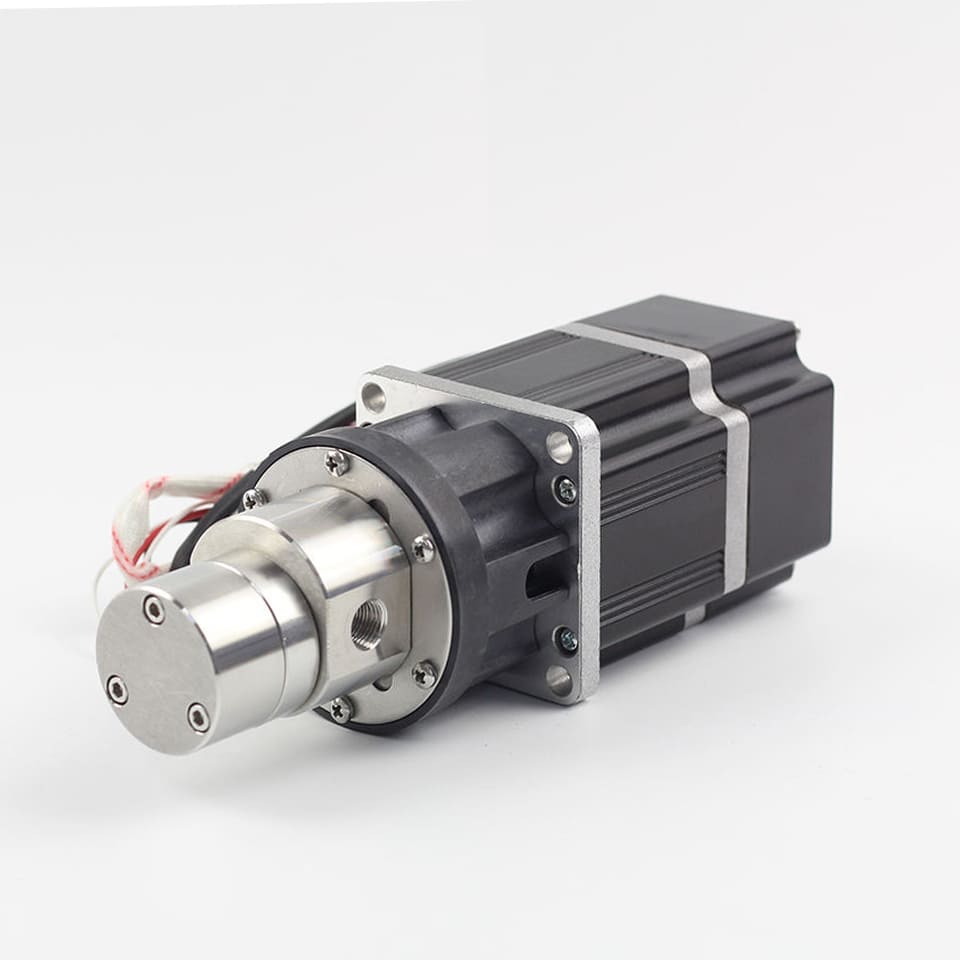
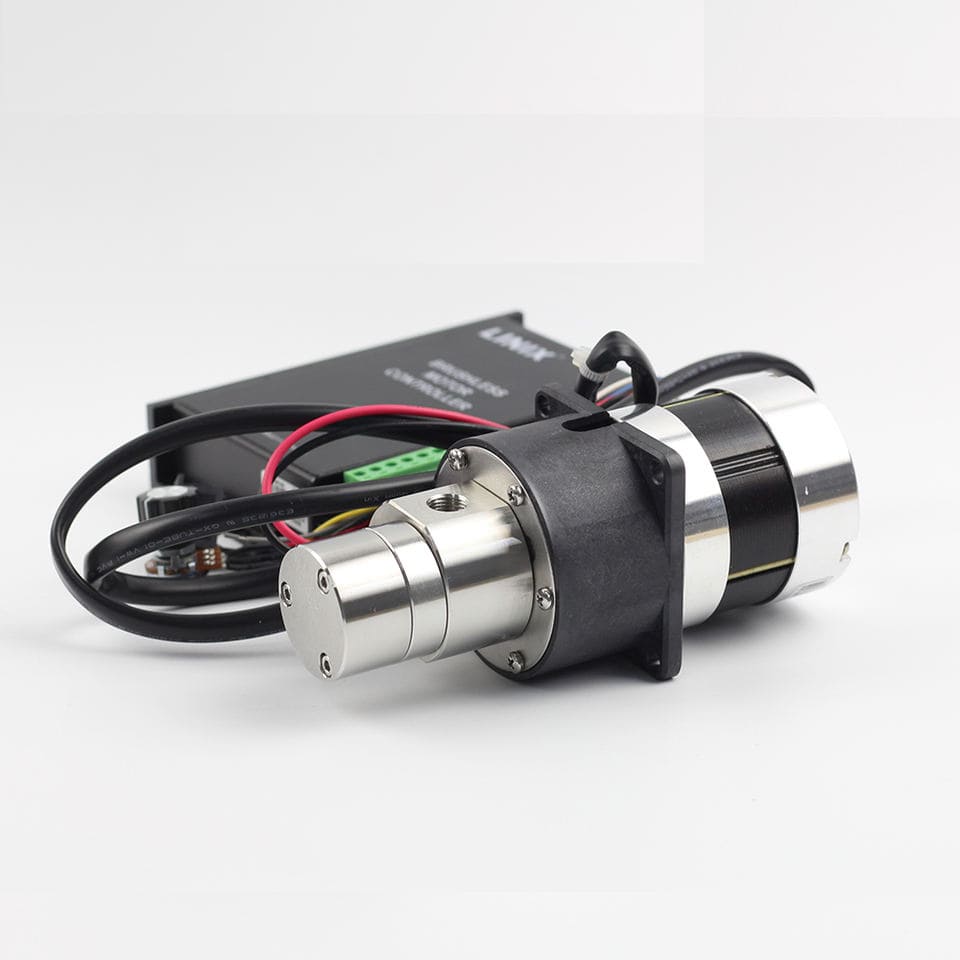
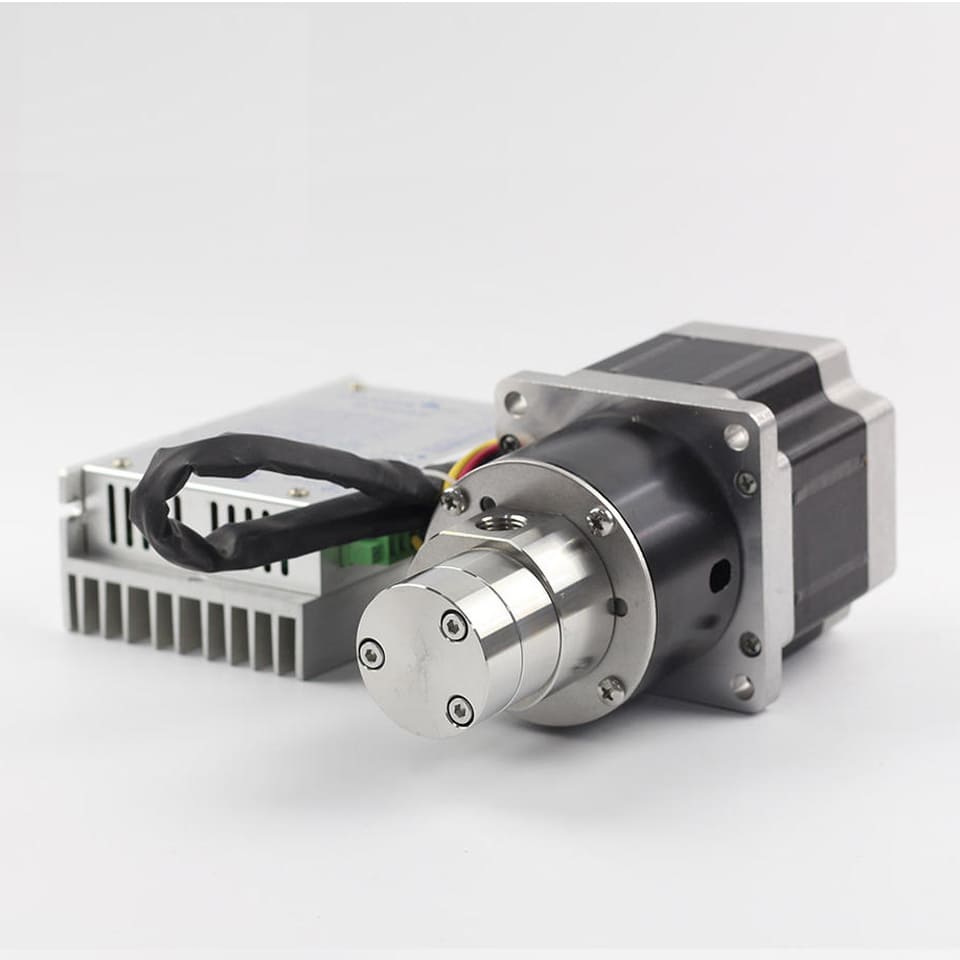
3. Magnetic Drive Gear Pumps
Magnetic drive gear pumps may be considered for specialized liquid transfer applications where their operating characteristics match the system requirements.
The magnetic coupling transfers torque from the motor to the pump mechanism without requiring a conventional dynamic shaft seal between the motor and pump chamber. This helps reduce potential leakage paths associated with a traditional shaft seal.
For water treatment equipment, however, a magnetic drive gear pump is not automatically the best choice for ordinary water circulation.
OEM designers should evaluate:
Required flow and pressure
Water properties and viscosity
Wetted material compatibility
Internal clearances and particle content
Operating temperature
Expected operating cycle
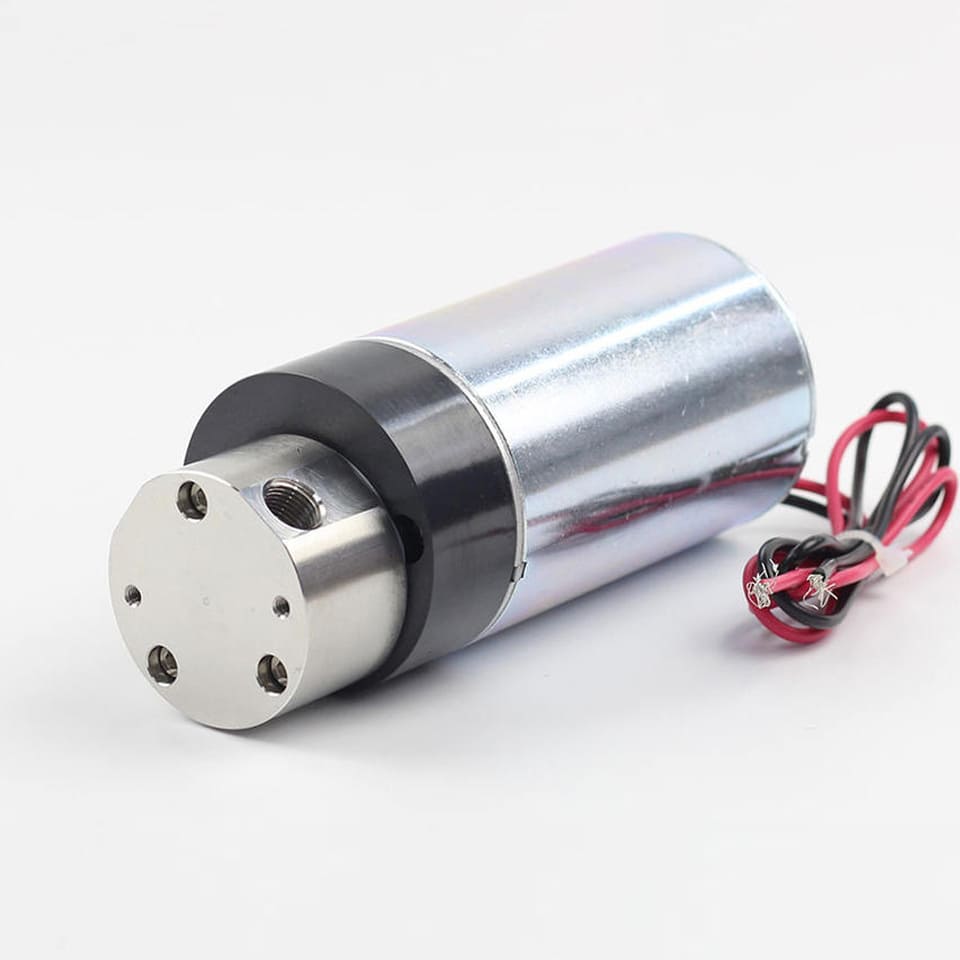
JIGU offers magnetic drive gear pumps with brushless DC motors as a main configuration. Brushed motor options may also be available depending on the model.
Learn more about JIGU Magnetic Drive Gear Pumps.
Key Factors When Selecting a Micro Pump for Water Purification
Selecting a suitable pump requires an understanding of the complete water treatment process, not just the pump’s rated specifications.
1. Required Flow Rate and Operating Pressure
Flow rate determines how much water can pass through the system over a given period. Pressure determines whether the pump can overcome the resistance of the connected components.
In a filtration system, resistance may come from:
Filter cartridges
Membrane elements
Tubing and fittings
Valves and connectors
Internal flow channels
A pump’s maximum flow rate and maximum pressure are not necessarily available at the same operating point.
OEM designers should identify the required flow at the actual system pressure and check the pump’s performance curve.
For more information, see our guide to Micro Pump Flow Rate and Pressure.
2. Water Quality and Material Compatibility
Water quality can vary significantly between applications.
Although ordinary water may appear simple to handle, different systems can involve varying mineral content, pH levels, dissolved substances, additives and temperatures.
Before selecting a pump, consider:
Water composition and quality
pH value
Dissolved minerals and salts
Temperature
Potential chemical additives
Compatibility with wetted components
The pump’s housing, internal components, seals and other wetted parts must be suitable for the intended water conditions.
For drinking water applications, material suitability must be evaluated against the applicable requirements for the complete equipment or system.
Our guide to Micro Pump Materials and Fluid Compatibility explains the main factors involved in material selection.
3. RO Membrane and System Resistance
When a pump is used in an RO system, the membrane’s operating pressure is one of the most important design parameters.
The required pressure depends on factors such as:
Membrane specifications
Feed water quality
Incoming water pressure
Required permeate production
System recovery rate
Pressure losses in the connected circuit
The pump must be selected to meet the membrane manufacturer’s requirements under actual operating conditions.
A pump intended for general water circulation should not be substituted for a dedicated RO booster pump without technical verification.
The EPA overview of drinking water treatment technologies explains how reverse osmosis and nanofiltration use pressure-driven membrane separation.
4. Noise, Vibration and Operating Conditions
Noise can be an important consideration for residential water purifiers and commercial drinking water equipment, particularly when installed in kitchens, offices or other occupied spaces.
Potential noise sources include motor operation, fluid movement, vibration and resonance from the equipment structure.
OEM designers should consider:
Pump mounting and vibration isolation
Tubing arrangement
Operating pressure
Air trapped in the water circuit
Motor configuration
Startup and shutdown frequency
Brushless motors eliminate mechanical brush wear, but this does not mean that the complete pump is silent or that it will always have a longer service life.
Testing under representative operating conditions is important for evaluating noise, vibration and reliability.
See our articles on Micro Pump Noise and Vibration and Micro Pump Reliability and Service Life.
5. Electrical Requirements and Compact Installation
Water purification equipment often has limited internal space, so pump dimensions and connection arrangements need to be considered early in the design process.
Important requirements include:
Available installation space
Pump dimensions and mounting position
Inlet and outlet connections
Tubing size
Supply voltage and current
Startup current
Wiring and connector configuration
Motor control requirements
If the equipment requires speed adjustment or electronic control, the available functions must be confirmed for the selected pump model and its electrical interface.
OEM Pump Integration and Customization
For water purification equipment manufacturers, the pump is one component of a larger fluid handling system.
Successful integration requires coordination between the pump, filters, valves, membranes, tubing and electrical controls.
Depending on the selected pump model and engineering evaluation, OEM requirements may involve:
Flow rate and pressure configuration
Brushless or brushed motor options
Supply voltage
Pump housing and wetted material selection
Inlet and outlet connection design
Installation dimensions
Wiring and electrical connectors
Control requirements
Not every pump model supports every customization option. Each requirement needs to be reviewed according to the pump’s design and the intended application.
When discussing an OEM water purification pump project, equipment manufacturers can provide:
1. Type of water purification equipment
2. Water quality and operating temperature
3. Required flow rate and pressure
4. Filtration process or system diagram
5. Available installation dimensions
6. Electrical supply and control requirements
7. Expected operating cycle
If complete specifications are not available, an equipment description, photos, circuit diagram or existing pump sample can still help start the technical discussion.
JIGU works with OEM equipment manufacturers to evaluate micro pump requirements. You can also read our guide to Micro Pump Customization for more information about possible customization considerations.
Important Considerations for Drinking Water Applications
When a pump is integrated into drinking water equipment, material suitability and system-level compliance become especially important.
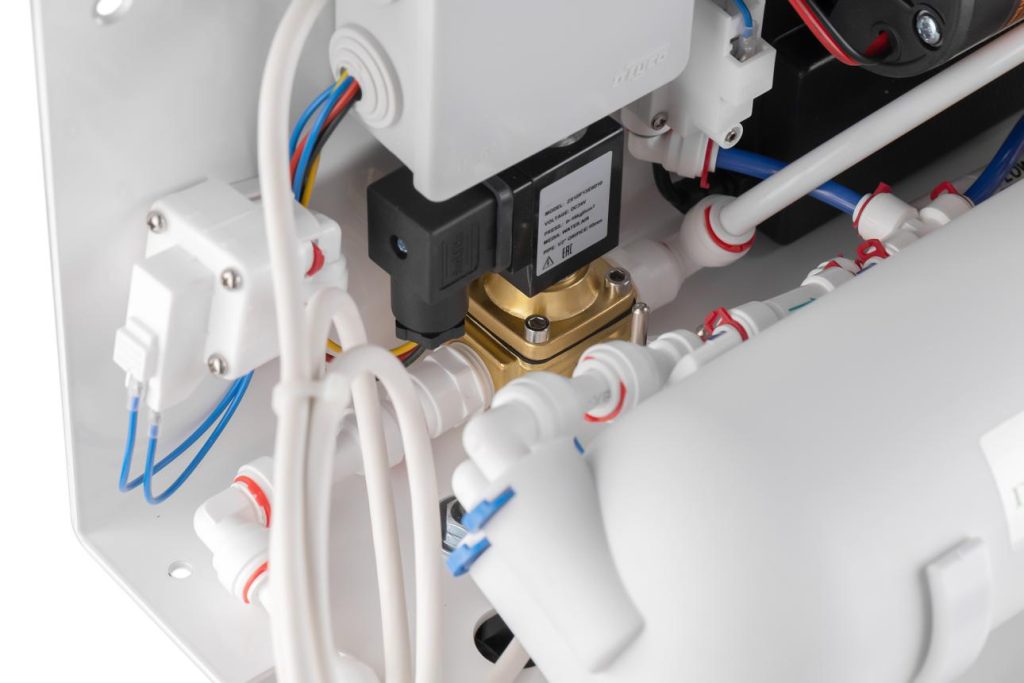
The pump is only one part of the complete water treatment system. The materials and performance of filters, membranes, tubing, valves, connectors and other water-contact components may also affect the finished equipment.
OEM manufacturers should consider:
1. Drinking water contact materials
All water-contact materials should be evaluated against the applicable requirements for the intended market and application.
2. System-level testing and certification
The complete equipment may need to meet relevant safety, material and performance requirements. The requirements depend on the product type, market and claims made by the manufacturer.
For example, NSF/ANSI 58 addresses requirements for point-of-use reverse osmosis drinking water treatment systems, including material safety, structural integrity and treatment performance.
3. Application-specific validation
A pump component’s material suitability alone does not establish that the complete water purifier meets drinking water safety or certification requirements.
OEM manufacturers remain responsible for determining the applicable regulatory and certification requirements and validating the finished equipment.
JIGU pump selection should therefore be based on the specific application and technical requirements. Any drinking water suitability or certification claims must be supported by the relevant product and system evidence.
Frequently Asked Questions
1. What Type of Pump Is Used in a Water Purifier?
Water purifiers may use different pump technologies depending on their design.
Micro diaphragm pumps may be used for selected pressure supply and liquid transfer functions, while centrifugal pumps may be suitable for water circulation and other lower-pressure transfer applications.
The correct choice depends on the filtration process, flow rate, pressure and system configuration.
2. Can a Micro Pump Be Used in an RO Water Purification System?
Potentially, yes, but the pump’s specific function and pressure rating must be considered.
An RO membrane feed pump generally needs to provide the pressure required by the membrane. A general-purpose micro pump should not be assumed suitable for this high-pressure duty.
Other lower-pressure water transfer or auxiliary functions may have different pump requirements.
3. What Is the Difference Between a Diaphragm Pump and a Centrifugal Pump for Water Filtration?
A diaphragm pump moves liquid through reciprocating diaphragm motion and valve operation. Its flow and pressure characteristics depend on its specific design.
A centrifugal pump uses a rotating impeller to transfer energy to the liquid and is commonly considered for circulation and liquid transfer.
The suitable technology depends on the required flow, pressure, operating conditions and system design.
4. What Flow Rate and Pressure Are Required for a Water Purifier Pump?
There is no single flow rate or pressure requirement for all water purifiers.
The required values depend on the filtration technology, filter resistance, membrane specifications, water production target and system layout.
OEM manufacturers should determine the required operating point from the complete system design.
5. Can Micro Pumps Be Used with Different Water Filtration Systems?
Micro pumps can be considered for different filtration systems, but compatibility depends on the specific pump model and its operating conditions.
Water quality, material compatibility, flow, pressure and operating temperature should all be checked before selection.
6. Can JIGU Customize Pumps for Water Purification Equipment?
JIGU provides micro pump solutions for OEM equipment manufacturers.
Depending on the selected model and engineering evaluation, requirements such as motor configuration, voltage, connections, installation dimensions and performance may be discussed.
OEM manufacturers can share their equipment design and technical requirements for an initial evaluation.
Looking for a Micro Pump for Your Water Purification Equipment?
Choosing a suitable pump is an important part of developing reliable water purification and filtration equipment.
The right solution depends on the required flow and pressure, water quality, material compatibility, filtration process and equipment integration requirements.
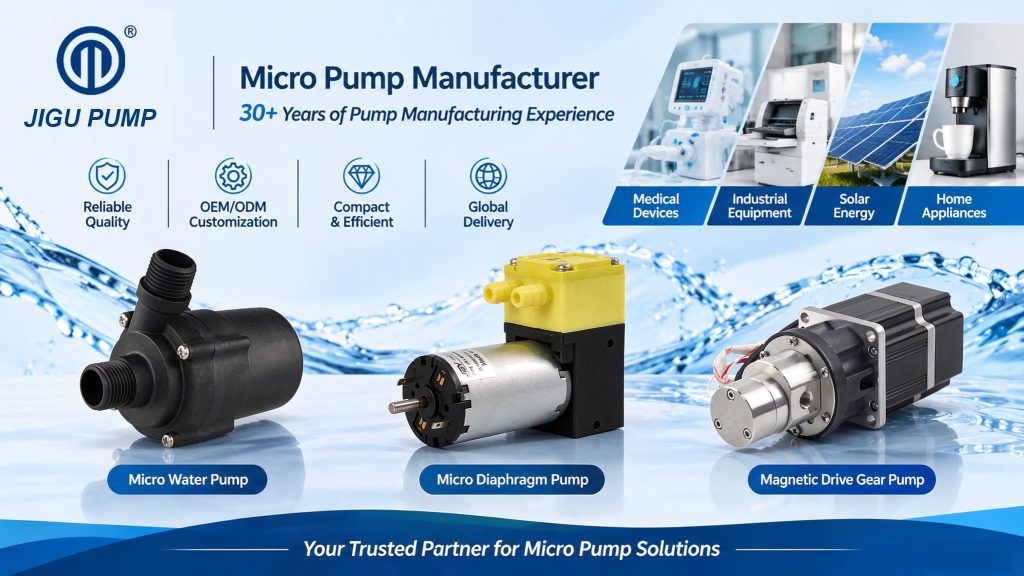
JIGU manufactures micro centrifugal water pumps, micro diaphragm pumps and magnetic drive gear pumps for different OEM applications.
If you are developing a water purifier, filtration unit or other compact water treatment equipment, contact our team to discuss your application and pump requirements.
Contact JIGU for OEM Micro Pump Solutions
Related Products
Reach Out Today
Looking for a micro pump manufacturer for your project? Contact JIGU Pump to discuss your application requirements and get a suitable pump recommendation and quotation.

Share Your Requirements
Share your application requirements, technical specifications, drawings, or reference images with our team.

Receive a Solution & Quotation
Our team will review your requirements and provide a suitable pump recommendation and quotation.

Confirm & Start Production
After sample approval and order confirmation, we proceed with production and arrange shipment according to the agreed schedule.